
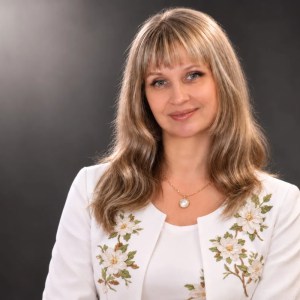
Svitlana Kosiak: A Universe With No Borders.
Ukrainian composer Svitlana Kosiak on her Musical Paintings, where melody merges with poetry and color,
Ukrainian composer Svitlana Kosiak on her Musical Paintings, where melody merges with poetry and color,

Lighting designer Bill West-Davis on light as the thread between design elements, found spaces, and

Six plays by queer Black playwrights centering LGBTQ+ stories — from A Strange Loop to
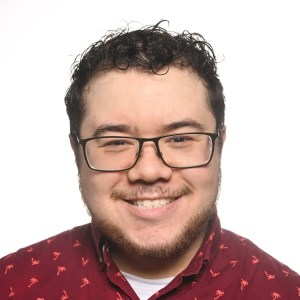
Emerging sound designer whose antiracist practice and identity-driven work bring community, culture, and lived experience

Mexican singer Érick Ismael on the discipline of the stage, training intuition, and why live
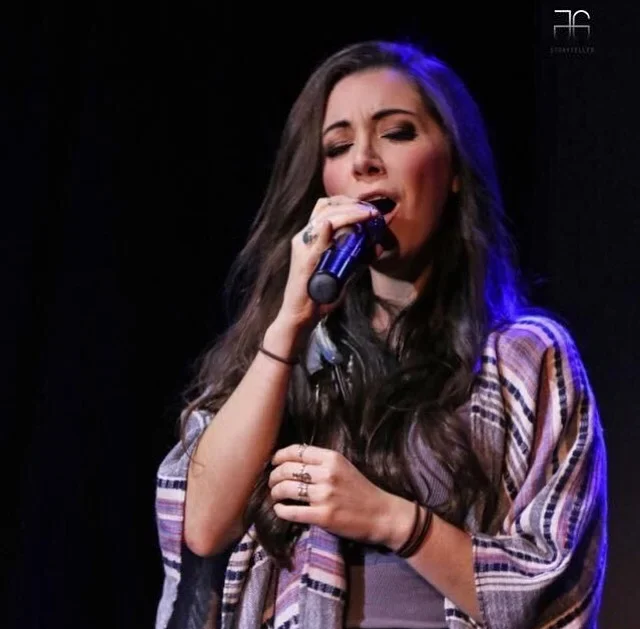
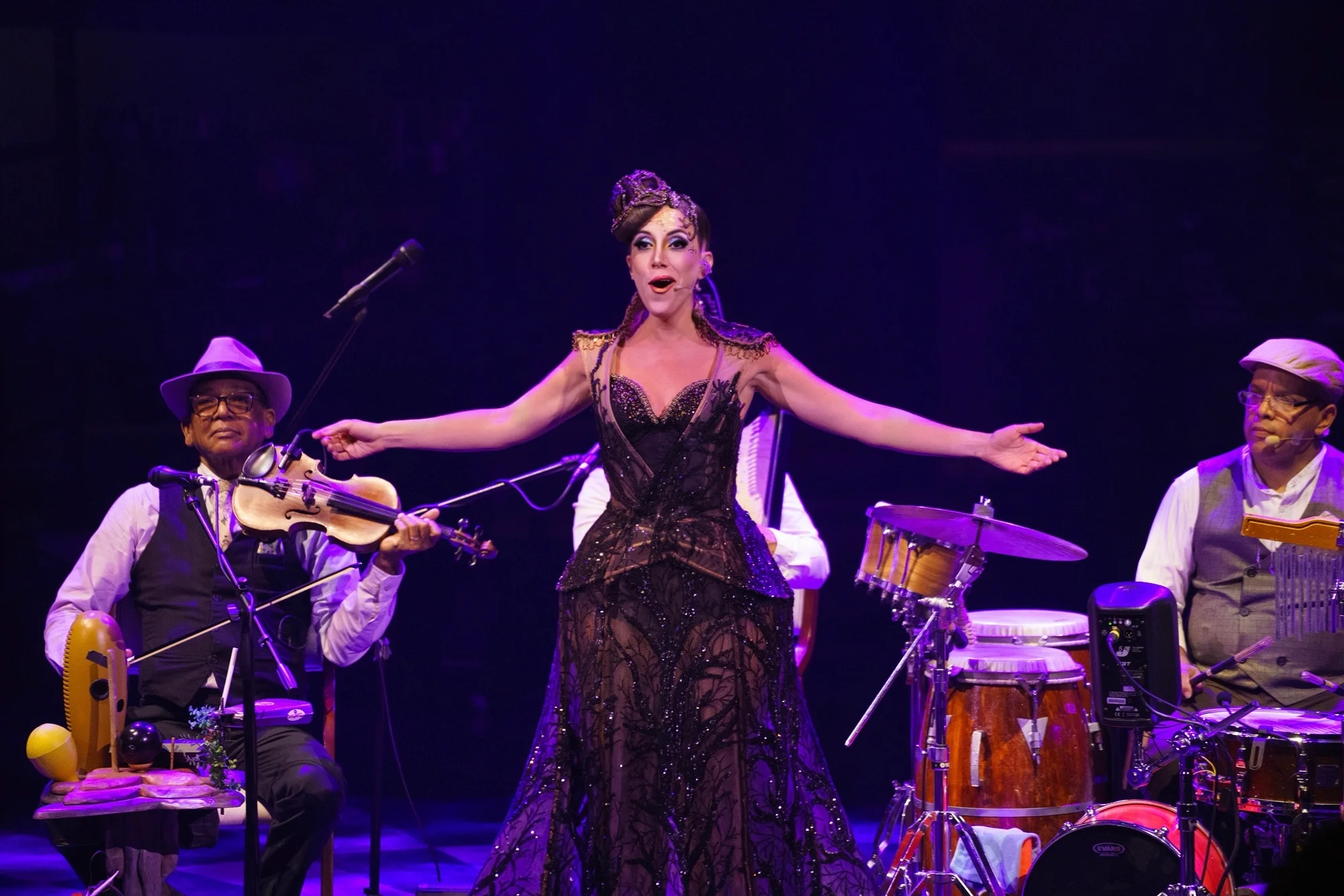
Ruth Robles no longer takes the stage to prove anything. She takes it to be.
That distinction took years to arrive, and everything before it, the discipline, the acclaim, the panic, the darkness, the slow return, was the price of learning it. She began singing almost before she had words for what singing meant, pulled toward the stage by something she could not name but immediately recognized. The first time she saw a musical, she understood everything without needing it explained.
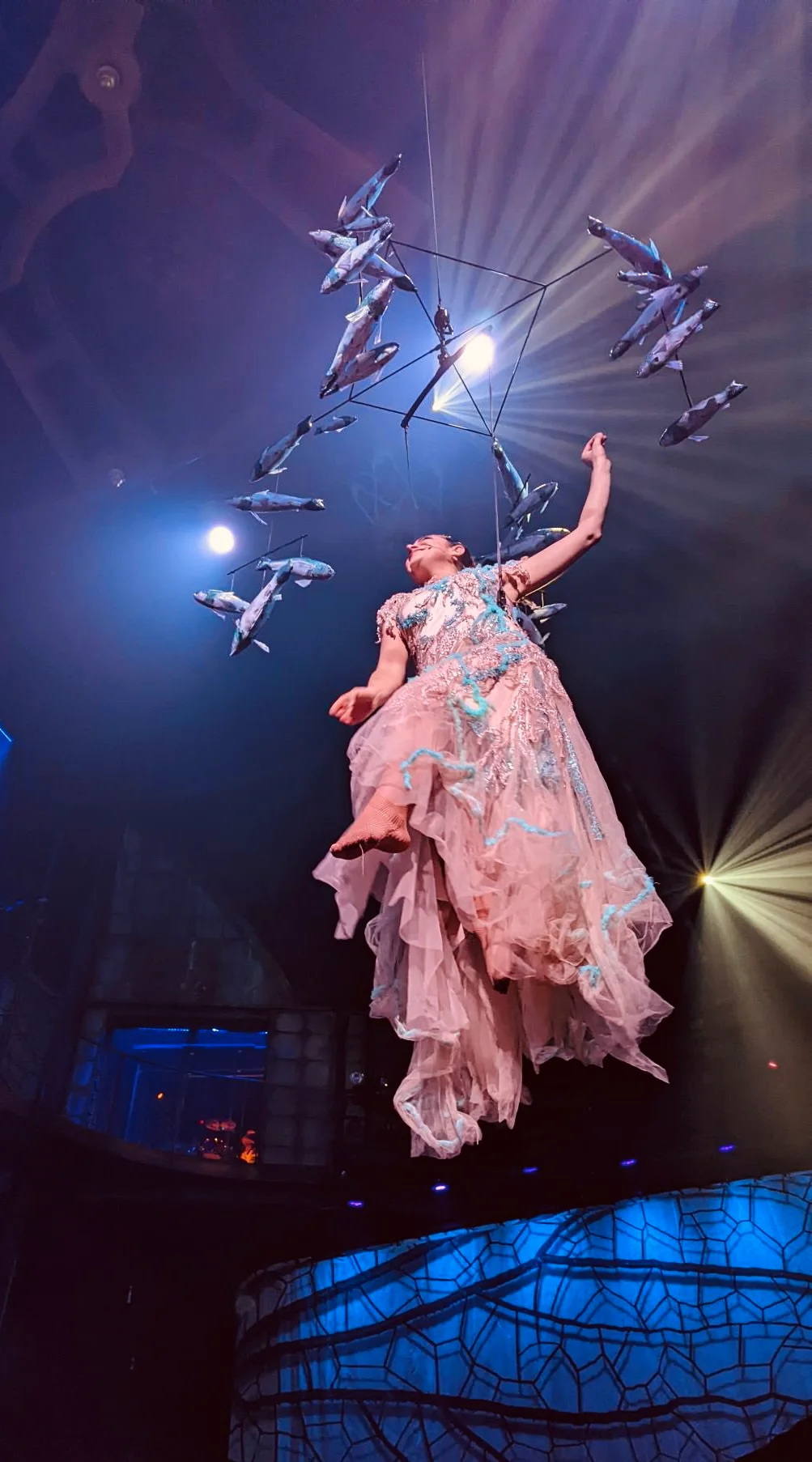
Her voice has lived in many places since then. As a performer, in the bright and unforgiving light of Cirque du Soleil’s JOYÀ. As a vocal director and arranger, in the work she has built for and through other artists, hearing her own musical imagination take shape in someone else’s body on a stage. She has learned that her voice is not only what she sings. It is also what she creates for others to sing.
What runs beneath all of it is a belief that creativity is not something you produce but something you receive. That the best work arrives when you go quiet enough to let it through.
Some artists perform. Ruth Robles arrives, in this edition of PROFILES.

Desde muy pequeña tuve una relación muy cercana con el escenario; empecé cantando en una estudiantina, casi de forma natural. Pero el momento que realmente marcó mi camino fue la primera vez que vi una obra de teatro musical. Ahí entendí todo sin tener que explicarlo: sentí que pertenecía a ese tipo de escenario, donde las historias no solo se cuentan, sino que se sienten profundamente.
Mi formación comenzó en casa (mi papá fue mi primer maestro) era un entorno exigente que me enseñó disciplina, constancia y respeto por el oficio. No siempre fue fácil, pero con el tiempo entendí que esa exigencia también construyó una base sólida para lo que soy hoy.
Al inicio, como muchos artistas, mi impulso venía de la admiración: observar, aprender e incluso imitar. Pero esa chispa fue evolucionando. Con los años, empecé a mirar hacia adentro y a reconciliarme con mis propias vulnerabilidades. Lo que antes percibía como limitaciones se transformó en lenguaje, en identidad. Y así fue como dejé de intentar encajar en una idea de artista, para empezar a habitar la mía.
From a very young age I had a close relationship with the stage. I started singing in a estudiantina almost naturally. But the moment that truly marked my path was the first time I saw a musical theatre production. I understood everything without needing it explained: I felt I belonged to that kind of stage, where stories are not just told but deeply felt.
My training began at home. My father was my first teacher, and it was a demanding environment that taught me discipline, consistency, and respect for the craft. It was not always easy, but over time I came to understand that his rigor also built the foundation for who I am today.
In the beginning, like many artists, my drive came from admiration: observing, learning, and even imitating. But that spark evolved. Over the years I began to look inward and make peace with my own vulnerabilities. What I once perceived as limitations became language, became identity. And that is how I stopped trying to fit into someone else’s idea of what an artist should be, and started inhabiting my own.

Podría hablar de dos momentos que marcaron profundamente mi camino.
El primero fue cuando interpreté a Donna en Mamma Mia! a los 17 años. Recuerdo cantar The Winner Takes It All y sentir que realmente estaba viviendo la historia. Hubo un momento en el que volteé al público… y ya estaban de pie, incluso antes de que terminara la canción. Pero lo más importante no fue eso. Al salir, lloré en backstage, no por la ovación, sino por lo que había sentido. Ahí entendí que la verdadera conexión no venía de afuera, sino de lo que se movía dentro de mí… y que tenía algo que decir con mi voz.
El segundo fue desde otro lugar: como directora vocal y arreglista en Amor Eterno el musical con canciones de Juan Gabriel, dirigido por el gran Rafael Perrín (mi maestro en la universidad). Trabajar con artistas como Bobby Pulido, Ana Bárbara, Ernesto D’Alessio o Lucía Méndez, un gran ensamble coral y escuchar cómo algo que nació en mi cabeza cobraba vida en escena, fue muy poderoso. Sentí que estaba en el escenario a través de ellos. Ahí descubrí que mi voz no solo está en lo que canto, sino también en lo que creo para otros.
I could speak about two moments that shaped my path deeply.
The first was when I played Donna in Mamma Mia! at seventeen. I remember singing The Winner Takes It All and feeling like I was truly living inside the story. There was a moment when I turned toward the audience and they were already on their feet, even before the song had ended. But that was not what mattered most. When I came offstage, I cried in the wings. Not because of the ovation, but because of what I had felt. That was when I understood that real connection does not come from the outside. It comes from what moves inside you. And I realized I had something to say with my voice.
The second came from a different place: as vocal director and arranger on Amor Eterno, the musical featuring songs by Juan Gabriel, directed by the great Rafael Perrín (my professor in university). Working with artists like Bobby Pulido, Ana Bárbara, Ernesto D’Alessio, and Lucía Méndez, alongside a wonderful choral ensemble, and hearing something that was born in my head come to life on stage, was incredibly powerful. I felt like I was on stage through them. That is where I discovered that my voice does not only live in what I sing, but also in what I create for others.
Mi proceso creativo no nace desde la estructura, sino desde la percepción. Puede empezar con algo muy simple: una canción en repetición, una escena en la calle, el mar, una imagen en una película…algo se queda conmigo y empieza a habitarme.
No lo persigo, más bien lo dejo ser. He aprendido que la creatividad no se fuerza, se invita. Es un acto de espacio y de silencio. Cuando logro aquietarme, las ideas comienzan a tomar forma por sí solas, como si ya existieran y solo estuvieran esperando ser vistas.
Hay un momento muy claro en el que entro en ese mundo. El tiempo deja de importar, todo se vuelve presente. Puedo pasar horas ahí, completamente absorbida, siguiendo una intuición que no cuestiono. Y cuando termino, siempre aparece la misma sensación: asombro. Como si lo creado no viniera del todo de mí.
Creo profundamente que la creatividad es algo que nos atraviesa. Que somos canales de algo divino… y que, cuando estamos disponibles, algo más grande encuentra la manera de expresarse a través de nosotros.
My creative process does not begin from structure but from perception. It can start with something very simple: a song on repeat, a scene in the street, the ocean, an image in a film. Something stays with me and begins to settle in.
I do not chase it. I let it be. I have learned that creativity cannot be forced, only invited. It is an act of space and of silence. When I manage to go quiet, ideas begin to take shape on their own, as if they already existed and were simply waiting to be seen.
There is a very clear moment when I enter that world. Time stops mattering, everything becomes present. I can spend hours there, completely absorbed, following an intuition I do not question. And when I finish, the same feeling always appears: wonder. As if what was created did not come entirely from me.
I deeply believe that creativity is something that moves through us. That we are channels for something greater, and that when we are open and available, something larger finds its way to express itself through us.
Get Off-Book, Skene’s free newsletter for artists and makers—plus the 2026 Performing Arts Survival Guide.
Mi mayor desafío no fue externo, fue completamente interno… y me rompió.
Estando en JOYÀ Cirque du Soleil, tuve un accidente en bicicleta donde me fracturé la nariz. No sentí miedo ni dolor, solo una urgencia por volver al escenario. Me forcé a regresar en un mes, desde el miedo a perder el lugar que más amaba. Pero la vida tenía otra intención.
El día que volví, tuve un ataque de pánico en escena. Fue devastador. Yo, que había vivido en el escenario desde niña, de pronto no podía sostenerme ahí. Sentí que algo dentro de mí se había desconectado por completo.
Ese fue el inicio de un descenso: Ansiedad, miedo constante, una oscuridad muy profunda. Hubo momentos en los que pensé que no iba a salir de ahí, pero decidí no anestesiarlo, elegí atravesarlo.
Ese proceso me llevó a encontrarme con mis heridas, con mi historia… y con una versión de mí más vulnerable de lo que jamás había permitido ver. Poco a poco, algo se reordenó.
Hoy el escenario dejó de ser un lugar de validación y se volvió un espacio de verdad. Ya no me subo a demostrar… me subo a ser.
Y desde ahí, todo cambió.
My greatest challenge was not external. It was entirely internal, and it broke me.
While performing in JOYÀ by Cirque du Soleil, I had a bicycle accident and fractured my nose. I felt no fear and no pain, only an urgency to get back on stage. I pushed myself to return within a month, driven by the fear of losing the place I loved most. But life had a different intention.
The day I returned, I had a panic attack on stage. It was devastating. I, who had lived on stage since childhood, suddenly could not hold myself together there. I felt something inside me had completely disconnected.
That was the beginning of a descent: anxiety, constant fear, a very deep darkness. There were moments when I thought I would not find my way out of it. But I decided not to numb it. I chose to walk through it.
That process led me to confront my wounds, my history, and a version of myself more vulnerable than I had ever allowed anyone to see. Slowly, something reorganized itself.
Today the stage is no longer a place for validation. It has become a space of truth. I no longer go up there to prove anything. I go up there to be.
And from there, everything changed.

Me inspira todo aquello que logro ver con profundidad. Puede ser el arte de otros, sí, pero también la vida cotidiana: una conversación, una emoción compartida, un instante aparentemente simple.
Me gusta mucho preguntarle a la gente cuál es realmente el sueño de su corazón por mas loco que suene, y es curioso, porque a muchos les cuesta responder… hay algo vulnerable en decirlo en voz alta. Pero cuando lo hacen, se les ilumina la mirada, y ahí encuentro algo muy poderoso: la humanidad en su forma más honesta.
Creo que lo que más me inspira es eso: lo invisible que todos cargamos dentro.
Y en mi trabajo se refleja de forma muy natural. Tengo una tendencia a expandirlo todo: a tomar algo pequeño y convertirlo en un universo. A imaginar inmediatamente un escenario, luces, armonías, voces que acompañan una emoción.Hoy también entiendo que mi trabajo es conectar con el sentir. Cuando canto o creo, trato de no pensar… solo sentir. Dejar que algo más profundo tome el lugar de la mente. Mi arte nace desde la intensidad, desde la pasión… incluso desde el drama. Es una forma de traducir lo cotidiano en algo más grande, más vivo.
Al final, creo que lo que hago es eso: convertir la vida en fantasía… y la fantasía, en algo profundamente humano
I am inspired by everything I manage to see with depth. It can be the work of other artists, yes, but also everyday life: a conversation, a shared emotion, a seemingly simple moment.
I love asking people what the true dream of their heart is, no matter how impossible it sounds. It is striking, because many people struggle to answer. There is something vulnerable in saying it out loud. But when they do, their eyes light up, and in that I find something very powerful: humanity in its most honest form.
I think what inspires me most is exactly that: the invisible that we all carry inside.
That shows up in my work very naturally. I have a tendency to expand everything: to take something small and turn it into a universe, to immediately imagine a stage, lights, harmonies, voices accompanying an emotion. I now also understand that my work is about connecting with feeling. When I sing or create, I try not to think. I just feel. I let something deeper take the place of the mind. My art is born from intensity, from passion, even from drama. It is a way of translating the everyday into something larger, something more alive.
In the end, I think what I do is this: turn life into fantasy, and fantasy into something deeply human.
Creo que lo más emocionante que está sucediendo ahora mismo es esta tensión entre lo tecnológico y lo humano. Hoy la tecnología está ocupando un lugar enorme, y muchas veces la atención se ha ido hacia afuera: hacia lo que proyectamos, hacia cómo queremos ser vistos, más que hacia lo que realmente sentimos.
Pero también creo que todo funciona como un péndulo. Si existe ese extremo, es porque el otro también está despertando. Cada vez hay más personas que empiezan a cuestionar eso y a regresar hacia adentro, a reconectar con su mundo interior y con los demás desde un lugar más honesto.
Para mí, la tecnología —incluyendo la IA— no es el problema, sino cómo la usamos. Puede ser una herramienta o puede sustituirnos. Y justo eso está provocando que muchos artistas elijan crear desde lo esencial.
Lo veo en la mezcla de disciplinas, en experiencias más sensoriales, más vivas, menos perfectas. En artistas que quizá no buscan la perfección técnica, pero sí una verdad emocional.
Siento que el arte como vehículo de conciencia está creciendo (aunque aun estamos en la transición)… y que, en medio de tanto ruido, lo verdaderamente humano empieza a tener aún más fuerza.
I think the most exciting thing happening right now is this tension between the technological and the human. Today, technology occupies an enormous space, and attention has often shifted outward: toward what we project, toward how we want to be seen, more than toward what we actually feel.
But I also believe everything works like a pendulum. If that extreme exists, it is because the other is waking up too. More and more people are beginning to question that and to turn inward, to reconnect with their inner world and with others from a more honest place.
For me, technology, including AI, is not the problem. It is how we use it. It can be a tool or it can replace us. And that tension is precisely what is pushing many artists to create from what is essential.
I see it in the blending of disciplines, in experiences that are more sensory, more alive, less perfect. In artists who may not be chasing technical perfection but are searching for emotional truth.
I feel that art as a vehicle for awareness is growing, even if we are still in the transition. And in the middle of so much noise, what is truly human is beginning to carry even more force.
Creo que el mejor consejo que puedo dar es: comprométanse de verdad con lo que elijan.
Hoy en día es muy fácil soltar algo cuando se vuelve incómodo o difícil, y cambiar de camino constantemente. Pero el arte —y cualquier disciplina— no se construye desde lo momentáneo, se construye con tiempo, con constancia y con profundidad.
No todo se va a sentir bonito. De hecho, muchas veces no lo es. Hay frustración, dudas, cansancio, tiempo… pero también ahí es donde ocurre el verdadero crecimiento.
El arte es una carrera de resistencia. Sí, el talento importa, pero no es lo que sostiene una trayectoria. Lo que realmente marca la diferencia es tu capacidad de insistir: de tocar puertas, de recibir “no”, de caerte, de volver a intentar, de cuidar lo que estás creando incluso cuando nadie más lo ve.
Nada se construye en poco tiempo. Todo requiere procesos: sembrar, cuidar, dejar que crezca… incluso volver a empezar.
Si decides hacerlo, hazlo hasta el final. Porque ahí es donde realmente empieza a tomar forma.O cuando sabes si realmente es para ti, y si no, créeme que te va a servir de herramienta
I think the best advice I can give is: commit fully to whatever you choose.
Today it is very easy to let something go when it becomes uncomfortable or difficult, and to keep changing direction. But art, like any discipline, is not built in the short term. It is built with time, with consistency, and with depth.
Not everything will feel beautiful. In fact, much of the time it will not. There is frustration, doubt, exhaustion, and a great deal of waiting. But that is also where real growth happens.
Art is a long-distance race. Yes, talent matters. But it is not what sustains a career. What truly makes the difference is your capacity to persist: to knock on doors, to receive rejections, to fall, to try again, to care for what you are creating even when no one else is watching.
Nothing is built quickly. Everything requires a process: planting, tending, letting it grow, and sometimes starting over.
If you decide to do this, do it all the way. Because that is where it truly begins to take shape. And where you find out whether it is really for you, which, believe me, will also serve you either way.

Más que dejar una huella específica, me gustaría que mi trabajo le recuerde a la gente algo muy simple pero muy profundo: que crean en sí mismos. Que si hay algo que sienten en el corazón, se atrevan a hacerlo realidad.
No creo en la perfección como objetivo. Creo en los procesos, en los momentos, en todo lo que te va construyendo en el camino. Mi arte también ha sido eso: una suma de experiencias, de intentos, de caídas y de descubrimientos.
Como cantante, arreglista o como directora vocal, no busco ser “la mejor”, sino ser honesta. Mostrarme como soy y crear desde un lugar real.
Me gustaría que, aunque sea por un instante, alguien que escuche mi trabajo, ya sea como directora vocal, cantante o cante alguno de mis arreglos se permita sentir. Que conecte con algo dentro de sí, que imagine, que se abra a nuevas posibilidades.
Y si algo de lo que hago logra tocar ese espacio interno —aunque sea poquito— entonces para mí ya valió la pena.
Porque al final, no se trata de una obra perfecta… sino de lo que se mueve dentro de nosotros cuando la vivimos.
More than leaving a specific mark, I would like my work to remind people of something very simple but very profound: to believe in themselves. That if there is something they feel in their heart, they dare to make it real.
I do not believe in perfection as a goal. I believe in processes, in moments, in everything that builds you along the way. My art has been exactly that: a sum of experiences, of attempts, of falls and discoveries.
As a singer, arranger, or vocal director, I am not trying to be the best. I am trying to be honest. To show up as I am and create from a real place.
I would like, even for just an instant, for someone who encounters my work, whether as a vocal director, a singer, or someone singing one of my arrangements, to allow themselves to feel. To connect with something inside themselves, to imagine, to open up to new possibilities.
And if something I have made manages to touch that inner space, even a little, then for me it was worth it.
Because in the end, it is not about a perfect work. It is about what moves inside us when we live it.

Share this story

We use cookies to optimize our website and our service functionalities.
Practical career guidance for performing arts artists and makers. Take it with you.