
LATEST POSTS.

Get featured
on Skene!

Isaac V. Jo: Designing against erasure.

sound designer Isaac V. Jo
source: Louis Stein.

Isaac V. Jo came to theatre twice. The first time, his mother signed him up for tech work at a community playhouse in Corpus Christi so she could consolidate her children’s after-school trips across town. The second time, he came back on his own terms, carrying something he had learned from the teachers at a Title I middle school where he ran sound and lights: that an underrepresented student seeing themselves reflected onstage is not a small thing.

That understanding became the foundation of his practice as a sound designer, and it has shaped everything since. His work on On Your Feet! at Drury Lane Theatre in Chicago brought it into focus: designing alongside artists of color, watching his father tear up at intermission, feeling for the first time grounded in a new city through the people a production had gathered.

Isaac V. Jo arrives in this edition of NEW TALENTS with his communities, his identities, and his commitment fully intact.

Advertising
Advertising

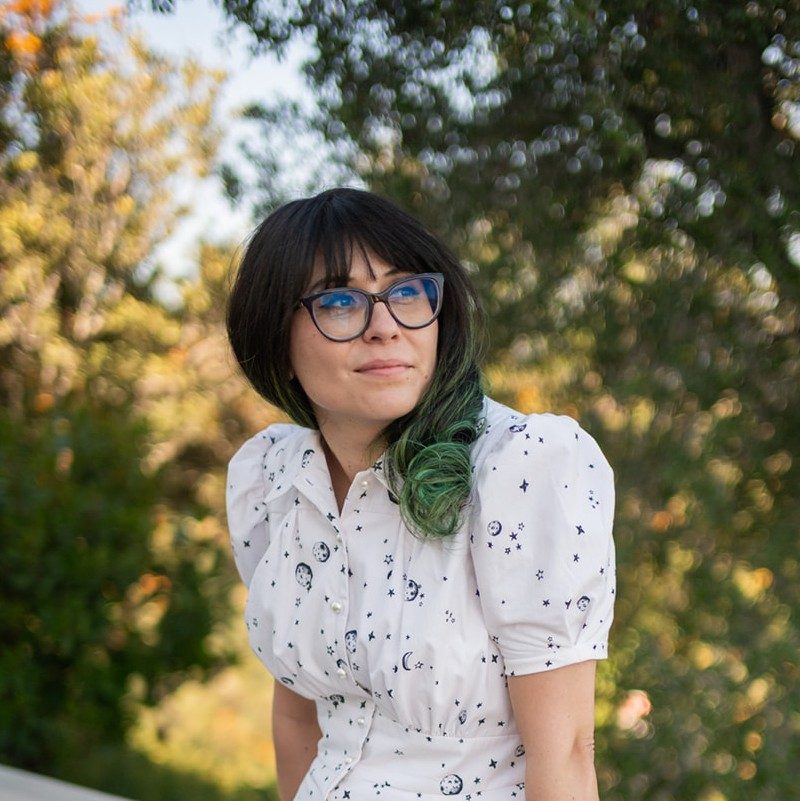
Isaac V. Jo

he/him
Sound Designer
United States
A Doll's House, source: Louis Stein.

1. What sparked your interest as an artist and how has that spark evolved over time?

I had two journeys to theatre: one in high school and one as an adult. I first started working in theatre at the Harbor Playhouse in Corpus Christi, Texas. My younger brother decided he wanted to be an actor and my mother, ever efficient, decided to sign me up to be a tech so she could consolidate her children’s after-school activities into one daily trip across town. I volunteered there for several years before I graduated.
Although I didn’t major in theatre during undergrad, I went to a small liberal arts college in desperate need of sound designers. I ended up designing three shows, but I was scared I wouldn’t be able to make a livelihood. I eventually wound up working at a Title I middle school doing sound and lights. There, I worked with incredible teachers who were deeply passionate not just about serving their underprivileged students, but showing them that they and their cultures were something to celebrate. I started considering what it could mean for an underrepresented student to see themselves reflected onstage. This formed the basis of my journey back into theatre and served as the foundation for my work in antiracist theatrical design since.

Covenant, source: Hugo Hentoff.

2. Can you share the story behind one of your favorite works and what it means to you?

Working on Drury Lane Theatre’s January 2026 production of On Your Feet! was one of the most incredible experiences I’ve ever had. I had been struggling to find work after recently moving to Chicago. By chance, I saw a post in La Gente’s Facebook group asking if there were any Latine sound designers in the area. Within days, the sound designer, Sarah Ramos, contacted me. She explained she’d been looking specifically for a Latine assistant, as she felt the production was a great opportunity to introduce a Latine designer to the local scene. I was apparently one of the only Latine sound designers in the entire Chicagoland region.
Getting to work with other artists of color felt like coming home. I raved about the show so much that my parents flew up from Texas to see it, and at intermission, I realized my father had teared up because it reminded him so much of his childhood in Miami. I finally felt grounded in Chicago after meeting so many local artists from one of my communities, and I will forever be grateful for it.

More like this, twice a month.

Get Off-Book, Skene’s free newsletter for artists and makers—plus the 2026 Performing Arts Survival Guide.

Gloria, source: Louis Stein.

3. What has been your biggest challenge as an artist and how did it influence your growth?

My biggest challenge as an artist has been learning to integrate myself and my identities into the teams I work with. Before I transitioned, I think people naturally assumed I was friendly, even when I was stressed or being stubborn about something. It was jarring to me when people began describing me as aggressive or hard-headed once I transitioned. I had to stop and realize that people weren’t just seeing me as a man now, but specifically as a man of color.
I know that sounds obvious, but as a multigenerationally mixed-race person, I’ve always treated being mixed more as a fun fact than as something I was actively living. I grew up an Army brat away from my communities, spoke no Spanish, and only learned Chinese in college. Transitioning, connecting to my lived experiences as a person of color, and suddenly getting thrown into an MFA where everyone had a different background forced me to reexamine my relationships with my identities and regrow into myself. I’ve had to reconsider what it means to claim my space and what teamwork looks like in my artistic practice, helping me connect with those around me on a much more profound level.

Lysistrata A Woman's Translation, source: Toni Woods.

4. Who or what inspires you the most, and how is that reflected in your work?

My spouse, Mat, is easily the person who inspires me the most. I used to joke with people that I had a fun job and he provided insurance. While I was at Carnegie Mellon, he worked for the Public Defender’s Office in Pittsburgh. One of his most ambitious projects there was redesigning the way the office connected clients who spoke rare languages with court interpreters so they could be adequately understand and be understood in as little time as possible.
During my thesis presentation, where I presented a framework aimed to help designers explore their process through an antiracist lens, someone asked, “What if a designer doesn’t have enough time or budget to thoroughly explore a culture they’re depicting?” I wasn’t sure how to answer it in the moment, but when I went home and spoke with Mat, he reminded me that for as much as we get caught up in logistics, the thing that matters most is the time and energy we dedicate to understanding others. Every day I work, I think about how dedicating ourselves to understanding, no matter how difficult or imperfect, deepens our connections with both others and ourselves.

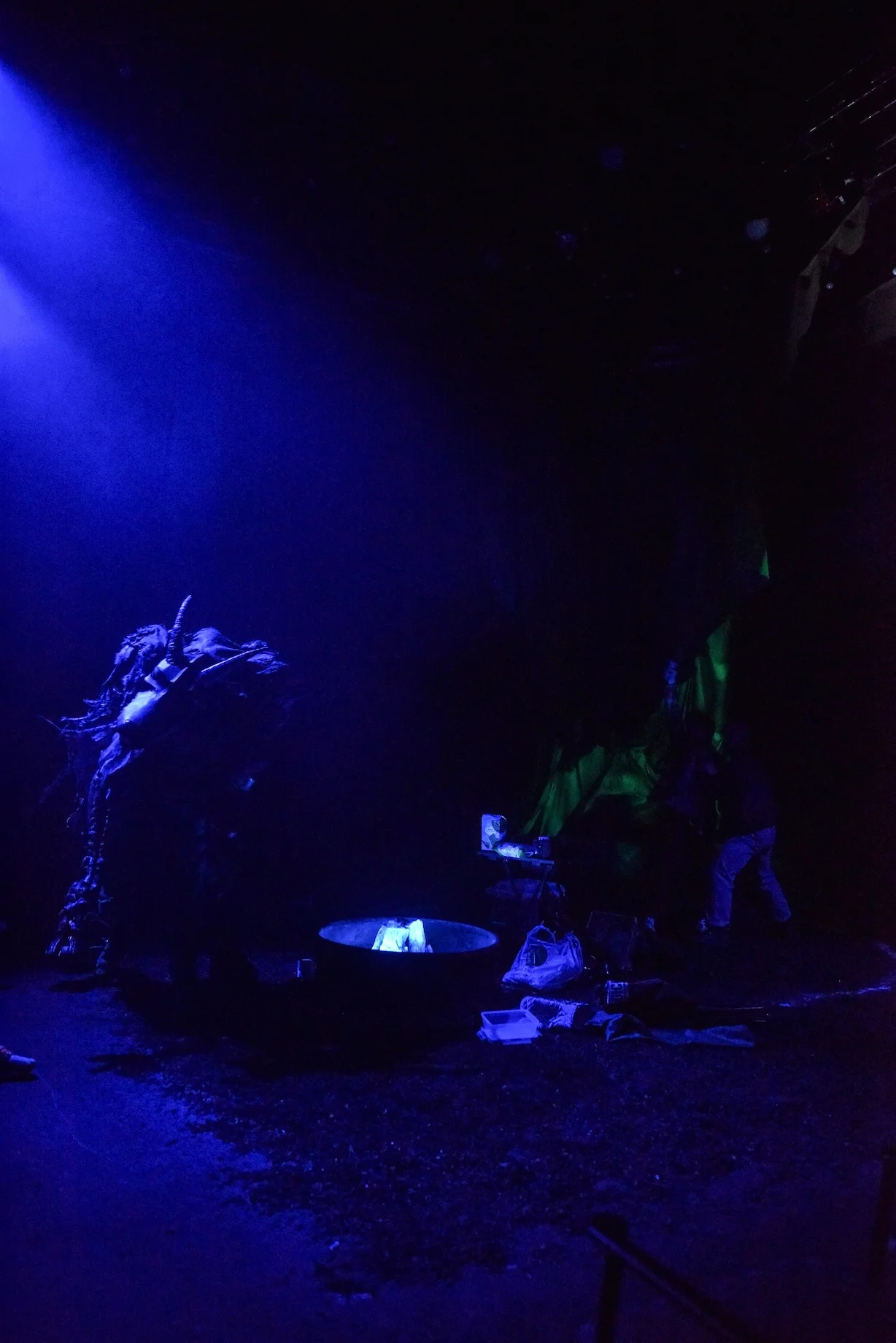
Orion and the Goatman, source: Louis Stein.

5. How do you hope your work will connect with people or leave an impact?

I still think about the students I left behind when I went to grad school. When I entered my final year of my MFA, I met the new freshmen and thought, “Wow, they could’ve been my seventh graders.” It made me wonder: if I could go back in time, considering my work now, what would I have wanted my art to tell those students?
I know what those students told me: that embracing my cultures, wants, and feelings was one of the most important things I could do for my life. Middle schoolers get a bad rap for being awkward and insecure, but I still think of a table of eighth graders who, upon learning I was a no sabo kid, told me it was never too late to become more myself.
Ultimately, I want my work to embody that. I want those students to see my work now and know that what they said resonated with me. By learning more, by reaching out to different people and seeing diverse perspectives, you come to understand yourself; and by coming to understand yourself, you can share more with those around you.

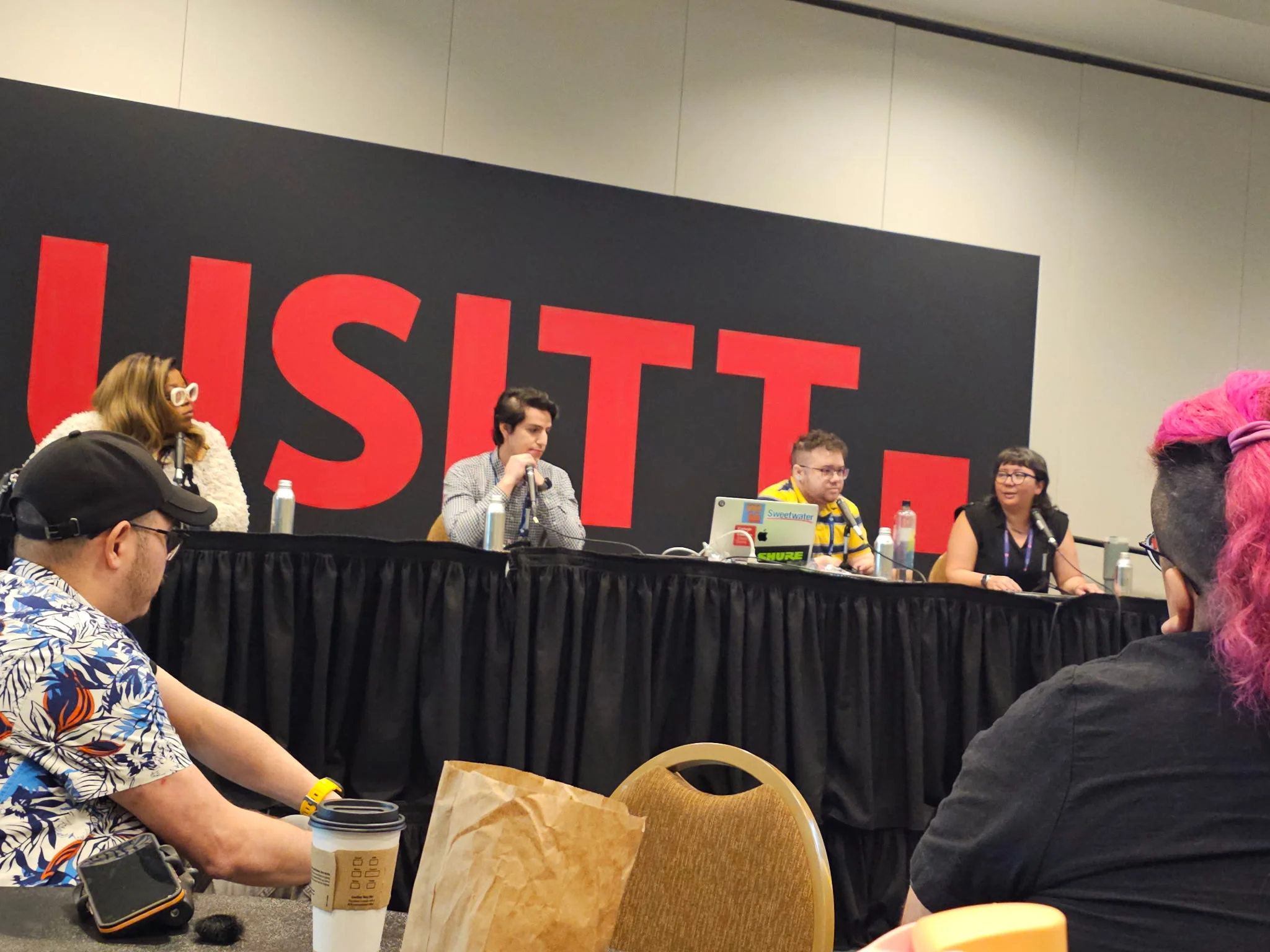
USITT Panel, source: Jennifer Garcia.

Share this story

Leave a Reply

Your email address will not be published. Required fields are marked *

Abingdon Theatre Company - Season 34
FREE FOR ARTISTS

Get the 2026 Performing Arts Survival Guide.

Practical career guidance for performing arts artists and makers. Take it with you.