
Latest posts.

Talk-O Tuesday Ep.3

What do you want to see?

From the UK to Korea to the past — Helen Garcia-Alton, Tina Torbey, and Nia Banks share the theatre they wish they could see anywhere in the world.

Get Featured or Publish with Skene!

Aries Limon: Honoring Histories Through Craft.

source: Carissa Woo

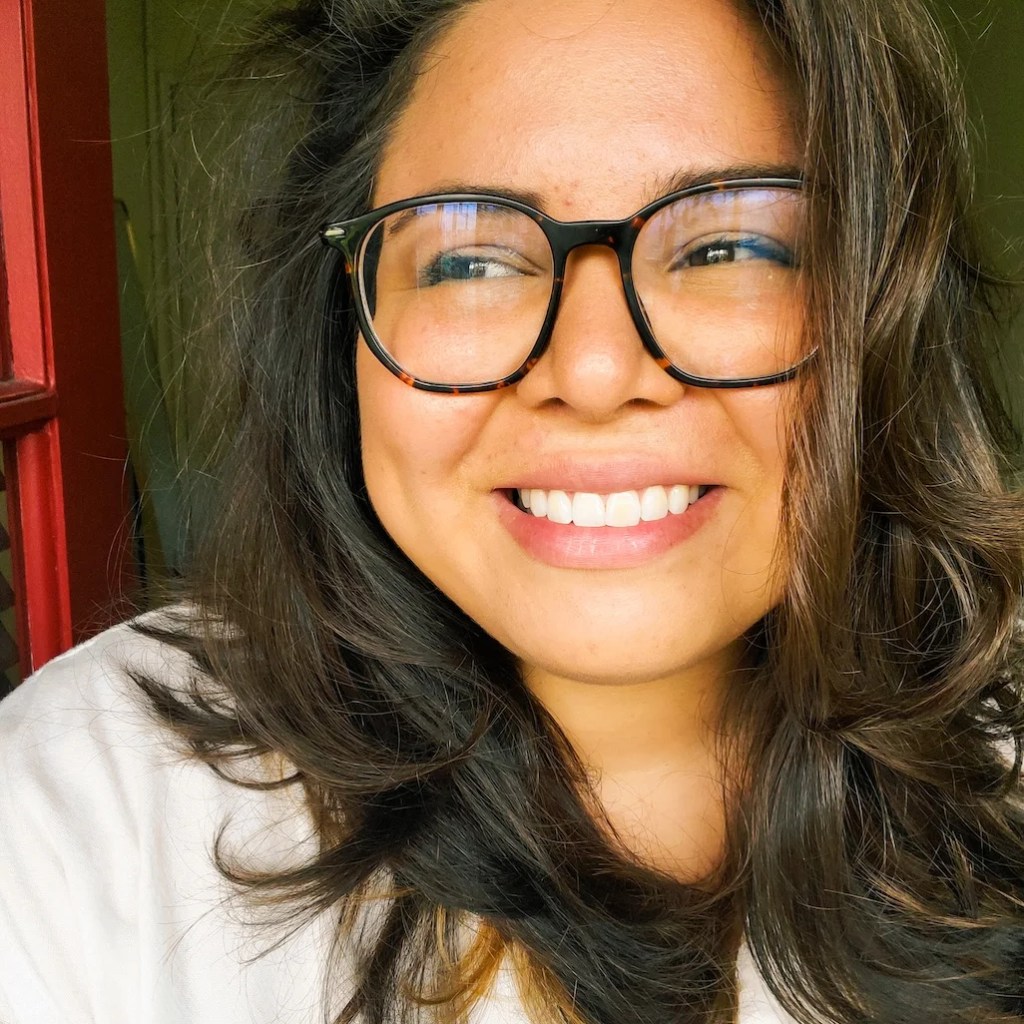
There is a quiet determination in the way Aries Limón approaches costume technology, a steadiness shaped by curiosity, patience, and an early love of making. What began as sewing lessons in the back of a craft store soon grew into a pathway of discovery, one that carried Aries from high school theatres to community college costume shops and into a field where skill, care, and cultural inquiry intersect. Her work reflects a designer who learns by doing, who follows questions into history, and who finds meaning in the people who share their stories along the way.

Aries embraces the craft with generosity, valuing mentorship, shared knowledge, and the slow mastery of techniques that take time to build. She welcomes imperfection as part of the process and sees growth as a collective act, shaped by every tailor, technician, and student she has learned beside.

Her journey unfolds with intention, humility, and deep respect for craft in this edition of NEW TALENTS.

skene algorithm
partner content

Aries Limon

she/her
Costume Technician
United States
Count Almaviva coat for The Barber of Seville, source: Aries Limon

1. What sparked your interest as an artist and how has that spark evolved over time?

I learned how to sew when I was 10 years old. My best friend and I took sewing lessons in the back of a JoAnn Fabric and Crafts, learning how to read and cut commercial patterns and how to use a sewing machine. After that, sewing was a hobby, something that I did for myself as I was developing my personal style in high school. Then some of my friends got involved in our high school’s theater. I had no interest in performing, but I got involved in the costumes for some of our productions. Previously, I had no idea that this was a viable career path, but once I knew, I started to pursue it relentlessly. I threw myself into my community college’s theater program, volunteering for all costume related tasks. I did that all throughout college, seeking outside internships as well. I still bring that energy to my work and to my professional development. This is an industry full of new skills to learn and develop. It is also one with opportunities to pass those skills on, and that’s something that drives me as a costume technician.

Variegated Fritillary Butterfly Project, source: Emma Dickerson

2. Can you share the story behind one of your favorite works and what it means to you?

My favorite project was the traje de charro that I made for my master’s thesis at the University of Texas at Austin. So much of my heart went into every aspect of that project. It started as a question about my own culture, where does the traje de charro come from? Something that I had never thought about before, having just taken this icon for granted as a symbol of Mexican culture. And it turned into not only a deep dive into musty old books about the history of charreria, just looking for anything about the traje, itself, but also a series of interviews with people who have dedicated their lives (and sometime generations of their families) to the productions of these trajes and people who have dedicated themselves to the music associated with it. I felt so honored that people took the time to talk to me, to share their personal histories and their own knowledge about the traje de charro. My interviews were my favorite part of the process, but I’m glad that I also got to make a really cool traje for a friend and that we got to share a little bit of history and music with an audience.

In Sisters We Trust, source: Essentials Creative

3. What has been your biggest challenge as an artist and how did it influence your growth?

I think my biggest challenge has been that quest and expectation for perfection in everything that I do. It can be detrimental to a project to criticize it so harshly. The crafts artisan at UT Austin actually helped reframe my thinking about this. She asked me something along the lines of “if you already know how to do everything perfectly, then why are you in school” And it’s so true. I had gone back to school to push myself and to learn new skills and grow as a costume technician, but I would get frustrated if my projects weren’t turning out perfectly, even though it was my first time doing something. So I took that lesson and was kinder to myself as I learned to work with new materials. This helped as I was teaching undergrads too. I would see their frustration at not understanding how to do a hand stitch that was completely new to them. It was just a motor skill that hadn’t been developed yet, and I gave them the time and space to try again, demoing as necessary. Always reminding them that it’s about progress, not perfection.

Greek Soldier jacket for Les Trojens, source: Aries Limon

4. Who or what inspires you the most, and how is that reflected in your work?

The people that I work with inspire me. I love learning from someone with more experience/different techniques than me and applying those skills to my own work. I love teaching the skills that I have learned over the course of my career, honing in on how to communicate certain techniques that are second nature to me now. I have been developing my tailoring style since 2015 and for these last ten years, I have worked with and learned from so many amazing tailors. I think that’s how this shows up in my work. It is the culmination of the people that I have had the privilege of learning from, and of course, it is still developing. I think it always will.

Traje de Charro project, source: Aries Limon

5. How do you hope your work will connect with people or leave an impact?

I hope that they see the growth in my work and that it reminds them of their own growth. Too often, we are focused on where we are now and we forget where we started. I always like to look back at where I was in the beginning of my career and to see how far I have come. I think it helps to keep me grounded and grants me patience when I am working with someone new to this industry.

Millinery project, source: James Glavan

Support artists—share this

More like this, twice a month.

Off-Book is the Skene newsletter for artists and makers. Profiles, opportunities, and editorials, free. New subscribers also receive the 2026 Performing Arts Survival Guide.

About the Author

Leave a Reply

Your email address will not be published. Required fields are marked *

Abingdon Theatre Company - Season 34

Related Posts

Alex Peña: Worlds of Paper and Light.

FREE FOR ARTISTS

The 2026 Performing Arts Survival Guide.

Practical career guidance for performing arts artists and makers. Take it with you.