Brandon PT Davis: Invisible Design.
Brandon PT Davis is a scenic designer whose research-driven practice builds spaces that dissolve into story and earn their invisibility.

Brandon PT Davis is a scenic designer whose research-driven practice builds spaces that dissolve into story and earn their invisibility.

Actriz y autora mexicana Kelly Key habla sobre maternidad, teatro autodidacta y su cuento Cerillo en este episodio de OFFSTAGE en Español.

Helen Garcia-Alton, Tina Torbey, and Nia Banks share what’s on stage right now that is transformative, interesting, or just plain fun.

Six new and recent plays by Black playwrights redefining American theatre. Essential reading and producing for the 2026 season and beyond.

Scenic designer and emerging artist whose work builds worlds rooted in personal history, cultural identity, and a deep respect for the audience’s time.
Brandon PT Davis approaches scenic design through curiosity. His interests move freely between art, history, engineering, architecture, technology, and storytelling — a mindset that naturally led him toward scenic design, where a “jack-of-all-trades” way of thinking becomes an advantage rather than a distraction. Scenic design offered a space where research, structure, visual composition, and human behavior could all coexist within the same creative practice.
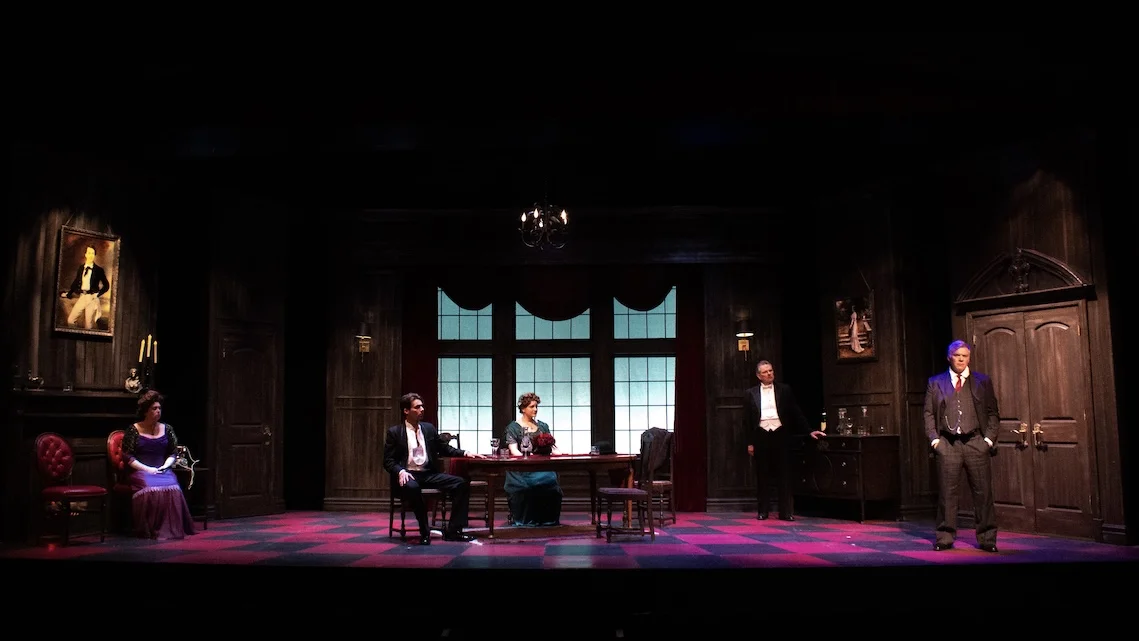
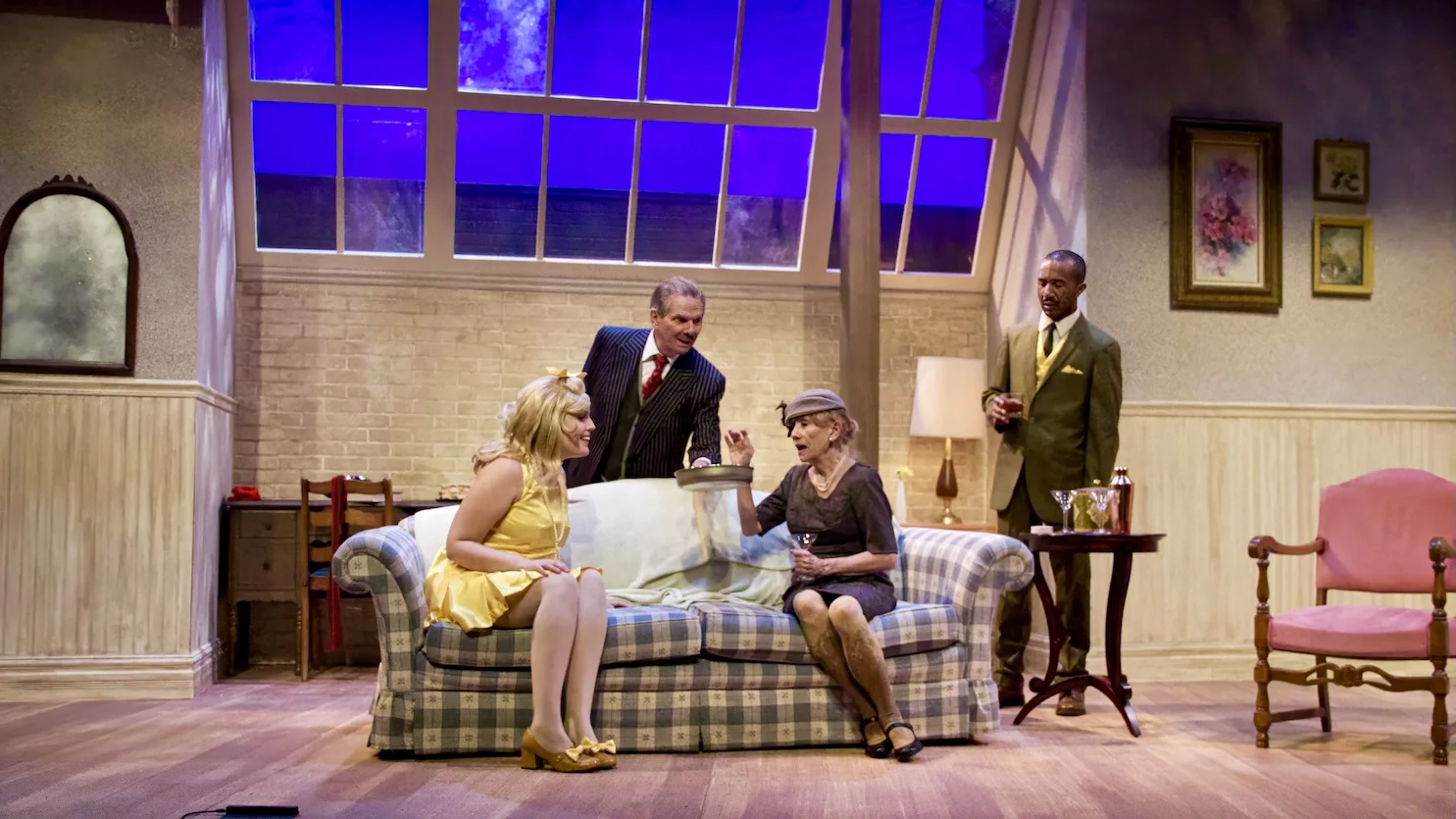
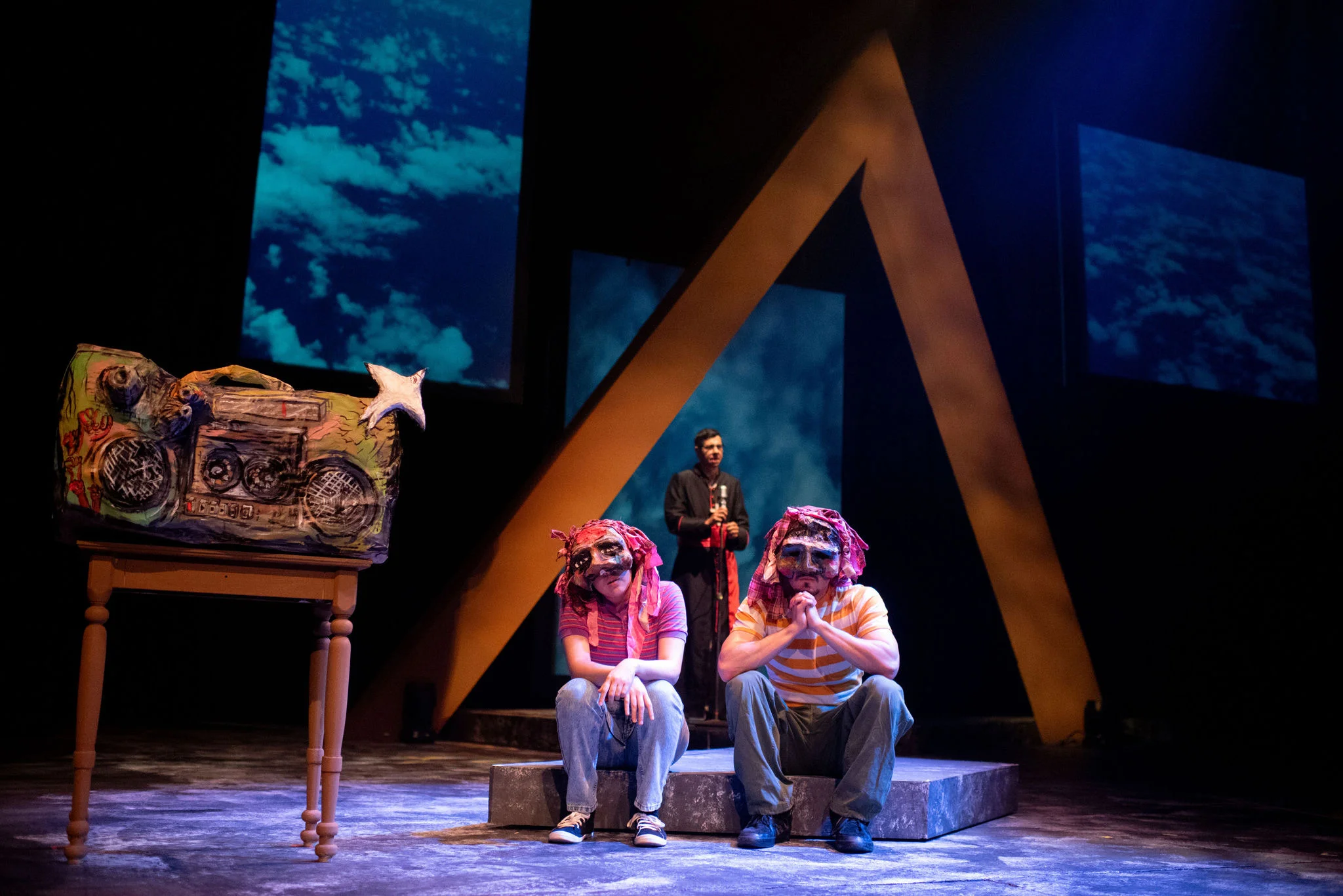
That interdisciplinary thinking continues to shape his process today. Brandon approaches scenery not simply as environment, but as a living system that influences rhythm, movement, and emotional focus. Entrances, pathways, textures, and levels become part of the storytelling itself. Collaboration and research sit at the center of that work, allowing ideas from seemingly unrelated places to inform how a production ultimately feels onstage.
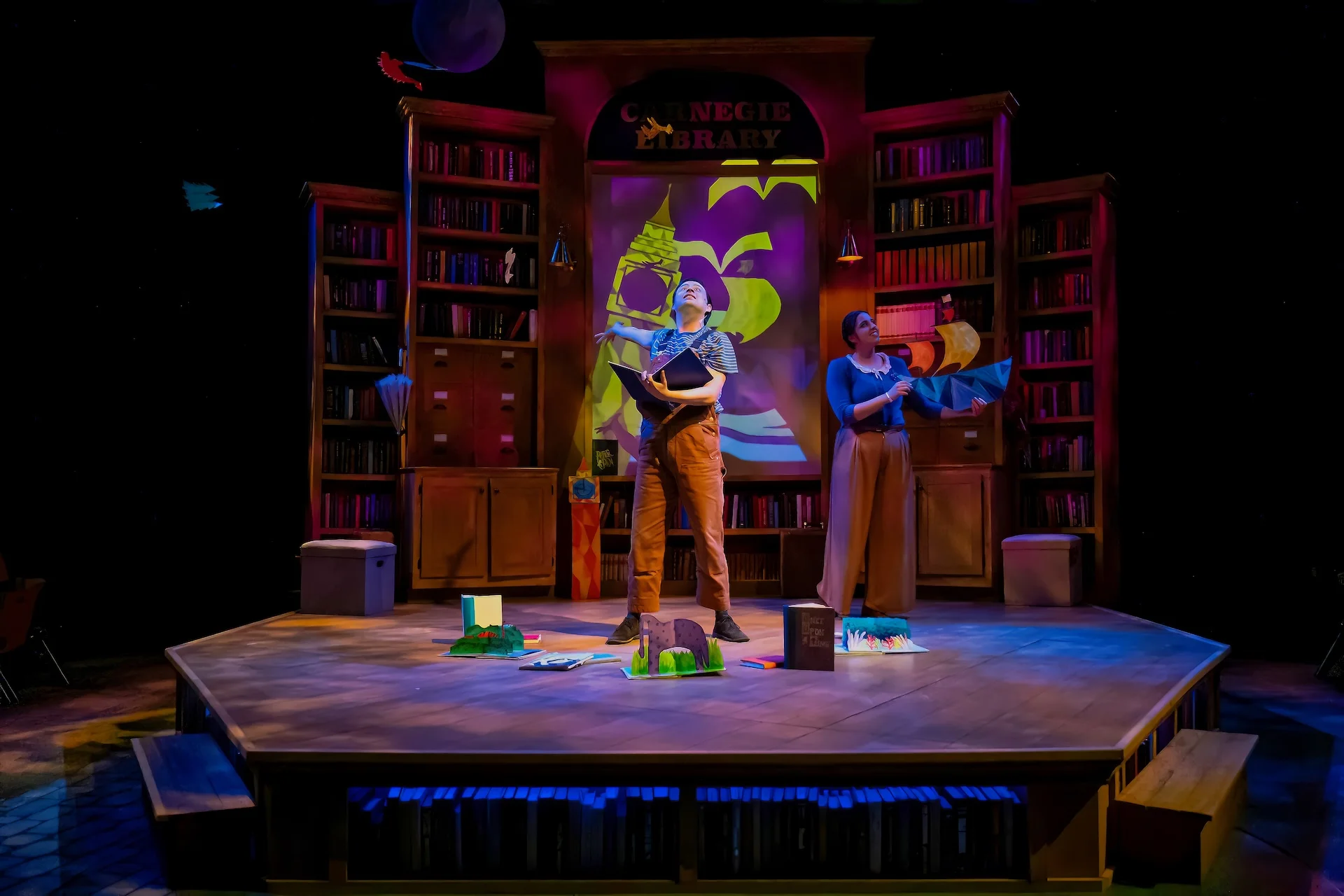
His relationship with The Glass Menagerie reflects that evolving philosophy. He has designed the play three separate times, each version shaped by different tools, different production realities, and a changing understanding of memory and storytelling. The play remained the same. The designer did not.
Brandon PT Davis is a scenic designer exploring the intersection of storytelling, technology, collaboration, and spatial design, in this edition of PROFILES.
Growing up in central Missouri, I always had the sense that I wanted to be an artist. One of my earliest memories is drawing a picture of myself as an artist for a first-grade assignment. Creativity was also present at home — my mother was involved in community theatre, and my younger sister participated as well. Being around rehearsals and performances made the arts feel like a natural part of everyday life.
By middle school, I became fascinated with the film October Sky and briefly imagined studying aerospace engineering. That interest in structure, problem-solving, and scale eventually led me back to theatre and film design in high school, where I realized I could apply those instincts in a more expressive way.
What continues to drive me today is collaboration. I am energized by working within creative teams and by balancing multiple projects with artists and producers in different parts of the country. The spark that began as a childhood desire to make art has evolved into a professional practice focused on storytelling through space and on the belief that meaningful design emerges through shared imagination.
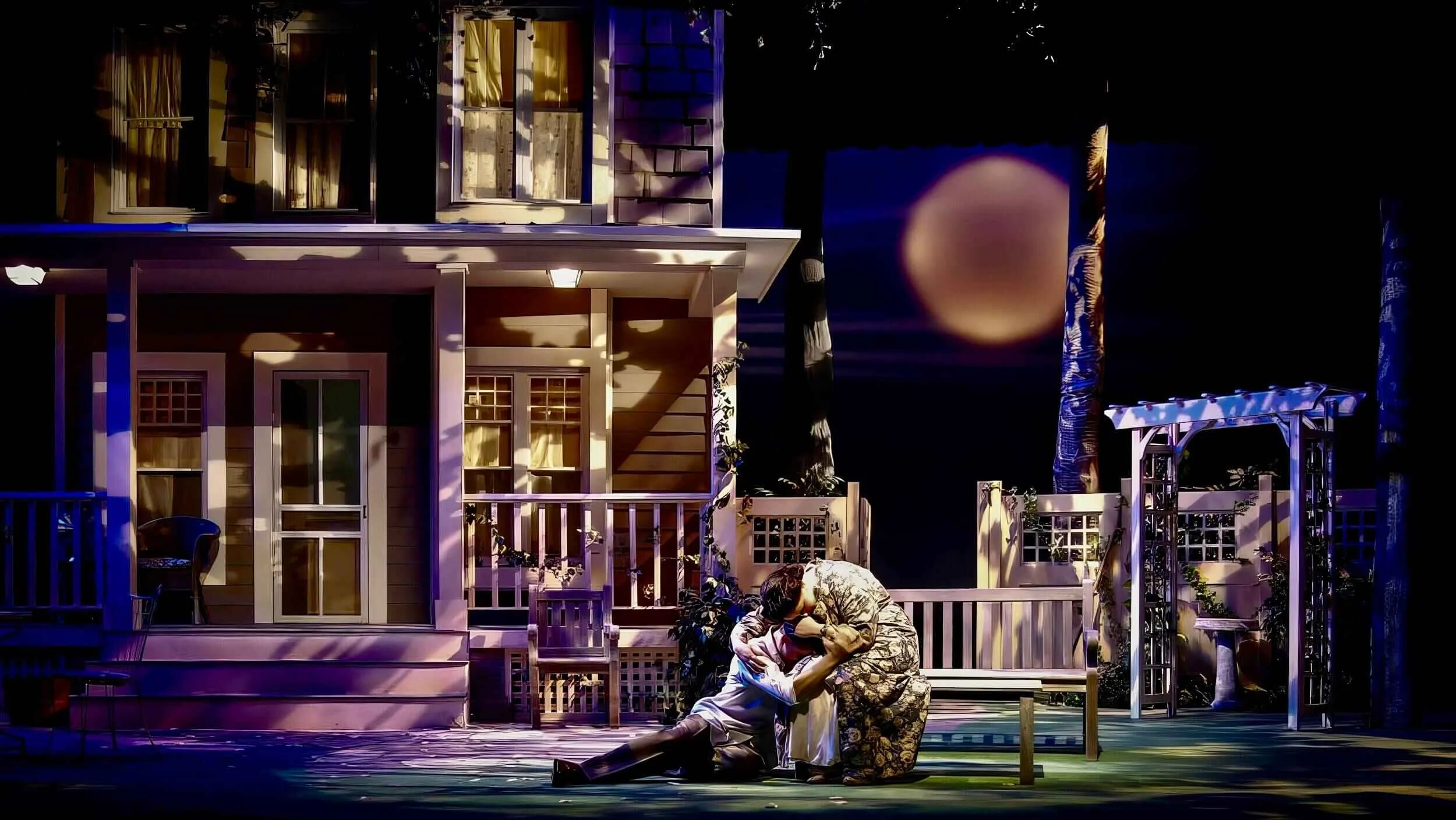
One of the most meaningful projects in my career has been returning to design The Glass Menagerie at different moments in my life. As an undergraduate, I was deeply influenced by playwrights like Tennessee Williams, William Inge, and Arthur Miller. It felt personally significant to study at institutions connected to both Williams and Inge in my hometown region of Missouri.
In 2012, I designed The Glass Menagerie for Okoboji Summer Theatre using green scenic tones and pink rose imagery, with scrim walls that could dissolve to reveal the streets of St. Louis. When I revisited the play in 2016 at Western Summer Theatre, production constraints required a more restrained approach, and the design shifted toward subtle pink and blue rose patterns that hinted at Laura’s inner world.
Most recently, designing the play again at Maples Repertory Theatre allowed me to explore Williams’ original projection cues in a new way. Without ideal conditions for projection, I created large-scale printed fabric “memory walls” — collaged fragments of Tom and Laura’s past. Revisiting the same story over time has shown me how changing tools, resources, and personal perspective continually reshape how we interpret and stage memory.
My creative process, much like my work, is always evolving. One thing I strongly believe is that designers should study other designers. If you follow a small group of artists over a long period of time, you begin to notice “seasons” in their work recurring interests in color, texture, or structure — followed by moments when everything shifts and something new emerges. Watching that evolution can be incredibly inspiring and reassuring.
For me, research sits at the center of the process. I often tell my students that design is similar to mathematics — you have to show your work. Every choice should have intention and support the storytelling. When I begin collaborating with a director, I spend a significant amount of time discussing the ground plan. Performers need to feel secure and supported in the space, and scenery should never become an unnecessary obstacle.
I think of the set as a living canvas. Entrances, pathways, and levels help shape rhythm, power dynamics, and movement. Inspiration can arrive unexpectedly, but it becomes meaningful when it is grounded in research, collaboration, and purposeful spatial design.
One idea that has stayed with me comes from David Bowie: the belief that if you feel completely safe in your work, you may not be pushing far enough. I have always tried to approach design with a balance in mind — allowing most decisions to be grounded in craft, research, and collaboration, while leaving room for a smaller portion that feels genuinely uncertain or risky. That tension keeps the work alive.
In scenic design, practical realities such as budgets, labor, and time constraints are constant considerations. These factors can easily encourage safe solutions. Learning how to navigate those limitations while still preserving a sense of artistic edge has been one of the most important challenges in my growth. It requires both strategic thinking and creative resilience.
Another challenge has been knowing when to step outside familiar professional circles. I value long-term collaborations and have been fortunate to build lasting relationships with many artists and directors. At the same time, continuing to grow has meant seeking new environments, new perspectives, and new opportunities. Expanding my network has not only strengthened my artistic voice, but has also allowed me to build a more sustainable and forward-looking career.
Inspiration, for me, rarely comes from a single source. Scenic design rewards curiosity about architecture, painting, fabrication, fashion, technology, and performance. I have always felt comfortable operating as a kind of “jack-of-all-trades,” because the work itself demands that breadth. What inspires me can feel random in the moment, yet it almost always becomes relevant once it finds its way into the design process.
Working as an assistant scenic designer has also been an education in craft. Designers like Tom Buderwitz demonstrate how precision in trim profiles and architectural detailing can shape storytelling onstage. Similarly, Jo Winiarski’s sensitivity to texture and her thoughtful approach to metalwork continue to influence how I consider materiality. Observations like these inform the way I develop surfaces, edges, and structural language in my own work.
I am also inspired by Derek McLane’s bold color sensibility and minimalist approach. His work shows how restraint can create theatrical focus — how a single chromatic choice or simplified spatial gesture can carry emotional weight. In my designs, that influence appears as a balance between reduction and specificity, editing the environment so performers can move with clarity while still inhabiting a visually rich world. Ultimately, inspiration emerges as synthesis.
Theatre design has always evolved alongside human innovation. Since the earliest written records of performance, designers have drawn on the most advanced technologies of their time. In ancient Greece, devices such as the mechane allowed actors to appear to fly. Renaissance discoveries in linear perspective transformed scenic painting and stage architecture. The Industrial Revolution introduced gas and later electric lighting, reshaping how environments could be defined through visibility and mood. In the twentieth century, projection, automation, and digital drafting tools again expanded the possibilities of scenic storytelling.
In recent years, one of the most dynamic shifts has been the rapid development of visualization technology. Real-time rendering engines, parametric modeling, and increasingly intuitive design platforms have enabled designers to communicate spatial ideas with greater clarity and speed. These tools have also changed collaboration, allowing directors, producers, and technical teams to engage with design concepts earlier in the process.
Today, artificial intelligence represents another important evolution — not as a replacement for designers, but as a powerful augmentation of creative practice. By assisting with coding, automation, workflow organization, and data-driven visualization, AI enables designers to focus more fully on conceptual thinking and storytelling. Theatre designers are increasingly becoming hybrid creative technologists.
From an American perspective, building a sustainable career in the arts is rarely straightforward. Financial pressure, student debt, and the search for stability can make it easy to drift into work that pays the bills but does little to advance creative growth. At the same time, many communities are experiencing a shortage of designers. Opportunities do exist, but they often require persistence, flexibility, and a willingness to stay engaged even when the path feels uncertain.
Some of the most meaningful decisions in my own career came from focusing on work I genuinely cared about. I spent time in jobs that left me unfulfilled, and while those experiences built resilience, they also clarified the importance of aligning professional choices with creative identity. Passion alone is not enough, but when combined with skill, visibility, and consistency, it can gradually open doors.
I am reminded of casting director Rich Cole’s observation that people rarely leave this industry dramatically — they step away because other paths feel easier or more predictable. That reality does not diminish the value of the arts; it highlights the importance of commitment. If you stay present, continue developing your craft, build relationships, and make your passion visible, you can create a meaningful and lasting place for yourself.
They often say the best scenic designs are the ones that go unnoticed — not because they lack impact, but because they support storytelling so seamlessly that the audience never questions the world onstage. I believe there is truth in that. When a design allows performers to move with confidence and the narrative to unfold clearly, it becomes part of the production’s emotional architecture.
At the same time, there is a unique satisfaction in hearing a collective audience reaction — a moment of surprise or delight that signals the visual environment has helped unlock something powerful in the story. Interestingly, unsuccessful design is often discussed more openly, usually when execution does not align with intention. This is why understanding the capabilities of a production team and the realities of available resources is essential. Strong ideas must be grounded in practical collaboration.
Ultimately, I hope my work connects with people by creating spaces that feel purposeful, evocative, and supportive of the performers’ journey. Scenic design is not only about visual impact; it is about building trust — with directors, actors, technicians, and audiences. Over time, the goal is cohesion: environments that help audiences feel something deeply, even if they cannot immediately explain why.
Support artists—share this
Off-Book is the Skene newsletter for artists and makers. Profiles, opportunities, and editorials, free. New subscribers also receive the 2026 Performing Arts Survival Guide.
We use cookies to optimize our website and our service functionalities.