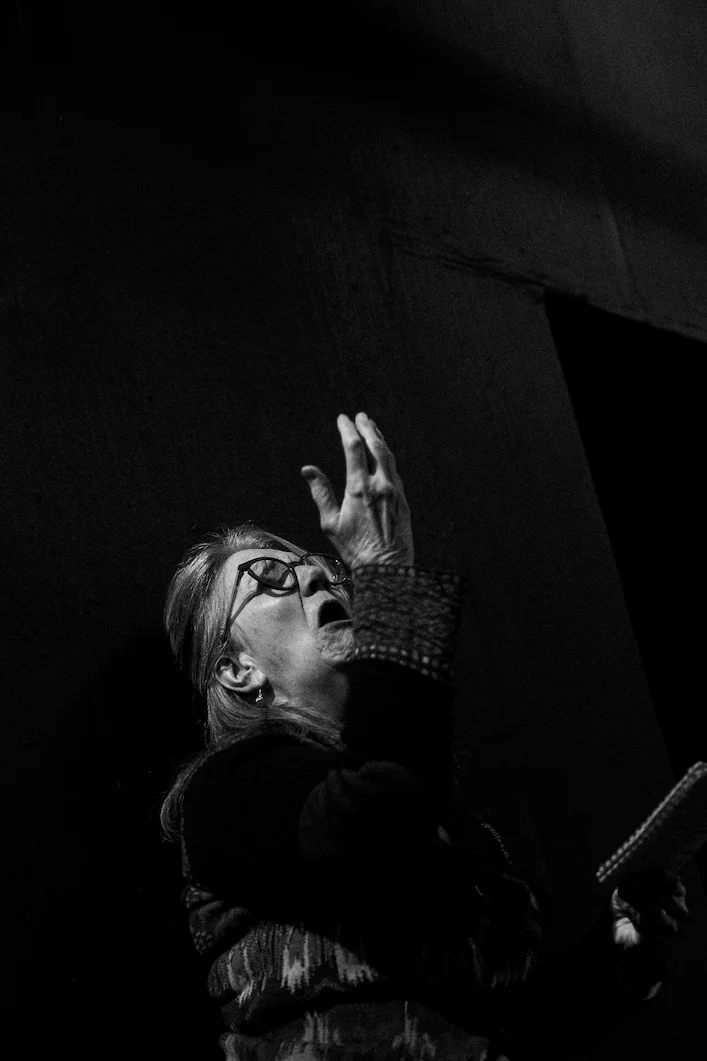
Gretchen Ugalde: I Am Their American Dream.
Scenic designer and emerging artist whose work builds worlds rooted in personal history, cultural identity, and a deep respect for the audience’s time.

Scenic designer and emerging artist whose work builds worlds rooted in personal history, cultural identity, and a deep respect for the audience’s time.

Demystify opera auditions from screening to callback. Learn how audition processes work and what companies look for at each stage.

Mexican singer and actress Sofía Montaño shares the artistry, discipline, and family legacy that shaped her journey to Cirque du Soleil.

Lily Bulman asks Helen Garcia-Alton, Tina Torbey, and Nia Banks the most personal question in theatre — what brought you here and keeps you coming back?

Explore alternative theatre training paths beyond MFA programs, from conservatories and apprenticeships to workshops and self-directed study.
Opera auditions can feel like black boxes. You submit materials, maybe get invited to audition, sing for a panel, and then wait. Often you never hear back. The process seems designed to keep you in the dark about what’s actually happening and why decisions get made the way they do.
This guide demystifies opera auditions from application to offer, explaining what happens at each stage, who’s making decisions, and what companies are looking for. Whether you’re preparing for your first professional audition or trying to understand why callbacks don’t always lead to contracts, this breakdown offers transparency about a process that too often feels opaque and inaccessible.
Most professional opera auditions follow a multi-stage process: application and screening, preliminary audition, callback, and offer. Not every company uses all stages, and structures vary, but understanding the typical pipeline helps you navigate it with less confusion.
Companies use multiple stages to manage volume. Major opera houses receive hundreds or thousands of applications for limited opportunities. Preliminary screenings narrow the field to singers worth hearing live. Callbacks allow deeper evaluation of finalists. Each stage filters candidates based on different criteria.
Large international opera houses, regional companies, and young artist programs structure auditions differently. Big houses might have more formal, bureaucratic processes. Smaller companies may be more informal. Young artist programs often include additional assessment like coachability or ensemble fit.
U.S. and European systems also differ. American companies often use agents and formal audition seasons. European houses may rely more on direct relationships and ongoing scouting. Neither system is better; they just operate differently.
Timelines stretch longer than you expect. From application to offer can take weeks or months. Companies are coordinating casting across multiple productions, waiting for budget approvals, and juggling complex schedules. Patience is required.
Not all auditions follow the same structure, and that’s normal. Flexibility and adaptability matter as much as vocal preparation.
Applications typically require a resume, professional headshot, repertoire list, and audio or video recordings. Some companies request specific materials or use standardized platforms. Follow instructions precisely; screeners notice when you don’t.
Preliminary screening involves review committees, artistic staff, music directors, or a combination. They’re listening for vocal quality, technical security, musicality, and whether your voice and repertoire match current casting needs.
Screeners assess whether you’re ready for professional work at their level. They’re not looking for perfection but for singers who can handle the roles they need to cast, work collaboratively, and deliver consistent performances.
Video submissions are increasingly common. Some companies prefer video because it shows stage presence and physicality. Others still accept audio-only. Quality matters; invest in decent recording equipment or hire a professional if possible.
Why don’t most applicants advance past screening? Volume is the main reason. A company might receive 500 applications for 20 audition slots. They’re also casting specific roles, so even talented singers in the wrong fach or with inappropriate repertoire won’t advance.
Prepare materials that accurately represent your current abilities. Don’t submit recordings from five years ago or repertoire you can’t consistently deliver. Honesty serves you better than inflated credentials.
Realistic expectations help. Screening pass rates are low, often under 10%. Not advancing doesn’t mean you’re not good; it means you weren’t what they needed right now.
Preliminary auditions are brief, often just a few minutes. You’ll sing one or two arias, sometimes only 30-90 seconds of each before being stopped. The panel includes artistic directors, music directors, casting directors, and sometimes conductors or stage directors.
They’re assessing vocal technique, musicality, stage presence, and professionalism. Can you sing the role you’re proposing? Do you show artistic commitment? Are you easy to work with? First impressions matter.
Typical time limits range from 5-15 minutes total, including introductions. You might prepare four arias but sing only one. The panel has heard enough to make a decision quickly; this isn’t rudeness but efficiency.
Panels often decide immediately who advances or deliberate briefly after hearing all candidates. Sometimes they announce callbacks on the spot; other times you wait days or weeks.
After auditions, send brief thank you notes if you have contact information, but don’t overdo follow-up. The decision is already made, and excessive contact feels desperate rather than professional.
Managing nerves is critical. Preliminary auditions are high-pressure by design. Preparation, breathing techniques, performance routines, and treating each audition as practice rather than life-or-death all help.
Video auditions became standard during the pandemic and remain common. Companies use them for initial screenings, sometimes as substitutes for live preliminaries, or when singers can’t travel for in-person auditions.
Technical requirements vary but generally include high-quality audio, clear video framing that shows your face and upper body, and minimal editing. Simple, honest recordings outperform over-produced videos that feel artificial.
Evaluators look for the same vocal standards as live auditions: technique, musicality, interpretive depth. Stage presence reads differently on video; intimacy and subtlety sometimes work better than projected performance energy.
Common mistakes include poor audio quality that distorts your voice, awkward framing that cuts off your head or shows too much empty space, and heavy editing that makes the performance feel disconnected from reality.
Video auditions offer advantages: you can record multiple takes, control lighting and acoustics, and avoid travel costs. Disadvantages include missing the energy of live performance, difficulty conveying charisma through a screen, and technological barriers for singers without resources.
Prepare video auditions that present you authentically. Choose settings that feel professional but not sterile. Wear what you’d wear to a live audition. Sing as if the panel is in the room with you.
Callbacks mean serious interest. The company wants to hear more, see how you work with direction, or assess fit for specific roles. It’s not a guarantee of an offer but a significant step forward.
Callbacks typically allow more time, sometimes 15-30 minutes. You’ll sing more repertoire, possibly work with a coach or director on staging, and have conversations about your availability, artistic interests, and approach to roles.
The full artistic team usually attends: artistic directors, music directors, principal conductors, stage directors, and sometimes general managers. They’re making final casting decisions and need collective agreement.
You might be asked about schedule availability, preparation time needed for specific roles, interest in particular repertoire, or willingness to cover roles. Answer honestly. Misrepresenting your readiness creates problems later.
Callbacks are two-way evaluations. You’re assessing whether you want to work with this company, whether the roles interest you, and whether the culture feels supportive. Pay attention to how you’re treated and whether the environment feels respectful.
Callbacks don’t always lead to offers. Companies might be comparing multiple singers for one role, waiting for budget approval, or casting a complex puzzle where one decision affects many others. Don’t take it personally.
Prepare differently for callbacks than preliminaries. Review any feedback from the preliminary round, prepare more repertoire thoroughly, and be ready for more in-depth musical and dramatic work.
Offers can come days or months after auditions. Most companies need time for budget approvals, schedule coordination, and finalizing casting for multiple productions. Waiting is frustrating but normal.
Decisions take time because opera casting is complex. One role affects casting for other productions. Budgets require administrative approval. Contracts need legal review. None of this reflects on you.
Offers typically come via phone call, email, or through your agent if you have one. Companies usually provide production details, performance dates, rehearsal schedules, and compensation in initial offers.
If you don’t hear back, it usually means no. Most companies don’t send rejection notices due to volume. Silence after four to six weeks generally indicates they’ve moved forward with other singers. This isn’t personal; it’s logistical.
Managing multiple audition processes simultaneously requires organization. Track deadlines, hold dates when offered, and communicate clearly with all parties. Honesty about your situation prevents burning bridges.
Contract negotiations vary by company. Larger houses have standardized contracts with little flexibility. Smaller companies might negotiate fees, travel arrangements, or specific role assignments. Know what’s reasonable to discuss versus what’s fixed.
Stay professional even when disappointed. The opera world is small. How you handle rejection and maintain relationships affects future opportunities as much as your singing.
Vocal technique and artistry are foundational. Can you sing the role safely and beautifully? Do you bring musicality and interpretive depth? Technical security matters more than flashy high notes or dramatic gestures.
Repertoire readiness and appropriate fach casting are critical. Companies need singers who can deliver specific roles immediately or with reasonable preparation time. Proposing repertoire beyond your current capacity backfires.
Professionalism, reliability, and collaborative spirit matter enormously. Opera is ensemble work requiring cooperation, punctuality, receptiveness to direction, and collegiality. Difficult singers, no matter how talented, get passed over.
Stage presence and dramatic commitment separate competent singers from compelling performers. Can you inhabit a character? Do you engage audiences? Technical excellence without emotional truth feels hollow.
Coachability and willingness to take direction show growth potential. Companies want singers who listen, adapt, and bring ideas while respecting directorial vision. Rigidity or defensiveness raises concerns.
“Fit” factors into decisions: whether your voice type matches current needs, whether you balance the ensemble, whether your artistic sensibilities align with company culture. Fit isn’t about worthiness; it’s about the right match at the right time.
Talented singers get rejected constantly. It’s rarely personal. Casting is a puzzle involving vocal types, dramatic chemistry, schedule availability, budget constraints, and artistic vision. Any piece not fitting doesn’t mean it lacks value.
Auditions assess current readiness for specific roles, not your ultimate potential. Rejection today doesn’t predict your entire career. Keep developing, stay professional, and trust the process.

Opera auditions follow structured processes designed to manage high applicant volume and assess singers for specific casting needs. Understanding these stages reduces anxiety and helps you prepare strategically.
Rejection at any stage reflects timing, fit, and company needs, not your worth or talent. Even exceptional singers face far more rejections than offers. Persistence, professionalism, and ongoing vocal development matter more than any single audition outcome.
View auditions as opportunities to practice performing under pressure, build relationships, and learn about different companies. Each audition teaches you something, whether or not you get cast.
The process is challenging and often opaque, but transparency helps. Knowing what happens behind closed doors lets you approach auditions with more confidence and less fear. Keep singing, keep auditioning, and keep developing your artistry. The right opportunities will come.
Support artists—share this
Off-Book is the Skene newsletter for artists and makers. Profiles, opportunities, and editorials, free. New subscribers also receive the 2026 Performing Arts Survival Guide.
We use cookies to optimize our website and our service functionalities.