
TOOLKIT.

Everything you need to
make, see, and survive
the performing arts.

Practical guides for artists, students,
audiences, and organizations worldwide.

Performance does not happen without the people who know how to make it work. Skene Toolkit exists for them: the designer sourcing materials on a limited budget, the emerging artist navigating their first audition, the company trying to reach an audience beyond their existing community. These guides span the practical life of the performing arts, from training and career decisions to production tools, programming choices, and the stages where work gets made around the world. Below, you will find them organized into Threads: curated collections assembled by our editors and by practitioners in the field, each one asking what it actually takes to build a life in performance.

Theatre Attendance and Audience Experience.

Picture of by SKENE STAFF

by SKENE STAFF

Editorial team

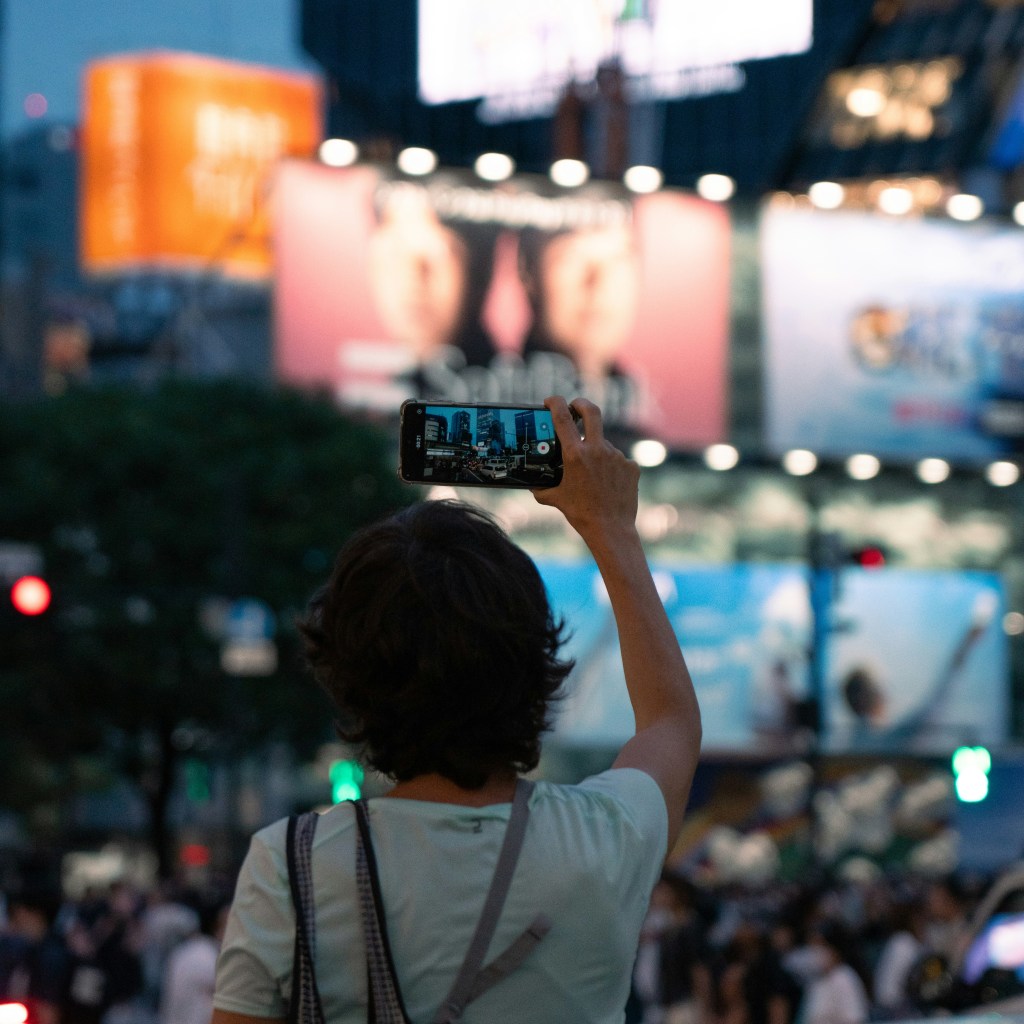
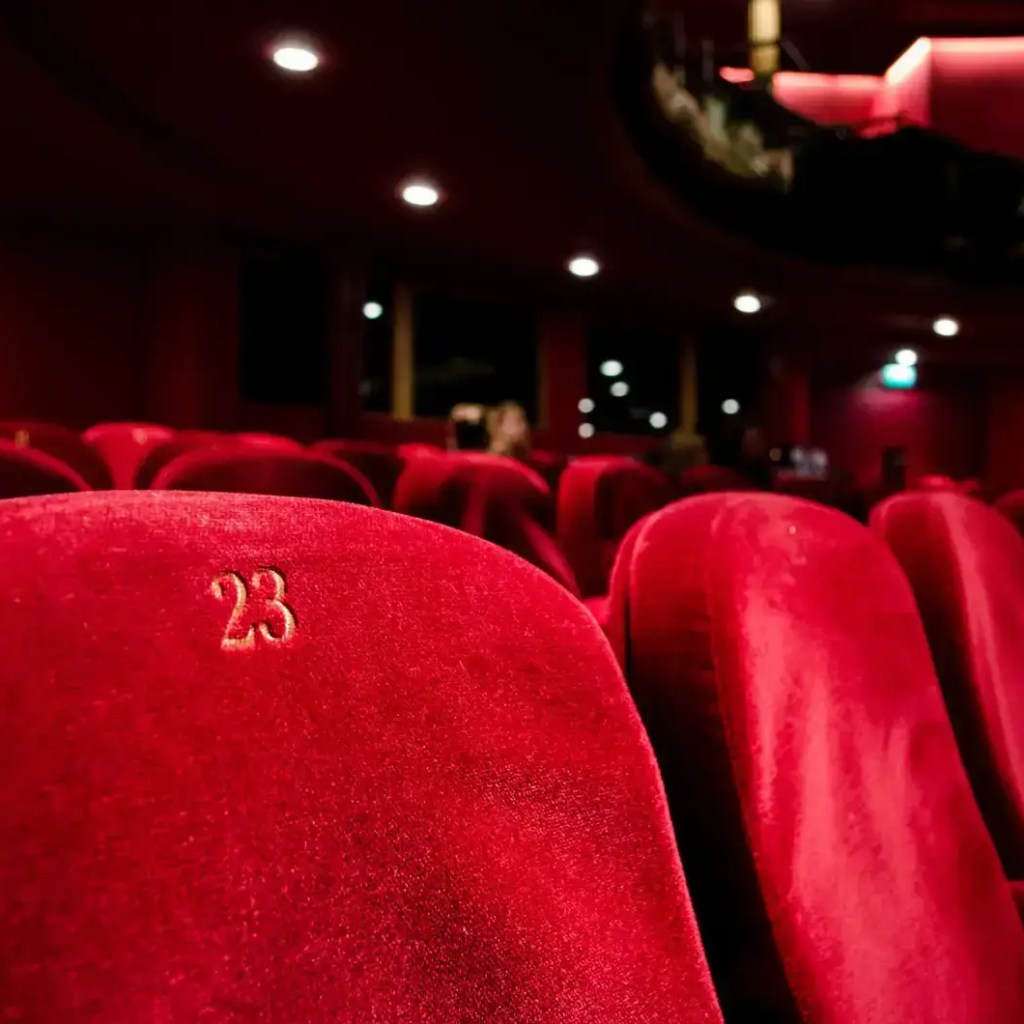
Going to the theatre is its own kind of practice. Where you sit shapes what you hear, what you see, and how close the performance feels. How you arrive shapes what you carry into the room. These guides exist for anyone who wants to engage with live performance more fully: audiences navigating a new venue, first-time theatregoers finding their footing, and seasoned ticket holders who never knew there was more to know. The experience of performance begins long before the lights go down. These guides start there.

Join over 34,000 artists. Get the weekly briefing.

And get our free 2026 Performing Arts Survival Guide.

Conference Season: GATHERING IN the Field.

Picture of by JOSAFATH REYNOSO

by JOSAFATH REYNOSO

Scenographer

The performing arts industry does not gather often enough. When it does, something shifts. Conversations that have been happening in fragments, across social media and late-night messages between collaborators in different cities, suddenly have a room.

Conferences are where the field takes stock of itself: where emerging practitioners meet the people whose work shaped their training, where the next collaborations begin as offhand remarks over bad coffee. Imperfect, sometimes exhausting, and almost always worth it.

These guides cover the gatherings that matter most, from major industry conferences to regional networks building their own spaces for connection. First-timers and returning alike.

Producing Work on a Budget.

Picture of by SKENE STAFF

by SKENE STAFF

Editorial team

Making performance on a limited budget is not about cutting corners. It is about knowing where to put your resources and how to stretch them. These guides are practical and specific: the best affordable lighting gear for a black box, the tools every community theatre shop should own, how to build a home studio without breaking the budget, the sound equipment worth investing in when every dollar counts.

They are written for designers, companies, and independent artists who are already doing the work and need clear, honest information to do it better. Each guide addresses a real production challenge with straightforward recommendations and no assumptions about what you can afford. No filler. Just what works, what it costs, and how to get there. Because resourcefulness is not a compromise. It is a skill.

Plays, Readings, and Producing centering diversity.

Picture of by SKENE STAFF

by SKENE STAFF

Editorial team

What gets produced shapes what gets written. What gets written shapes what gets seen. And what gets seen shapes who believes the stage has room for them.
These guides gather plays, readings, and programming recommendations centered on voices that have historically been underrepresented on stage: Indigenous writers, Latinx playwrights, Black dramatists, and emerging voices redefining what contemporary theatre looks like and who it speaks to. They are written for companies making programming decisions, directors building seasons, and artists looking for work that challenges inherited assumptions about whose stories belong in the repertoire. The canon is not fixed. These guides are one way into the conversation about what comes next.

Auditions, Training, and Career Skills.

Picture of by SKENE STAFF

by SKENE STAFF

Editorial team

Training is where a practice begins, but it is rarely where it ends. The artists who build lasting careers in performance are the ones who keep learning after the degree, after the first job, after the first decade. The field changes. The work changes. And the practitioners who stay in it longest are almost never the ones who stopped asking questions about how to do it better.

These guides support that ongoing development at every stage of a career: audition preparation, training pathways, graduate programs assessed honestly and without promotional language, and financial literacy for freelance practitioners. They are written for students just entering the field and for working artists reassessing where they are and where they want to go. The performing arts reward preparation. The most prepared artists are not always the most talented. They are the ones who kept showing up, and knew what they were walking into.

Promotion, Visibility, and Audience Building.

Picture of by SKENE STAFF

by SKENE STAFF

Editorial team

Making the work is only part of the job. Getting it in front of the right people is the other part, and for most independent artists and small companies it is the harder one. These guides address the practical side of visibility: social media strategies that actually build audiences, financial tools for freelance practitioners, screenwriting and production software worth investing in, and communication approaches that work for organizations of every size. They are written for artists who are serious about their work and want to be equally serious about how it reaches the world. Because the best production in the world means very little if no one knows it is happening, and building an audience is a practice, not an accident.

STAGES AROUND THE WORLD.

Picture of by SKENE STAFF

by SKENE STAFF

Editorial team

Performance happens everywhere. In converted warehouses and national opera houses, in cities with thriving independent scenes and in places the industry rarely thinks to look. These guides map the stages worth knowing: the venues, the companies, and the theatre cultures that are doing the most interesting work right now, wherever in the world that work happens to be taking place.

Have a story worth telling?

A project, a company, an artist you think we should know about? We want to hear from you!

TOOLKITS gather practical guides and recommendations that may rotate over time as resources are updated. Some TOOLKITS may include curated recommendations or affiliate links.

BACKSTAGE PASS

Master Your 2026 Career.

Get our free Survival Guide for Actors, Directors, and Designers.