
Emilio Bastré: Fragile Enough for a Strong Connection.
Emilio Bastré is a Mexican actor and member of the Compañía Nacional de Teatro whose work lives at the intersection of freedom and craft.


Emilio Bastré is a Mexican actor and member of the Compañía Nacional de Teatro whose work lives at the intersection of freedom and craft.

Six essential plays by Black British playwrights that American theatres should be producing — from Natasha Gordon to debbie tucker green.

Meet Mexican lighting designer Victor Zapatero, whose work blends observation, emotion, and creative intention. Discover his artistic philosophy.

Actor and playwright whose work moves between personal honesty and theatrical confrontation, building stories that leave no edges sanded down.

Scenic designer and Skene founder on community, mentorship, and building a creative career, in conversation with Mitzi Avila of Creative Blueprints.

Disclosure: Some links in this article may be affiliate links. If you make a purchase through them, we may earn a small commission at no additional cost to you. These links help support the work behind Skene.
So, You’ve Discovered Stop-Motion and Now You’re Obsessed?
There’s something undeniably fascinating about stop-motion animation: how ordinary objects and figures come to life, frame by frame; how it creates movement out of stillness. You don’t get bored with it. Whether you’ve stumbled across a behind-the-scenes video of Coraline, grew up on Wallace & Gromit, or just experimented with a stop-motion app on your phone, chances are you’re now hooked.
The best part? You don’t need a grand studio or highly expensive equipment to get started. Stop-motion animation coaxes its best qualities from resourcefulness, creativity, and patience. You’ll need a few basic tools and a little space, and you can set up your very own animation studio at home. The next tutorial will guide you through what you need for a home stop-motion studio-from camera to lighting to software-so you can, at some point, focus on bringing your stories to life one frame at a time.
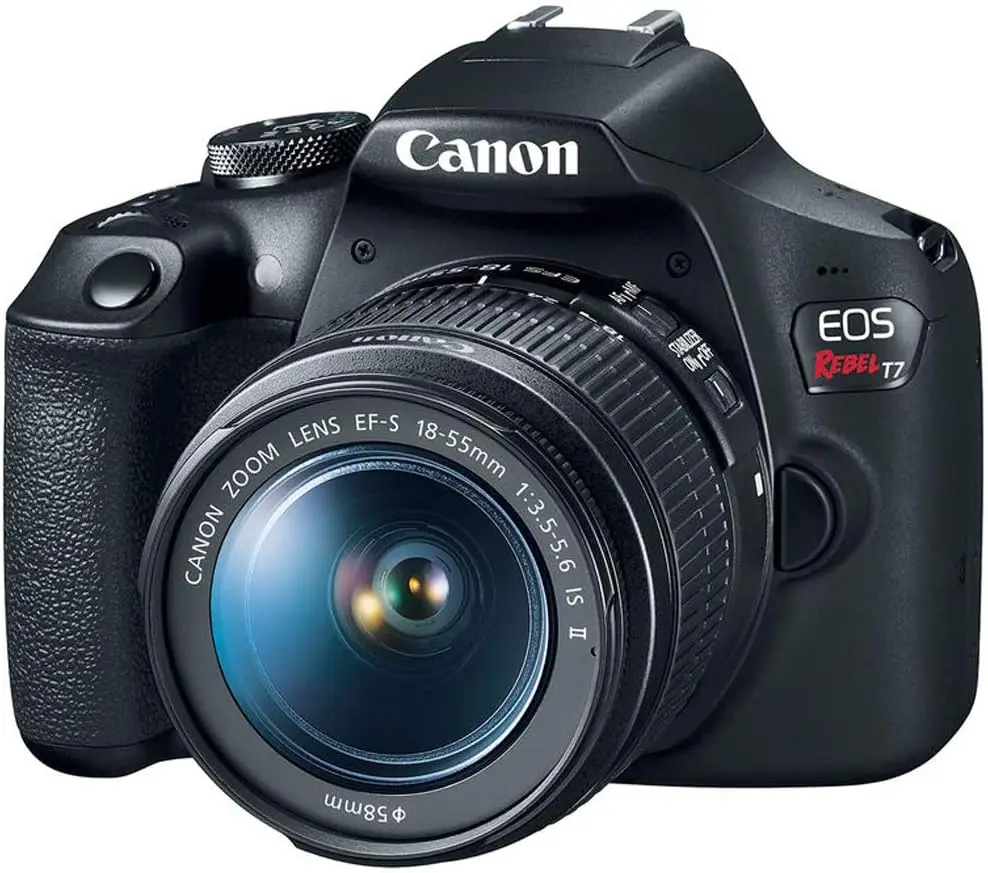
A good camera is the very foundation of any stop-motion setup. While smartphones will work in a pinch, a DSLR or mirrorless camera with manual settings offers better image quality and much more control. The Canon EOS Rebel T7 is a favorite among beginners and works seamlessly with stop-motion software like Dragonframe.
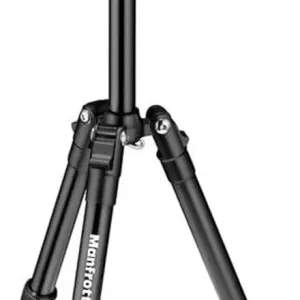
Stop-motion requires perfection down to the last frame. Any slight movement of the camera is basically an automatic reshoot, and for that reason having an excellent tripod with a ball head mount is crucial. The Manfrotto Compact Action Tripod would be great as it offers decent stability and flexibility for framing your shots.4
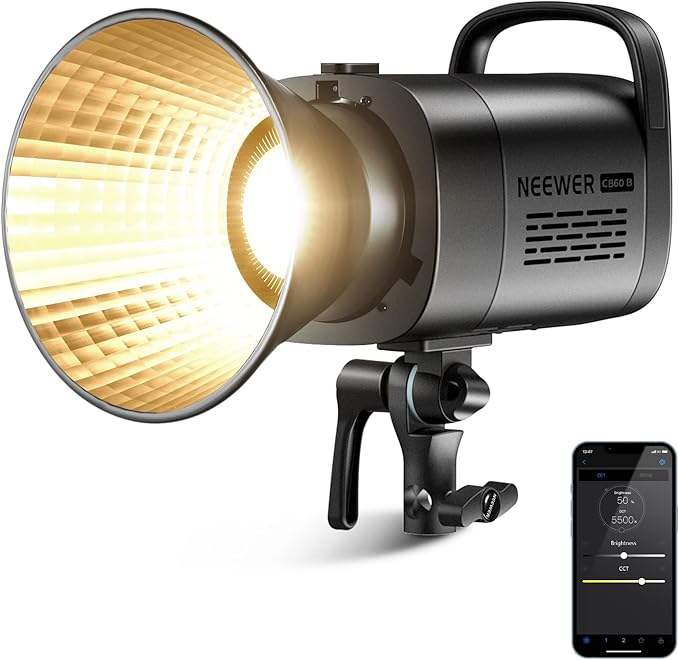
The lighting in stop-motion is important for setting the mood and obtaining smooth, flicker-free animation. LED softbox lights or desk lamps with adjustable brightness provide controlled illumination. The Neewer 660 LED Video Light boasts a range of brightness and color temperature for a targeted setup.
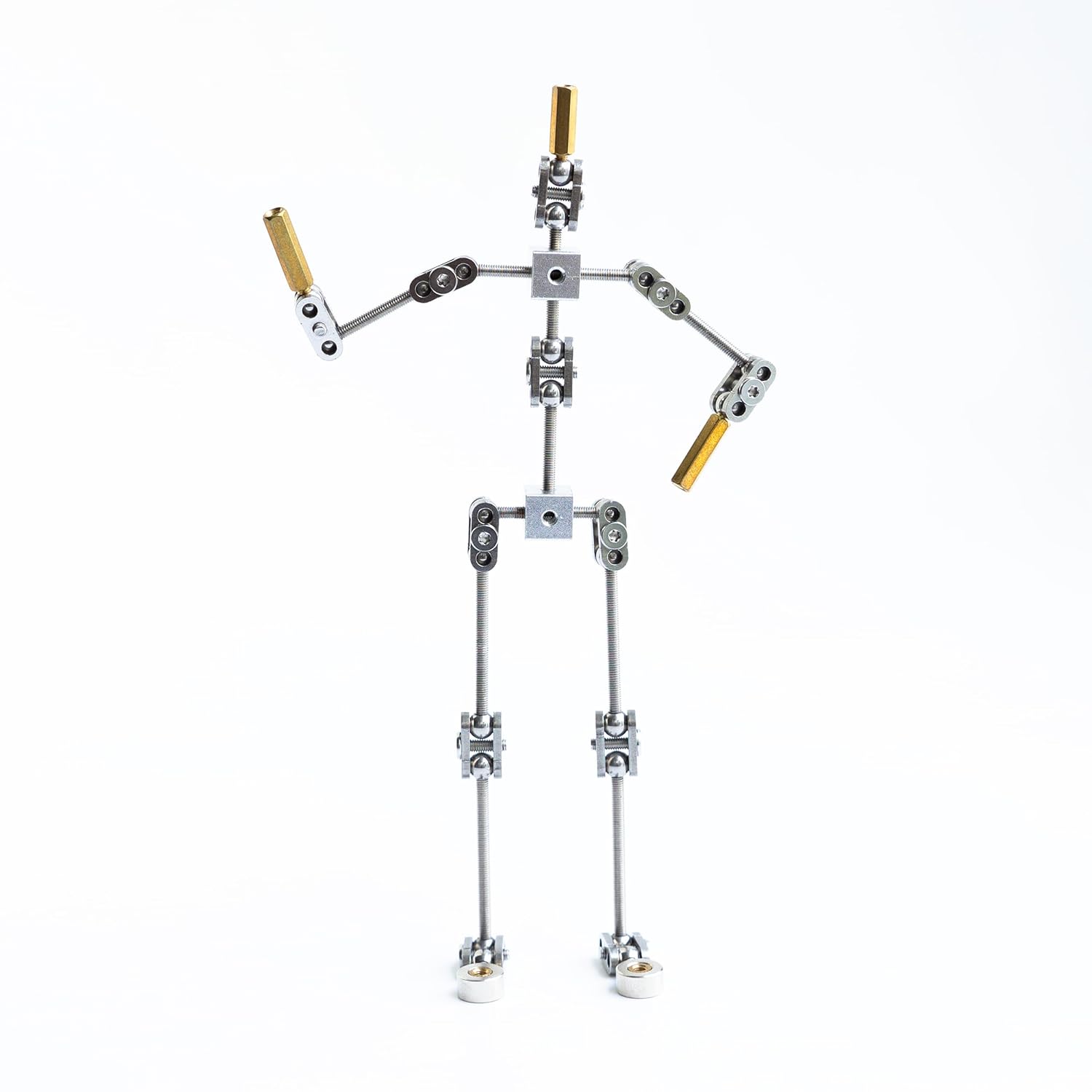
Your animation will need some characters. It could be moldable clay such as Sculpey, posable wire puppets, or LEGO minifigures. Keep it simple and experiment with different materials as you develop your skills.
A well-designed set makes all the difference. For simple backgrounds, colored poster boards or fabric backdrops will do. For more control, the Foldio3 Portable Studio provides a neat professional setup for miniature environments.
To capture and sequence your frames, you’ll need some stop-motion animation software. The industry standard is Dragonframe, utilized in most major studios because of the powerful frame-by-frame control. If you’re just starting out, Stop Motion Studio is a great beginner-friendly option.
Stop-motion is an art form that rewards patience, creativity, and experimentation. You don’t need the biggest budget or the fanciest equipment-just a good idea and the willingness to bring it to life one frame at a time.
So now, go build that tiny studio, start animating, and never stop pushing your creativity forward. Whether you’re making quirky shorts, cinematic epics, or surreal experiments, your next masterpiece starts right here!
Support artists—share this
Off-Book is the Skene newsletter for artists and makers. Profiles, opportunities, and editorials, free. New subscribers also receive the 2026 Performing Arts Survival Guide.
We use cookies to optimize our website and our service functionalities.