Latest posts.

Get Featured or Publish with Skene!

Classic Plays by Black Playwrights Every Theatre Should Know.

South Coast Rep A Raisin in the Sun, 2023, source: Jenny Graham.

Disclosure: Some links in this article may be affiliate links. If you make a purchase through them, we may earn a small commission at no additional cost to you. These links help support the work behind Skene.

There is no American theatrical canon without Black playwrights. That sentence should not need saying, and yet the programming history of most regional theatres suggests otherwise. The works gathered here are not additions to the canon or welcome expansions of it. They are foundational to it. They shaped the form, pushed the language, redefined what drama could ask of an audience, and did so at a time when the industry itself was actively working against the artists who created them.

Lorraine Hansberry. Amiri Baraka. Ntozake Shange. August Wilson. Suzan-Lori Parks. Alice Childress. These names belong in the same breath as O’Neill, Williams, and Miller, and in many cases they wrote more urgently and more honestly than their celebrated contemporaries. The plays below are essential works of dramatic literature that belong on every season’s shortlist, in every conservatory syllabus, and on every stage that takes storytelling seriously.

If your company has not produced these plays, now is the time. If you have, consider producing them again. The work does not age. The conversation it demands never closes.

A Raisin in the Sun

A Raisin in the Sun

A Raisin in the Sun by Lorraine Hansberry

When Lorraine Hansberry’s masterwork opened on Broadway in 1959, it was the first play by a Black woman to reach that stage. More than six decades later, it remains one of the most produced and most taught plays in the American repertoire, and for good reason. Set in a cramped Chicago apartment on the South Side, it follows the Younger family as they navigate grief, aspiration, racism, and the relentless pressure of a society designed to limit them. The play works simultaneously as domestic drama, social critique, and deeply humane storytelling. Every character carries contradiction. No one is a villain or a saint. Hansberry wrote it from lived experience, drawing on her own family’s fight against housing discrimination, and that specificity gives the play a moral weight that never softens. It is a play about what it costs to dream in America, and what it costs not to.

Cast Requirements: 10 performers. 4M Black, 3F Black, 1M White, 2 supporting any gender/race. No musical requirements. Single interior set.

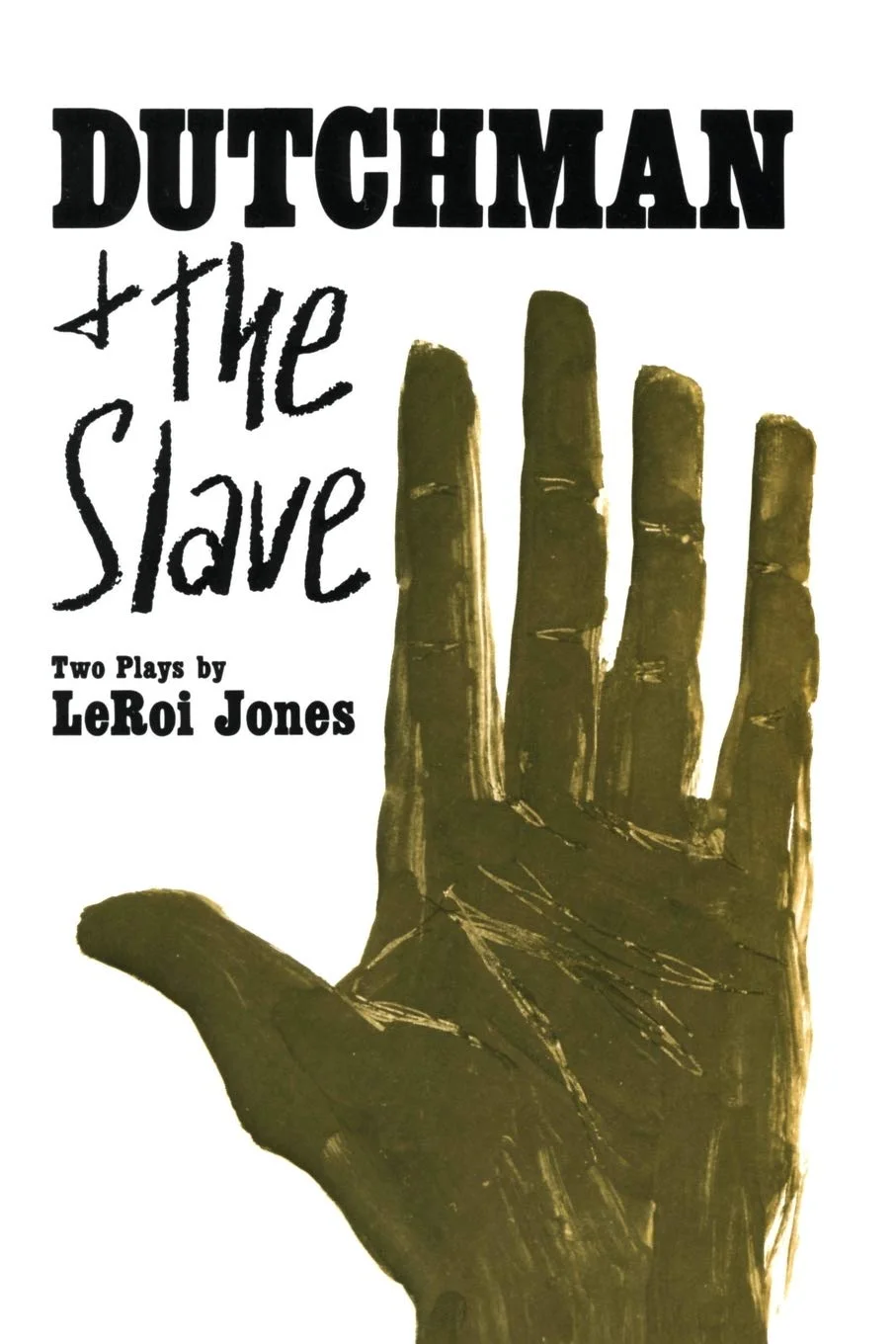
Dutchman

Dutchman

Dutchman by Amiri Baraka

First performed in 1964, Dutchman is one of the most compressed and explosive plays in the American theatre. Set entirely in a New York City subway car, it unfolds as a confrontation between Clay, a young Black man, and Lula, a white woman who initiates a seduction that spirals into provocation, violence, and allegory. Baraka, writing under the name LeRoi Jones, packs a full reckoning with race, identity, power, and the price of assimilation into a single one-act, and does so with a language that is at once poetic and weaponized. The play won the Obie Award for Best American Play and remains one of the defining texts of the Black Arts Movement. It is challenging, deliberately uncomfortable, and formally audacious. Directors who take it seriously will find in it a vehicle for conversations that most theatres still struggle to have honestly.

Cast Requirements: 2 principal performers + optional silent ensemble. 1M Black (Clay), 1F White (Lula). No musical requirements. Minimal set. Runs 45–60 minutes. Ideal for black box and studio spaces.

For Colored Girls Who Have Considered Suicide

For Colored Girls

For Colored Girls Who Have Considered Suicide / When the Rainbow Is Enuf by Ntozake Shange

Ntozake Shange called this work a “choreopoem,” and the form is as radical as the content. First performed in 1976, it weaves together twenty poems spoken by seven Black women identified only by the colors they wear, moving through experiences of love, violence, loss, joy, and survival. There is no conventional plot, no named characters, and no apology for the ambition of what it asks from its performers and its audience. It is an act of testimony as much as it is a piece of theatre. The language is lyrical and raw, the structure challenges every convention of the well-made play, and the emotional range it demands of its performers is extraordinary. It was the second play by a Black woman to reach Broadway, following Hansberry, and it transformed the conversation about whose stories belong on a major stage. Producing it well requires a commitment to the text, to the movement, and to the lived reality it represents.

Cast Requirements: 7 performers. All female, all Black. Movement and dance are integral — choreographic collaboration required. No live band required. Minimal or abstract set recommended.

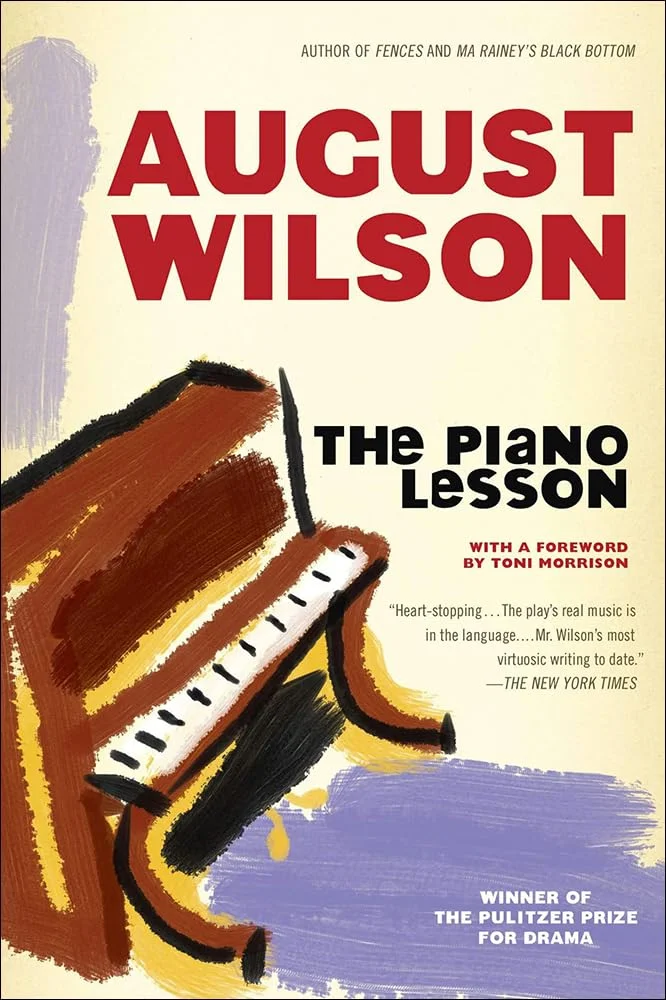
The Piano Lesson

The Piano Lesson

The Piano Lesson by August Wilson

Part of August Wilson’s ten-play Pittsburgh Cycle, each set in a different decade of the twentieth century, The Piano Lesson is set in the 1930s and centers on a conflict between a brother and sister over a family heirloom: an ornate piano carved with the faces of their enslaved ancestors. Boy Willie wants to sell it to buy the land where their family was once enslaved. Berniece refuses to let it go. What unfolds is a play about memory, inheritance, the cost of survival, and what it means to reckon with the past rather than escape it. Wilson’s dialogue carries the rhythms of blues and jazz without requiring them literally, and the play’s supernatural elements, handled with complete dramatic conviction, give it a resonance that operates well beyond realism. It is a demanding work that rewards serious production, and it remains one of the most emotionally powerful plays in the American repertoire.

Cast Requirements: 8–9 performers. 4M Black, 2F Black, 1 child (Black), 1–2M White (Sutter can be staged without visible actor). No musical requirements. Single interior set.

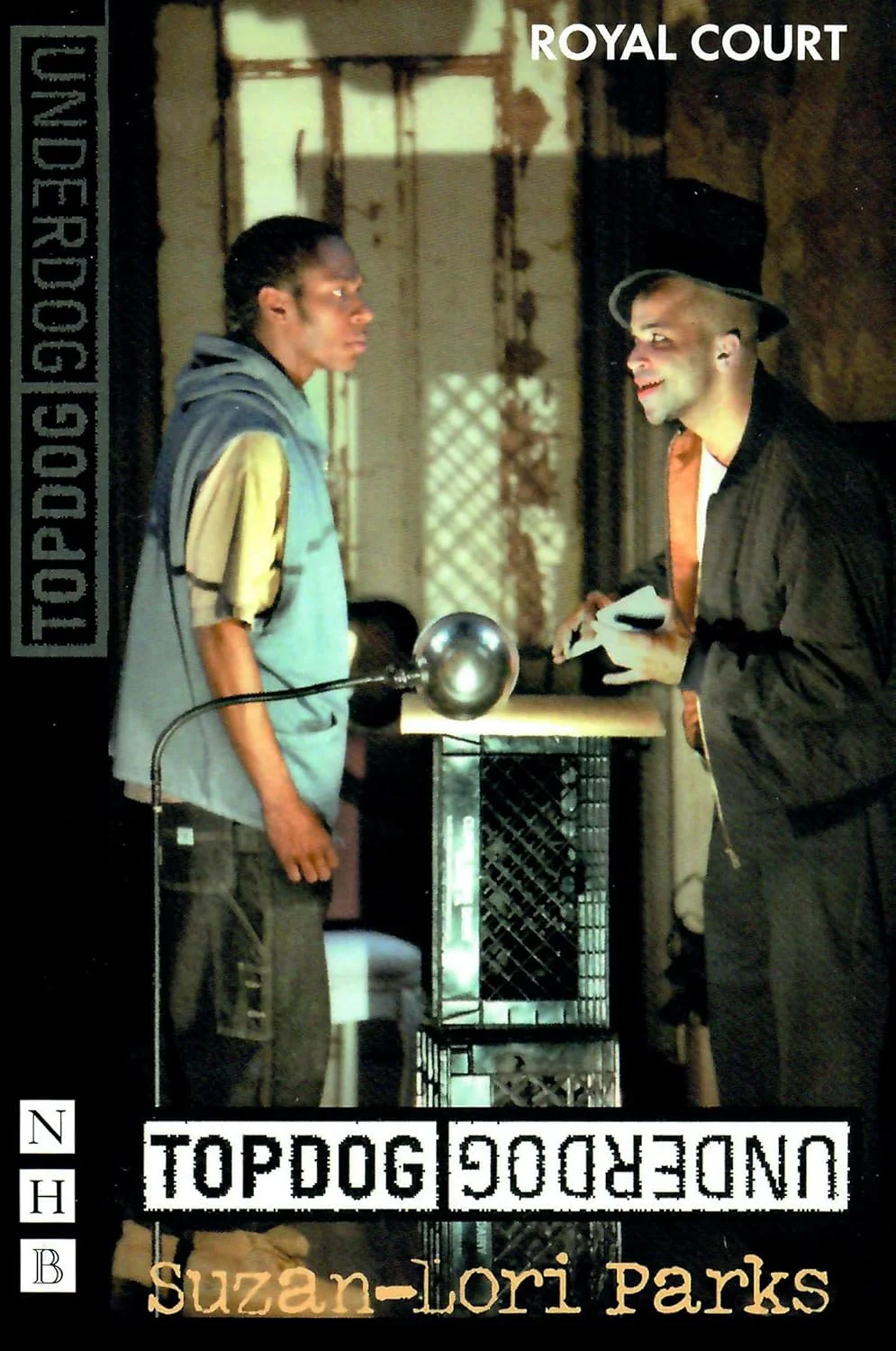
Topdog/Underdog

TopDog/Underdog

Topdog/Underdog by Suzan-Lori Parks

Suzan-Lori Parks won the Pulitzer Prize for Drama for this two-hander, and every word of it earns that recognition. Set in a dingy rooming house, it follows two brothers named Lincoln and Booth, who share a room and a history of hustle, failure, and competing survival strategies. Lincoln earns money at an arcade impersonating Abraham Lincoln and getting shot by customers. Booth is trying to master the three-card monte game that got them both into trouble. Parks layers American mythology, Black masculinity, the legacy of enslavement, and fraternal love and rivalry into a play that is as funny as it is devastating. The ending is one of the most shocking in contemporary drama, and it earns every ounce of its impact. For two actors willing to go all the way, this play is an extraordinary vehicle. For a company willing to produce it honestly, it is a statement about what theatre can do.

Cast Requirements: 2 performers. 2M Black (Lincoln, Booth). No musical requirements. Single interior set, minimal design. Ideal for black box and intimate mainstage. Runs approximately 1 hour 45 minutes.

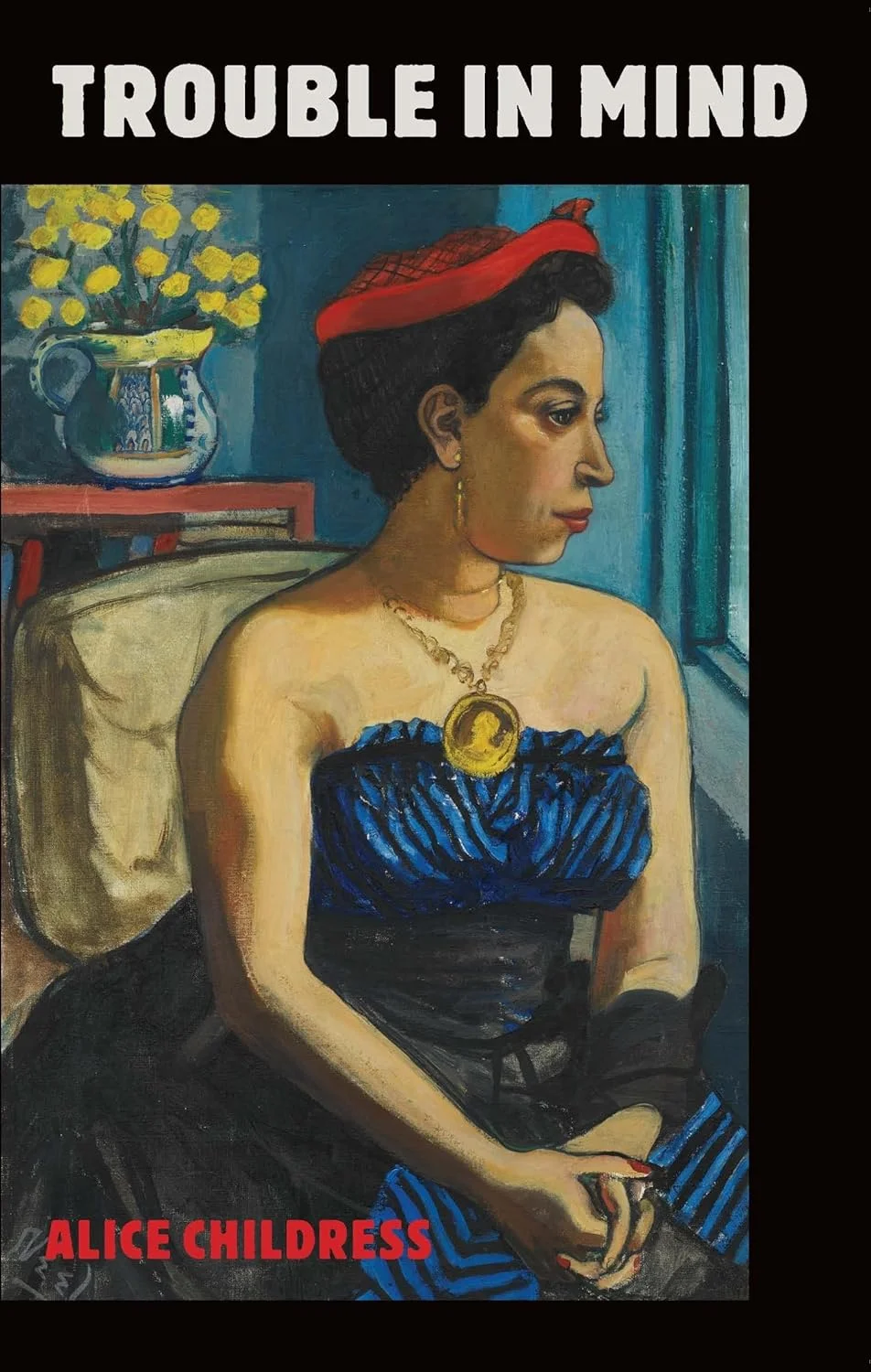
Trouble in Mind

Trouble in Mind

Trouble in Mind by Alice Childress

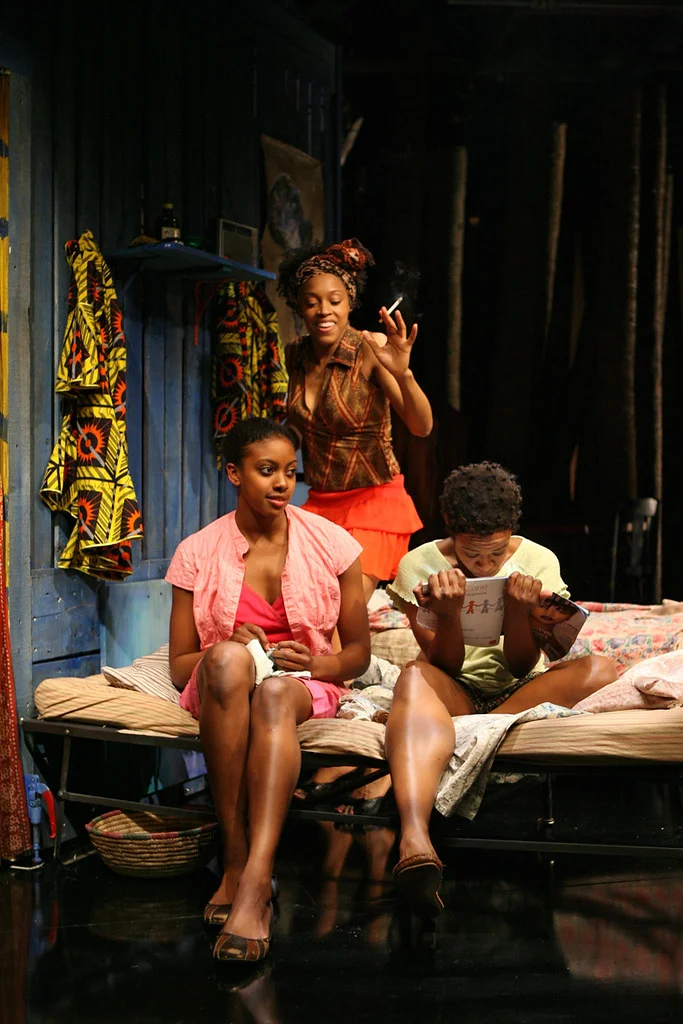
Written in 1955 and finally produced on Broadway in 2021, more than six decades after it was written, Trouble in Mind is a play about a play: specifically, about a Black actress named Wiletta Mayer who confronts the white director of a Southern drama about race as rehearsals expose the limits of his understanding and the cost of her silence. Childress, the first Black woman to have a play professionally produced in New York, wrote a work of devastating precision about race, power, and the theatre industry’s particular brand of liberal hypocrisy. The play is funny, sharp, and structurally sophisticated, using the play-within-a-play format to hold two realities in tension at once. That it took sixty-six years to reach Broadway is itself an argument the play was making all along. It is essential, urgent, and surprisingly entertaining.

Cast Requirements: 9 performers. Mixed race and gender ensemble: 3F (2 Black, 1 White), 5M (3 Black, 2 White), 1 supporting any gender. No musical requirements. Single rehearsal room set.

These six plays represent different eras, different forms, and different visions of what Black dramatic literature can do. What they share is an uncompromising commitment to truth, a mastery of craft, and a refusal to make their audiences comfortable at the expense of honesty.

Producing this work is not a gesture toward diversity. It is a recognition that these plays belong at the center of American theatrical culture, because they already are at the center of it, whether or not our programming reflects that. The question every artistic director, educator, and producer must ask is not whether these plays deserve a stage. They have already answered that question. The question is whether we are ready to give them the production they demand.

Add them to your season. Read them in your classrooms. License them for your community. The work is here. It has always been here.

Support artists—share this

Master Your 2026 Career.

Get our free Survival Guide for Actors, Directors, and Designers.

About the Author

Leave a Reply

Your email address will not be published. Required fields are marked *

partner content

Related Posts

BACKSTAGE PASS

Master Your 2026 Career.

Get our free Survival Guide for Actors, Directors, and Designers.