Kendall Bas: Reflections of Shared Humanity.
Kendall Bas is a Filipino scenographer whose work on La Perle and beyond treats every space as a stage where story and action meet.

Kendall Bas is a Filipino scenographer whose work on La Perle and beyond treats every space as a stage where story and action meet.

Josafath Reynoso PQ Symposium flash talk explores digital platforms as scenographic spaces, living archives, and sites of performance and collective memory.

Grabación del taller Estrategias para un CV en diseño escénico con SKENE, ENAT y UT Austin por el Día Mundial del Teatro 2026.

Martín Acuña blends creative strategy and storytelling as a performing arts marketer and host of the Broadway podcast Backstage Talk.

Explore EXPO SCÈNE with CITT ICTS and OFFSTAGE host Josafath Reynoso. A deep look at careers community and live performance in Canada.
Disclosure: Some links in this article may be affiliate links. If you make a purchase through them, we may earn a small commission at no additional cost to you. These links help support the work behind Skene.
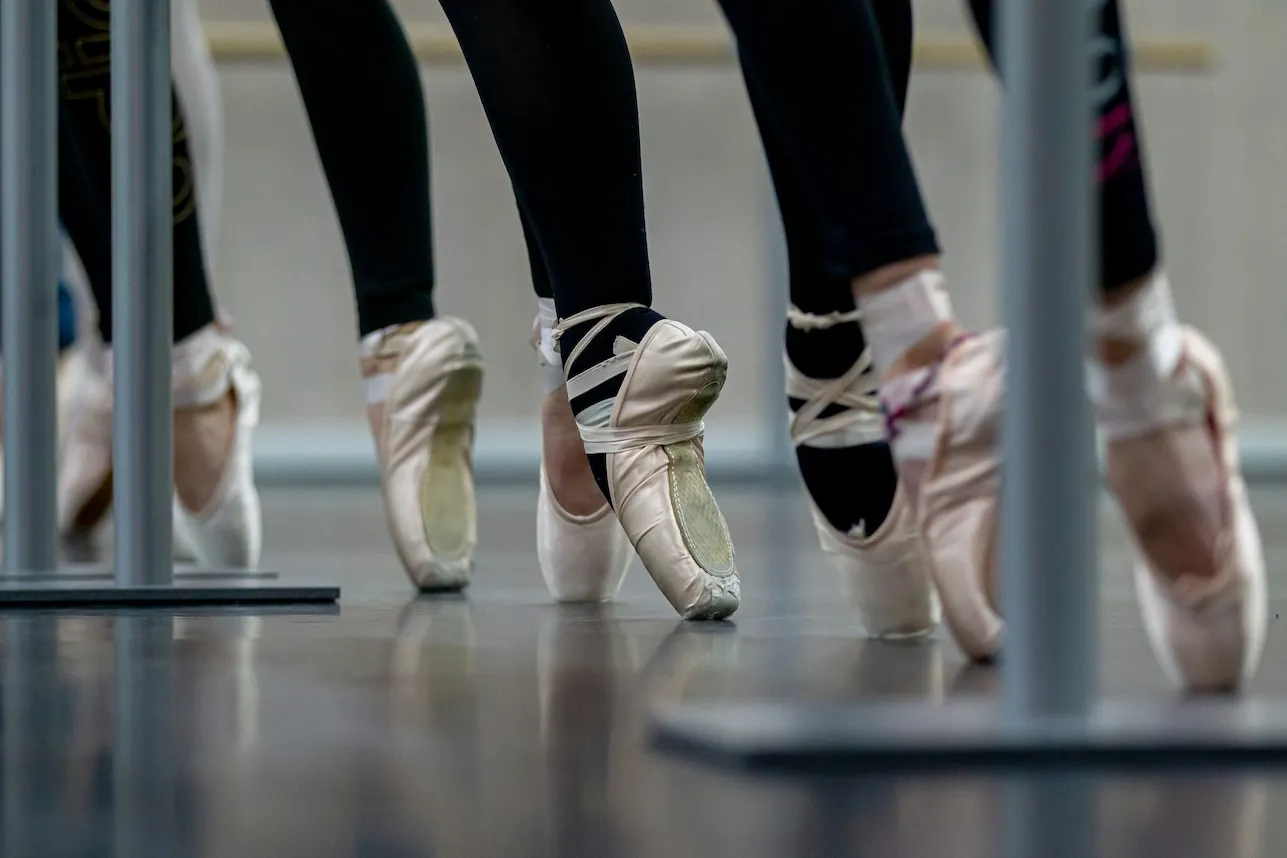
Starting ballet is both exciting and demanding. The right equipment does not make a dancer, but it does remove unnecessary obstacles. Beginner ballet gear should support proper alignment, protect the body, and allow dancers to focus on learning technique rather than fighting their tools. This guide outlines reliable, well reviewed ballet essentials for young dancers and beginners who want quality without jumping straight to professional level investments.
The selections below prioritize established brands, strong user feedback, and long term usefulness. These are not novelty items or costume pieces. They are practical tools that support real training and can grow with a dancer through early study.
These items form the foundation of daily ballet class. Fit, comfort, and consistency matter more than trends. Beginners should look for pieces that encourage correct placement and allow instructors to clearly see alignment.
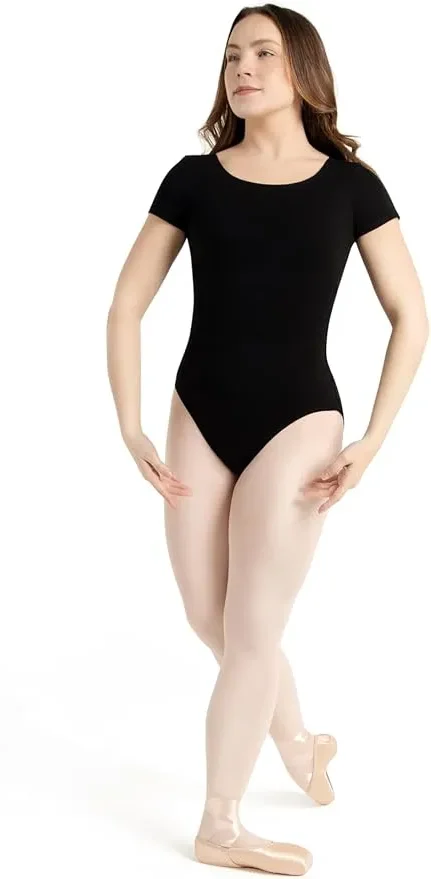
A dependable starter leotard from one of ballet’s most established brands. This design prioritizes clean lines, durability, and instructor visibility, making it well suited for beginners in structured training environments. The fabric offers enough compression to support posture and alignment without feeling restrictive, which is especially helpful for dancers still developing body awareness. The short sleeve cut provides light coverage while keeping shoulders and arms visible for correction.
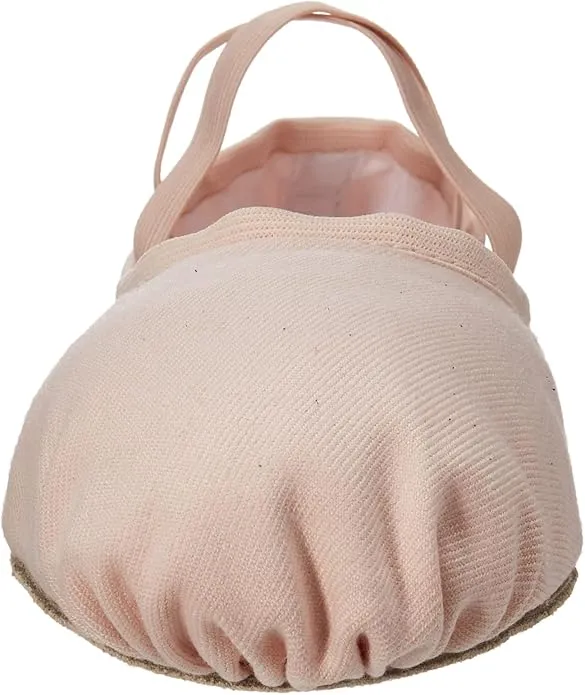
This stretch canvas slipper offers a lighter, more flexible feel while still maintaining the structure expected in a studio environment. The elastic canvas adapts closely to the foot, supporting natural movement and clean lines. It’s a good option for beginners who have built some foundational strength and are ready for increased responsiveness without sacrificing support.
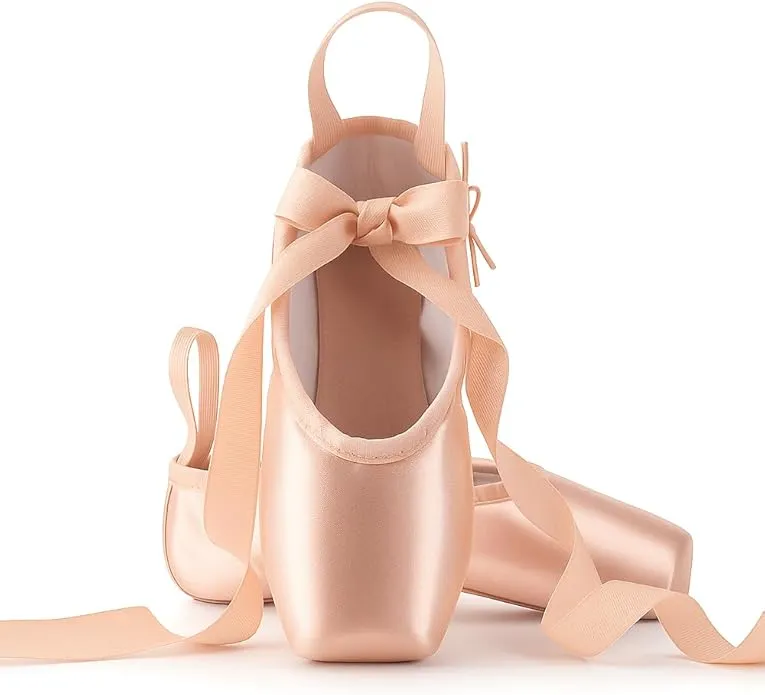
These pointe shoes are intended for dancers preparing to transition to pointe work under direct instructor supervision. They provide a more accessible entry point for late beginners who are still building strength and alignment. While not a substitute for professional fitting or teacher approval, they can serve as a stepping stone for understanding pointe mechanics before moving into higher-end professional models.
A small home setup can reinforce class learning and build confidence. These items support independent practice without requiring a full studio buildout.
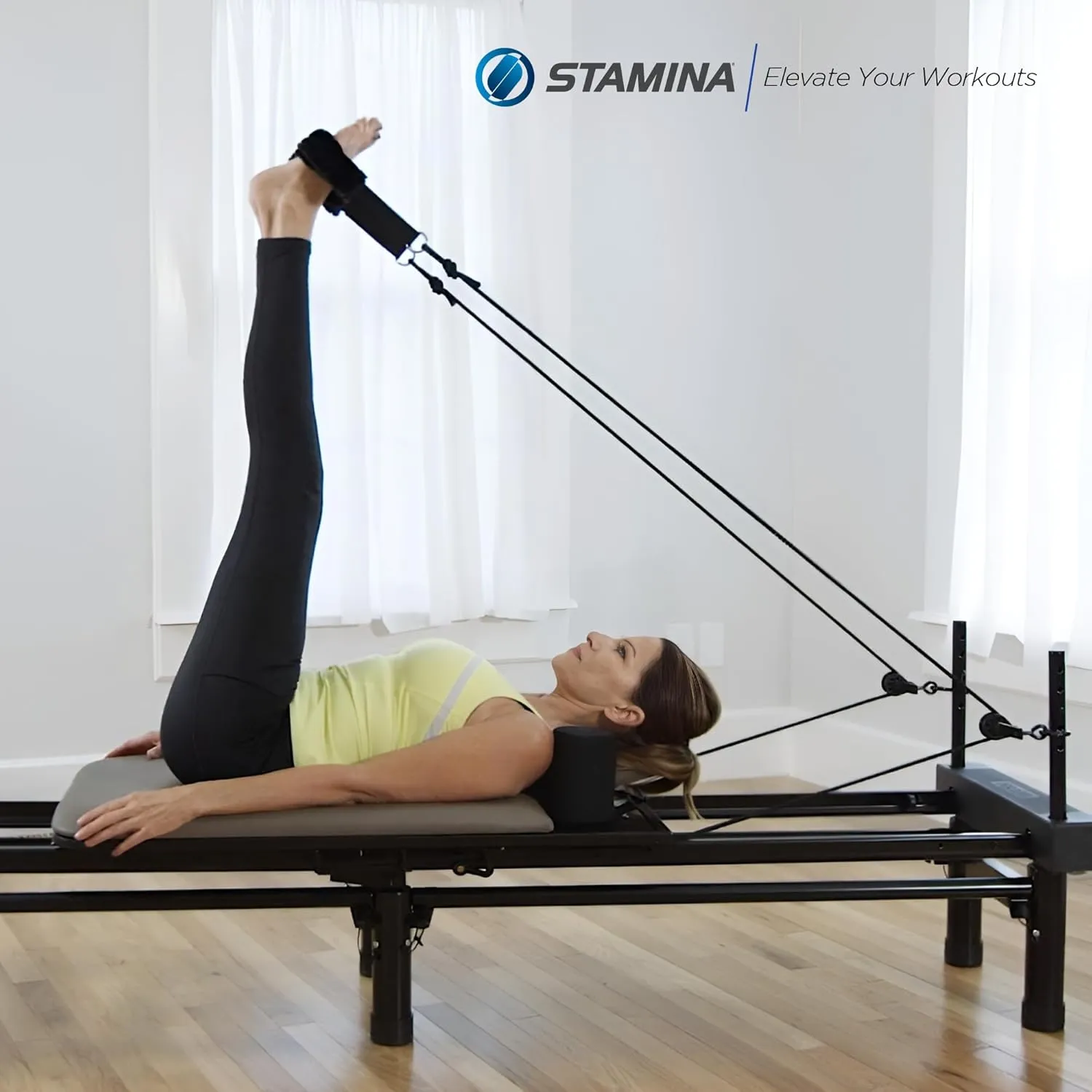
Pilates reformers are widely used by dancers to build core strength, improve alignment, and support injury prevention. This model offers a compact, at-home option for dancers who want to cross-train without committing to studio memberships. The resistance system supports controlled movement and precise muscle engagement, which complements ballet technique well.
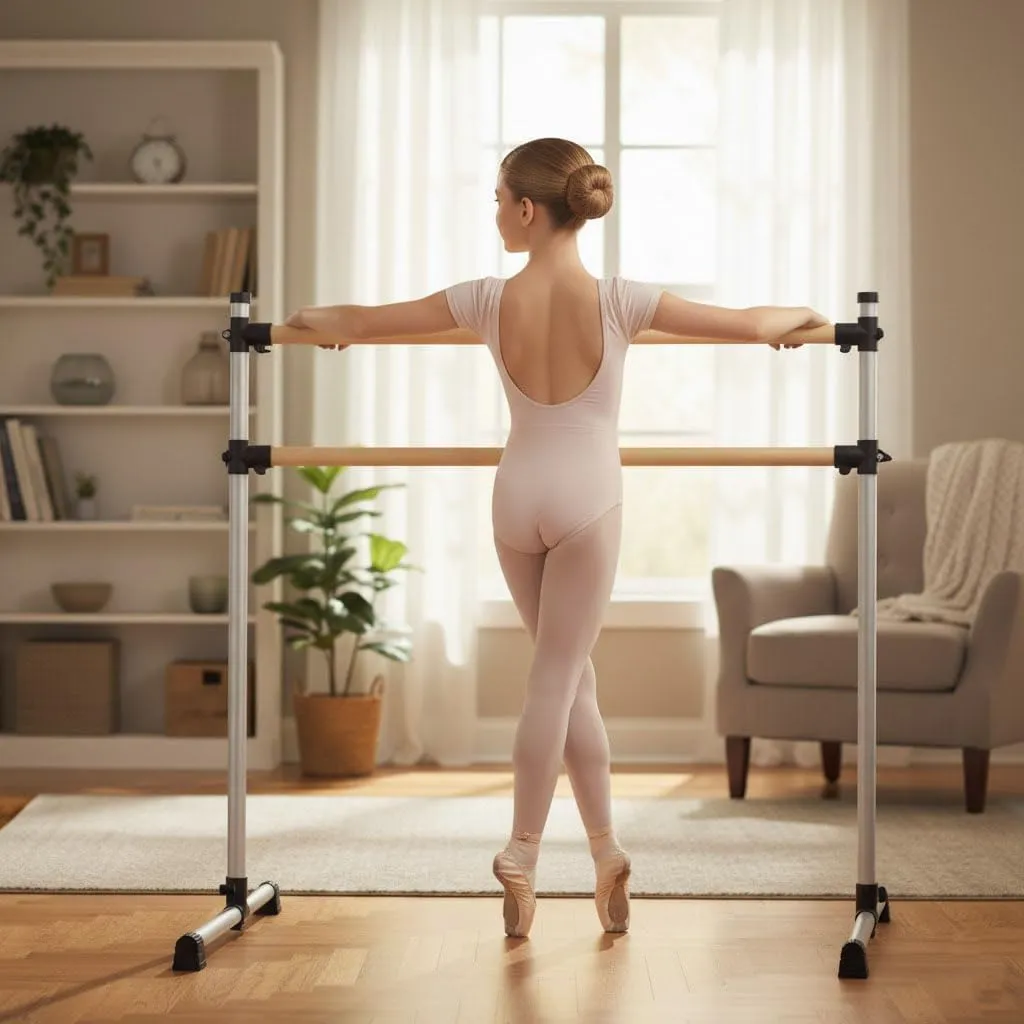
A portable barre provides structure and safety for at-home practice. This model offers stability without permanent installation, making it suitable for apartments or shared living spaces. It allows dancers to rehearse fundamentals such as pliés, tendus, and balances with proper support rather than relying on unstable furniture.
Ballet training is a long term commitment, and early choices matter. Investing in dependable beginner gear helps dancers develop good habits, reduces frustration, and supports physical well being. As technique advances, needs will change, but these essentials create a strong starting point.
For dancers building a more complete practice space, Skene’s guide on creating a home dance studio offers additional context and planning advice.
Support artists—share this
Get our free Survival Guide for Actors, Directors, and Designers.
We use cookies to personalize content, provide social media features, and analyze our traffic. You can manage your preferences or accept all.