Latest posts.

Get Featured or Publish with Skene!

Tianyun Lan: A Conversation With the World.

source: Xingrui Chen.

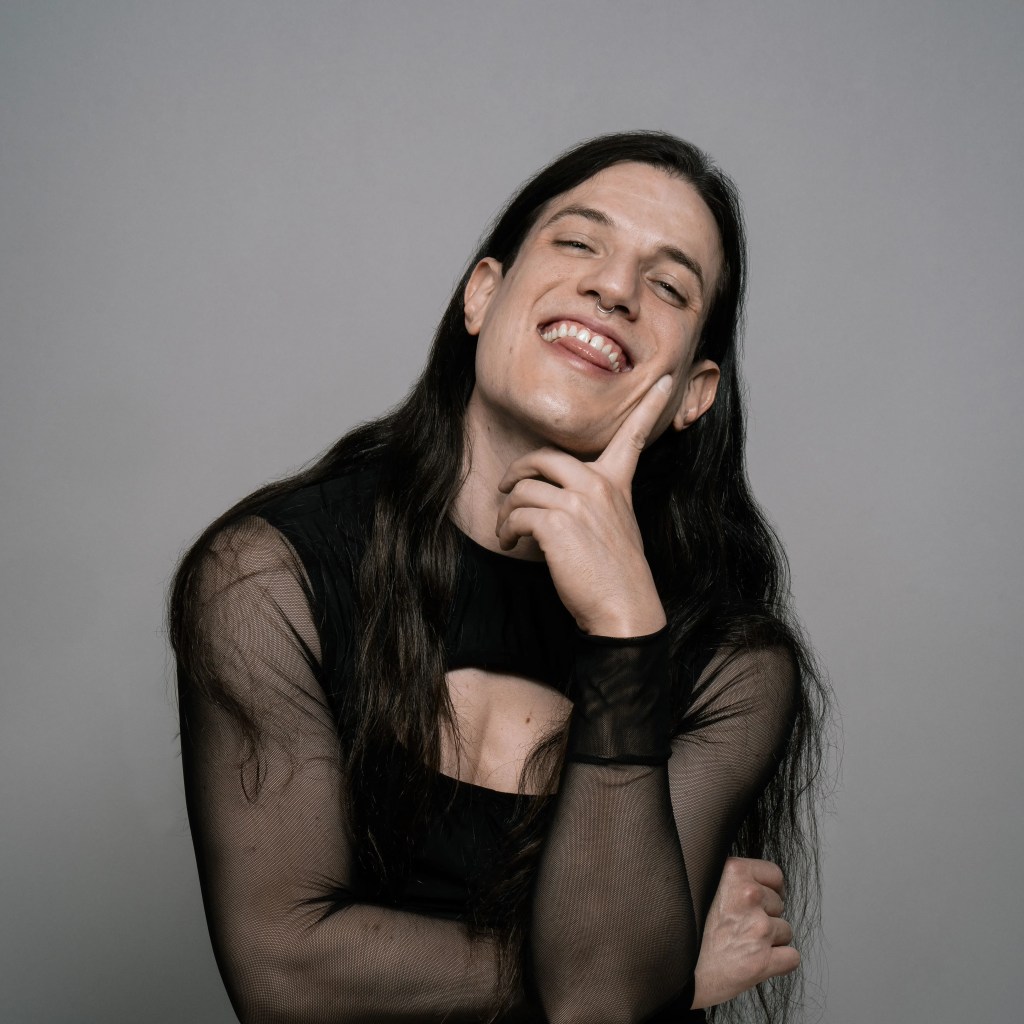
What we wear is never just what we wear. Tianyun Lan has known this for a long time, and it is the question that has quietly organized everything she does. Not the aesthetics of clothing, but the weight of it. The way a silhouette changes how a person stands. The way texture speaks before words do. The way a garment, in the right hands, stops being a costume and starts being a truth.

Her practice moves between styling and direction, between fashion and performance, between the precise and the intuitive. She works in long cycles, collecting ideas and setting them aside, returning months later to see what still holds. The things that stay are the things that become work. The things that fade were never really hers to begin with.

She has built visual worlds for film, music, and live performance, including the staging team for FKA twigs’ Body High tour, where clothing had to survive repetition, respond to a body in motion, and carry meaning across a distance. It was the kind of work that asks everything of a designer and gives back just as much.

Tianyun Lan is a costume designer and stylist whose practice begins where clothing ends, in this edition of PROFILES.

partner content

Tianyun Lan

she/her
Costume Designer & Stylist
United States
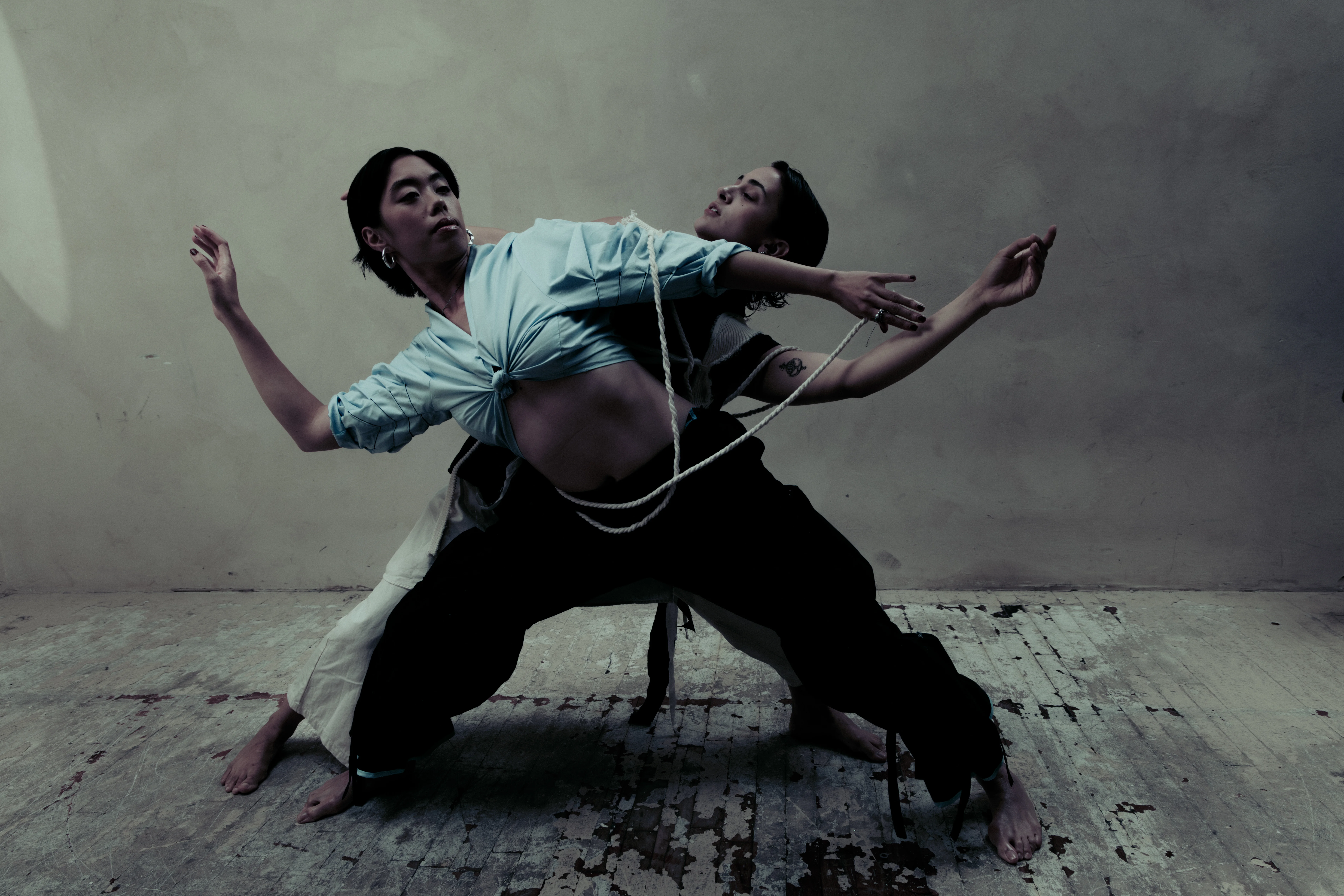
SomaticWaves, source: Vivian Chan.

1. What sparked your interest as an artist and how has that spark evolved over time?

I think my starting point was always the relationship between clothing and the body—how what we wear doesn’t just reflect identity, but actively shapes it. I became really aware of how a silhouette, a texture, or even the way something moves can completely shift how a person is perceived and how they carry themselves. That curiosity is what led me to study fashion design. I wasn’t drawn to it purely from a visual or aesthetic standpoint—I was much more interested in the theoretical side of fashion. I wanted to understand how we interact with clothing, what it represents across different social and cultural contexts, and how meaning is constructed through what we wear. For me, there isn’t really a “good” or “bad” look. Fashion is a form of visual art, but it’s not just about how something looks. The context, the intention, and the message behind it matter much more.

Over time, that curiosity expanded into performance, film, and music. I became less interested in static images and more drawn to how garments behave in motion, how they respond to the body, and how they can build narrative over time. Now, I see my work as existing between styling and direction—thinking about how to construct a visual identity that feels alive rather than staged.

2. Can you share the story behind one of your favorite works and what it means to you?

One of the most meaningful projects I’ve worked on recently has been being part of the styling team for FKA twigs’ Body High tour. Her sound and visual work has always been something I’ve deeply connected to, especially the way she brings together movement, sound, and visual language into an almost immersive experience.

What made this experience so special wasn’t just the scale of the production, but the level of intention behind every detail. The clothing isn’t treated as decoration but as a part of the performance. It has to move with the body, respond to choreography, hold up under repetition, and still carry a strong visual and emotional presence from a distance. Being part of that process shifted how I think about styling. It’s not about creating a single image, but about building something that can exist across time—through rehearsals, through performance, through different audiences. There’s a kind of precision and sensitivity required when working at that level, especially within a large team where every decision contributes to a bigger vision. It made me realize how much I value working in spaces where styling becomes part of a larger system, something living, responsive, and deeply connected to the body.

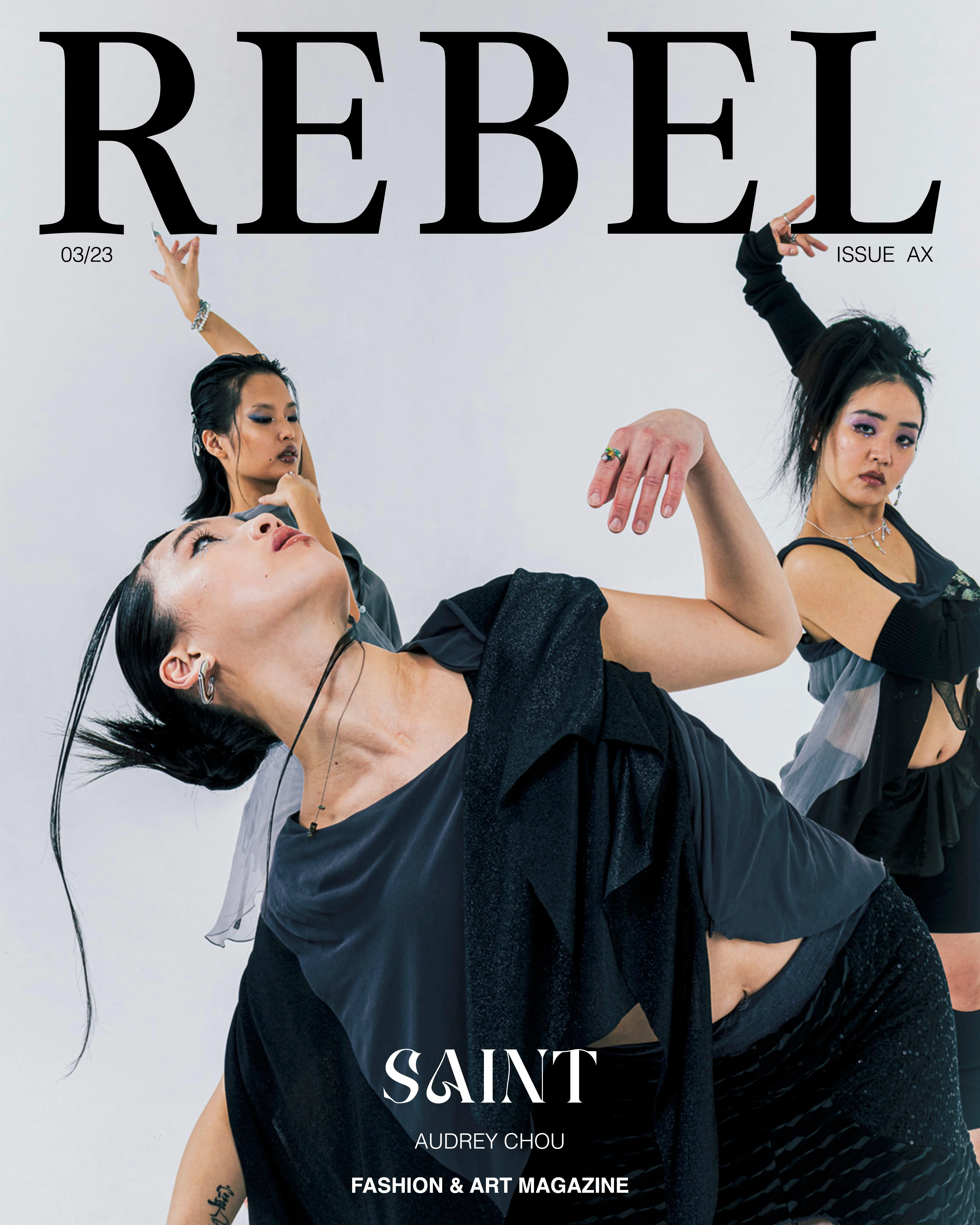
SAINT, source: Audrey Chou.

3. What is your creative process—do you follow a routine or does inspiration come spontaneously?

My process isn’t really about actively searching for intentions or forcing ideas at the beginning. More often, when an opportunity comes in, I naturally start noticing connections between the brief and things I’ve already been thinking about or collecting. For personal work, it’s a bit more internal and ongoing. I keep a list of ideas, references, and questions, and I also save visuals and notes in folders on my devices. They’re not organized in a strict way, and they come and go depending on what I’m exposed to at the time.

What’s interesting to me is that not everything stays. I usually go back and review these ideas every few months, and I pay attention to what still feels relevant or persistent. If something keeps resurfacing over time, that’s usually what ends up becoming a project or direction I explore further. It’s like a long-term filtering system. I collect, revisit, and then build from what continues to stay with me.

4. What has been your biggest challenge as an artist and how did it influence your growth?

One of the biggest challenges has been navigating the gap between the reality of the industry and the kind of work I want to make. Especially working across fashion and performance arts, there’s often a tension between speed, budget, and expectations, versus wanting to create something more thoughtful or layered. Early on, I felt like I had to adapt constantly. I was taking on different roles, adjusting to different systems, and it felt unstable. But looking back, that experience actually shaped how I work now. It made me more precise in how I think, and more flexible in execution. I’ve learned how to move between different scales of production, different teams, and different creative languages without losing my point of view. My growth really happened in learning how to hold onto an intention even when the conditions around it are constantly shifting.

Jeremy Zucker photoshoot. source: A.J. Kyser.

5. Who or what inspires you the most, and how is that reflected in your work?

I’d say my biggest sources of inspiration are actually the people closest to me—my family, friends, and creative collaborators. Of course I have artists and figures I look up to, but I’ve found that the most consistent influence comes from real relationships and everyday interactions. My family has been a grounding force in my work ethic and perspective. At the same time, my friends—who come from completely different creative and cultural backgrounds—constantly show me different ways of thinking about how to live, make, and see the world. Those exchanges naturally shape how I approach my own practice.

A big part of my process also comes from discussion and debate. I often force myself to question my own ideas rather than just following them. I enjoy looking at things from opposite perspectives, and sometimes the initial concept doesn’t survive that process at all, which I actually appreciate. It means the thought is evolving.

In that sense, inspiration isn’t a fixed source for me. It’s more like a conversation with people around me, and also with myself.

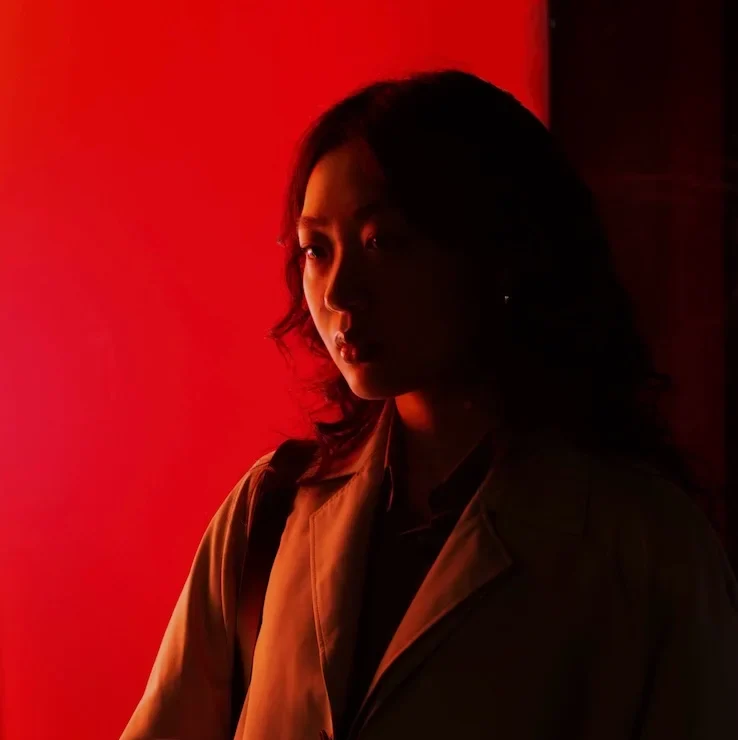
Impermanence, source: Tianyun Lan

6. What do you think is the most exciting thing happening in your field right now?

I think one of the most exciting shifts right now is how fluid creative roles have become. People are no longer staying within one defined practice; they’re moving between styling, directing, performance, film, music, and even more experimental forms of visual work. That kind of cross-disciplinary approach really expands how people think and create. When you step outside of a single discipline, you start to build a broader visual and conceptual language, which then feeds back into whatever you choose to focus on. When the boundaries between fields are loosening, it creates space for more personal, hybrid ways of working.

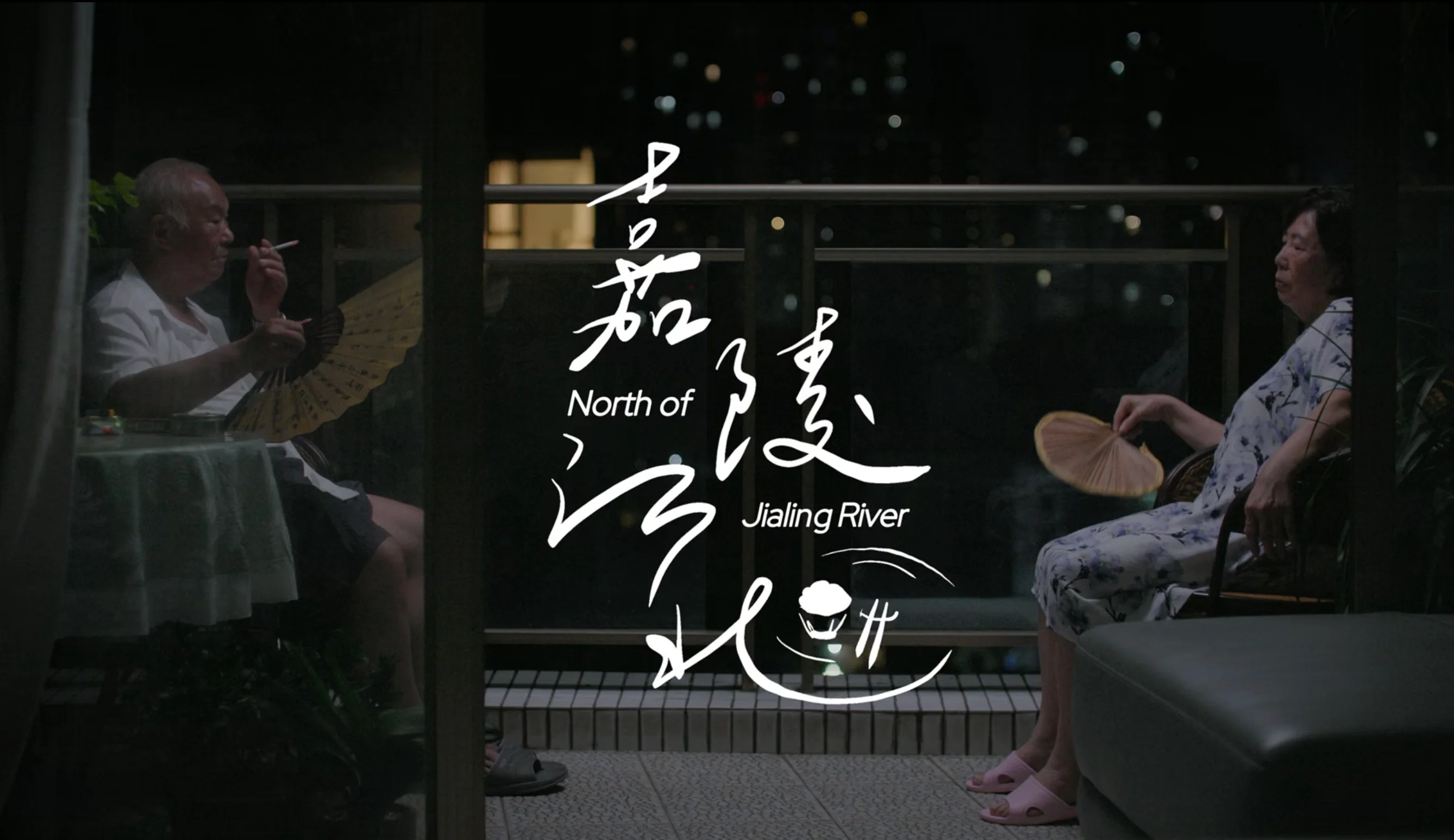
North of Jialing River, source: Yizhou Aaron Wang.

7. What advice would you give to artists or creatives who are just starting out?

Always reach for more, even when it feels uncomfortable or uncertain. It’s easy to stay within what feels familiar, especially at the beginning, but real growth rarely happens inside that space. The moments that shaped my practice the most were the ones where I didn’t feel fully ready, but chose to move forward anyway. Those experiences tend to push you to think differently and understand your own voice more clearly. I also think it’s important not to define yourself too early. When you allow yourself to explore without fixing your identity too soon, you give space for your practice to evolve naturally. Mistakes, changes, and uncertainty are all part of that process.

In short, don’t limit yourself based on what you think you should be doing. Try things, step into unfamiliar situations, and let your work grow through experience rather than expectation.

Inchoate, source: Ari.

8. How do you hope your work will connect with people or leave an impact?

I hope my work encourages people to think a little differently about something familiar, or notice something they might not have paid attention to before. I tend to start with broad, shared ideas and then slowly narrow into more specific questions through an internal “debate” process—looking at things from different or even opposite perspectives until something clearer emerges. Over time, that way of thinking and working has also helped me understand my own thoughts and experiences more deeply. It’s become a process of reflection as much as creation.

I don’t really approach my work with fixed beliefs or conclusions. I think everything can shift depending on context, timing, and perspective. In that sense, I see my practice as open-ended. If anything, I hope it gives people space to question, reinterpret, or reframe things in their own way rather than telling them what to think.

Support artists—share this

Master Your 2026 Career.

Get our free Survival Guide for Actors, Directors, and Designers.

About the Author

Leave a Reply

Your email address will not be published. Required fields are marked *

partner content

Related Posts

Rebecca Miller Kratzer: Team Show.

BACKSTAGE PASS

Master Your 2026 Career.

Get our free Survival Guide for Actors, Directors, and Designers.