LATEST POSTS.

Get featured
on Skene!

Bella Rivera: Design Is Inheritance and Imagination.

source: Bella Rivera

Bella Rivera grew up in a house where making things was just what you did. Grandparents who let creativity spill across walls and living rooms, paintbrushes always somewhere nearby, theatre classes that felt less like lessons and more like permission. It was an upbringing that quietly taught them something most designers spend years trying to articulate: that design is not decoration. It is inheritance.

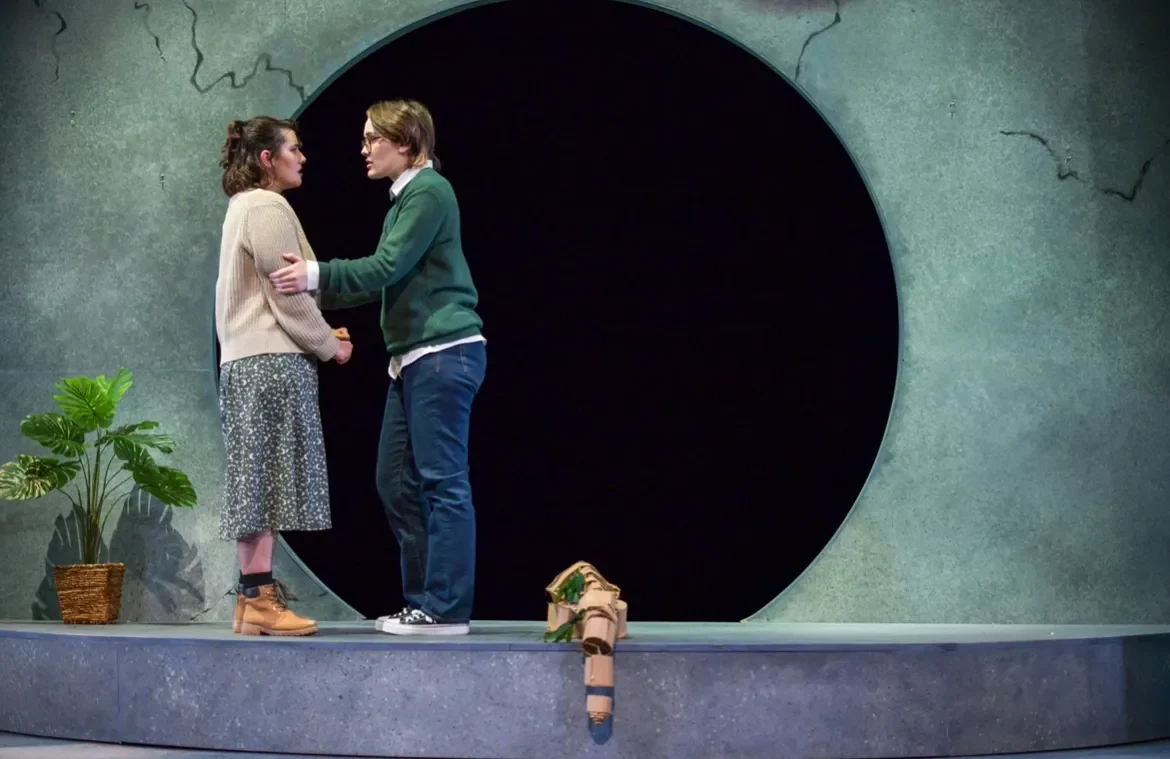
That inheritance shows up everywhere in their work. Mexican Catholic iconography, neighborhood altars, family ritual, the surreal visual language of Latino artists who tell truth through the abstract. Bella does not borrow from these traditions so much as carry them forward, translating the textures of cultural memory into spaces that feel both invented and deeply familiar.

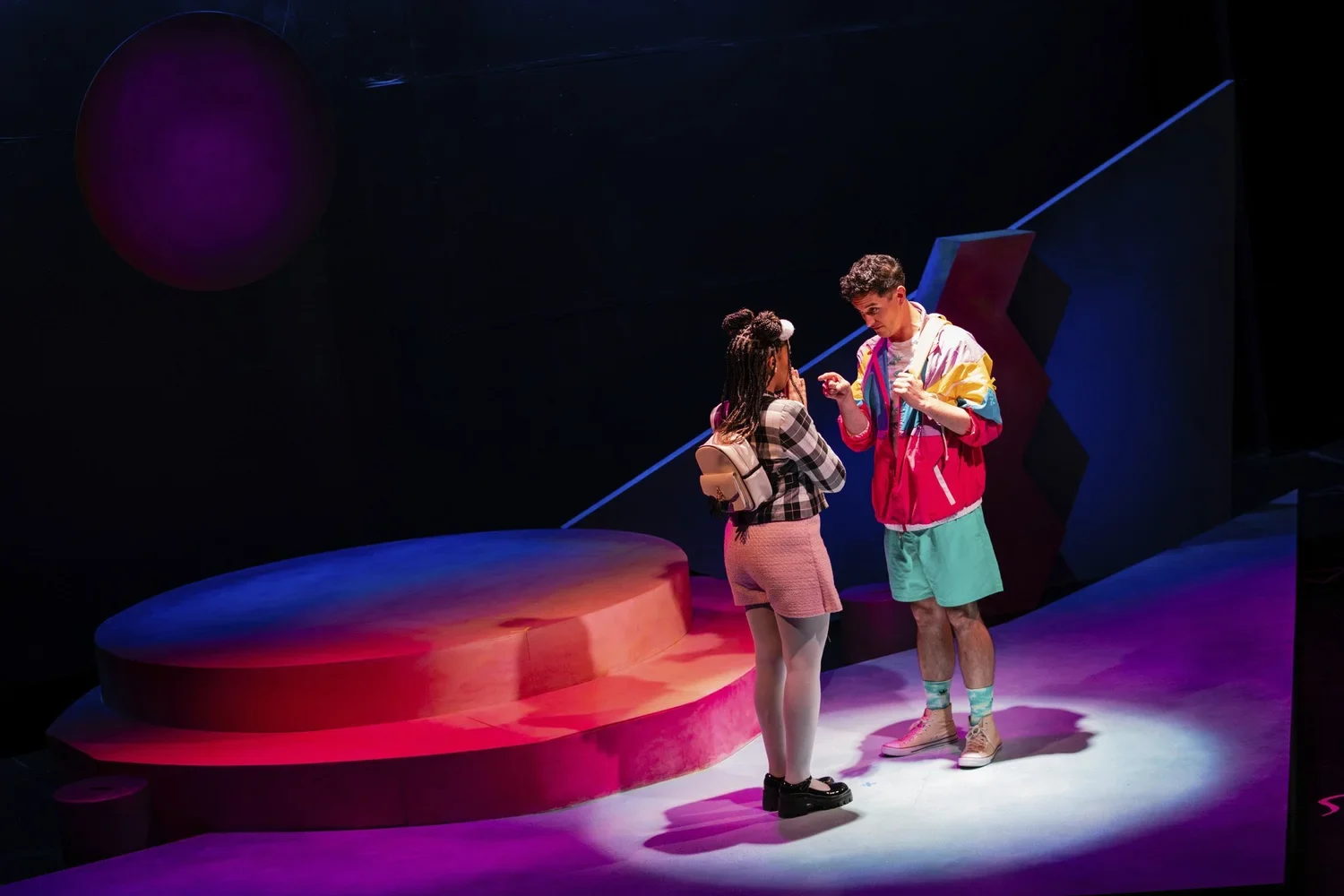
Their process is unhurried and relational. It begins with instinct, expands through conversation, and arrives somewhere through genuine trust in the people they work with. The result is a body of work shaped by magical realism and communal rootedness, spaces that transport audiences without losing sight of where they came from.

Right now Bella is thinking about recycled materials, community-based theatre, and what it means to protect human-made craft in a moment when automated imagery is everywhere. These are not abstract concerns for them. They are practical ones, bound up in a belief that the act of building a world by hand still matters, and that the communities who shaped you deserve to see themselves in what you make.

Discover their journey, in this edition of PROFILES.

advertising
partner content

Bella Rivera

they/them
Scenic Designer
United States
source: Bella Rivera

1. What sparked your interest as an artist and how has that spark evolved over time?

I’ve been painting and drawing for as long as I can remember. My grandparents fostered my passion for art as soon as they noticed it. My papa would drive me to painting and theatre classes after school, and let me draw on the walls in his house. My nana would take me to the theatre and introduce me to all of her favorite musicals, and would let me design “sets” in her living room by rearranging her furniture and hanging things from the ceiling. This spark was only able to evolve because of the support of my family, and I carry those memories with me in all of my work today.

2. Can you share the story behind one of your favorite works and what it means to you?

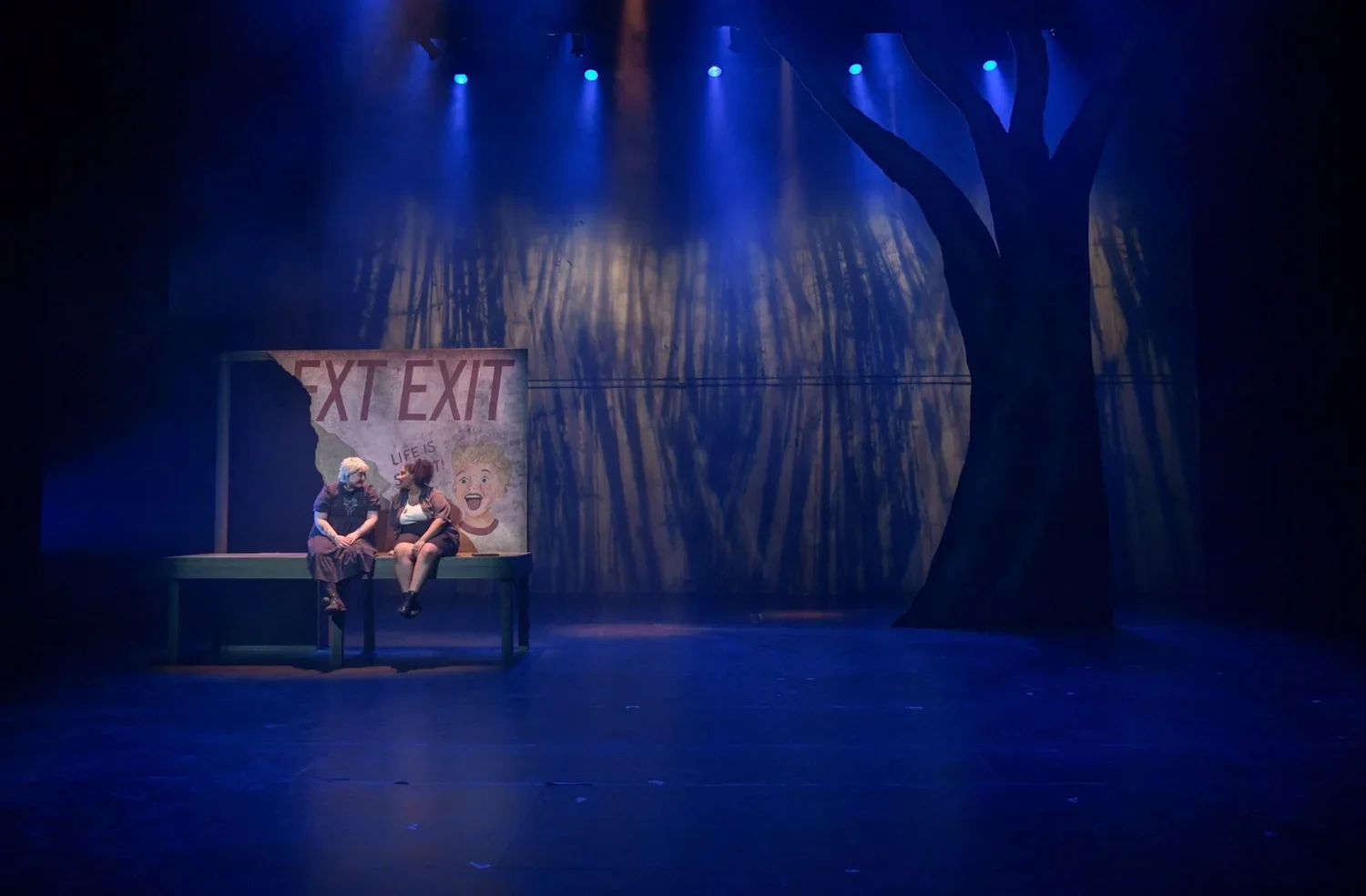
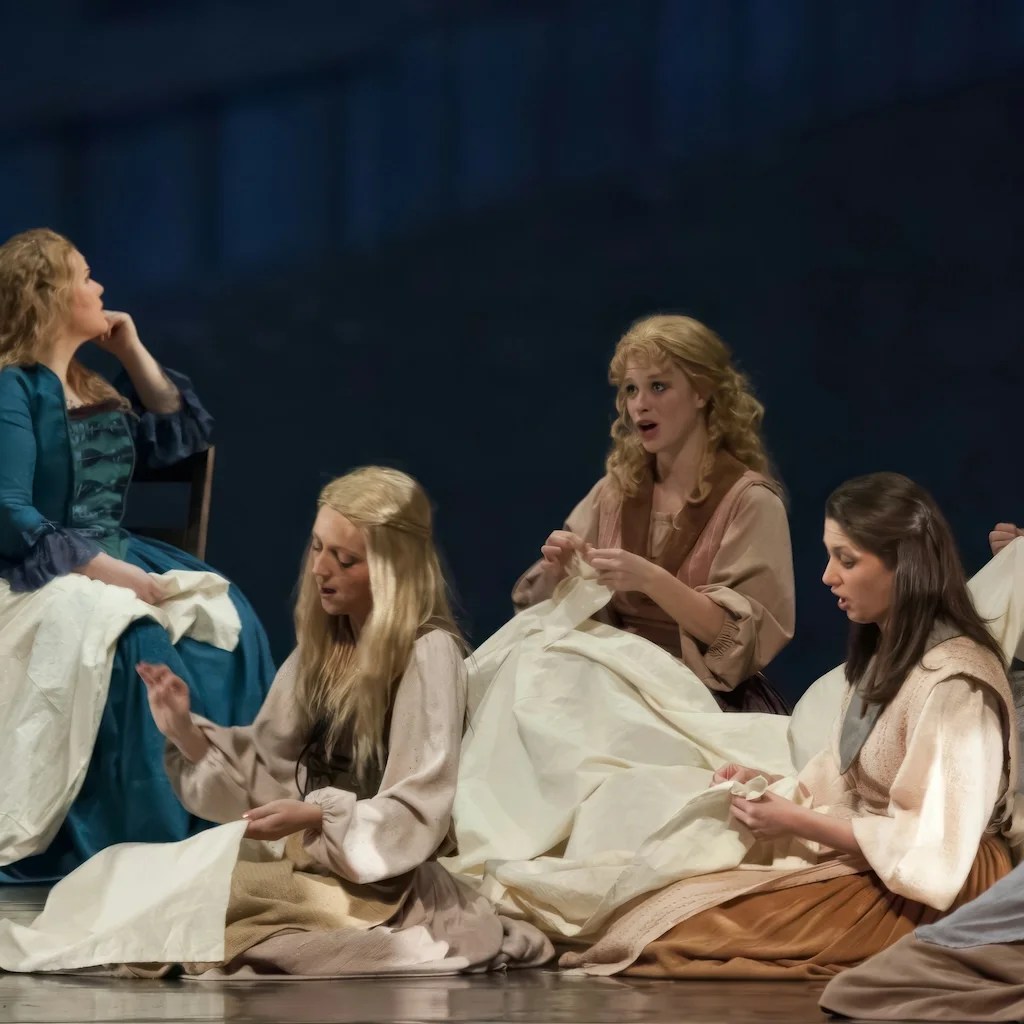
One of my favorite works is also one of my most recent. Designing The Three Penny Opera with Theatre Battery was such a special experience. We staged the show in an empty storefront and used mainly recycled/donated materials. With the help of Theatre Battery’s artists and the dedicated local high school theatre student, we were able to turn that empty store into a Brechtian junkyard fever dream. This production was made by and for the community of Kent, WA and was presented free of charge to audiences. This projected reignited my love for community based work and working with recycled materials. Turns out you can do a lot with cardboard!

source: Bella Rivera

3. What is your creative process—do you follow a routine or does inspiration come spontaneously?

I tend to follow a general creative process, beginning with a script read followed by image research (I sometimes call this “vibes research”) based on that initial read. I’ll then reread the script and narrow in on the logistics and “must haves” of the set. I find that doing the first round of image research before this step helps me hone in on my gut instincts. This process continues with more conversations with the director and technical director, which is my favorite part of the process because I feel the most confident when collaborating and creating with trusted artists.

4. What has been your biggest challenge as an artist and how did it influence your growth?

My biggest challenge has been separating myself as a person from my output as an artist, and prioritizing my mental health along the way. There have been times where I’ve felt like I wasn’t working enough, times where I pushed myself to work too much, and times where I cared far too much about what people thought about me based on my work. What I’ve learned is that letting my anxiety take over does not allow me to make very good art! I need to care for myself as a person before tending to myself as an artist, and I continue to remind myself this when projects get stressful. In case anyone needs to hear this: your worth as a person is not connected to your work!

source: Bella Rivera

5. Who or what inspires you the most, and how is that reflected in your work?

Being raised in a Mexican Catholic community in San Diego has definitely shaped my design sensibilities. I always find myself drawn to cultural and spiritual imagery that reminds me of my family and my neighborhood. I feel like all my sets start as altars or ceremony spaces and evolve from there. I feel very inspired by other Latino artists, including Julio Torres and Guillermo Del Toro. Both of their work feels uniquely Latino, utilizing the surreal and abstract to confront reality. I feel very drawn to magical realism for this reason and tend to root my designs in that world.

6. What do you think is the most exciting thing happening in your field right now?

I think the most exciting thing happening right now is the push for protection of artwork made by humans. In a world where we are inundated with technology that regurgitates, whenever I see a beautiful hand crafted show full of practical effects and artisan work, it makes my heart sing.

source: Bella Rivera

7. What advice would you give to artists or creatives who are just starting out?

My advice would be to try everything. Sometimes young people are advised to specialize and narrow down their path very early. I was very lucky to have mentors who encouraged me to diversify my skills and look for opportunities that could lead to different roles down the road. If you want to be a scenic designer, try props! If you want to be a director, try design! Flex your muscles and broaden your skill set. It will serve you well.

8. How do you hope your work will connect with people or leave an impact?

I hope that my work makes people feel transported. I hope audiences can feel my influences, including Mexican culture, nature, and spirituality. I hope my work can resonate with young designers and students who may not see themselves in big budget proscenium style shows, but might connect more with abstract cultural work. I am passionate about connecting design students of color with other working professionals to foster solidarity and community on our industry.

source: Bella Rivera

Support artists—share this

More like this, twice a month.

Off-Book is the Skene newsletter for artists and makers. Profiles, opportunities, and editorials, free. New subscribers also receive the 2026 Performing Arts Survival Guide.

About the Author

Leave a Reply

Your email address will not be published. Required fields are marked *

Abingdon Theatre Company - Season 34

RELATED POSTS.

FREE FOR ARTISTS

Get the 2026 Performing Arts Survival Guide.

Practical career guidance for performing arts artists and makers. Take it with you.