LATEST POSTS.

Get featured
on Skene!

Verónica Albarrán Rendón: The Collective Encounter.

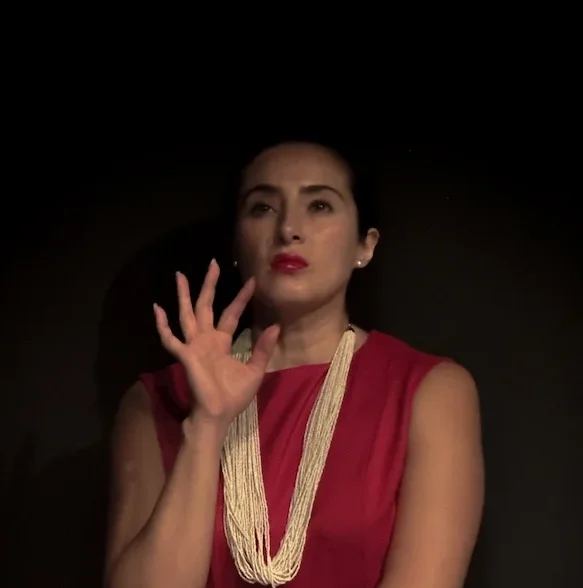
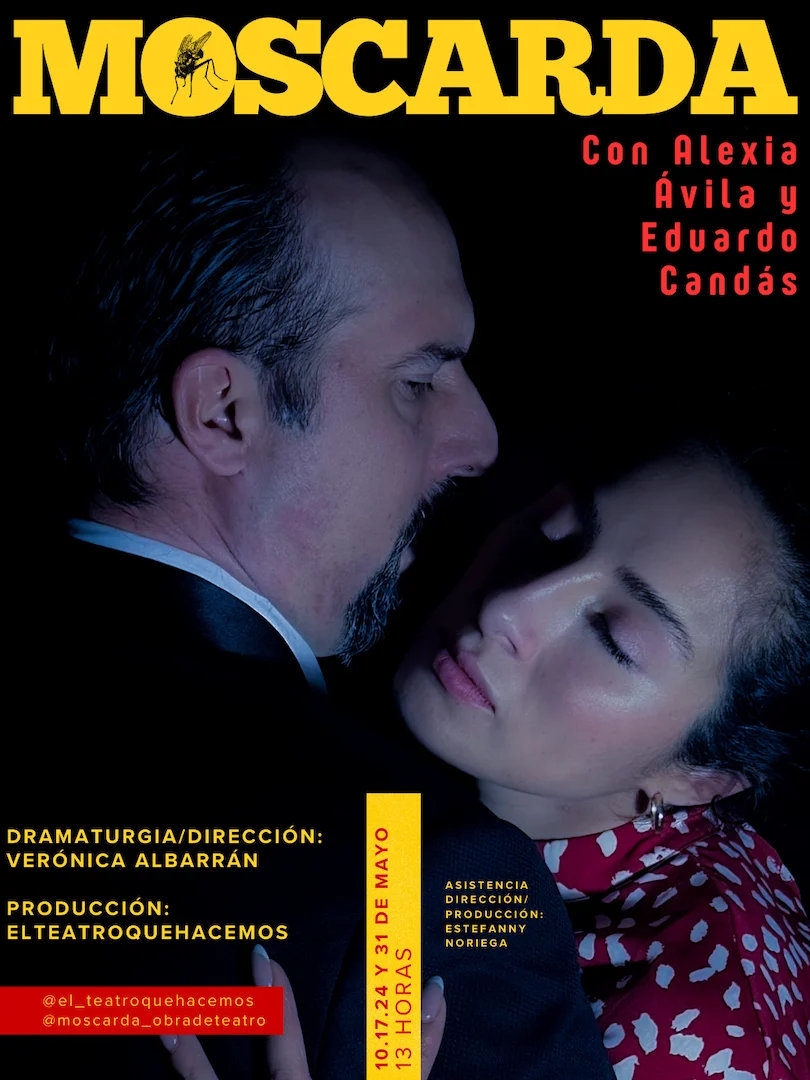
Moscarda, source: Verónica Albarrán Rendón.

For Verónica Albarrán Rendón, the collective encounter is where everything begins. Not the finished work, not the applause, but the act of gathering: weaving together the desires, needs, and pleasures of everyone in a room until something emerges that none of them could have made alone. She has spent her career as a cultural worker, director, playwright, and educator learning to do exactly that, and she will tell you it is the most demanding and most illuminating work she knows.

Her production MOSCARDA, at the Foro Shakespeare in Mexico City, took ten years to arrive: seeded by a reading of Pirandello, nurtured through seminars and study groups, shaped in conversations with colleagues who share her commitment to critical thought. Poetry moves her. Collective work sustains her. And reading, she insists, is not optional. You need to read to live.

Verónica is a cultural worker whose art begins in the encounter and ends in transformation, in this edition of PROFILES.

advertising
partner content

Verónica Albarrán Rendón

she/her
Cultural Worker
Mexico
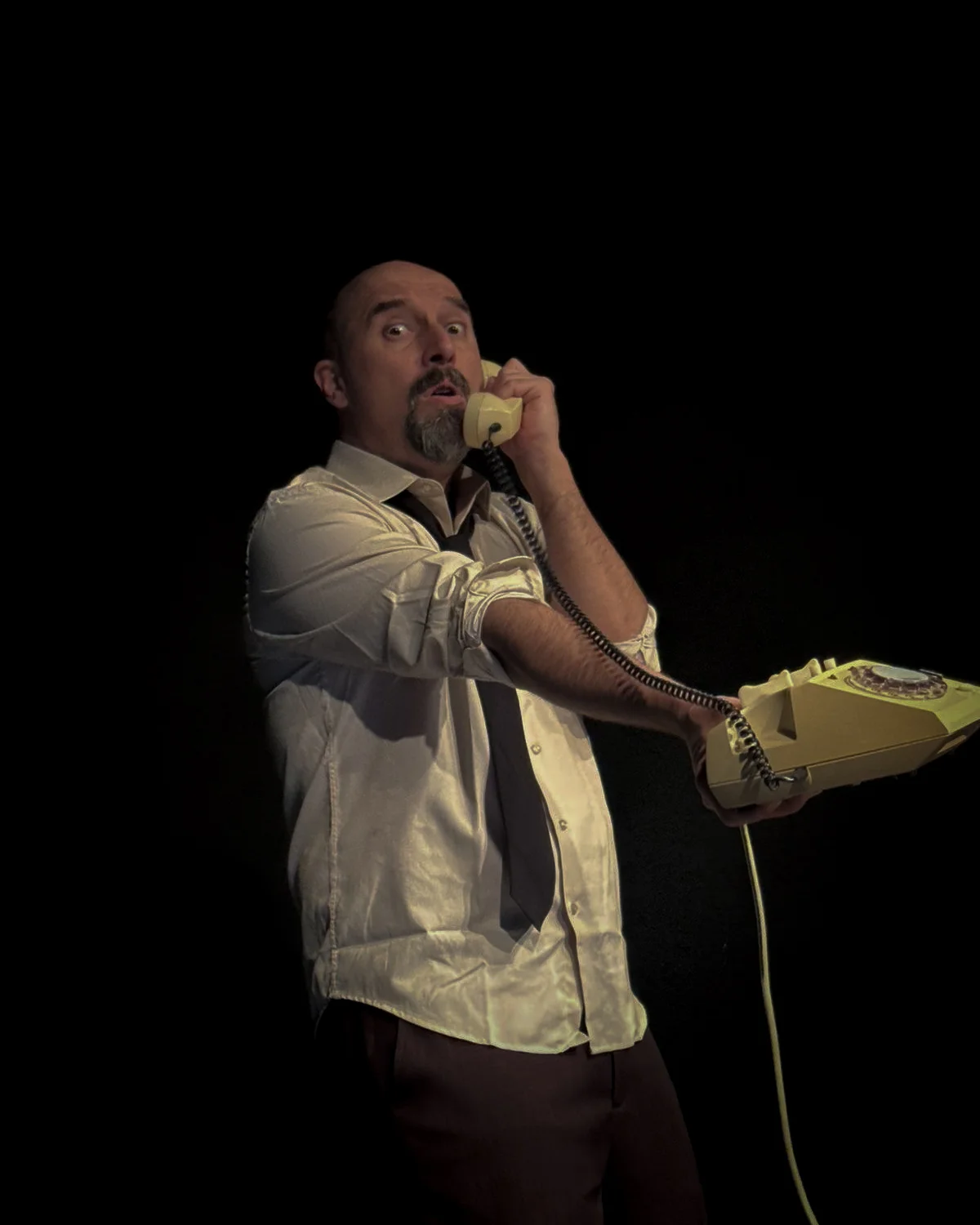
Moscarda, source: Verónica Albarrán Rendón.

1. ¿Qué despertó tu interés como artista y cómo ha evolucionado esa chispa con el tiempo?

El trabajo colectivo del encuentro comprometido es lo que ilumina y alegra mi trabajo en la práctica artística y en el teatro. Aprender a reunir, vincular y tejer los deseos, placeres y necesidades de todos los integrantes de cada proyecto, ha sido el reto más importante de mi trabajo en las artes escénicas. Incluso, en el caso de la escritura, para el desarrollo de dramaturgias, cuentos, o textos académicos, y aún a pesar de que se la considera una tarea solitaria, siempre es detonada por la necesidad del encuentro humano a través de la imaginación que nos convoca al contacto íntimo para pensar y repensar y reinventar el mundo en que vivimos.

1. What sparked your interest as an artist and how has that spark evolved over time?

What lights up and sustains my work in artistic practice and theatre is the collective work of committed encounter. Learning to gather, connect, and weave together the desires, pleasures, and needs of everyone involved in a project has been the most important challenge of my work in the performing arts. Even in the case of writing, whether for dramaturgy, short stories, or academic texts, what is often considered a solitary task is always set in motion by the need for human encounter. It is imagination that calls us into intimate contact with one another, so that we can think and rethink and reinvent the world we live in.

2. ¿Puedes compartir la historia detrás de una de tus obras favoritas y lo que significa para ti?

La producción de la obra teatral MOSCARDA que actualmente tenemos en temporada en el Foro Principal del Foro Shakespeare, los domingos de mayo, a las 13 horas, sucedió como un tejido de coincidencias: por un lado, la lectura de la novela “Uno, ninguno y cien mil” de Luigi Pirandello, hace diez años atrás, y luego, el ejercicio de ir estudiando y entendiendo el pensamiento pirandelliano desde la vida cotidiana y a través de la conversación que se detona en espacios como son los seminarios “Ciudad global”, “Teoría crítica” y “Problemáticas del arte actual” del CENIDIAP, así como a través de otros proyectos personales de estudio y creación, en el que me acompañan colegas de las artes escénicas; esto es, el seminario “La dirección teatral” y el “Laboratorio de unipersonales” que yo misma conduzco. En este sentido, y como se suele decir en el argot del teatro, tal pareciera que la obra MOSCARDA estaba buscando nacer, germinar y florecer en nuestra vida.

2. Can you share the story behind one of your favorite works and what it means to you?

The theatrical production MOSCARDA, currently running on Sundays in May at the Foro Principal of the Foro Shakespeare in Mexico City, came into being through a weaving of coincidences. On one hand, my reading of Luigi Pirandello’s novel One, No One and One Hundred Thousand, ten years ago. Then, the gradual process of studying and understanding Pirandellian thought through everyday life and through conversations sparked in spaces like the seminars “Global City,” “Critical Theory,” and “Current Problems in Art” at CENIDIAP, as well as through other personal projects of study and creation, accompanied by colleagues from the performing arts. These include the seminar “Theatrical Direction” and the “Solo Performance Laboratory,” both of which I lead myself. In that sense, and as they say in the language of theatre, it seemed as though MOSCARDA was searching to be born, to germinate, and to bloom in our lives.

Moscarda, source: Verónica Albarrán Rendón.

3. ¿Cómo es tu proceso creativo—sigues una rutina o la inspiración surge espontáneamente?

Si bien considero que no existe una fórmula única, o un método rígido establecido para el trabajo de la práctica artística, puedo decir que la inspiración o, mejor dicho, los momentos de lucidez poética, son resultado de procesos rigurosos de investigación en el sentido más amplio de la palabra; es decir, como búsqueda colectiva de una mirada crítica capaz de revelar las contradicciones que nos afectan la vida.

3. What is your creative process—do you follow a routine or does inspiration come spontaneously?

While I believe there is no single formula or rigid method for artistic practice, I can say that inspiration, or more precisely, moments of poetic lucidity, are the result of rigorous research processes in the broadest sense of the word: that is, as a collective search for a critical perspective capable of revealing the contradictions that affect our lives.

4. ¿Cuál ha sido tu mayor desafío como artista y cómo influyó en tu crecimiento?

El reto más importante que enfrento como trabajadora del arte y la cultura, consiste en dos asuntos fundamentales: uno, la búsqueda de una necesaria congruencia entre el hacer y el decir. Dos, la requerida mirada dialéctica en el establecimiento de las relaciones humanas para el trabajo colectivo.

4. What has been your biggest challenge as an artist and how did it influence your growth?

The most important challenge I face as a worker in art and culture comes down to two fundamental things. First, the search for a necessary coherence between what we do and what we say. Second, the required dialectical perspective in building human relationships for collective work.

Moscarda, source: Verónica Albarrán Rendón.

5. ¿Quién o qué te inspira más y cómo se refleja esa inspiración en tu trabajo?

Me inspira la poesía. La poesía me con-mueve. La poesía en las artes y más la poesía en la vida.

5. Who or what inspires you the most, and how is that reflected in your work?

Poetry inspires me. Poetry moves me. Poetry in the arts, and even more, poetry in life.

6. ¿Qué crees que es lo más emocionante que está ocurriendo en tu campo en este momento?

Vivimos tiempos convulsos de río revuelto, donde alargar la mirada para encontrar las contradicciones que nos permitan ser y hacer una vida mejor, resulta un reto tremendo pero emocionante y, por supuesto, imperioso para todas y todos.

6. What do you think is the most exciting thing happening in your field right now?

We are living through turbulent times, times of muddy waters, where extending our gaze to find the contradictions that allow us to live and build a better life is a tremendous challenge. But it is also an exciting one, and of course, an urgent one for all of us.

Moscarda, source: Verónica Albarrán Rendón.

7. ¿Qué consejo le darías a artistas o creativos que están empezando?

Hoy por hoy, no sé qué consejo podría dar. Digo, entonces, lo que me digo a mí misma: estudia, lee, comparte y escucha. Lee, lee, lee. Hay mucho por leer. Necesitas leer para vivir.

7. What advice would you give to artists or creatives who are just starting out?

Right now, I am not sure what advice I could give. So I will say what I say to myself: study, read, share, and listen. Read, read, read. There is so much to read. You need to read in order to live.

8. ¿Cómo esperas que tu trabajo conecte con las personas o deje un impacto?

Espero que mi trabajo colabore a los procesos de pensamiento crítico, dialéctico, que nos permitan entender el mundo complejo en que vivimos y estar en posibilidad de transformarlo para mejor.

8. How do you hope your work will connect with people or leave an impact?

I hope my work contributes to processes of critical, dialectical thinking that allow us to understand the complex world we live in and to be in a position to transform it for the better.

Support artists—share this

More like this, twice a month.

Off-Book is the Skene newsletter for artists and makers. Profiles, opportunities, and editorials, free. New subscribers also receive the 2026 Performing Arts Survival Guide.

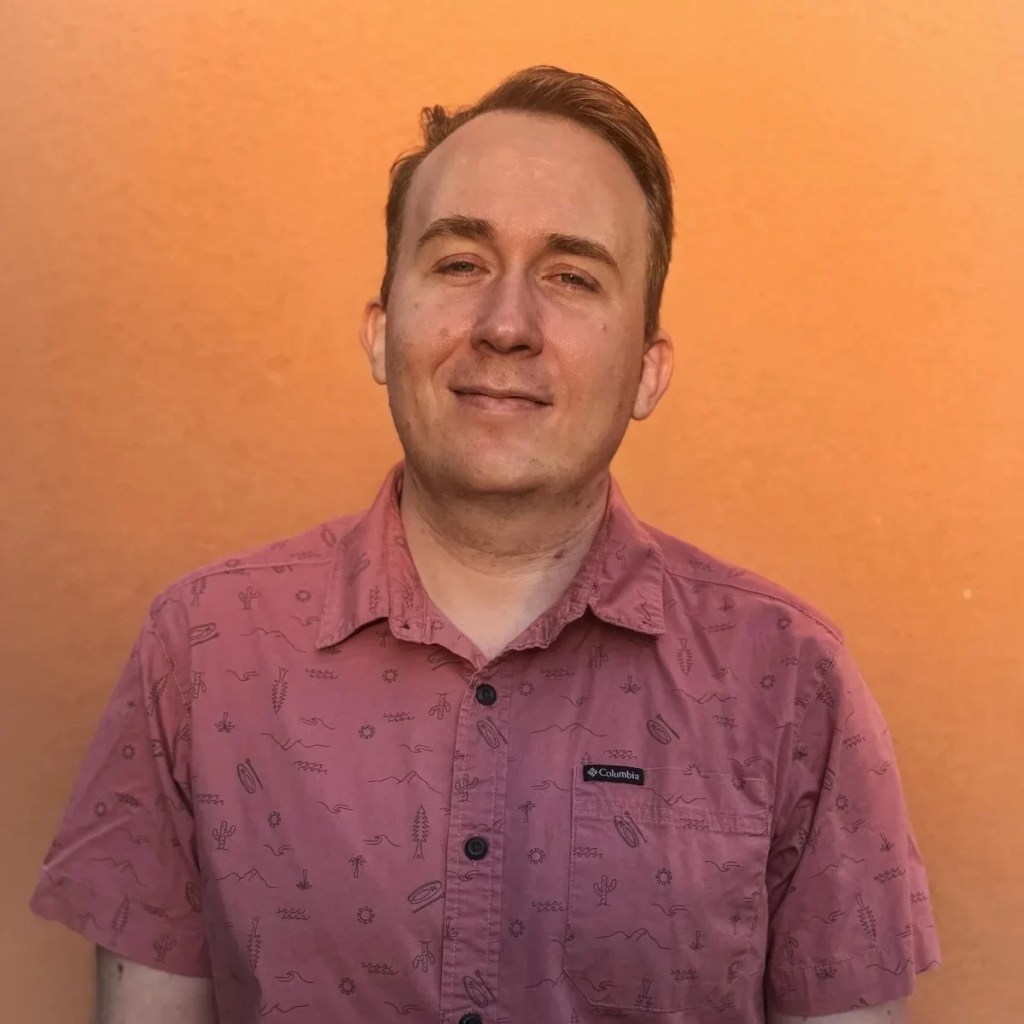
About the Author

Leave a Reply

Your email address will not be published. Required fields are marked *

Abingdon Theatre Company - Season 34

RELATED POSTS.

FREE FOR ARTISTS

Get the 2026 Performing Arts Survival Guide.

Practical career guidance for performing arts artists and makers. Take it with you.