LATEST POSTS.

Get featured
on Skene!

Public Domain Plays: Powerful Works, Zero Royalties.

source: Nathana Reboucas.

Disclosure: Some links in this article may be affiliate links. If you make a purchase through them, we may earn a small commission at no additional cost to you. These links help support the work behind Skene.

Community theatres exist to serve their communities and to create access to great theatre. That mission becomes easier when you can produce some of theatre’s most profound works without paying royalties. Public domain plays span centuries and cultures. They include ancient tragedies that ask timeless questions about justice and fate, comedies that expose human folly, and modern masterpieces that revolutionized theatre itself. These are works that have survived because they matter. They’ve been produced thousands of times because they speak to something fundamental about human experience. When you produce a public domain play, you’re not choosing a lesser work to save money. You’re choosing theatre at its most powerful. These six plays are proof that the greatest stories in theatre are available to any community willing to tell them. No royalties. No permissions. Just theatre that matters and the freedom to make it yours.

Classical Tragedies With Modern Urgency

Ancient Greek tragedies ask questions that feel contemporary because they’re rooted in timeless human conflicts: power, fate, justice, and the cost of defiance. These plays explore what happens when people are trapped by circumstances beyond their control and what they’re willing to sacrifice to maintain dignity. The language has been translated many times, so you can choose a version that feels right for your community. The stories are universally recognized, which means audiences come ready to engage. The staging can be as simple or as elaborate as you choose. What these plays demand is actors who can speak clearly and audiences willing to sit with tragedy. The results are profound.

Medea

medea

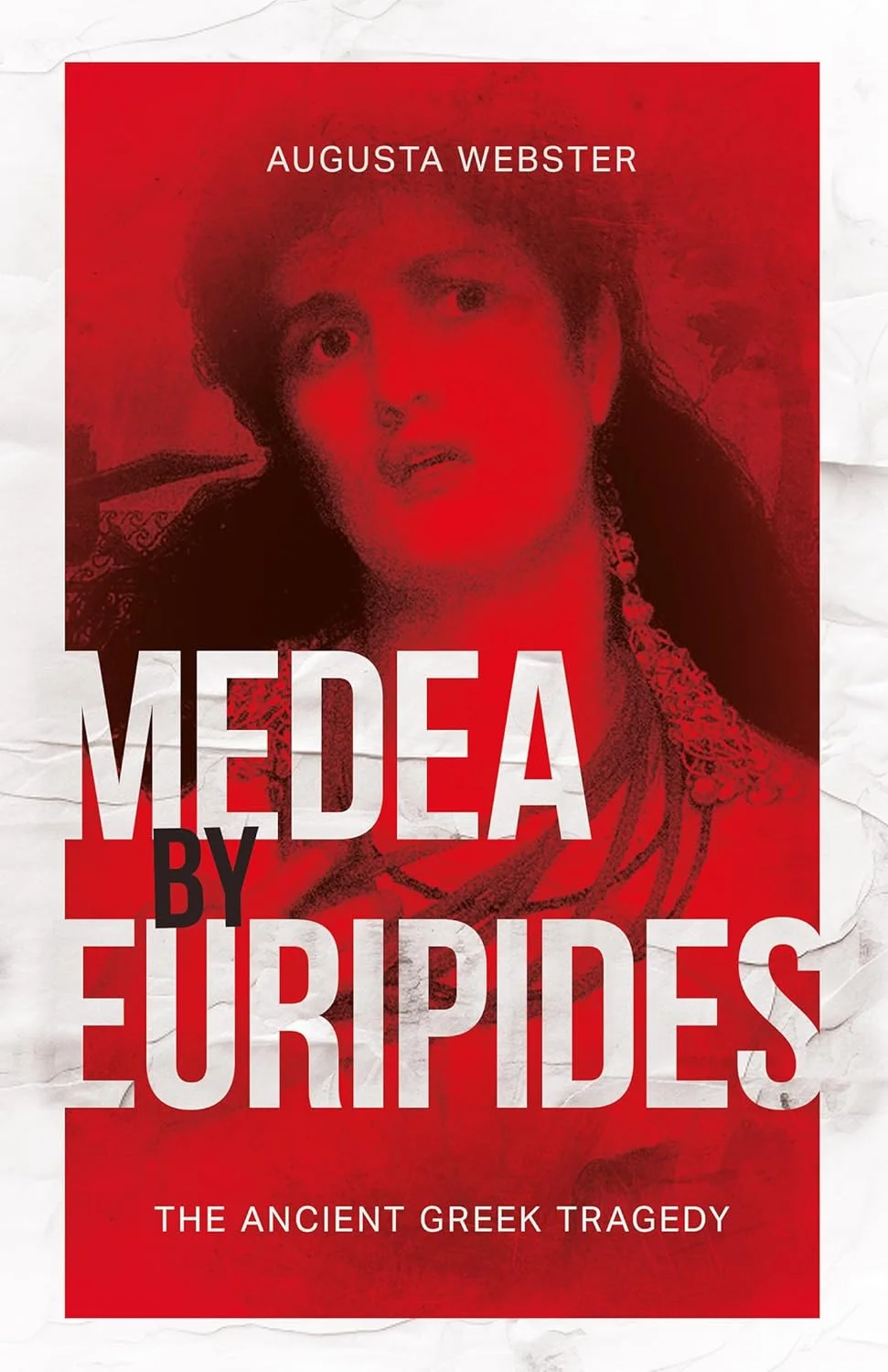
Medea By Euripides

A woman betrayed by her husband. A choice between survival and vengeance. Medea is one of theatre’s most devastating plays. Euripides creates a protagonist who is sympathetic and terrifying at once. She’s wronged, she’s furious, and she’s willing to do the unthinkable. The play asks audiences uncomfortable questions: what do we do with a character we understand but cannot condone? How do we sit with someone’s rage without looking away? The language can be contemporary or classical depending on which translation you choose. The play requires a small cast and minimal scenery. The power comes entirely from the actor playing Medea and the audience’s willingness to follow her into dark places. Community theatres that produce Medea are telling their audiences that theatre can handle complexity and moral ambiguity.

Cast: 1 lead female role, 5–8 flexible additional roles. Flexible costuming and setting. Single or multiple locations (palace, seashore). Minimal set required. Best for community theatres willing to tackle difficult material. 90 minutes.

Content Note: This play contains infanticide and references to violence. Consult with a dramaturg or institutional advocate to ensure appropriate support for your cast and audience.

get it here

Antigone

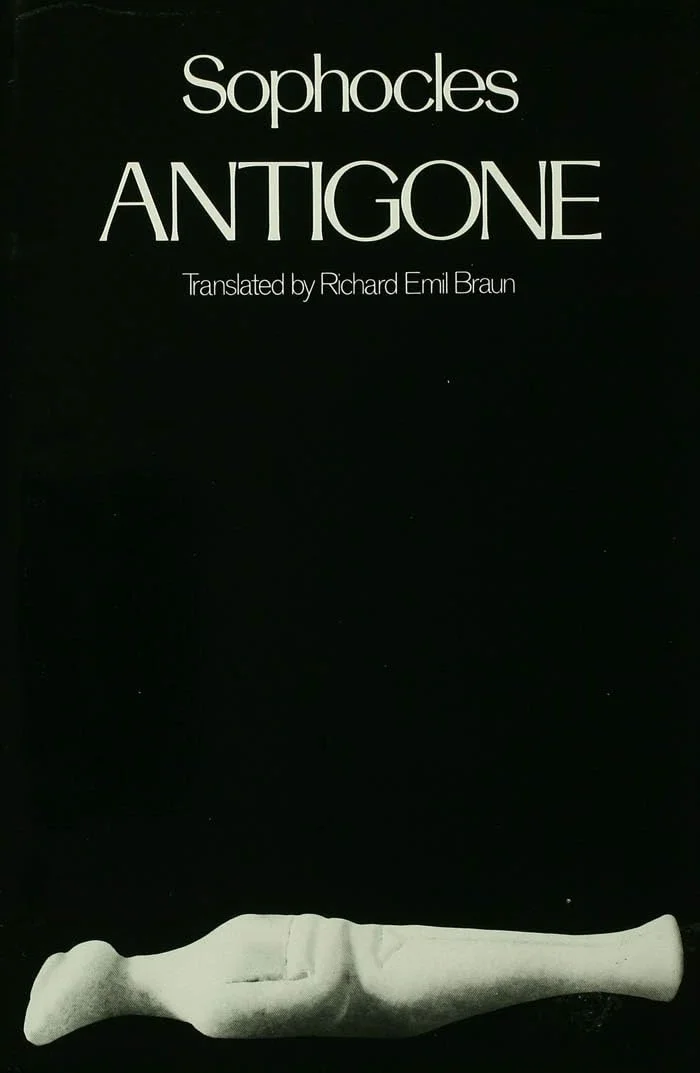
Antigone By Sophocles

A woman defies her king to honor her brother’s death. A ruler refuses to bend. Antigone is a play about conscience versus law, about the costs of standing firm, and about what we owe to family and the dead. Sophocles creates two characters who are both right and both wrong at the same time. The dialogue is direct and powerful. The stakes are life and death. The play has been produced countless times because it speaks to something fundamental: what do you do when the law contradicts your conscience? Community theatre audiences understand this question. They’ve lived it. The play requires a small cast and minimal scenery. It moves fast and hits hard. Modern productions can set it in contemporary contexts without losing power. This is theatre that matters.

Cast: 1 lead female role, 1 lead male role, 5–10 flexible additional roles. Flexible costuming and setting. Single or multiple locations (palace, gates, tomb). Minimal set required. Best for community theatres of all sizes. 90 minutes.

Content Note: This play contains death, suicide, and references to war. Consult with a dramaturg or institutional advocate to ensure appropriate support for your cast and audience.

Comedies That Still Spark Laughter

Molière and his contemporaries understood human vanity and social hypocrisy. Their comedies are funny because they’re rooted in observation. They watch how people behave when they think no one is watching, how they contradict themselves, how they pursue things that don’t matter while ignoring what does. The language varies by translation, but the humor is universal. These plays are accessible, entertaining, and endlessly adaptable. Community theatre audiences appreciate comedy that’s clever without being cruel, that celebrates human foolishness without losing compassion for human beings.

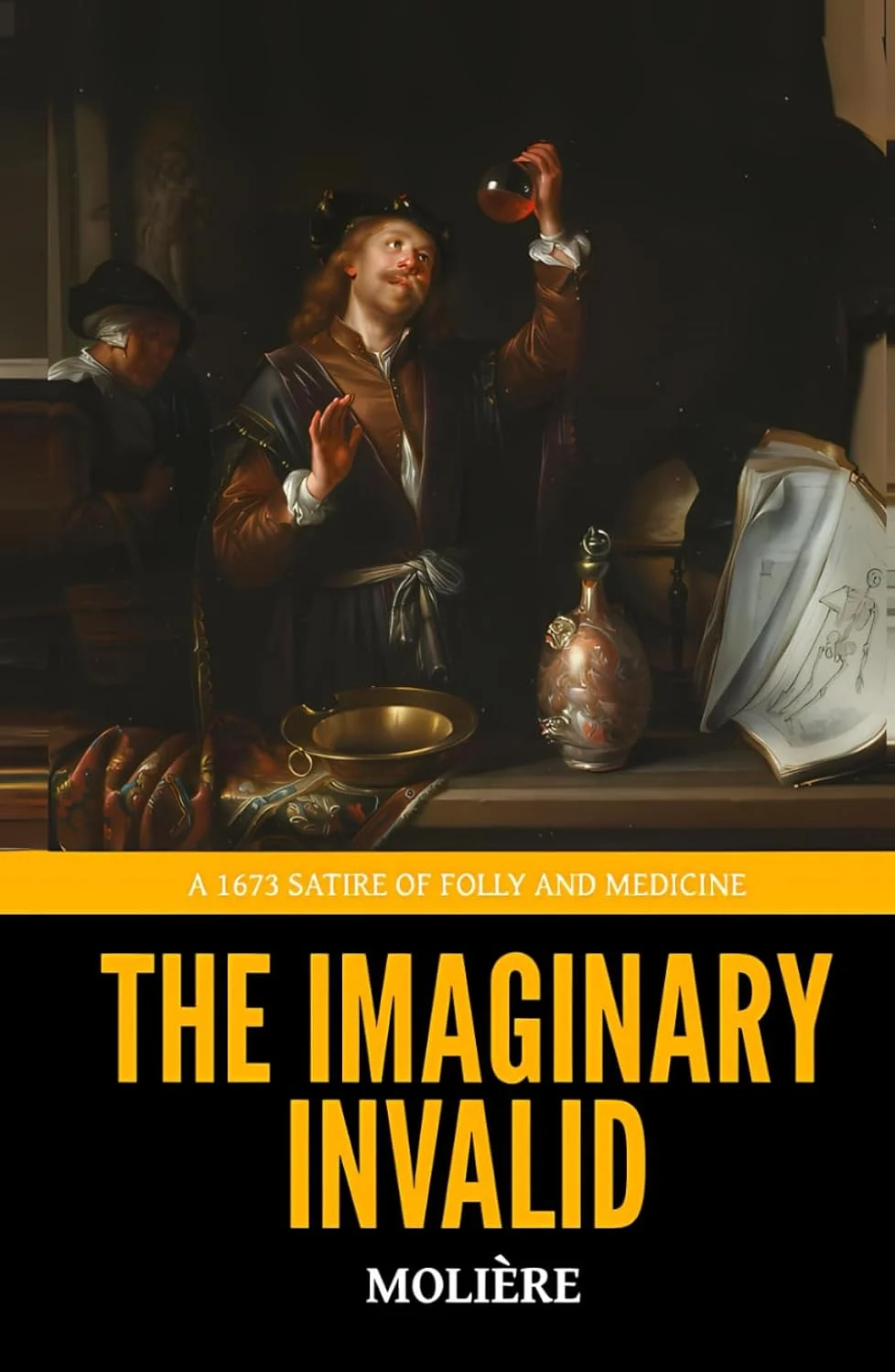
The Imaginary Invalid

the_imaginary_invalid

The Imaginary Invalid By Molière

A hypochondriac convinced he’s dying. His wife plotting to inherit his money. His daughter in love with the wrong man. The Imaginary Invalid is a farce about obsession and the ways people convince themselves of things that aren’t true. Molière creates a world where the sick man is the only sane person and the supposedly healthy people are ridiculous. The dialogue is witty and physical. The play has many roles for different skill levels and allows for flexibility in casting. The comedy comes from situation and character, not from elaborate effects. Community theatre audiences love this play because it’s funny and warm. The protagonist is absurd but sympathetic. The secondary characters are fully realized. The ending is satisfying. Modern productions can update the setting without losing the heart of the play.

Cast: Flexible, 8–15+ actors. Flexible costuming and setting (period or contemporary). Multiple locations (house, streets, doctor’s office). Minimal set required. Best for community theatres of all sizes. 120 minutes.

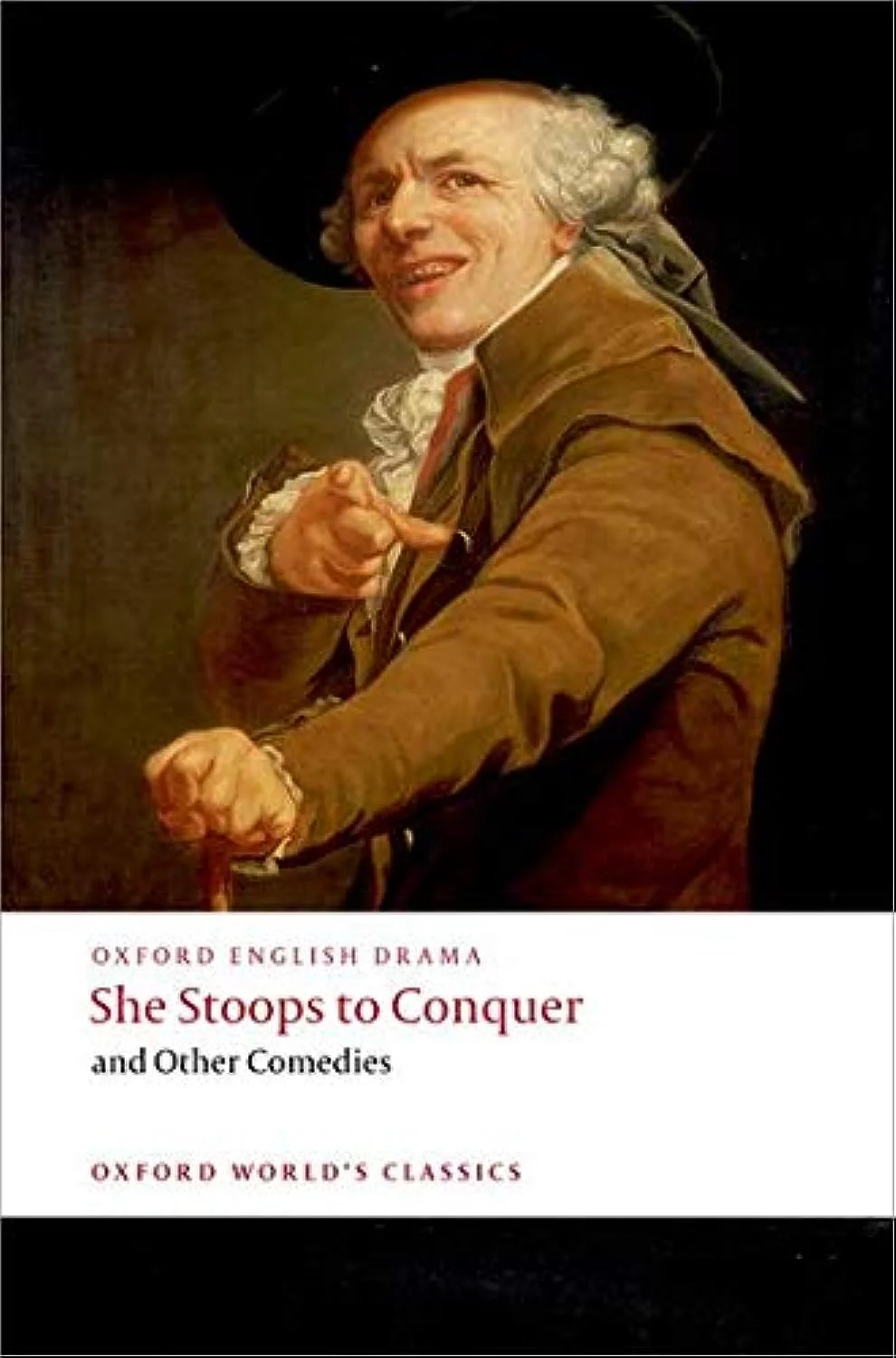
She Stoops to Conquer

she_stoops_to_conquer

She Stoops to Conquer By Oliver Goldsmith

A young man so shy he can barely speak to women. A young woman who disguises herself as a barmaid to win his heart. She Stoops to Conquer is a comedy about self-deception and the ways people create false versions of themselves. The dialogue is clear and funny. The characters are charming and flawed. The situations escalate in entertaining ways. The play has many roles for different skill levels. The secondary characters are as well-written as the main characters. Community theatre audiences appreciate this play because it’s entertaining and clever. The humor comes from character and situation, not from cruelty. The romance feels earned. The secondary plots are funny and touching. Modern productions can update the setting. The heart of the play remains timeless.

Cast: Flexible, 8–15+ actors. Flexible costuming and setting (period or contemporary). Multiple locations (country house, inn, streets). Moderate set with possible changes. Best for community theatres of all sizes. 120 minutes.

Modern Masterpieces From Theatre’s Golden Age

In the late 19th and early 20th centuries, theatre revolutionized itself. Ibsen, Chekhov, and their contemporaries moved away from melodrama and spectacle toward psychological realism and complex characters. These plays are now in public domain, which means community theatres can access revolutionary work without paying royalties. These are plays that changed how theatre tells stories. They’re still powerful because they’re rooted in observation of human behavior. They don’t offer easy answers. They create space for audiences to understand characters in all their complexity.

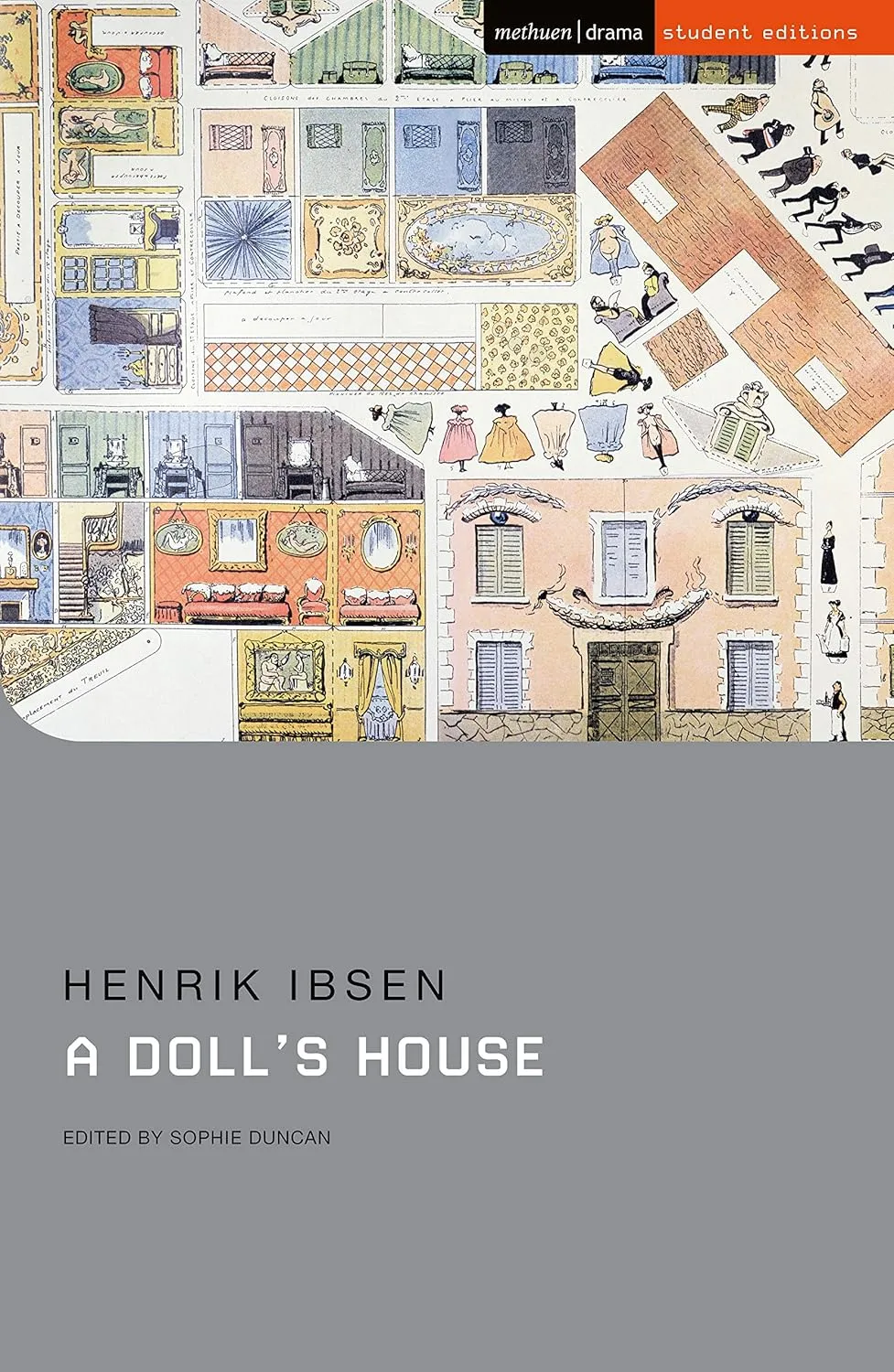
A Doll's House

A Doll's House By Henrik Ibsen

A woman in a marriage. A secret. A awakening. A Doll’s House is a revolutionary play about a woman claiming agency. Nora is a wife who has been treated like a doll, decorative and without real power. When she discovers that her sacrifice has been undervalued and her choices have not been her own, she walks out. The play shocked audiences because it suggested that a woman might matter more than a marriage. The dialogue is clear and powerful. The characters are fully realized. The play requires a small cast and minimal scenery. It can be staged realistically or with contemporary interpretation. The power comes from the performances and the ideas the play contains. Community theatre audiences understand this play because it speaks to real relationships and real choices about what we owe ourselves and each other.

Cast: 3 main roles, 5–8 flexible additional roles. Period or contemporary dress. Single interior location (house). Minimal furniture required. Best for community theatres of all sizes. 120 minutes.

Content Note: This play contains references to syphilis and abandonment. Consult with a dramaturg or institutional advocate to ensure appropriate support for your cast and audience.

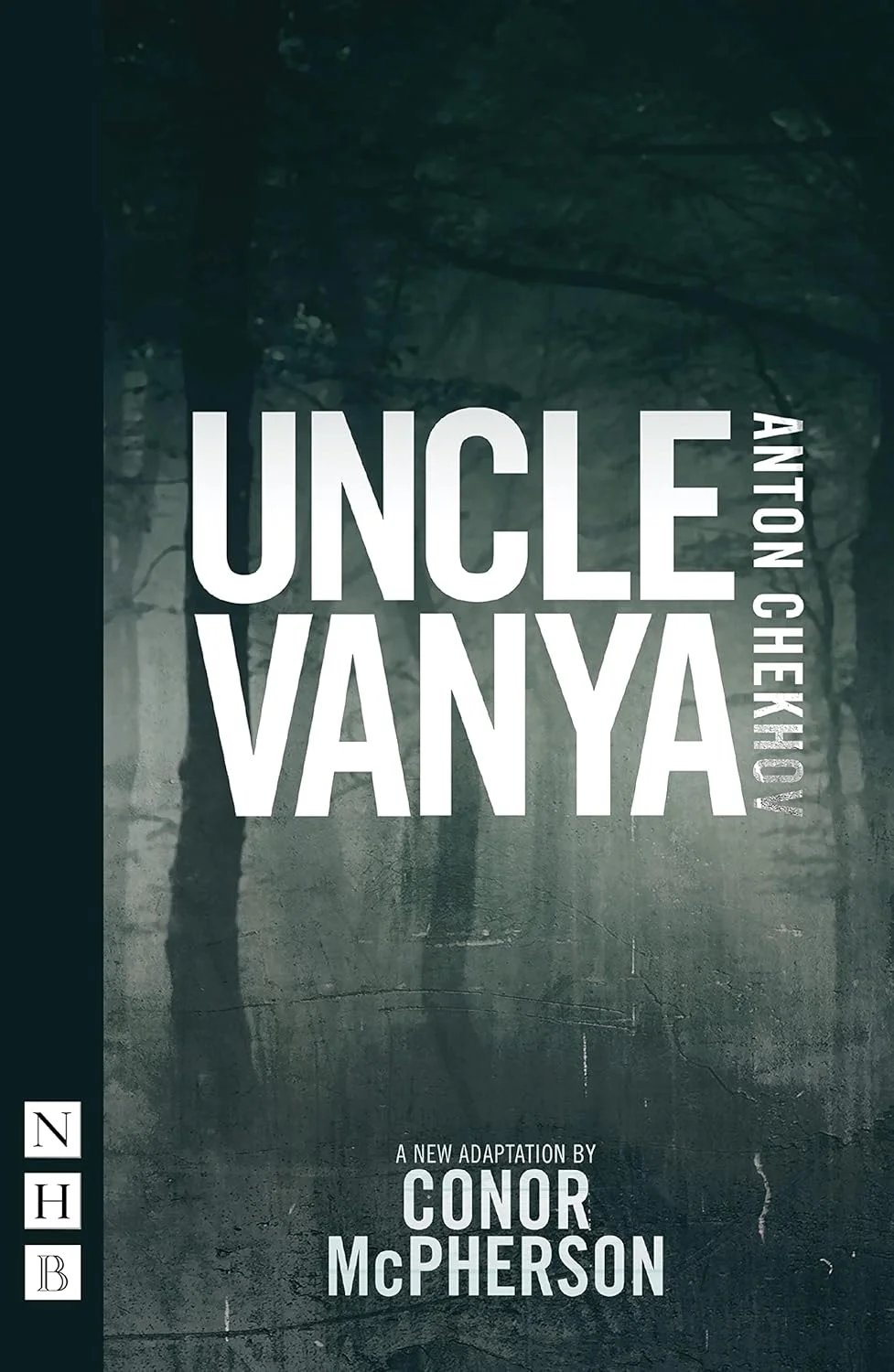
Uncle Vanya

uncle_vanya

Uncle Vanya By Anton Chekhov

A country estate. A retired professor returning with his young wife. Dreams deferred and possibilities lost. Uncle Vanya is a play about ordinary people and the small disappointments that accumulate into despair. Chekhov creates characters who want things they can’t have and are often blind to what they do have. The dialogue is naturalistic and reveals character through what’s unsaid as much as what’s spoken. The play has no dramatic plot in the traditional sense. Instead, it unfolds through character interactions and emotional shifts. Community theatre audiences appreciate Chekhov because he honors the complexity of ordinary life. Nothing is resolved. Everyone remains somewhat dissatisfied. But the play creates compassion for people struggling with mortality, desire, and the ways life doesn’t turn out the way we planned. The play requires careful attention from actors and audiences, but the rewards are profound.

Cast: Flexible, 8–15 actors. Period dress (late 19th century Russia, though can be updated). Single location (country estate). Minimal set required. Best for community theatres willing to tackle subtle material. 120 minutes.

Public domain plays are not compromises. They’re invitations to create theatre that matters, without the financial burden of royalties. These six plays are masterpieces that have survived centuries because they speak to something fundamental about human experience. Produce Medea and create conversation about justice and maternal rage. Produce Antigone and explore conscience versus law. Produce Molière and remember that laughter is a form of wisdom. Produce A Doll’s House and tell a story about women claiming power. Produce Uncle Vanya and create space for the disappointments and small joys of ordinary life. Your community deserves access to the greatest theatre ever written. These plays make that possible.

Support artists—share this

More like this, twice a month.

Off-Book is the Skene newsletter for artists and makers. Profiles, opportunities, and editorials, free. New subscribers also receive the 2026 Performing Arts Survival Guide.

About the Author

Leave a Reply

Your email address will not be published. Required fields are marked *

partner content

RELATED POSTS.

FREE FOR ARTISTS

Get the 2026 Performing Arts Survival Guide.

Practical career guidance for performing arts artists and makers. Take it with you.