Rodrigo Sosa Bernal: The Divine Spark.
Mexican costume designer whose work spans theatre, film, and advertising, rooted in

Mexican costume designer whose work spans theatre, film, and advertising, rooted in

Nobody hires you for the paper. An honest look at what a

Mexican director Itzhel Razo on ritual theatre, the sacred stage, Balinese influence,

Colombian scenic designer whose intuitive, joyful practice builds worlds that make audiences

A performer trades arena tours for self-funded stages, and finds the venues
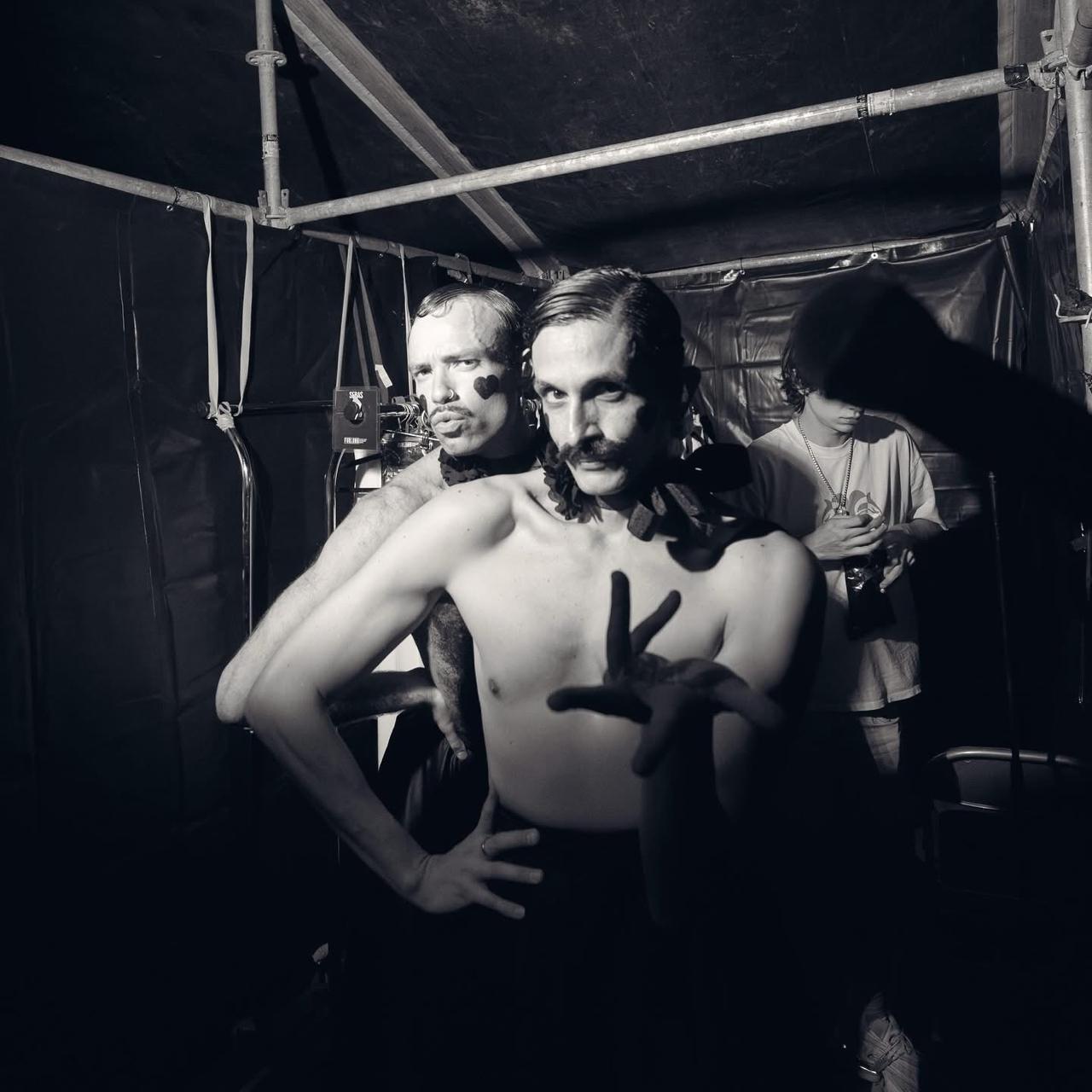
Hace un año, estaba por concluir mi participación en el Autopoiética Tour de Mon Laferte. Veníamos de otro año y medio, previo, de haber pisado Latinoamérica, Estados Unidos y Europa. Y de haber actuado en festivales como el Vive Latino, con shows inolvidables: horarios estelares, venues masivos y audiencias de miles de personas.
Sin embargo, debajo de aquella euforia, yo sabía que se aproximaba un “portal de salida”. Esa gira -que me había dado tanto- estaba por llegar a su fin. Y yo no tenía trabajo programado para después. Nada.
Al ser mi primera experiencia laborando en la industria del entretenimiento comercial, decidí enfocarme en vivir presentemente cada concierto, cada país y cada viaje. Soy consciente de que preferí salir a explorar y devorarme los lugares a los que llegamos, que quedarme en los hoteles llenando convocatorias en la computadora.
A year ago, I was about to wrap up my time on Mon Laferte’s Autopoiética Tour. We came from another year and a half before that, having set foot across Latin America, the United States, and Europe. And having played festivals like Vive Latino, with unforgettable shows: prime-time slots, massive venues, and audiences of thousands.
And yet, underneath all that euphoria, I knew an “exit portal” was approaching. That tour, which had given me so much, was about to come to an end. And I had no work lined up for after. Nothing.
Since it was my first experience working in the commercial entertainment industry, I decided to focus on living each concert, each country, and each trip in the present. I’m aware that I chose to go out and explore, to devour the places we landed in, rather than stay in the hotels filling out applications on my computer.
Lógicamente, después vino un vacío: concluyó mi participación y me estrellé de cara, nuevamente, con la realidad del artista no mediático. Hubo meses malos, en los que viví de mis ahorros. Hubo otros meses en los que, afortunadamente, surgieron trabajos que me permitieron subsistir. El cierre de año fue agotador, física y emocionalmente: pasar de un salario seguro bien remunerado a la precariedad del creador mexicano que espera cuatro meses por un pago institucional es desmoralizante (me pasó en el Instituto Nacional de Bellas Artes y en la UNAM).
Todo esto acontece durante 2025 cuando, encima, me encontraba en camino a ajustar mis primeros cuarenta años. Y, con ello, también rumbo a mi crisis de la mediana edad.
Ahora bien, algo positivo surgió de esto. Como ya lo he escrito anteriormente, durante mi fase Autopoiética compartí escena con otro bailarín que se ha convertido en un hermano para mí: Sebastián. Durante ese tiempo, pude atestiguar como Sebas gestionaba de manera autónoma su performance “La Caballota”, presentándose en espacios independientes, no pertenecientes a ninguna secretaría de cultura federal, estatal o municipal. Eso, aunado al ver el poder de Mon al cantar sus canciones durante dos años, me inyectó una urgencia por volver a contar mis propias historias en el teatro.
Naturally, an emptiness followed: my participation ended, and I crashed face-first, once again, into the reality of the non-famous artist. There were bad months, when I lived off my savings. There were other months when, fortunately, jobs came up that let me get by. The end of the year was exhausting, physically and emotionally: going from a secure, well-paid salary to the precariousness of the Mexican creator who waits four months for an institutional payment is demoralizing (it happened to me at the National Institute of Fine Arts and at UNAM).
All of this unfolds during 2025 when, on top of it, I was on my way to rounding out my first forty years. And, with that, also heading toward my midlife crisis.
Now, something positive came out of this. As I’ve written before, during my Autopoiética phase I shared the stage with another dancer who has become a brother to me: Sebastián. During that time, I got to witness how Sebas independently managed his performance “La Caballota,” presenting it in independent spaces, ones that don’t belong to any federal, state, or municipal ministry of culture. That, together with seeing Mon’s power as she sang her songs for two years, injected me with an urgency to go back to telling my own stories in the theatre.
¿Pero cómo hacerlo? ¿Cómo producir sin beca, ni estímulo, ni financiamiento? ¿Cómo volver al escenario sin haber aplicado a las convocatorias de programación; y encima habiendo sido rechazado de las pocas que logré formular? Pero el deseo de hacer teatro, para mí, es una fuerza inexplicable. Entonces, recordé aquella célebre frase de Jerzy Grotowksi (1968):
“El teatro puede existir sin vestuario o escenario, sin música, sin luces y aún sin texto. El único elemento que no se puede eliminar es la relación viva entre actor y espectador”
Luego, rememoré una charla con un amigo que, allá por 2021, me dijo: “mano, deberías hacer un stand up. Puedes empezar a probarlo en tu sala y en reuniones con amigos”.
Entonces, tomé una decisión. Para mi aniversario cuarenta no me haría una fiesta, si no una obra de teatro: una que podría ensayar, programar y presentar hasta en la sala del departamento donde vivo. Sin convocatoria, sin institución cultural, sin música, sin luces; es más, sin duela ni telón.
But how to do it? How to produce without a grant, without a stipend, without funding? How to return to the stage without having applied to the programming calls; and, on top of that, having been rejected from the few I did manage to put together? But the desire to make theatre, for me, is an inexplicable force. So, I remembered that famous line from Jerzy Grotowski (1968):
“The theatre can exist without costumes or scenery, without music, without lights, and even without a text. The one element that cannot be eliminated is the living relationship between actor and spectator.”
Then I recalled a conversation with a friend who, back in 2021, told me: “man, you should do stand-up. You could start trying it out in your living room and at hangouts with friends.”
So I made a decision. For my fortieth birthday I wouldn’t throw myself a party, but a play: one I could rehearse, schedule, and perform even in the living room of the apartment where I live. No programming call, no cultural institution, no music, no lights; in fact, no stage floor and no curtain.
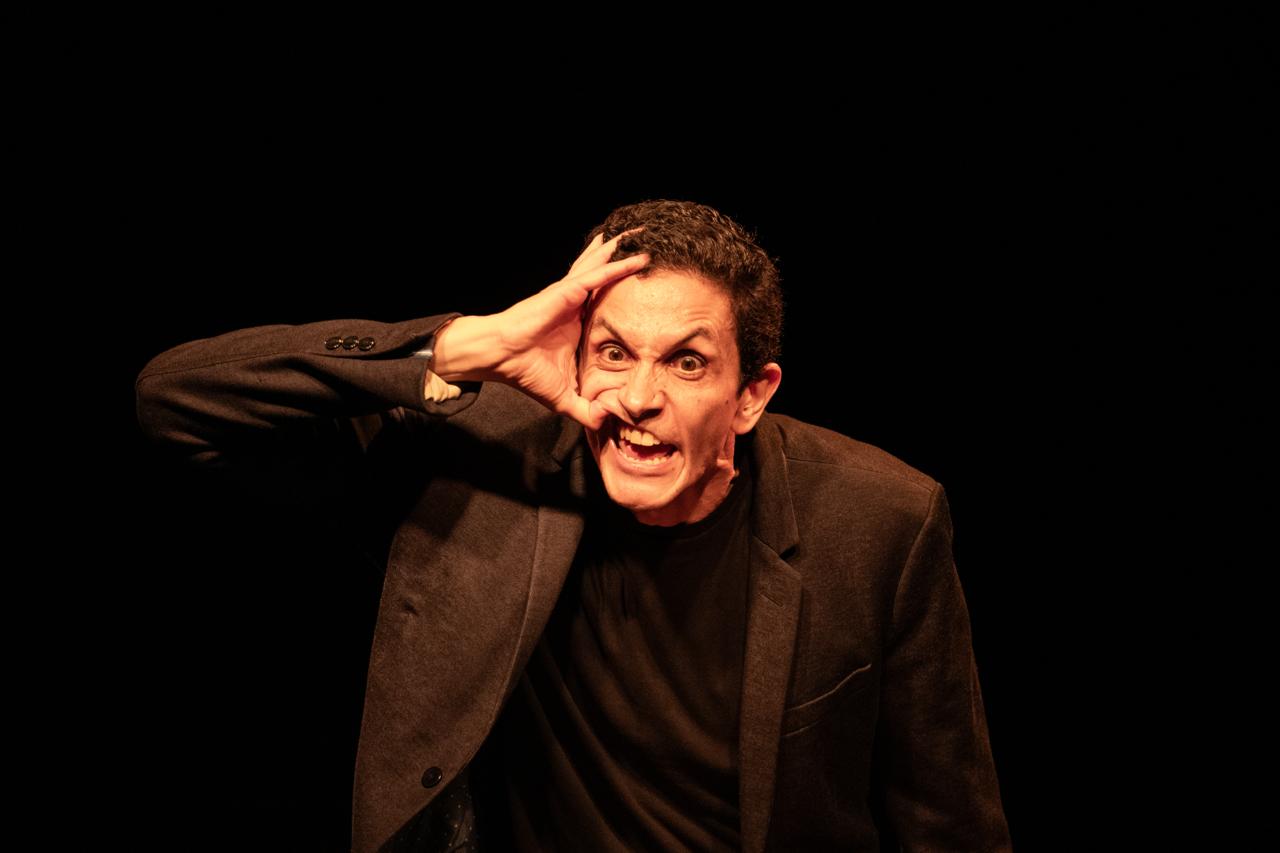
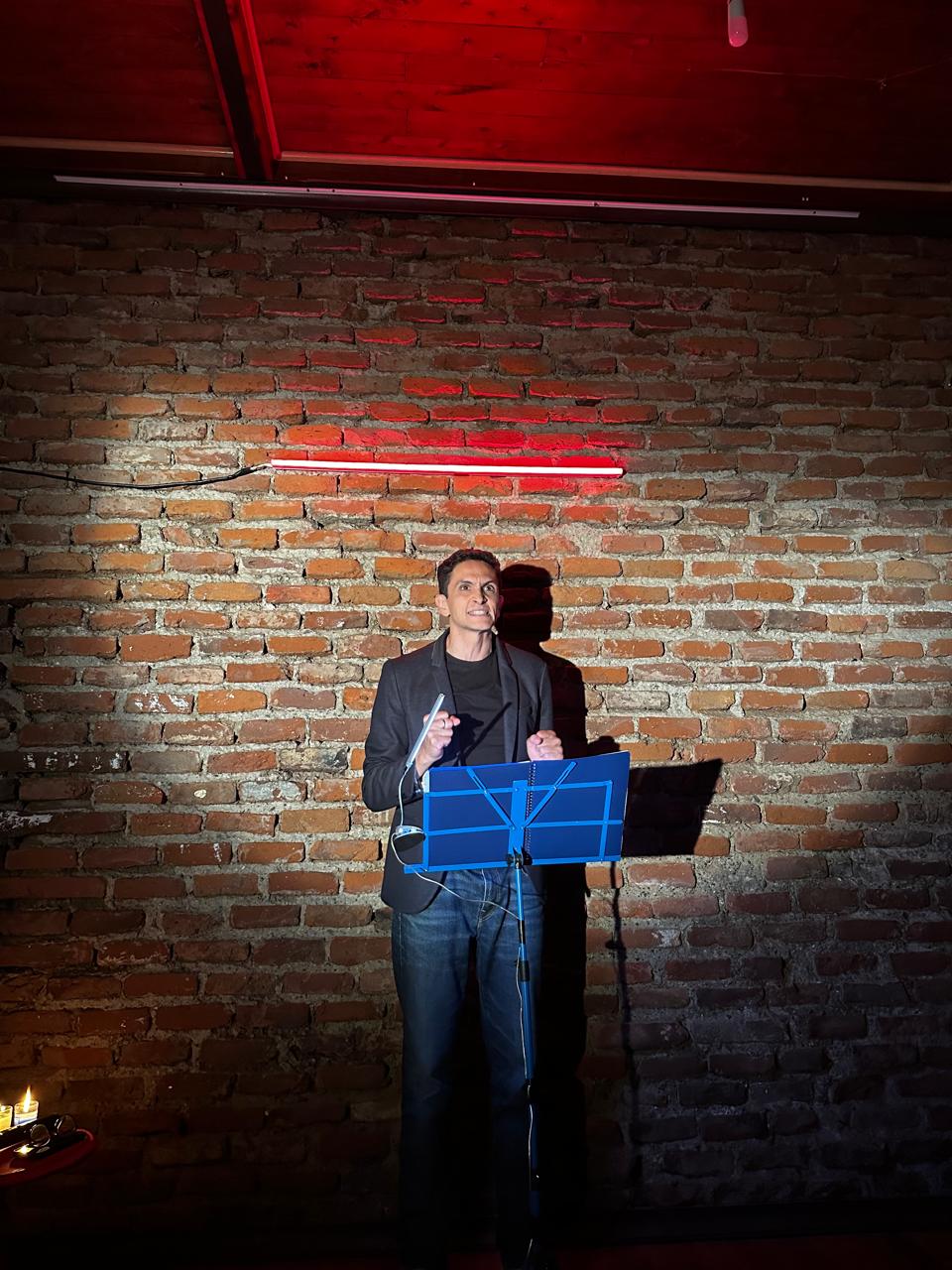
Como tenía ya varios temas que me atravesaban en el tintero, desde años atrás, era el momento de articularlos y llevarlos a escena. Así nació mi más reciente monólogo: La Leyenda del Ermitaño, un martes 16 de septiembre -el día previo a mi cumpleaños. Aunque el estreno no fue propiamente en la sala de mi casa… sino en el Teatro Varsovia de la Ciudad de México -a cuyo equipo le estoy enormemente agradecido por permitirme darle vida a este proyecto, en las condiciones más amables y consideradas.
La obra es un cuento histórico y de realismo mágico que escribí. El protagonista: Miguel Cabrera, un hombre nacido en el siglo XVII, en el Virreinato de la Nueva España. Él llega al mundo con la habilidad de crear espejismos de luz usando sus palabras y estos poderes le son arrebatados por el Santo Oficio. En una simpática charla con la audiencia, yo ligo su viaje por recuperarlos con mis reflexiones de la edad.
Desde el estreno, este regalo que me hice ha detonado un bello viaje, impulsado solamente por el goce de “contar la historia” y encontrarme con otras personas con cuestionamientos similares. Movido por aquella fuerza inexplicable, he armado una gira independiente y autogestiva de La Leyenda del Ermitaño -sin ningún apoyo institucional hasta ahora- que ha llevado la pieza a Santiago (Chile), Cuautla (Morelos), Xalapa (Veracruz), Oaxaca (Oaxaca), Chilpancingo (Guerrero), Irapuato (Guanajuato), Monterrey (Nuevo León), diversas latitudes de la Ciudad de México y a León (Guanajuato), mi ciudad natal.
Since I already had several themes that had been running through me, sitting in the inkwell for years, it was time to articulate them and bring them to the stage. That’s how my most recent monologue was born: The Legend of the Hermit, on Tuesday, September 16, the day before my birthday. Though the premiere wasn’t exactly in my living room… but at the Teatro Varsovia in Mexico City, whose team I’m enormously grateful to for letting me bring this project to life, under the kindest and most considerate conditions.
The play is a historical, magical-realist tale that I wrote. The protagonist: Miguel Cabrera, a man born in the 17th century, in the Viceroyalty of New Spain. He comes into the world with the ability to create mirages of light using his words, and these powers are torn away from him by the Holy Office. In a friendly conversation with the audience, I tie his journey to recover them to my own reflections on age.
Since the premiere, this gift I gave myself has set off a beautiful journey, driven only by the joy of “telling the story” and meeting other people with similar questions. Moved by that inexplicable force, I’ve put together an independent, self-managed tour of The Legend of the Hermit, without any institutional support so far, that has taken the piece to Santiago (Chile), Cuautla (Morelos), Xalapa (Veracruz), Oaxaca (Oaxaca), Chilpancingo (Guerrero), Irapuato (Guanajuato), Monterrey (Nuevo León), various corners of Mexico City, and to León (Guanajuato), my hometown.

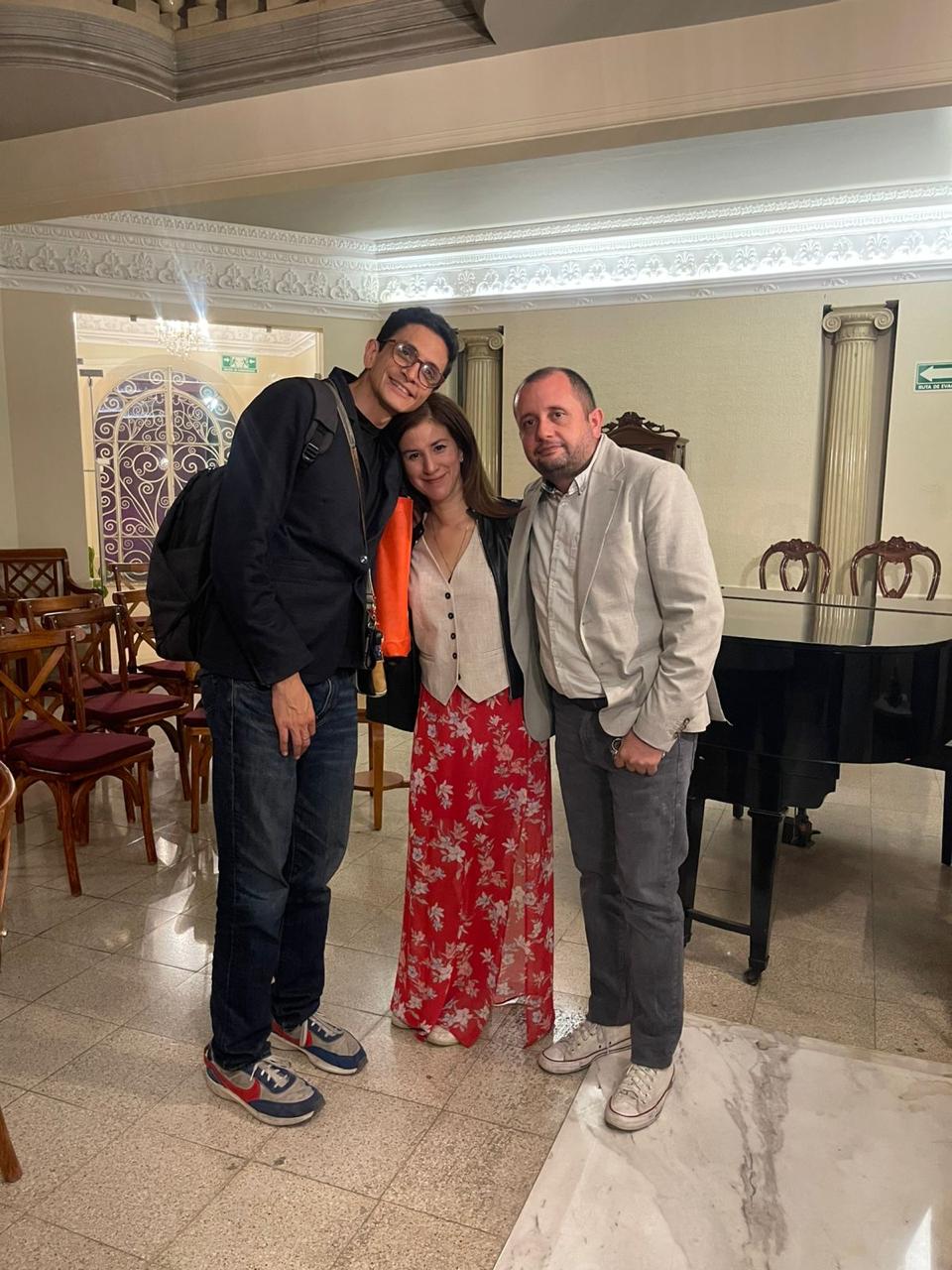
El gran hallazgo es que todos y cada uno de los foros que han recibido tan cariñosamente al Ermitaño, se caracterizan por ser espacios sostenidos por la fe inagotable de personas comprometidas con el arte y su entorno. Así, este viaje no solo me ha ayudado a pagar la renta, sino que ha sido un enorme aprendizaje espiritual.
Confieso que, constantemente, me encuentro en la disyuntiva de abandonar o no las artes escénicas. De hecho, una de las premisas del Ermitaño fue crear algo con lo que -ante la incertidumbre- pudiera decir: “vale, después de esto me retiro satisfecho”.
Pero, a pesar de estar en ese punto, dispuesto ya a dedicarme a otra cosa que me dé más estabilidad y tranquilidad, cada uno de estos foros y personas me han anclado al por qué hago teatro.
The great discovery is that each and every one of the venues that have so lovingly received the Hermit share one trait: they are spaces sustained by the inexhaustible faith of people committed to art and to their community. And so, this journey hasn’t only helped me pay the rent, it has been an enormous spiritual education.
I confess that I constantly find myself at the crossroads of whether or not to leave the performing arts. In fact, one of the premises of the Hermit was to create something that, in the face of uncertainty, would let me say: “alright, after this I can retire satisfied.”
But even standing at that point, already willing to devote myself to something else that offers more stability and peace of mind, each one of these venues and people has anchored me to why I make theatre.
Es maravilloso presenciar la catarsis en una arena de 60,000 personas. Lo viviría una y otra vez (y bueno, con esos pagos por show, qué mejor). Y, al mismo tiempo, he encontrado que también es poderosamente transformador sentir cómo en una sala pequeña se nos sacude el espíritu a 16 espectadores y a mí, en un acto tan… ¿ritual?; inclusive aun cuando alguno de esos espectadores se incomode con la propuesta –“en gustos se rompen géneros”. De hecho, siento que mi mayor crecimiento es allí.
Así que, estimado lector, lectora, lectorx, por eso he decidido emprender esta columna titulada “El viaje del Ermitaño”. Agradezco enormemente a Skene por la apertura para permitirme habitar su espacio con esta bitácora que, en cada entrega, pretende ser un altavoz -a mis posibilidades- para dar a conocer estos espacios independientes y a las maravillosas personas que los sostienen.
Además de contribuir a la promoción artística, es la manera que tengo de agradecer que poco a poco me ayuden a recobrar la fe en mí y en mi trabajo; en el marco del primer aniversario del proyecto.
¡Iniciamos!
It’s wonderful to witness catharsis in an arena of 60,000 people. I would live it again and again (and well, with those show fees, all the better). And at the same time, I’ve found that it’s also powerfully transformative to feel how, in a small room, the spirit is shaken in all of us, the sixteen spectators and me, in an act so… ritual? Even when one of those spectators is made uncomfortable by the work, “there’s no accounting for taste.” In fact, I feel that my greatest growth is there.
So, dear reader, that’s why I’ve decided to launch this column titled “The Hermit’s Journey.” I’m deeply grateful to Skene for the openness to let me inhabit their space with this logbook, which, in each installment, aims to be a loudspeaker, to the best of my ability, for shining a light on these independent spaces and the wonderful people who sustain them.
Beyond contributing to artistic promotion, it’s the way I have of giving thanks that, little by little, they’re helping me recover faith in myself and in my work; on the occasion of the project’s first anniversary.
Let’s begin!
Support artists—share this
Off-Book is the Skene newsletter for artists and makers. Profiles, opportunities, and editorials, free. New subscribers also receive the 2026 Performing Arts Survival Guide.
We use cookies to optimize our website and our service functionalities.
Practical career guidance for performing arts artists and makers. Take it with you.