




by @mdebusk
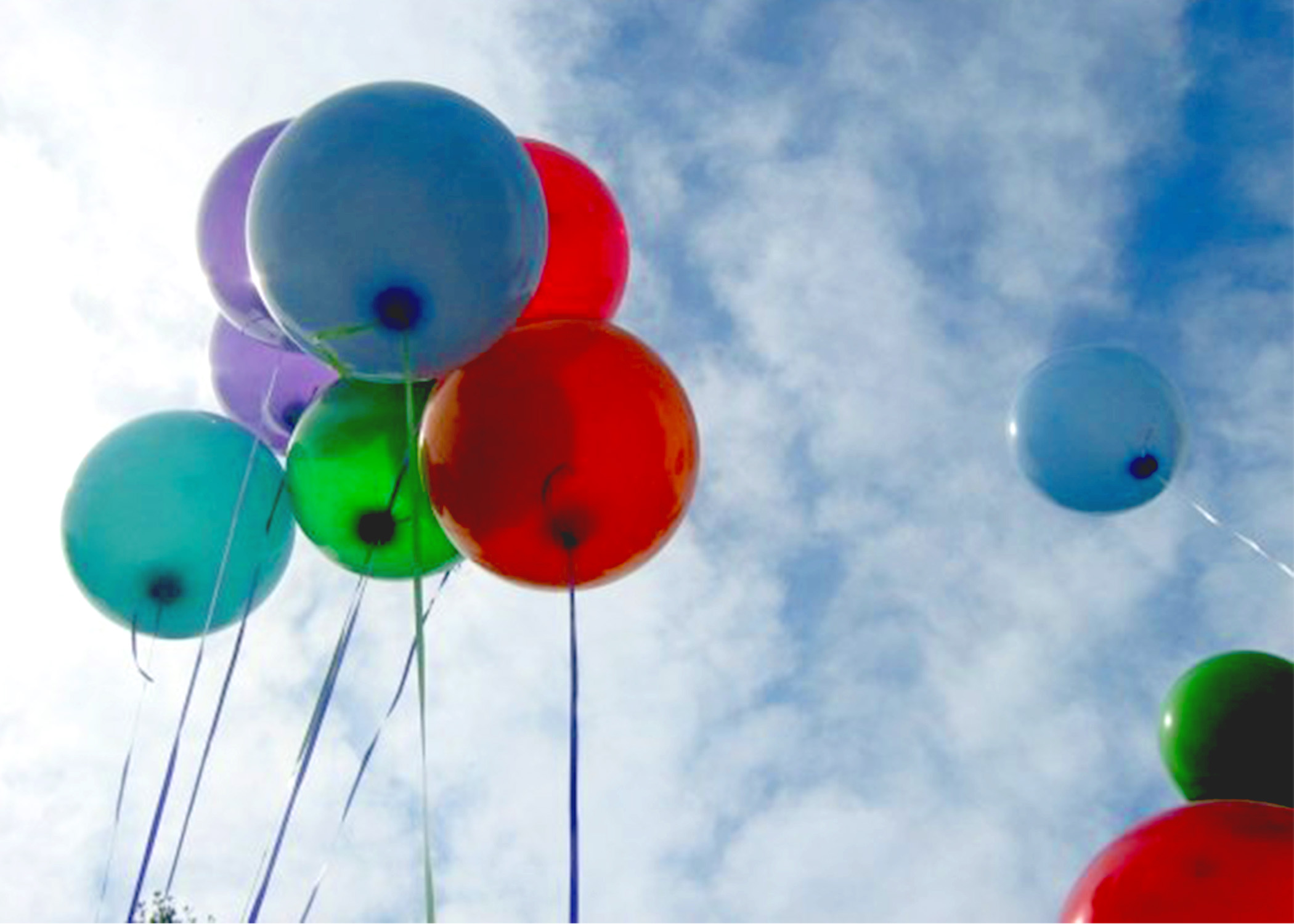
In June 2009, I attended my first Pride March, which happened to be the first event of its kind near my rural hometown. Somewhere between 300 and 500 people gathered. There were speakers and vendors, signs and balloons, celebration and reflection. The meeting place was full of cheerful chatter; the assembled marchers were vibrant, loving, and kind. I remember bubbles.
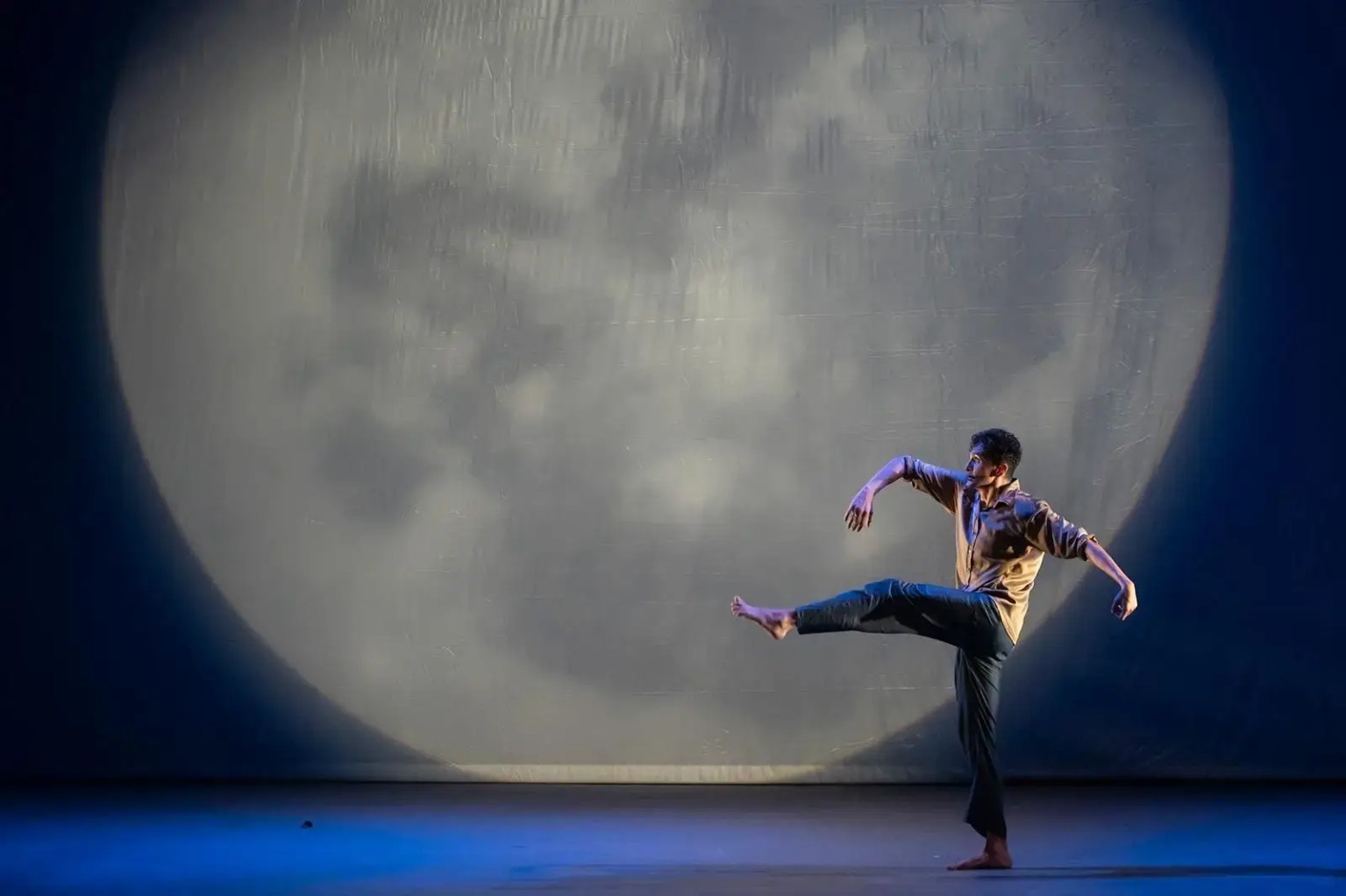
As we walked, we sang, we chanted, we clapped, we cheered. A living embodiment of community – a group not of trained professional performers singing and dancing in time but of teachers and nurses and parents and friends using our voices and our bodies to give life to our stories, the stories of our loved ones, and the stories of those who couldn’t be with us.
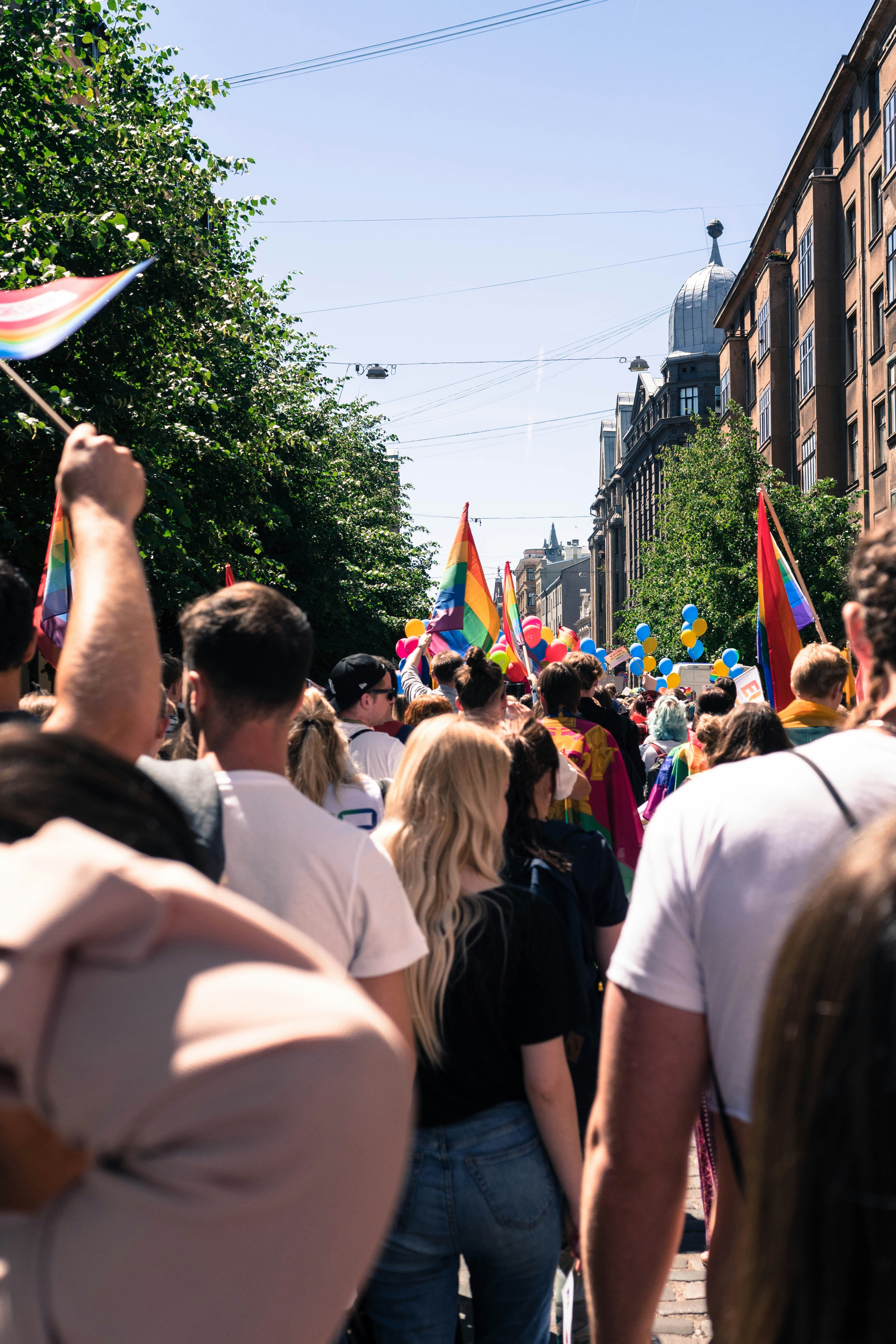
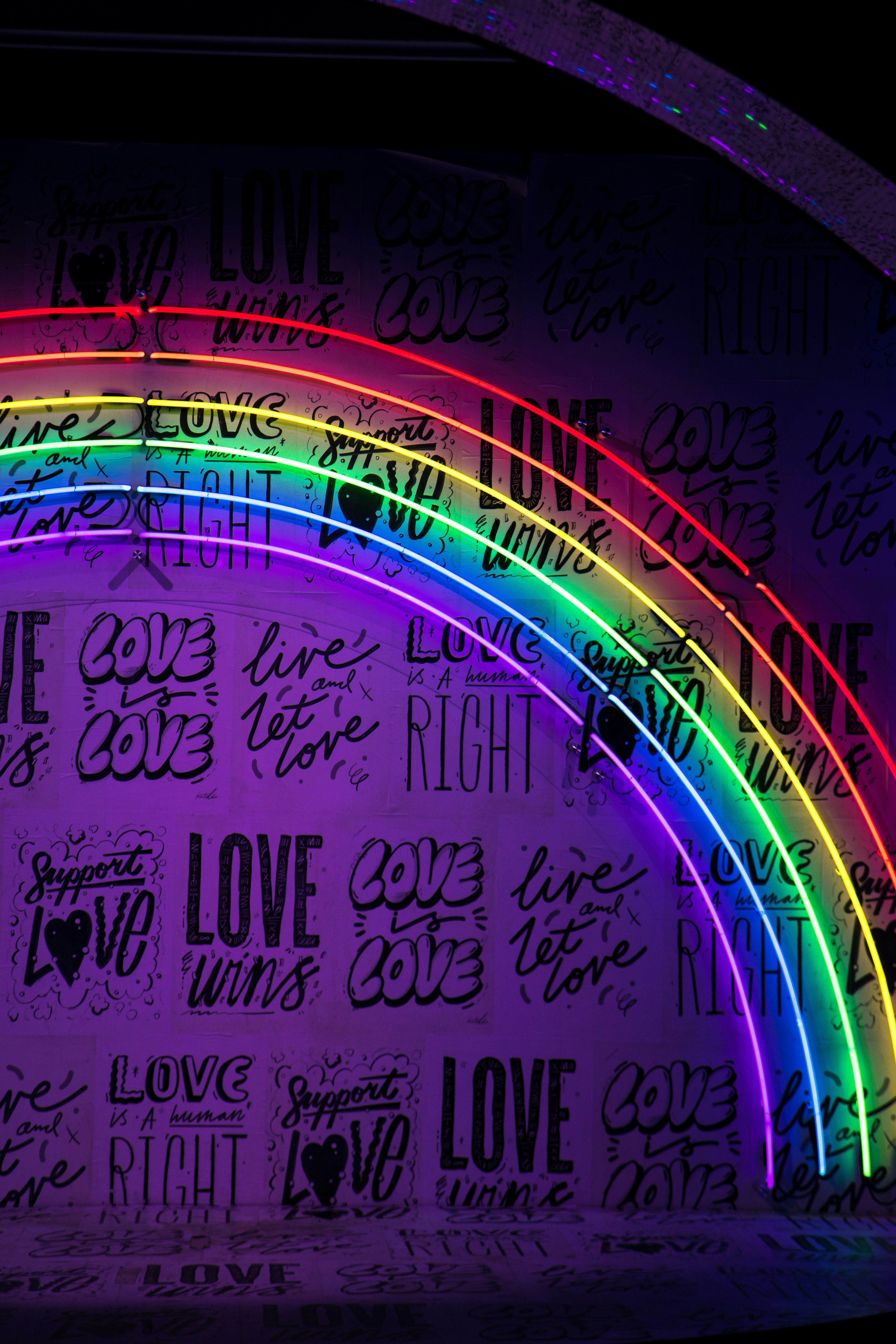
The positivity and support was so great that from the center of the file, marching down the street, you would hardly know that there were groups of counter-protesters on the sidewalk to our left and right. But they were there – grimacing and gray, holding their own signs, and shouting venomous words at the line of celebration flowing past them. It struck me then, as I relished in what must be the closest a person can come to being hugged by a rainbow, that I was so fortunate to know this joy, this many-colored splendor. There is a delight and a freedom in authenticity and community, and it is magnified over and over again by every person who walks beside you.
Looking out at the contrast of dark blue frowns and khaki scowls on the sidewalk, I saw a very different world. There again were people, collected together, using their voices and their bodies to send a message, but it was not the same. Their sounds didn’t bring people together; they pulled them apart. Their movements didn’t relay fluid freedom but rigid confinement. In place of authenticity, there were shame and fear and a resistance to understanding. I couldn’t help but wonder: how deep is your pain that your strongest conviction calls you to use your voice and your body to bring others down?
Every year, when we return to June and celebrate LGBTQIA+ Pride, I think of that story. A story of resounding brilliance, of the power of a community to gather together and overcome hatred by lifting their voices and shining their light. In many ways, it’s what I love about making collaborative and community-driven art. Every day is an opportunity to contribute to the places and the projects and the people who use their bodies and their voices to encourage belonging and acceptance, who lead with determination and joy in the face of adversity, who seek to understand, and who value the bliss of being hugged by a rainbow.
Often in arts and media, we come across representations of queer life that range from stressful to unbearably heart-wrenching. Conflict sells, and there is plenty of it in our collective history, but it cuts us short. By capitalizing on our worst days, we only tell half of the story. Yes, there is pain. But in the spirit of Pride, with every upset, there is the opportunity to rise. By standing together, raising our voices as a chorus, listening to the words of others, and sharing our stories with each other and for each other, we can shine brighter, sing louder, and walk farther than those who would seek to stop us.

In New York City in 1969, homosexuality was a criminal offense as was wearing more than three articles of clothing not associated with your assigned gender. Operating on the fringes, queer spaces were often subject to scrutiny and threat. On June 28th, the Stonewall Inn was the site of an upset in the form of a police raid. This upset was followed by a rising, an Uprising, a series of protests and calls to action, largely led by queer and trans people of color, that would drastically change the face of the modern gay rights movement.
As with good storytelling, we can clearly see the cause and effect. Cause: Police Raid (and centuries of systemic oppression). Effect: Uprising. Most importantly, the effect then becomes the next cause for action. The protests of 1969 lead to the first Pride March – the Christopher Street Liberation Day March of 1970 – held in celebration and commemoration of those who contributed their voices and their actions to the Stonewall Uprising. Fifty-five years of cause and effect later, here we are.

Pride, like any performance, is up for interpretation by creators and audiences alike. Belonging and Joy. Courage, Dignity, and Self-Worth. Liberation and Protest. Each interpretation, each interaction, and each iteration is another voice in the chorus, another set of hands clapping, another person marching to rejoice in our triumphs and overshadow our critics.
As we near the end of Pride 2025, I can’t help but to reflect, and I invite you to reflect too. How are we using our voices and our bodies to uplift and come together? What can we do to ensure that we are not contributing to those who would use these powerful tools to rend communities and families apart? Knowing that each effect becomes a cause, how are we responding to each event in our collaborative story? What is the foundation we are laying?
In life and in art, I hope that together we can see our needs, overcome our obstacles, and rise to create something that is greater than the sum of its parts. A community, an action, a moment, crafted together, that continues to inspire and embolden those who come in contact with it for years to come. May our effects become the causes of future action that make those of us here today, those from moments past, and those yet to come, Proud.