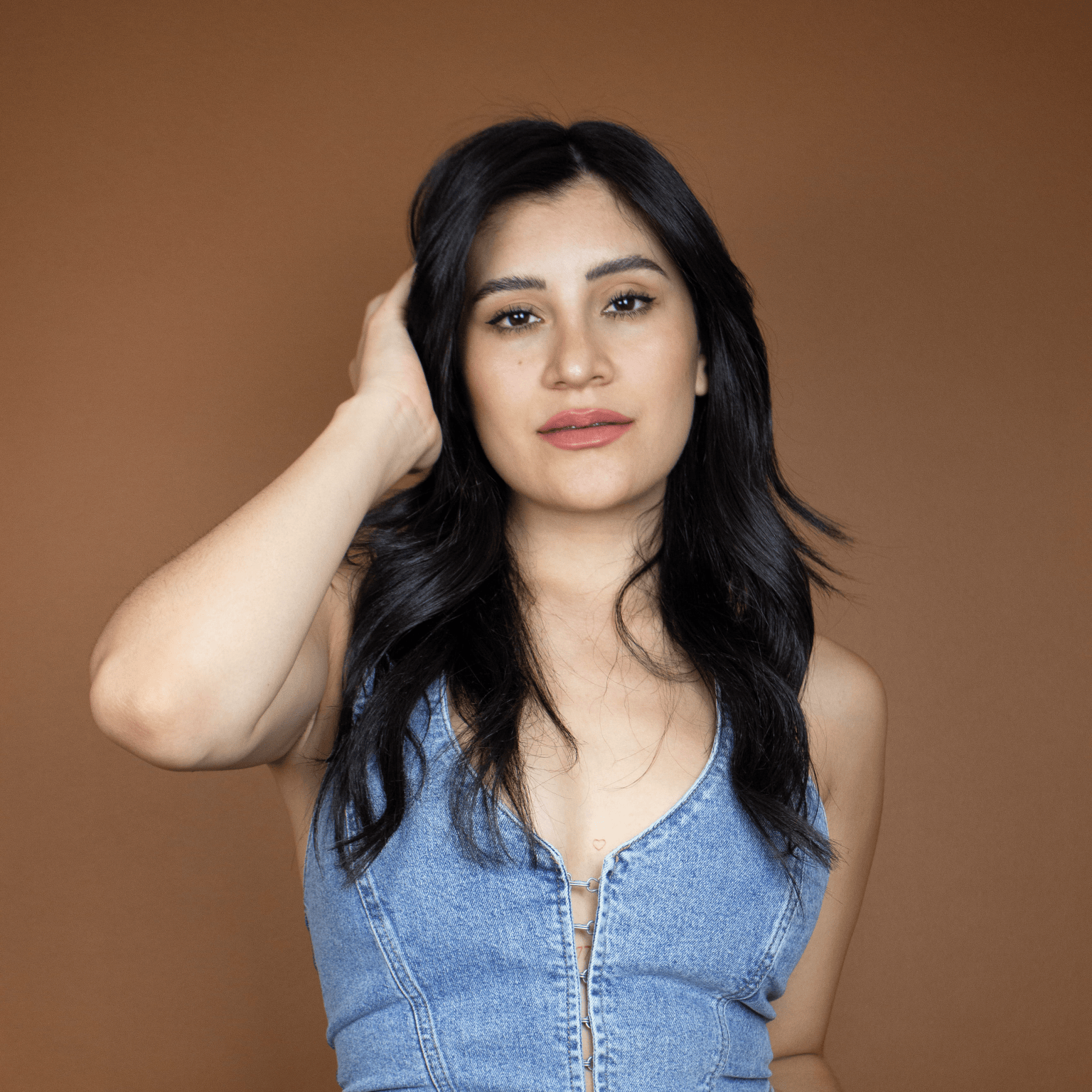
Shuyang Zhou: I Moved a Mountain.
Chinese scenic designer and USITT YDMT award recipient whose work builds worlds


Chinese scenic designer and USITT YDMT award recipient whose work builds worlds
Roberto Mosqueda cuenta cómo escribió La Leyenda del Ermitaño a los 40,

A props master’s field-tested rules for collaboration in the theatre, from doing
Emerging lighting designer whose work on Broadway and beyond is guided by

Six contemporary plays for student drama clubs and theatre groups. Minimal sets,
Shuyang Zhou has been drawing for as long as she can remember. The more precise origin came later: a runway show on television, a designer being interviewed afterward, a feeling she could not quite name but never forgot. Then Chicago on stage, and the specific question that would organize everything that followed. How do you put a story that big, with that many places and that many transitions, onto a single stage?
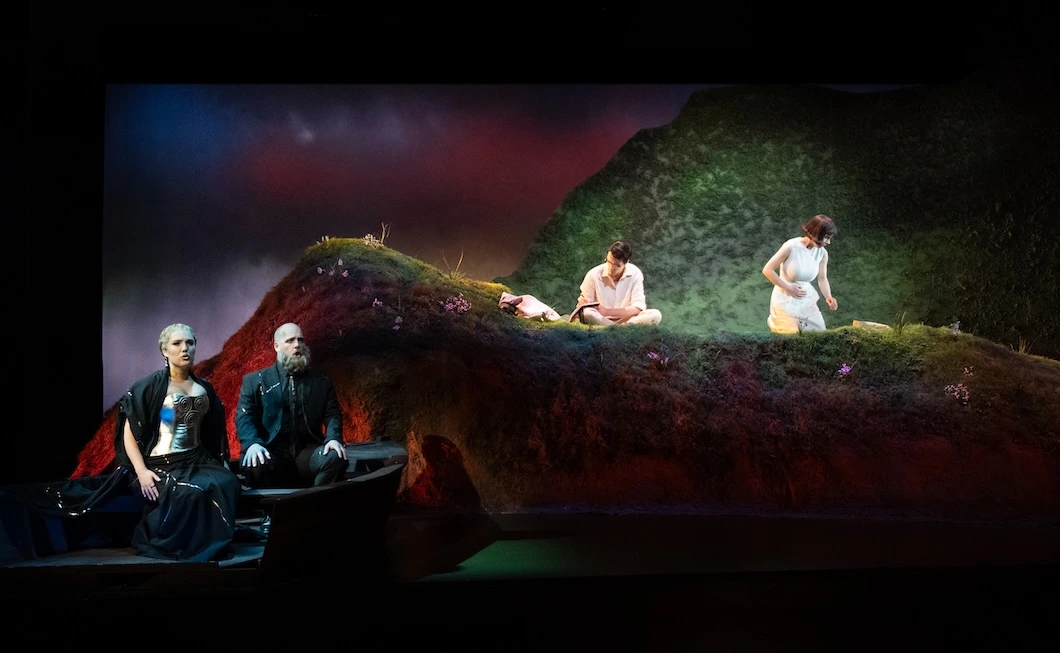
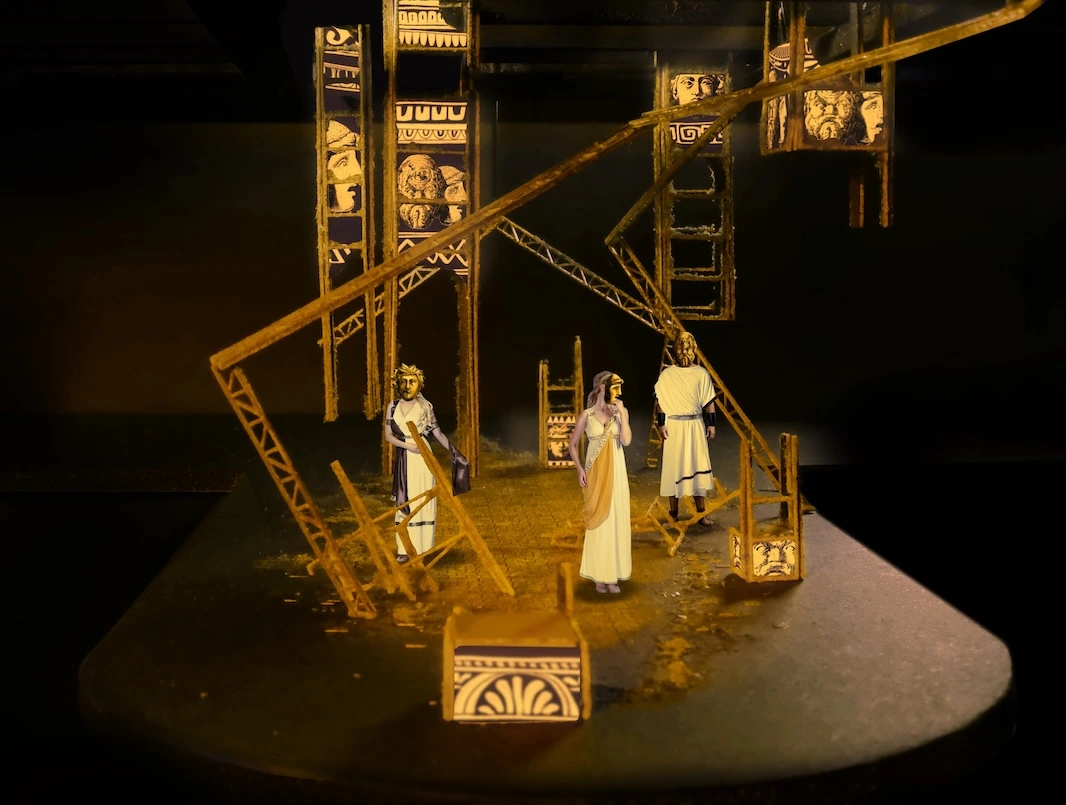
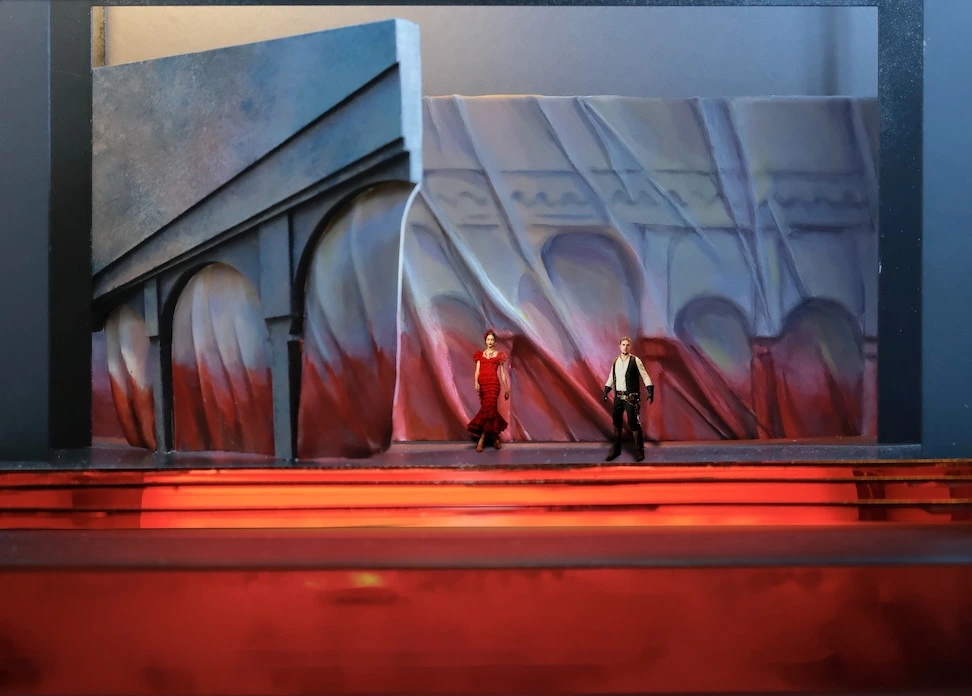
That curiosity became a practice, and the practice became a methodology. She starts with a mind map, then finds the conflict at the heart of the script, then lets the visual language grow from there. For Carmen, the confrontation between softness and hardness: soft fabric wrapping around Spanish architecture, a body against a system. For Ballymore, a mountain that rotated 180 degrees at intermission to reveal the house built into its back. Solutions that sound inevitable in retrospect and required everything to arrive at.
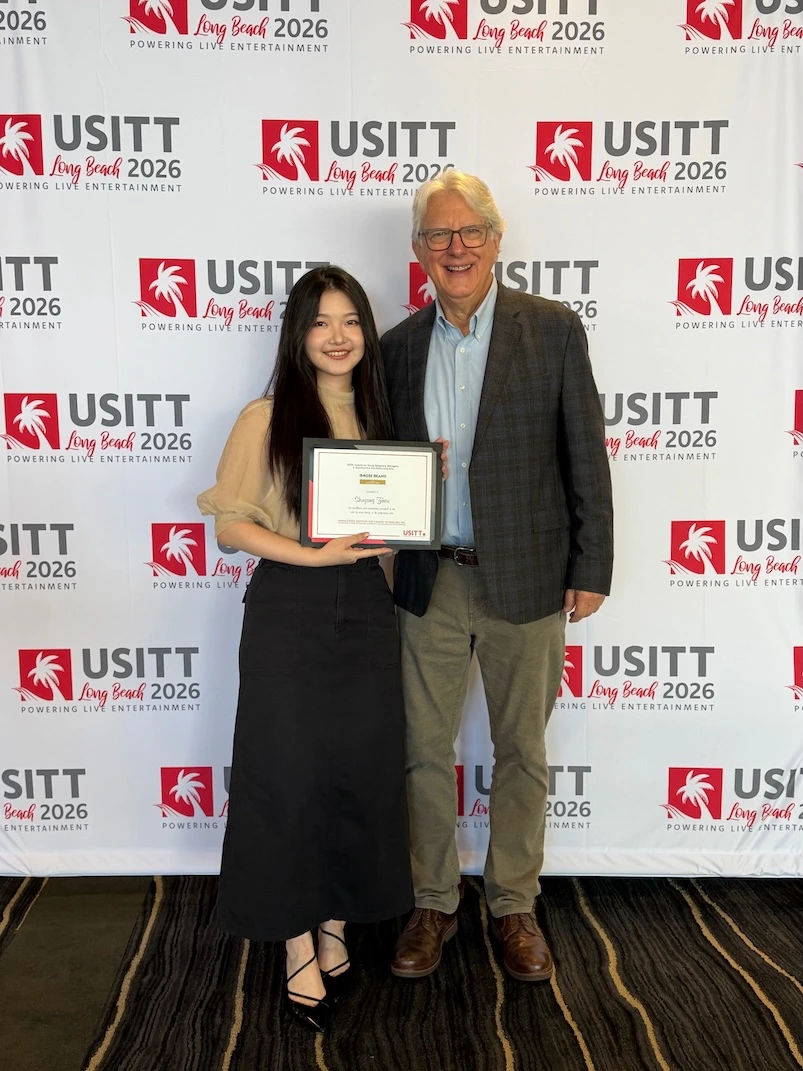
She came to the United States for her MFA when the pandemic closed the theatres in China, and the world got bigger. Broadway sharpened her taste. Diversity changed the way she reads stories. And the USITT YDMT Scenic Design Award told her, quietly, that the effort was registering.
Shuyang Zhou is a scenic designer who builds worlds that only exist for a moment and leave something behind, in this edition of PROFILES.
I’ve been drawing for as long as I can remember. In high school, I chose an art track and started learning painting in a more serious and structured way. Later, I studied at Hubei Institute of Fine Arts in China, and that was when I started asking myself, “Okay, how can I turn this into a real career?”
I think the first spark came much earlier. When I was a kid, I saw a runway show on TV, and it was just so beautiful. After the show, they interviewed the designer. I don’t really remember what she said, but I remember feeling amazed. I think that little moment stayed with me for years.
Later, I saw my first live show, Chicago. I had only seen the movie before, so seeing it on stage felt kind of magical. I was really curious about how the designers could put such a big story, with different places and fast transitions, onto one stage. That curiosity slowly led me to scenic design.
I feel the most satisfied when a project really challenges me, and then we find a way to solve it.
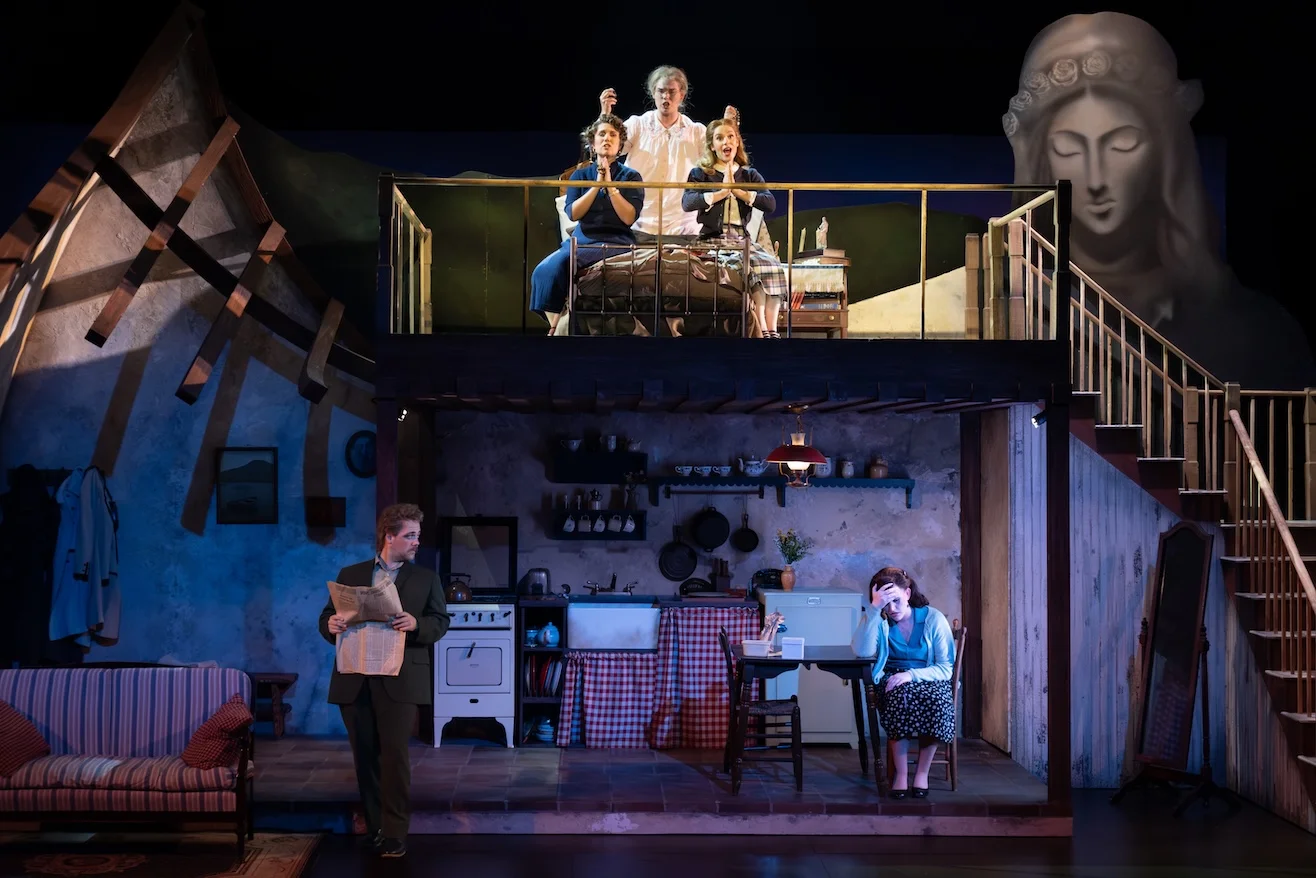
A good example is an opera I designed called Ballymore. It was in two parts, with two separate stories happening in the same time period, but in very different worlds. One was on a wide, open mountaintop, and the other was inside a house.
The theater made it more complicated because there was no fly system, and the wing space was very limited. So the big question was, “Okay, how are we going to make these transitions work?”
In the end, I built the house into the back side of the mountain. The mountain became the outside world, and behind it was the interior world. During intermission, we rotated the mountain 180 degrees, and the house was revealed. I talked with the tech team a lot to make sure it was actually possible, especially the size, because it had to be just right to rotate onstage.
When it finally worked, it felt really amazing.
I have my own system for translating a script into a visual world. I usually start by reading the script and making a mind map, so I can understand the story line clearly. I pay a lot of attention to the conflicts, because that is usually what drives the piece. Once I find those conflicts, the visual ideas start to come more naturally.
After that, I make a mood board based on the conflicts. This step is important for me because it helps me move away from only the literal text and toward something more abstract, like atmosphere, emotion, and texture.
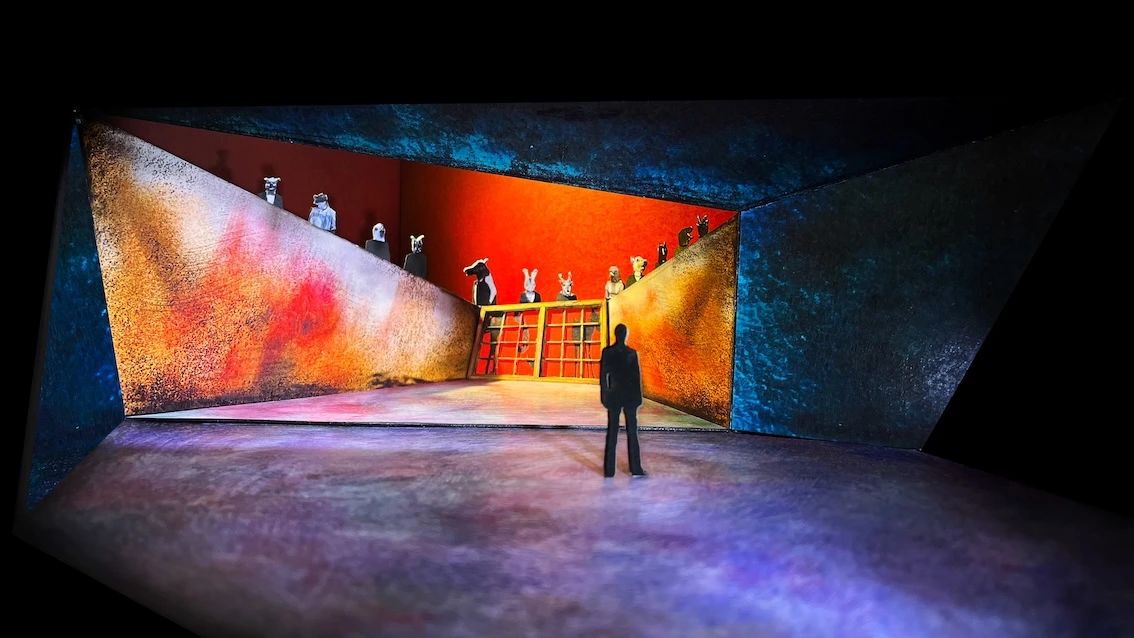
A good example is a school project I did at UNC School of the Arts, Carmen. My idea was about the confrontation between softness and hardness, Carmen’s soft female body facing the hard social system around her. I used Spanish architecture as a small version of that society, and soft fabric as the image of Carmen, wrapping around the building.
Then I check in with the director and the other designers to make sure we are aligned. I really love talking with directors, because it always sparks something and helps me see the story in a new way.
After undergrad, I graduated right when the pandemic hit, and theaters basically shut down. It felt like everything was suddenly on pause, and I wasn’t sure what my next step should be. So I decided to go for an MFA, because I wanted to keep growing, and I also wanted to open up my mind and see a bigger world. That is what brought me to the States.
I’m really glad I made that choice. The last three years here have taught me a lot, not only through training, but also through the people around me. It is such a diverse environment, and I’ve worked with people from many different backgrounds. That really changed the way I think and look at stories.
Being close to Broadway has also been very important for me. It has pushed my taste, my expectations, and my design language forward. I feel like my world became much bigger here.
I think this is something I will keep practicing for my whole life. As a designer, I am always trying to build my visual taste and my own “aesthetic library.”
When I go to an art museum, a gallery, or a show, and even when I just notice something beautiful in daily life, I usually take photos and save them. Later, I sort them into different folders. It is kind of like collecting small pieces of feelings, colors, textures, and shapes.
Then when I am designing, I can go back to those folders and find something that reminds me, “Oh, this is exactly the texture, color, or feeling I need.” It is a very simple habit, but it helps me a lot.
I think the most exciting thing happening in scenic design right now is that the field is making more room for different voices and different ways of seeing the world. For me, that feels very personal.
Honestly, there are definitely moments when I feel a little lost, especially as a young designer. Sometimes I wonder if I am on the right path, or if the work I am doing is really growing into something. So receiving the USITT YDMT Scene Design Award felt really validating. It was kind of like a small sign that the effort I have been putting in actually matters.
What excites me is not only the award itself, but the feeling that there is space for emerging designers to keep learning, taking risks, and being seen. It makes me want to keep going, trust myself more, and keep growing with the people around me.
I would say, if you really love something, don’t hesitate too much. Just go after it.
Sometimes it can feel scary, especially when you are not sure where it will lead you. But if it is something you truly care about, that passion will keep pulling you forward. And along the way, you will meet so many people who care about the same things. You learn from each other, support each other, and grow together.
I hope my work can help people step into a world for a little while, and feel something from it.
I always believe my job as a scenic designer is to help the audience understand what the director and the playwright are trying to say. When the audience first sees the stage, I want them to feel like they are entering another world. It may be a very beautiful world, or a strange one, or maybe a world that makes them uncomfortable, but it should pull them in.
And then when the show ends, that world disappears. That is one of the things I love about theater. It only exists for that moment, with those people, in that room. But I hope the feeling can stay with the audience a little longer.
For myself, I hope to keep designing more shows, keep getting better, and keep building my visual library, so I can bring stronger and more exciting work to audiences and to the people I collaborate with.
Support artists—share this
Off-Book is the Skene newsletter for artists and makers. Profiles, opportunities, and editorials, free. New subscribers also receive the 2026 Performing Arts Survival Guide.
We use cookies to optimize our website and our service functionalities.
Practical career guidance for performing arts artists and makers. Take it with you.