
Zack Buchman: I See Faces Everywhere.
Puppeteer Zack Buchman on building by hand, the magic of the eyes,

Puppeteer Zack Buchman on building by hand, the magic of the eyes,

Mexican costume designer whose work spans theatre, film, and advertising, rooted in
Nobody hires you for the paper. An honest look at what a

Mexican director Itzhel Razo on ritual theatre, the sacred stage, Balinese influence,

Colombian scenic designer whose intuitive, joyful practice builds worlds that make audiences
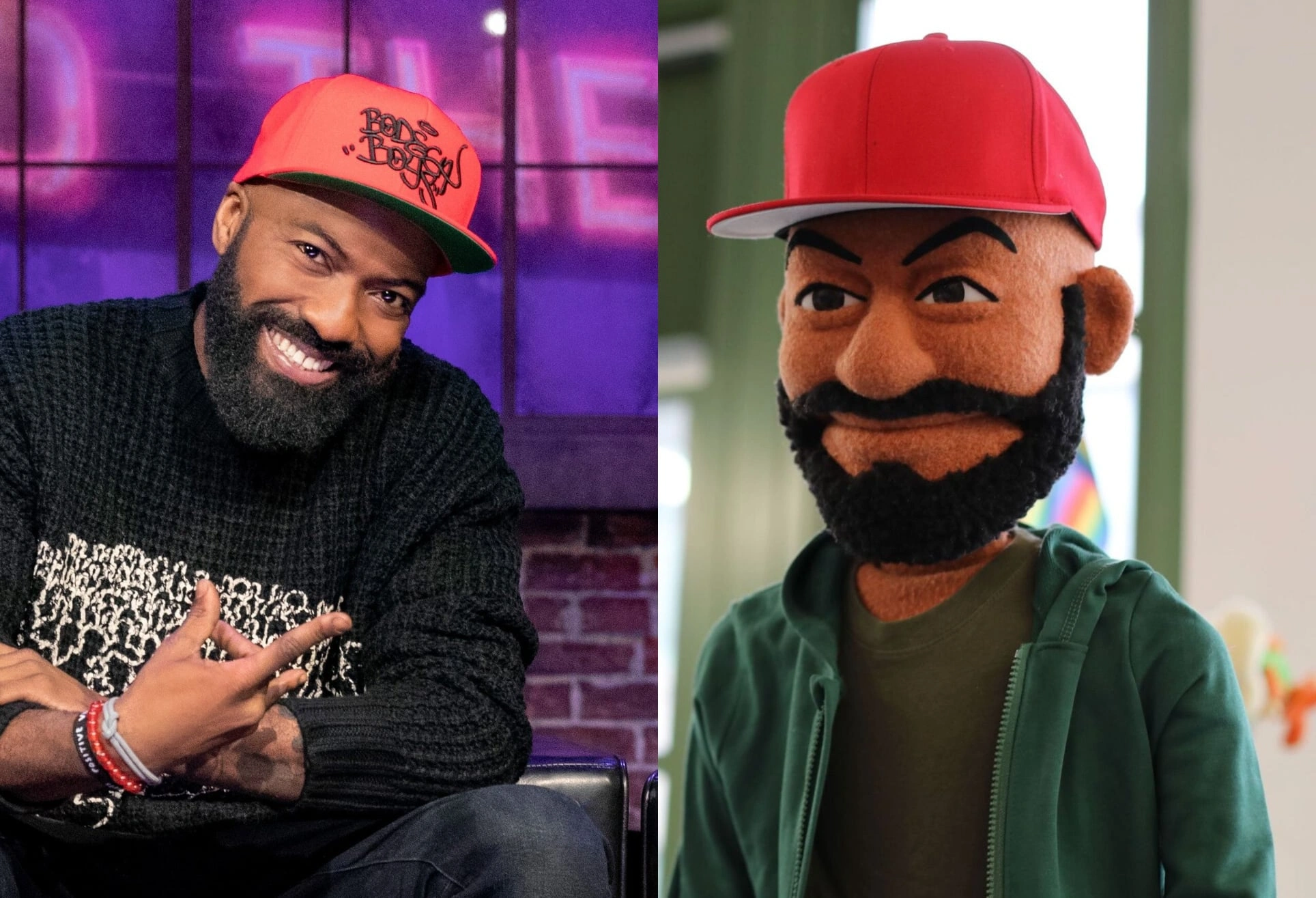
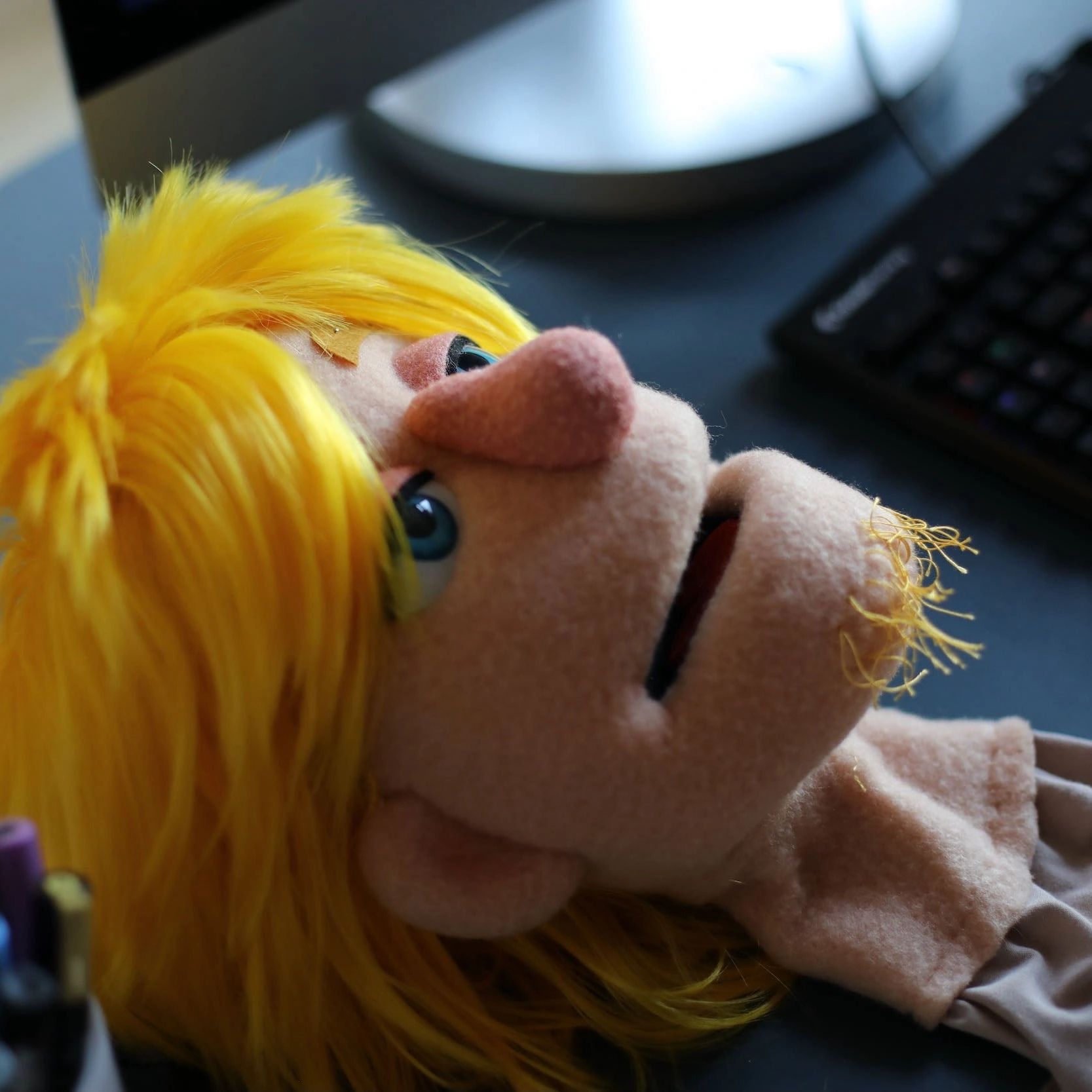
Zack Buchman sees faces in almost everything. A plug socket, the front of a car, a piece of fruit. He figures the brain is always hunting for expressions, and his just happens to get especially excited by it. As a kid he made faces out of whatever he could find around the house. At twenty he moved to New York and, planning it from a Starbucks table, opened Furry Puppet Studio, a custom puppet shop in SoHo.
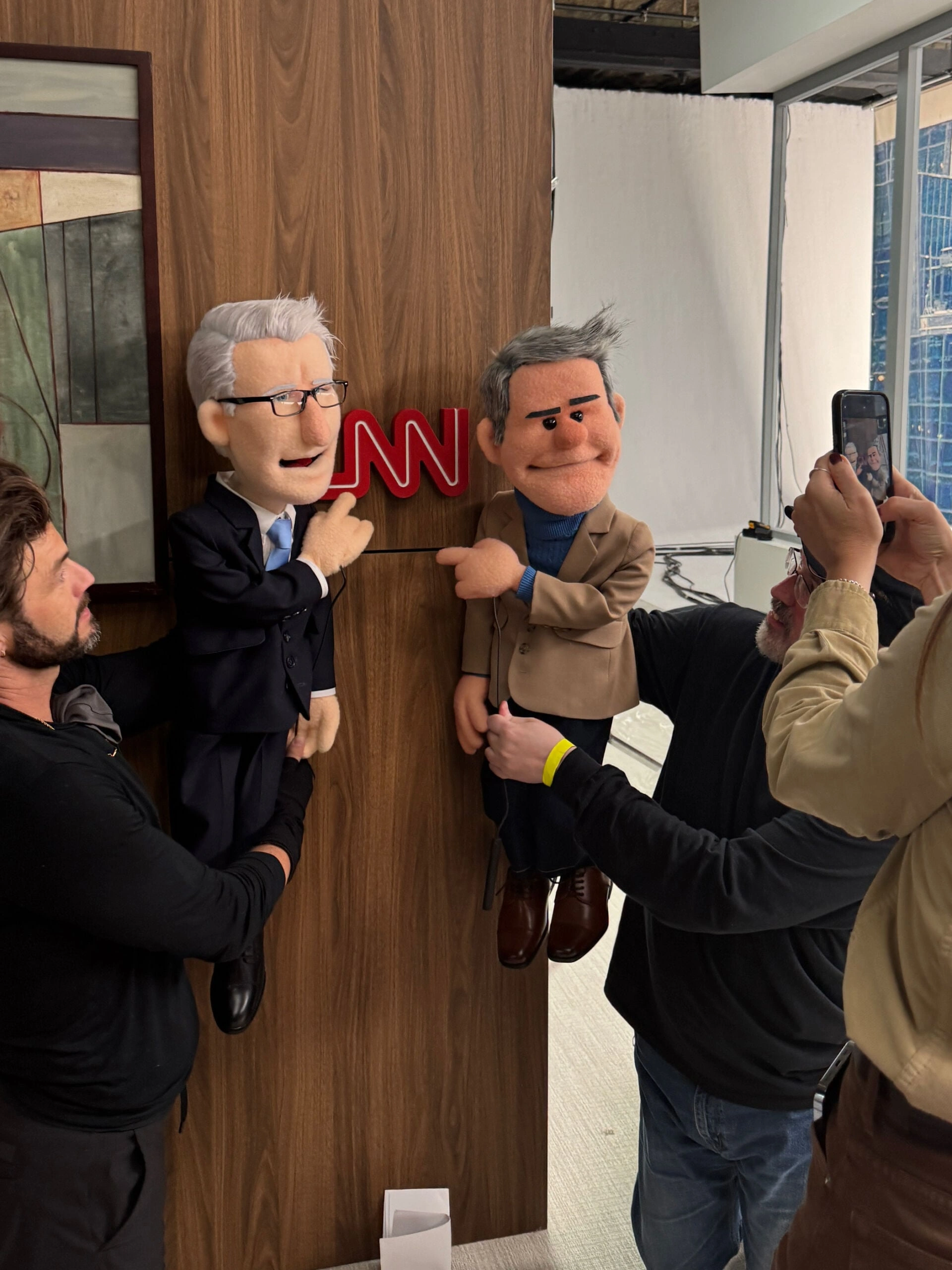
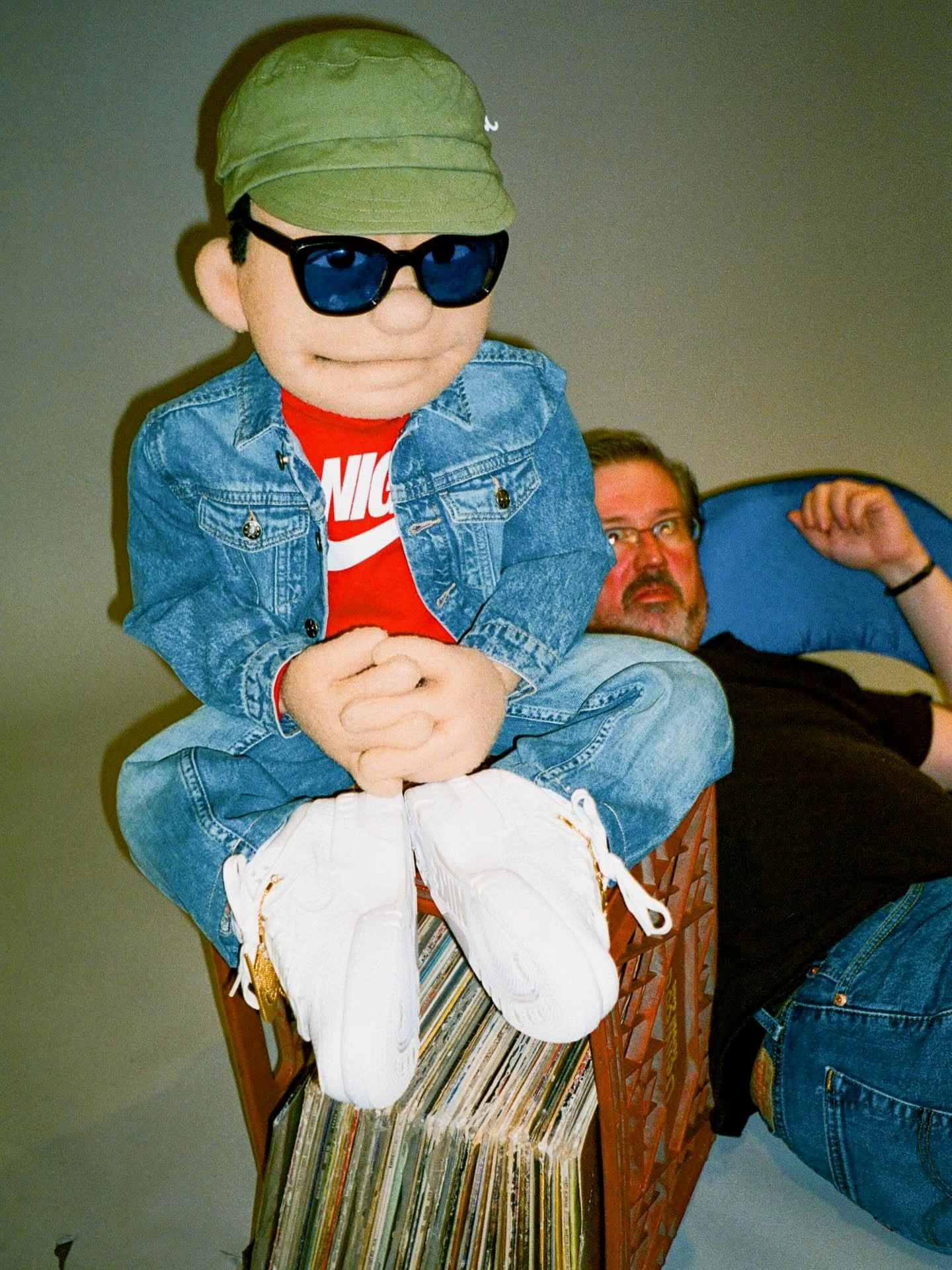
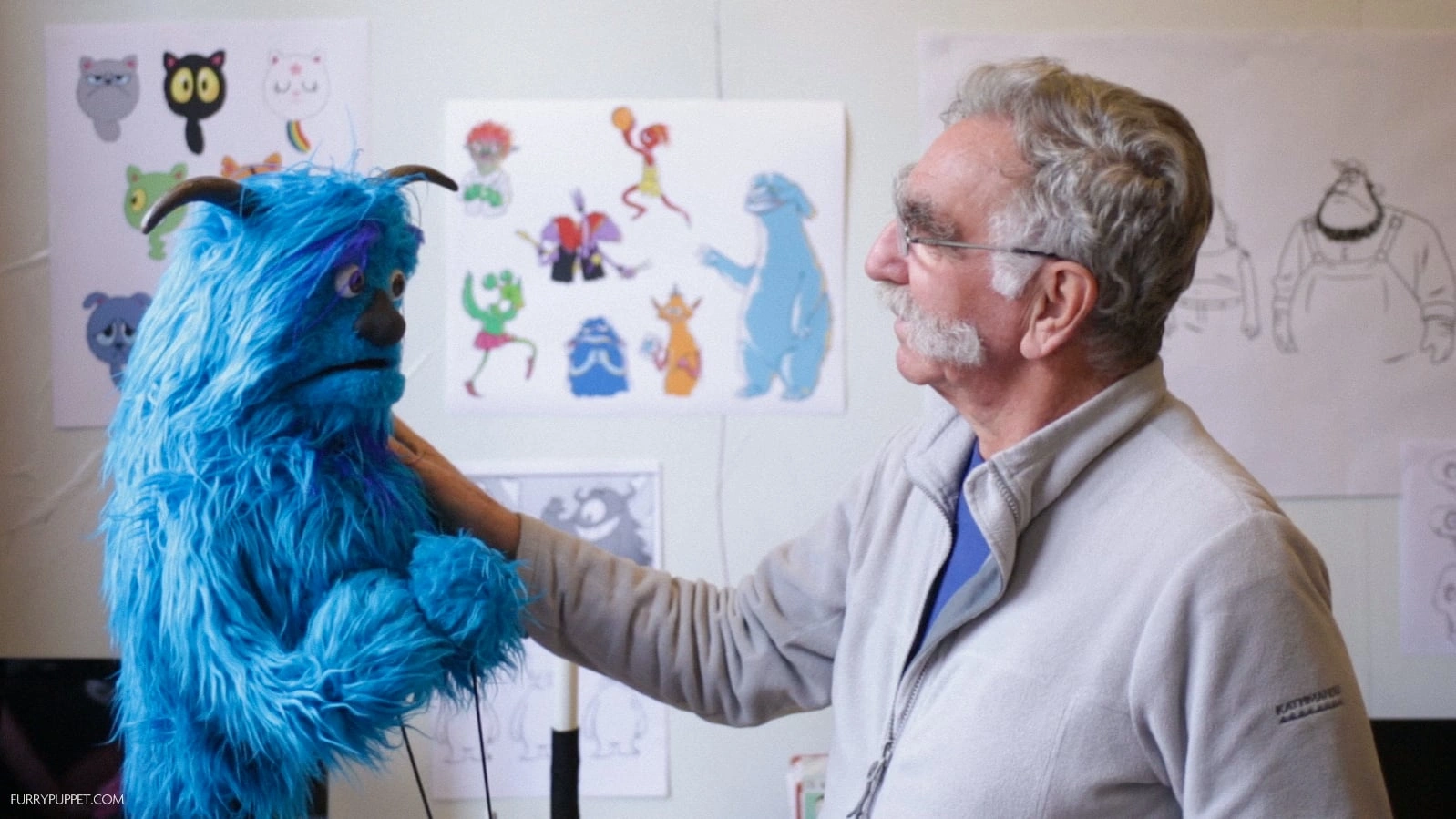
His process lives between instinct and craft. A small group sits down and scribbles until something feels right, never forcing a finished idea onto paper, then carves a foam mock-up by hand so they can actually feel the character. Two moments change the most: getting the concept right at the start, and putting the eyes in at the end, which can feel almost magical. For Missy Elliott’s WTF video, named Rolling Stone’s best of 2015, his team built likeness marionettes by watching how street performers moved and reverse-engineering it into the rigging. He still loves Jim Henson, a few simple shapes made to feel alive. And he believes puppets are disarming, creating just enough distance that people lower their guard and the thing being said lands more personally, in this edition of PROFILES.
I see faces in almost everything. A plug socket, the front of a car, a piece of fruit. I think the brain is always hunting for expressions, and mine just happens to get really excited by that. I used to make faces out of whatever I could find around the house. I opened Furry Puppet Studio (https://www.furrypuppet.com), a custom puppet studio in SoHo, starting by planning it from a Starbucks, after I moved to New York at twenty.
We built likeness marionettes of Missy Elliott and Pharrell Williams for the “WTF” video, plus the costumes alongside them. Everything was built by hand. The marionettes were performed by street performers, each with a very distinct way of moving. We watched how they moved and reverse engineered that into the rigging. It was challenging and satisfying to see the final movement, and there was an incredible choreographer we’ve worked with. Rolling Stone named it the best music video of 2015, which still makes me very happy.
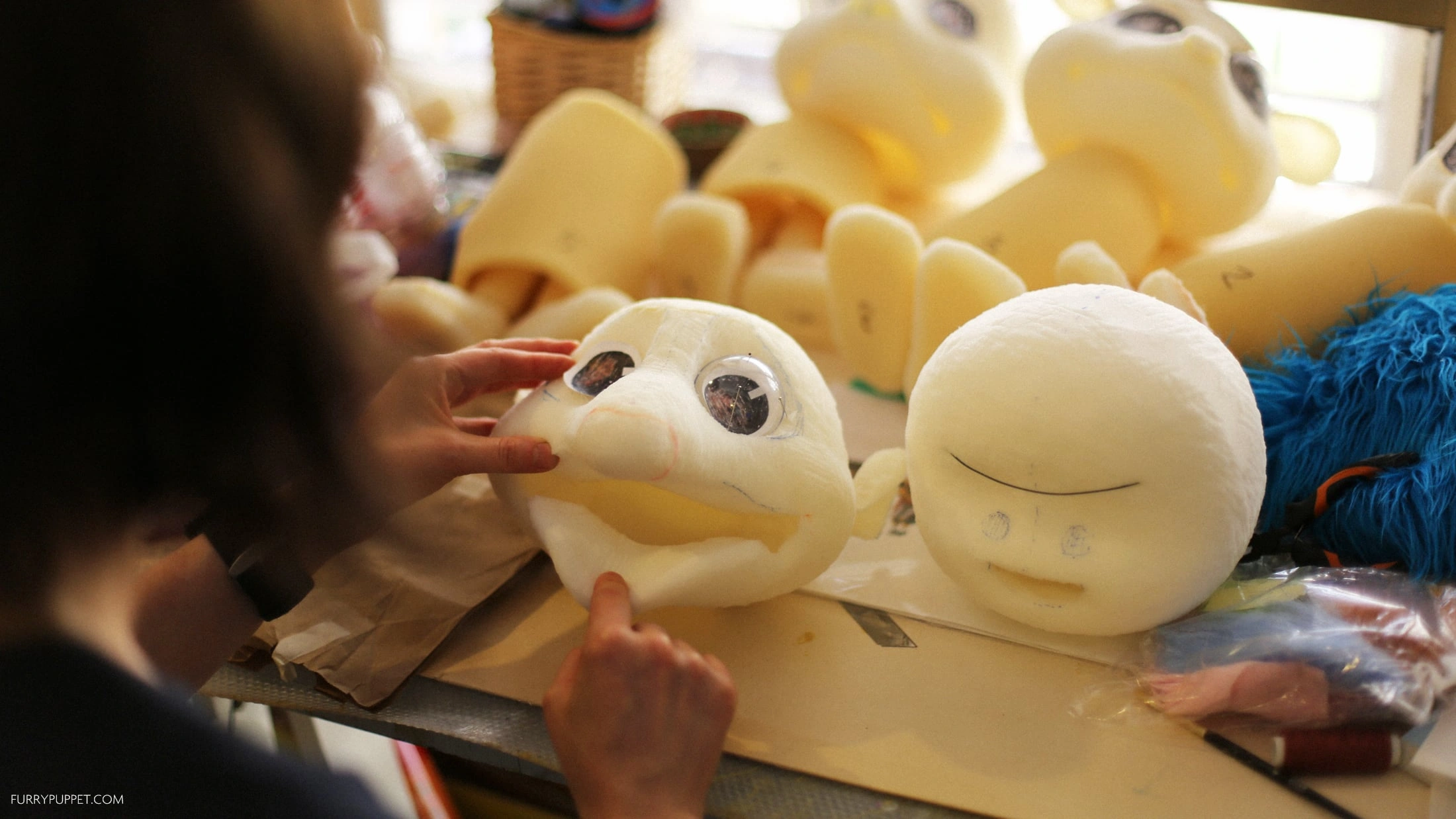
A little of both. We sit down as a small group and scribble until something feels right. I do not try to force a finished idea on paper. From there we carve a foam mock-up by hand so we can actually “feel” the character. I think the two steps that change the most are getting the conceptual design right at the start, and putting the eyes in at the end, which can feel almost magical.
Knowing when to stop adding detail. And then handing the finished character over. I am still working on that second one.
I love Jim Henson. Those early Muppet and Sesame Street characters still get me. A couple of simple shapes and puppeteers who can make them feel alive. That magic never ceases to amaze me.
People sharing how they actually build things, instead of keeping technique to themselves. There has been a real democratization of knowledge in online communities, and that really helps advance the field.
Keep a pencil and some paper on you and just draw whenever you’re bored. Start collecting materials too. Even if you don’t know what to do with them yet. Your brain will eventually take you where you’re supposed to go.
I find that puppets are disarming. They create just enough distance that people let their guard down, and the thing you are saying lands more personally than if a person had said it. Puppetry is a very human medium, and it can really connect people and make a difference.
Support artists—share this
Off-Book is the Skene newsletter for artists and makers. Profiles, opportunities, and editorials, free. New subscribers also receive the 2026 Performing Arts Survival Guide.
We use cookies to optimize our website and our service functionalities.
Practical career guidance for performing arts artists and makers. Take it with you.