Rodrigo Sosa Bernal: The Divine Spark.
Mexican costume designer whose work spans theatre, film, and advertising, rooted in

Mexican costume designer whose work spans theatre, film, and advertising, rooted in

Nobody hires you for the paper. An honest look at what a

Mexican director Itzhel Razo on ritual theatre, the sacred stage, Balinese influence,

Colombian scenic designer whose intuitive, joyful practice builds worlds that make audiences

A performer trades arena tours for self-funded stages, and finds the venues
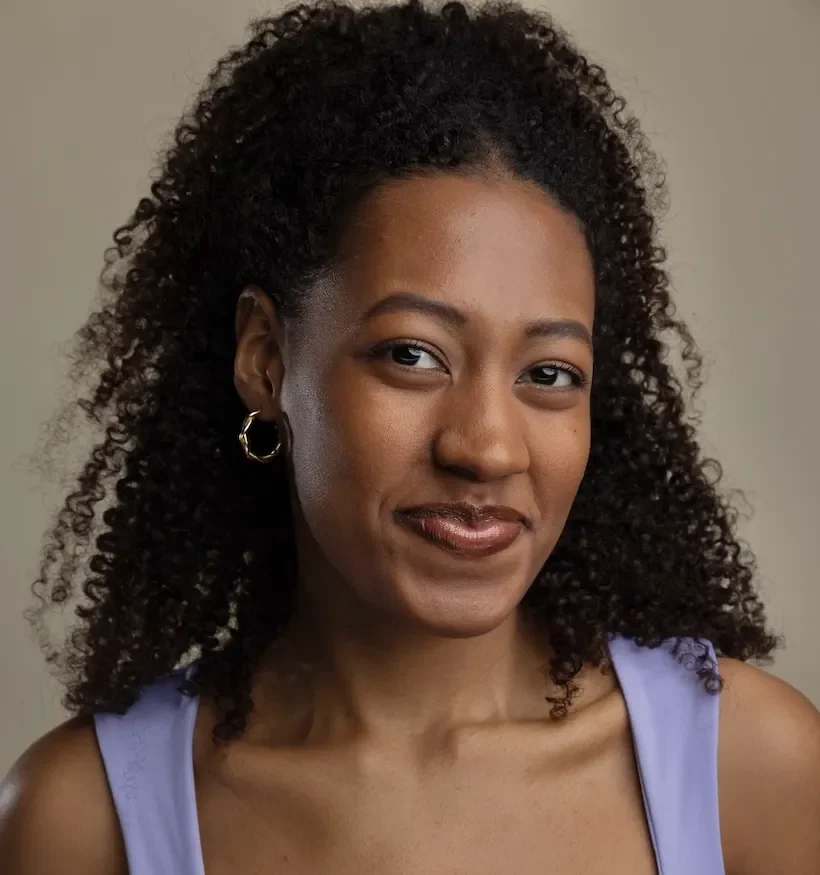
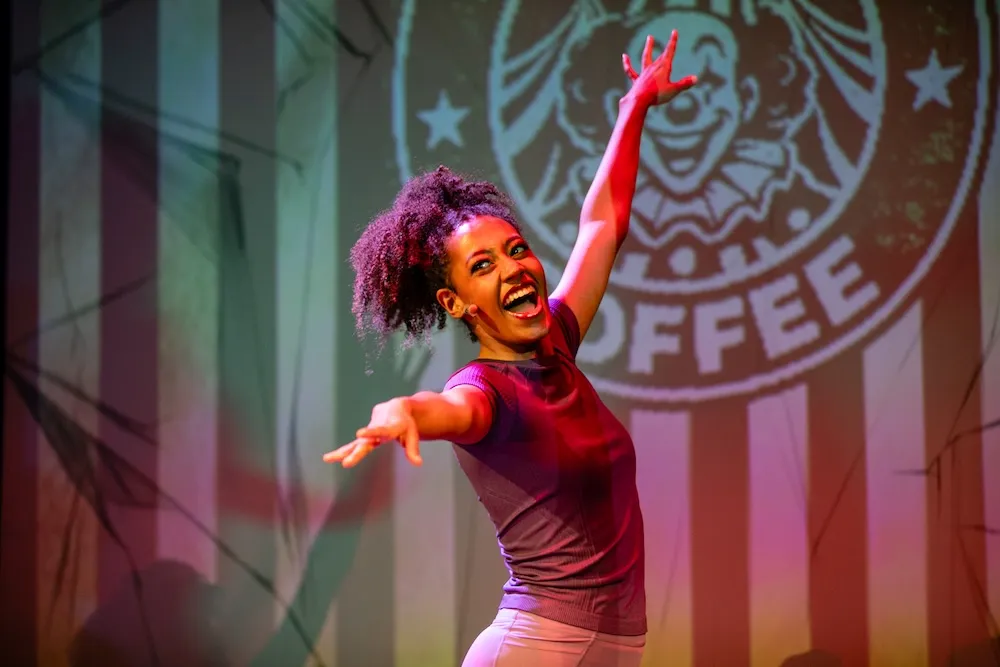
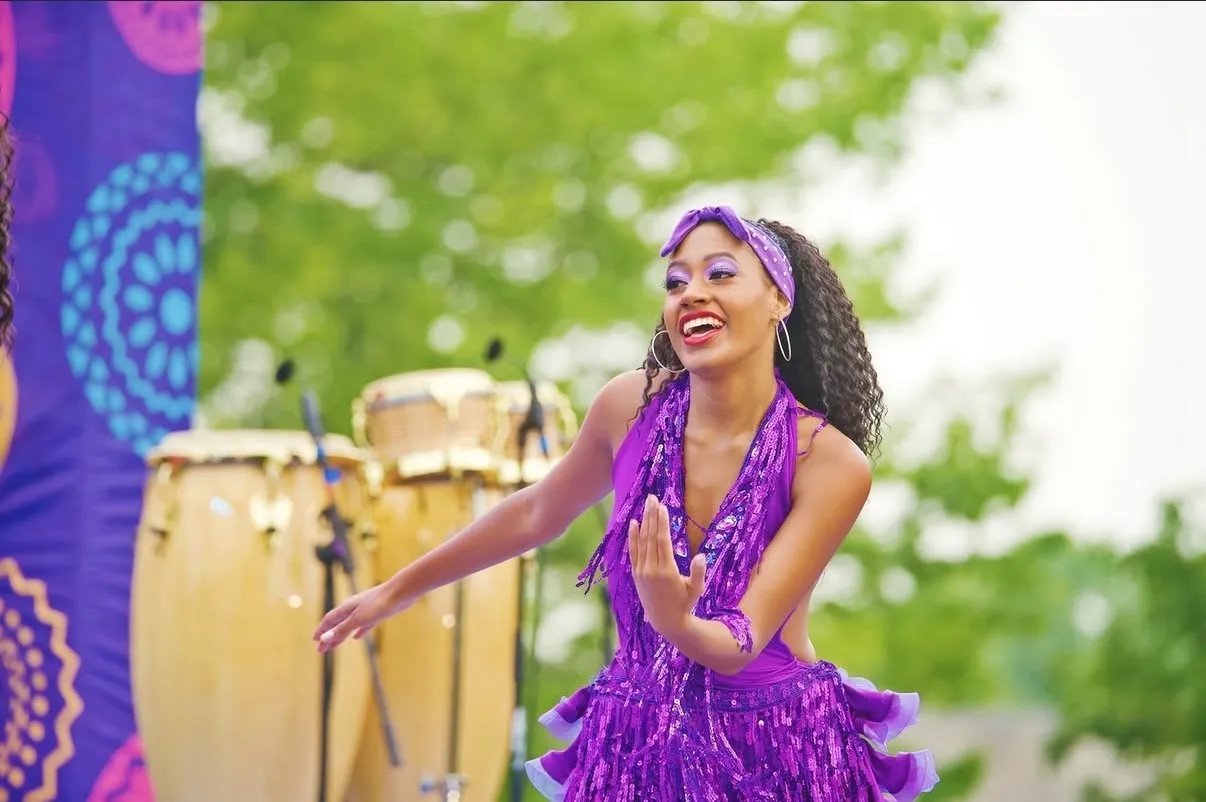
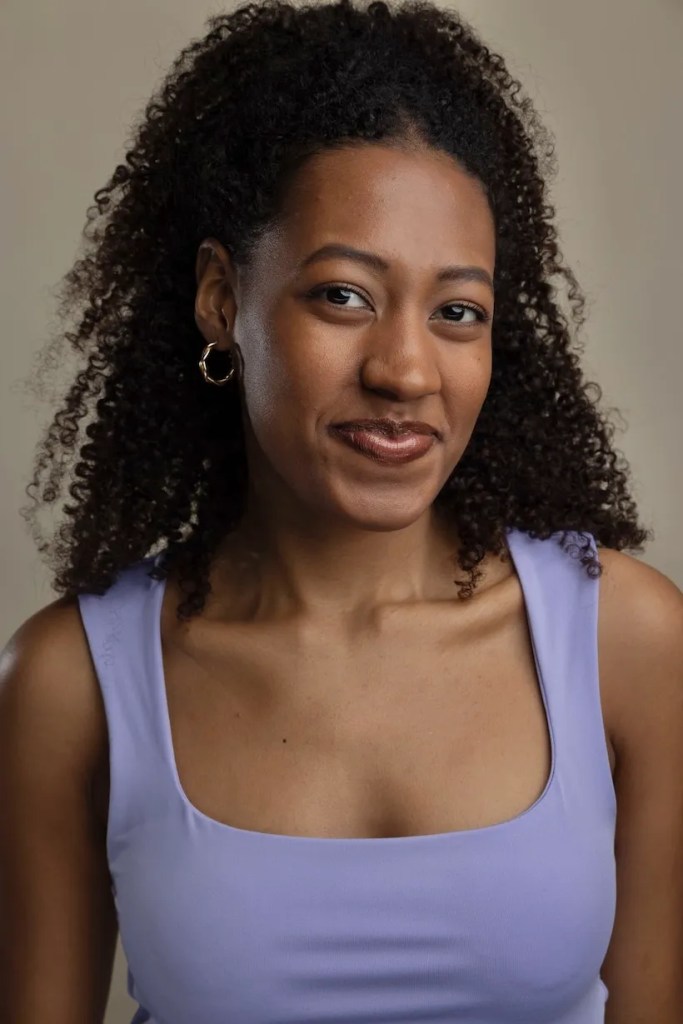
Ana Daniela Pérez Davis has been dancing since she was three. Growing up in Panamá, surrounded by the music, dance, and a culture rich in artistic expression, she learned early how powerful art can be in bringing people together. But the moment that changed everything came at ten, when she saw Aladdin on Broadway and thought, “I want to do that”. It was the first time she could truly imagine a life in musical theatre.
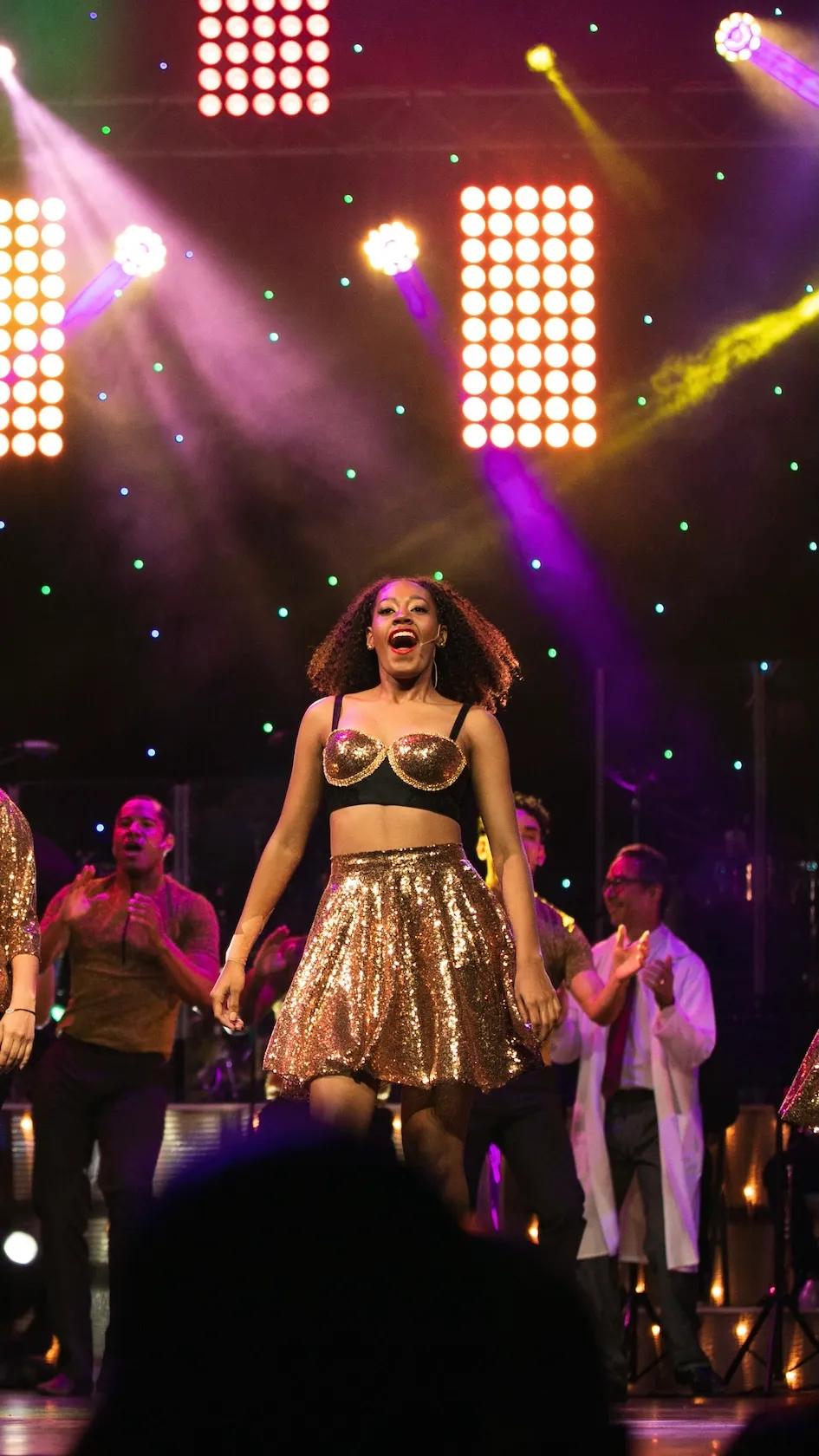
Since then the spark has grown from wanting to perform into wanting to tell stories, to connect, to be vulnerable, to use everything she experiences to become a more truthful performer. In Aguardiente El Musical at GALA Hispanic Theatre, she found a production that refused to ask her to separate her culture from her artistry: language, music, movement, and story were the heart of the work. It reminded her why representation matters, and why she wants to keep creating room for Latin American stories and artists to be seen and heard.
Above all, she hopes her work makes people feel seen, moved, and a little less alone, in this edition of PROFILES.
I’ve been dancing since I was three years old, so performing has always been a part of my life. Growing up in Panamá, seeing Grupo Facetas was a huge part of my inspiration and introduction to my artistic journey. Being around music, dance, and performers from such a young age showed me how powerful it could be to bring people together through art.
But I think one of the moments that really changed everything for me was seeing Aladdin on Broadway when I was ten. I remember watching the performers and thinking, “I want to do that.” It was the first time I could truly imagine myself having a life in musical theatre.
Since then, that spark has evolved from simply wanting to perform into wanting to tell stories. I’ve learned that being an artist isn’t just about being onstage; it’s about connecting with people, being vulnerable, and using everything I experience to become a more truthful performer.
Aguardiente El Musical is one of the works that means the most to me because it represents so many parts of who I am. The show tells a story rooted in Latin American culture, family, identity, and the experiences that shape us, and being part of it as a Panamanian artist felt incredibly special.
Working on Aguardiente at GALA Hispanic Theatre was also a meaningful step in my career. I got to work alongside artists I admire and be part of a production that celebrated our culture while also presenting it to audiences in the United States.
What I loved most was that the show didn’t ask us to separate our cultures from our artistry. Instead, our language, music, movement, and stories were the heart of the work. It reminded me why representation matters to me and why I want to continue creating opportunities for Latin American stories and artists to be seen and heard.
My creative process is a combination of discipline and spontaneity. As a performer, I have to create the discipline to keep training, practicing, researching, and showing up even on the days when I don’t necessarily feel inspired.
When I’m working on a character or a piece, I like to understand the “why” behind what I’m doing. I ask myself what the character wants, what they’re feeling, and what they’re not saying. I also bring my own experiences into the process because I think that’s where authenticity comes from.
For me, the most exciting work happens when preparation gives you enough freedom to be spontaneous and see what happens.
One of my biggest challenges has been learning how to find balance. As an artist, it can feel like there is always something more you could be doing, another audition to prepare for, another class to take, another email to send, another skill to improve. I’ve had to learn that taking care of myself is also part of building my career. Food, exercise, sleep, rest, and having a life outside of work aren’t things that take away from my artistry; they support it. I’m still learning how to find that balance, especially because I’m naturally very driven and sometimes feel like I need to accomplish something career-related every single day. But I’ve learned to value consistency over constantly pushing myself to the limit. That challenge has helped me understand that being a sustainable artist means taking care of the person behind the performer, too.
Ilda Mason is someone who inspires me deeply. I met her when I was just 5 years old, and I got to sing with her in Grupo Facetas in Panama a couple of times. Seeing her on Broadway now is so amazing. What I admire about her is not only her artistry, but the way she carries herself as a performer and as a person. She reminds me that you can be incredibly talented while still being generous, grounded, and committed to the people around you.
That is something I try to bring into my own work. I want to be the kind of artist who doesn’t only think about how I look or sound onstage, but about what I can contribute to the people I’m creating with.
I’m also inspired by artists who are unafraid to bring their culture, individuality, and personal experiences into their work. As a Panamanian artist building my career in the United States, that is especially important to me. I want my background to be something I celebrate and bring with me into every room rather than something I feel I need to leave at the door.
I think one of the most exciting things happening in musical theatre right now is seeing more people from different cultural and ethnic backgrounds stepping into roles that were traditionally associated with a very specific type of performer.
I love seeing artists being given the freedom to play characters beyond what people might expect from their background. It shows that a role doesn’t have to belong to just one type of person, and that bringing different perspectives to familiar stories can make them feel new and exciting.
I think we’re expanding the idea of what a leading lady, dancer, or actor can look like, and that is really exciting to be a part of.
Don’t wait until you feel “ready.” You will probably never feel completely ready, and that’s okay.
Take the class, audition for the thing that scares you, introduce yourself, create something, and allow yourself to be a beginner. Your career is not going to look like anyone else’s, so try not to measure your progress against another artist’s timeline.
I would also say, stay curious. Keep learning about your craft and about yourself. Talent can open a door, but your work ethic, character, resilience, and willingness to grow are what will help you stay in the room.
More than anything, I want my work to make people feel something.
Whether someone leaves a theatre feeling joyful, emotional, inspired, nostalgic, or even uncomfortable, I want the work to move them in some way. I believe art can reach parts of us that we sometimes don’t know how to express ourselves.
I also hope my work can meet people wherever they are emotionally. Maybe someone is going through something difficult and a performance gives them a moment to escape. Maybe a story makes them feel understood. Maybe they see someone who looks like them or comes from a similar background and realize that they belong in that space too.
As an artist, I don’t think my job is to tell people exactly what to feel. I want to create an experience that allows them to connect with their own emotions and take something personal away from it. If I can make someone feel seen, moved, or a little less alone, that would mean a lot to me.
Support artists—share this
Off-Book is the Skene newsletter for artists and makers. Profiles, opportunities, and editorials, free. New subscribers also receive the 2026 Performing Arts Survival Guide.

We use cookies to optimize our website and our service functionalities.
Practical career guidance for performing arts artists and makers. Take it with you.