
Svitlana Kosiak: A Universe With No Borders.
Ukrainian composer Svitlana Kosiak on her Musical Paintings, where melody merges with poetry and color,


Ukrainian composer Svitlana Kosiak on her Musical Paintings, where melody merges with poetry and color,

Lighting designer Bill West-Davis on light as the thread between design elements, found spaces, and

Six plays by queer Black playwrights centering LGBTQ+ stories — from A Strange Loop to

Emerging sound designer whose antiracist practice and identity-driven work bring community, culture, and lived experience

Mexican singer Érick Ismael on the discipline of the stage, training intuition, and why live

Disclosure: Some links in this article may be affiliate links. If you make a purchase through them, we may earn a small commission at no additional cost to you. These links help support the work behind Skene.
The most formally adventurous and emotionally urgent drama being written in American theatre right now sits at the intersection of Blackness and queerness. That is not a coincidence. Writers who have had to negotiate multiple forms of erasure simultaneously tend to develop a particular relationship to the theatrical form itself, bending it, breaking it, and rebuilding it in ways that reveal what the conventional stage has always concealed.
The plays gathered here do not treat queerness or Blackness as subtext, as backdrop, or as the source of suffering to be overcome by the final scene. They put both identities at the center of the dramatic action and refuse to let either one be simplified for the comfort of a mainstream audience. They are formally bold, emotionally demanding, and in several cases structurally radical. They require institutions that are willing to commit fully, not just to the casting and the marketing, but to what the plays are actually doing and saying.
These are not plays about representation. They are plays about truth. The theatres producing them are making a statement about what kind of truth their stages are built to tell.
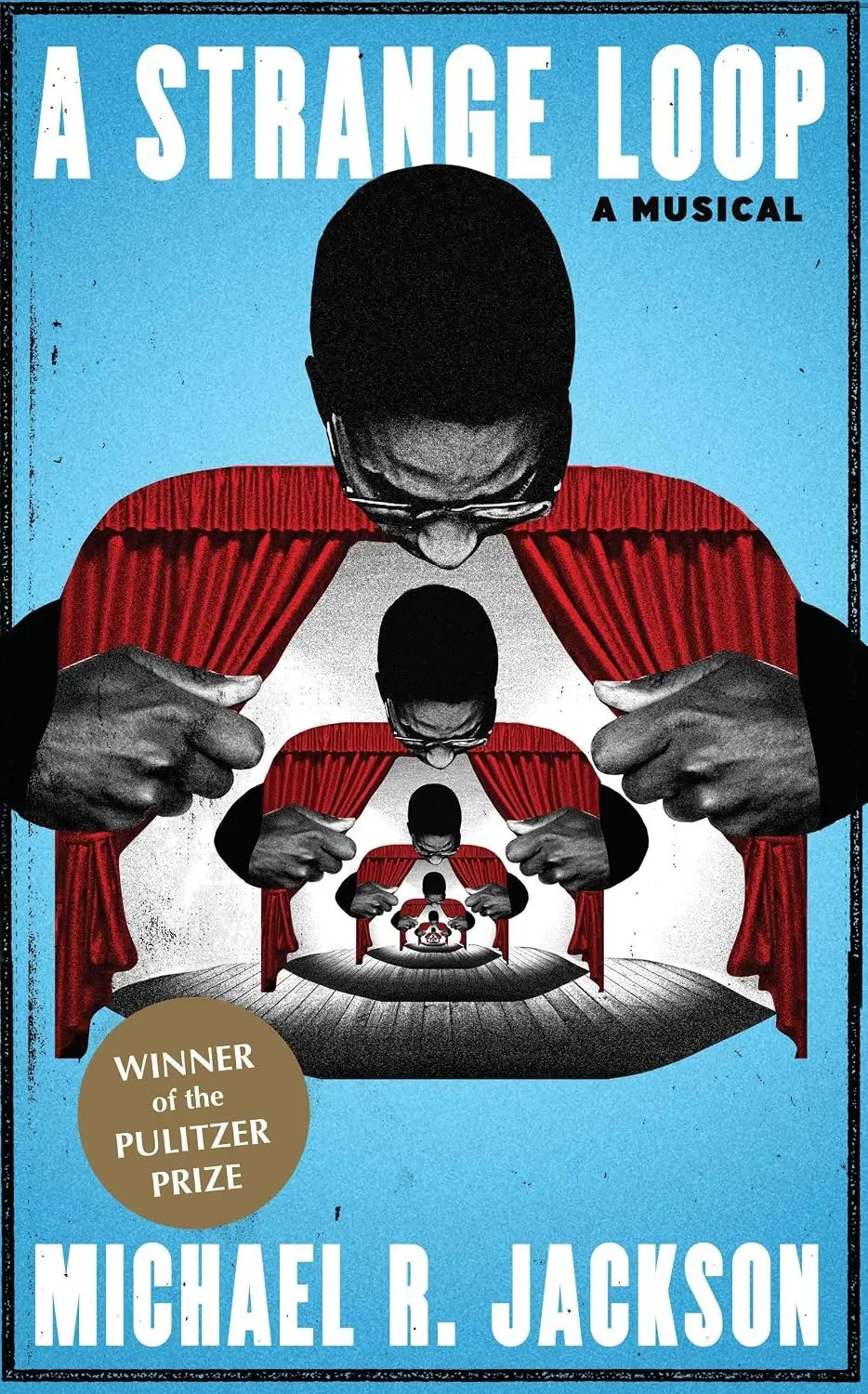
Michael R. Jackson’s Pulitzer Prize and Tony Award-winning musical is one of the most formally audacious works in the history of American musical theatre. It follows Usher, a young queer Black man writing a musical about a young queer Black man writing a musical, while his internalized thoughts, fears, and contradictions are embodied onstage by a chorus of six performers playing his Thoughts. The show is relentlessly self-aware, structurally recursive, and emotionally devastating, moving between comedy and terror with a speed and precision that demands total commitment from its cast and creative team. Jackson writes music that draws on gospel, pop, and musical theatre tradition while subverting all three, and his lyrics carry a density of meaning that rewards close attention. This is not an easy show to produce or to watch. It is, however, one of the most important American musicals ever written, and productions that meet it at its level create evenings that audiences do not forget.
Cast Requirements: 7 performers. All Black. 1 central role (Usher, gay Black male), 6 ensemble performers of any gender playing Thoughts. Requires musical direction, vocal strength, and choreography. Mainstage production. Orchestra or band required.
James Ijames won the Pulitzer Prize for this queer reimagining of Hamlet set at a backyard barbecue in the American South. Juicy, the play’s Hamlet figure, is a young queer Black man who does not want to avenge his father’s murder. He wants to be left alone to live his life. Ijames uses the Shakespearean frame not as a constraint but as a liberation, finding in the original’s obsession with duty, masculinity, and revenge the exact pressure points that his characters need to push against. The play is funny, warm, and deeply humane, and it arrives at its emotional conclusions through joy rather than tragedy. That tonal choice is itself a political act. Fat Ham argues that queer Black joy is not a detour from serious drama but its destination. For companies looking for a play that honors theatrical tradition while transforming it completely, this is essential.
Cast Requirements: 8 performers. Predominantly Black cast, mixed gender. 1 central role (Juicy, queer Black male). Outdoor or flexible unit set. No musical requirements. Suitable for mainstage, regional, and outdoor production.
Colman Domingo’s biographical drama imagines the final hours of Nat King Cole’s life as the legendary singer confronts his mortality, his legacy, and the compromises he made navigating a white entertainment industry that celebrated his voice while diminishing his humanity. Domingo writes with a poet’s ear for language and a dramatist’s instinct for where the emotional pressure points are. The play is not a conventional biopic. It is a meditation on what it costs a Black artist to succeed in America, and on the particular loneliness of being loved by millions while being seen by almost no one. The queer dimensions of Cole’s life, carefully handled and historically grounded, give the play an additional layer of complexity that deepens rather than complicates the central portrait. For companies with a strong leading actor capable of carrying the weight of this role, it offers an extraordinary vehicle.
Cast Requirements: 4–6 performers. Predominantly Black cast. 1 central role requiring exceptional range (M Black). Period setting requires costume and design attention. No live musical performance required but period music is central to the design. Mainstage production.
Get Off-Book, Skene’s free newsletter for artists and makers—plus the 2026 Performing Arts Survival Guide.
Jordan E. Cooper’s Ain’t No Mo’ imagines a world in which the United States government offers Black Americans a one-way flight back to Africa, and follows a series of vignettes examining how different Black people respond to the offer. The play is a sketch comedy, a tragedy, a drag show, a political satire, and a love letter to Black American culture, sometimes all at once. Cooper, who performed in the original production, writes with a theatrical energy that refuses every boundary between genres and forms, and the result is one of the most genuinely original pieces of American theatre in recent memory. Its queerness is not incidental. The play’s drag sequences and queer characters are central to its argument about identity, performance, and the impossibility of a clean separation between who Black Americans are and the culture that shaped them. It is funny, furious, and formally unlike anything else in the repertoire.
Cast Requirements: 5–7 performers. All Black cast. Ensemble performs multiple roles across vignettes. Drag performance is central and requires costume and design support. Flexible staging. Mainstage and black box production.
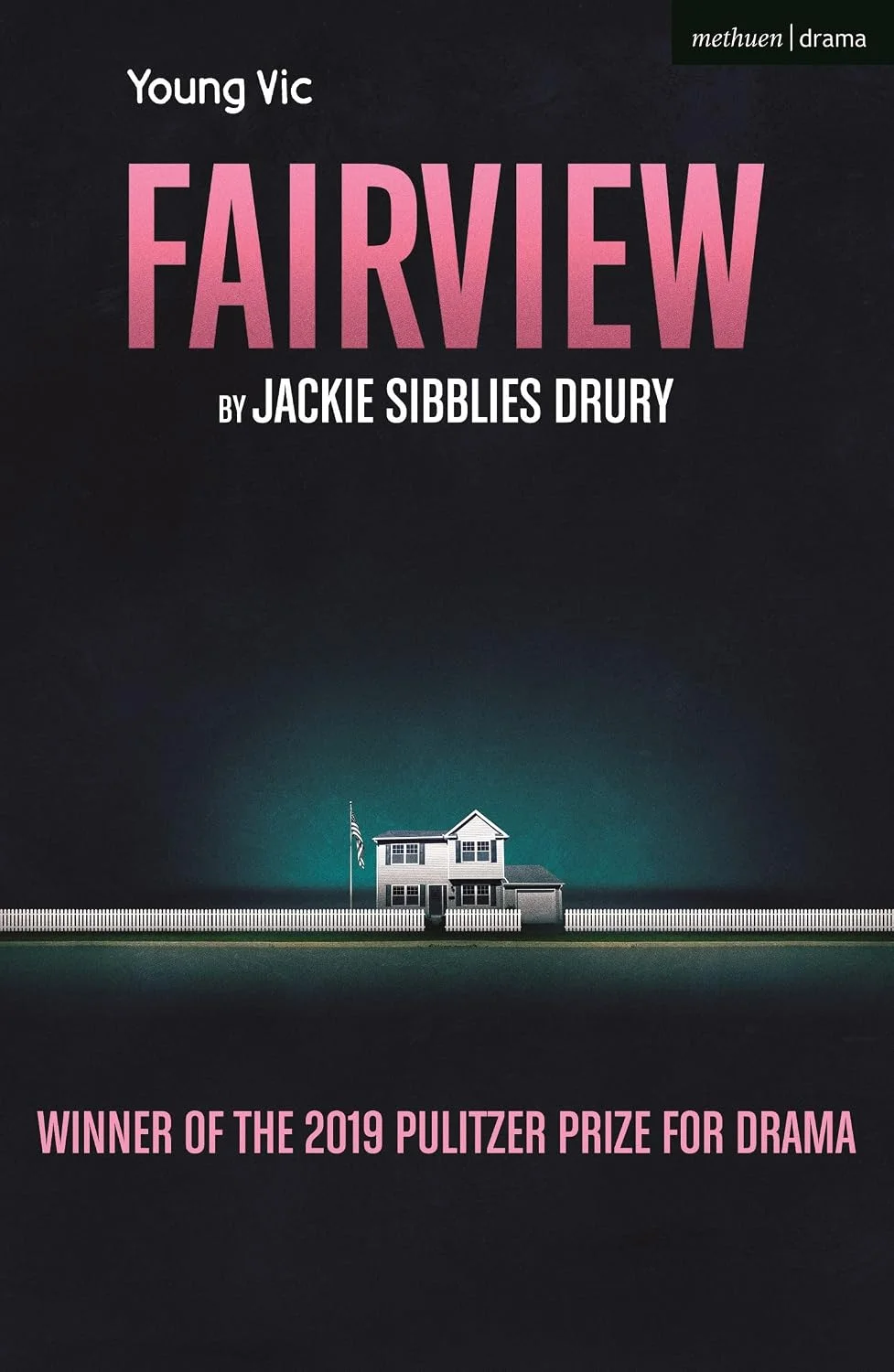
Jackie Sibblies Drury’s Pulitzer Prize-winning play begins as a warm domestic comedy about a Black family preparing for a birthday dinner and then, with complete structural conviction, dismantles the theatrical frame it has spent the first act building. Fairview is a play about who gets to be the subject of a story, who gets to watch, and what the act of watching costs. Its engagement with queerness is embedded in its broader project of interrogating identity, performance, and audience complicity, and the play’s formal radicalism makes it one of the most discussed works in contemporary American theatre. Directors who engage with it seriously will find a work that rewards every level of attention they bring, and audiences who arrive expecting a family drama will leave having experienced something that does not resolve easily into any existing category. That irreducibility is the point.
Cast Requirements: 6–8 performers. Predominantly Black cast with White ensemble members required for the play’s structural conceit. Staging demands careful directorial attention to the formal shift between acts. Mainstage and black box production.
These six plays share a refusal to make their audiences comfortable at the expense of honesty. They are not plays that ask permission to exist or that soften their arguments for broader palatability. They are plays that trust their audiences to meet them where they are, and they reward that trust with theatrical experiences that are genuinely transformative.
Producing queer Black work is not a statement about your institution’s values in the abstract. It is a decision about what kinds of stories your stage is built to hold and what kinds of audiences you believe deserve to see themselves in the work. These plays have already answered the artistic question. They are exceptional. The institutional question is the one that remains.
Build the season around one of them. Then build the next one around another.
Share this story
We use cookies to optimize our website and our service functionalities.
Practical career guidance for performing arts artists and makers. Take it with you.