



What does a props master do? How theatre props are found, built and managed, from

Explore Buenos Aires’ independent theatre gems like Teatro Timbre 4, Teatro del Pueblo, and El

What is a skene? The stage building behind the orchestra in Greek theatre, how it

Scenic designer whose work is built on a single principle: never make an arbitrary choice.
Disclosure: Some links in this article may be affiliate links. If you make a purchase through them, we may earn a small commission at no additional cost to you. These links help support the work behind Skene.
Student theatre thrives on authenticity, not resources. The most memorable productions happen when talented young performers find stories that matter to them and dig into those stories with full commitment. You don’t need elaborate sets, complex lighting, or large budgets to create theatre that resonates. You need plays that trust the actor and the audience, that ask genuine questions, and that reward vulnerability. This collection gathers six contemporary plays designed specifically for student producers. These works have been staged in high schools and universities across the country and have proven themselves in the most important way: they engage young actors deeply and move audiences to real emotion. Each play listed here requires minimal technical support, manageable budgets, and casts that can be adapted to your group size. What they demand instead is commitment, honesty, and a willingness to sit with difficult questions. That’s exactly what student theatre does best.
Theatre becomes urgent when it asks questions that matter to the people on stage. Who am I? Where do I belong? These are not abstract questions for young people, and plays that center these questions create powerful work. The plays in this section follow characters discovering themselves, often through conflict with peers or community. They ask what it means to claim space, speak up, and be seen. Young performers recognize themselves in these stories, which deepens their commitment and makes the work feel necessary rather than assigned. These plays move audiences because the stakes are real and the characters refuse to look away from hard truths.
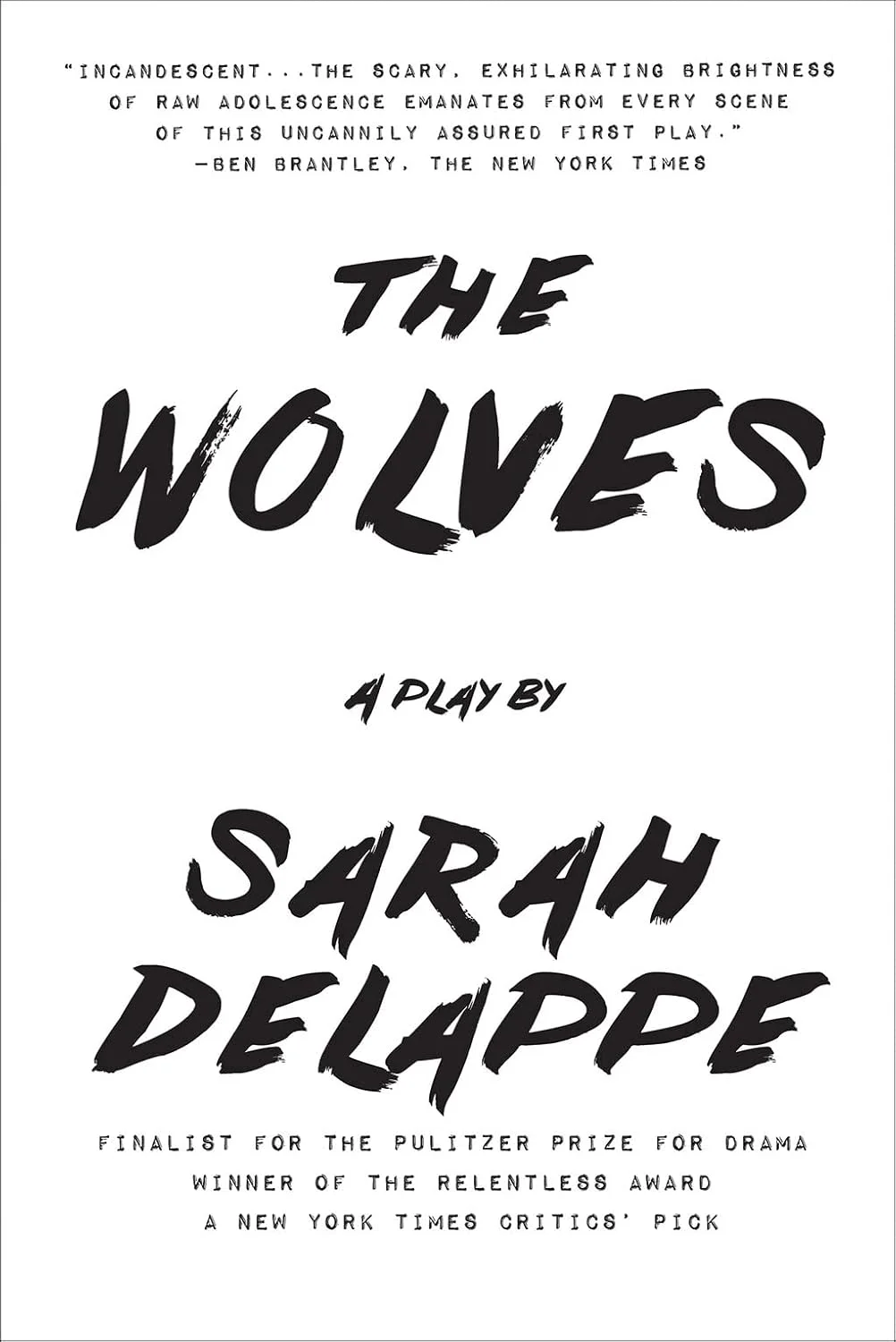
A soccer team. An off-stage war. The space between them is where this play lives. The Wolves unfolds through conversations at soccer practice, where a group of teenage girls talk about life, politics, friends, and what it means to grow up in a fractured world. DeLappe’s structure is deceptively simple: the girls never leave the field, and action happens off-stage, but the urgency and wit of their dialogue creates constant momentum. The play is funny and devastating in equal measure. It’s a conversation about privilege, responsibility, and whether you can stay neutral in a world that demands engagement. The cast is large and flexible, with roles that accommodate many actors. The single set requirement (a soccer field) costs nearly nothing. Crucially, the play speaks to how young people actually think and talk. It’s irreverent, intelligent, and it trusts its audience to understand complexity.
Cast: 7–15 women and girls. Flexible ensemble. Modern dress. Minimal set (bleachers, field markings optional). Outdoor or indoor space acceptable. Best for high school or college. 90 minutes.
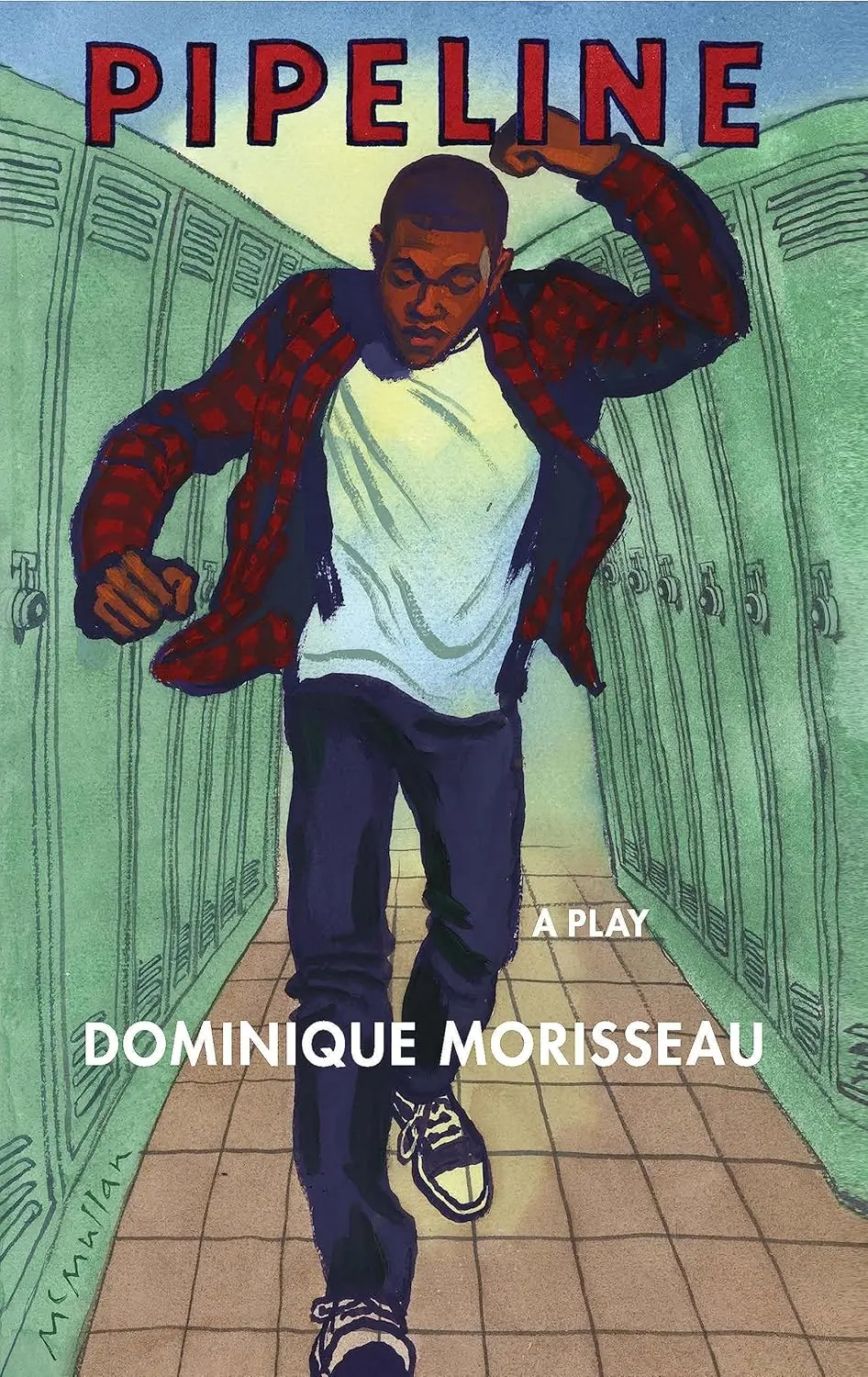
A Black mother fights to keep her son in school. A guidance counselor insists he belongs in prison. Pipeline is a sharp, painful play about the school-to-prison pipeline and the mothers who refuse to accept that their children are disposable. Morisseau’s script is economical and furious. The play moves fast, uses minimal sets, and creates maximum emotional impact through precision rather than spectacle. The mother is a complex, fierce character. The counselor is a woman convinced she’s helping. The son exists mostly off-stage, which forces the actors on stage to carry the weight of his absence. This play will provoke conversation long after the lights go down. Students producing this work will learn what it means to tell a story about systemic injustice with clarity and specificity. The stakes are real. The work is urgent.
Cast: 3 adult women (flexible casting). 1 young man (minimal stage time). Modern dress. Single interior set (school office, school hallway, or home). Best for high school or college. 60 minutes.
Content Note: This play contains racism, police violence, and systemic discrimination. Consult with a dramaturg or institutional advocate to ensure appropriate support for your cast and audience.
Theatre that confronts injustice requires something different from audiences and performers: they have to sit with discomfort, witness complexity, and resist the urge to resolve everything neatly. The plays in this section ask what resilience means when the system is stacked against you. They celebrate human connection while refusing to deny structural violence. These are not easy plays, but they are necessary plays. Young people deserve to see their own reality reflected on stage, and audiences deserve to witness stories that challenge their assumptions. Producing work like this tells a community that you believe difficult conversations matter.
A veteran. A poet. A woman recovering from addiction. A young girl. These four lives intersect in Water by the Spoonful, a play about survival, community, and the radical act of showing up for people you love. Hudes moves between Puerto Rico and the mainland United States, between past and present, but the play never feels scattered. Instead, it builds urgency through connection. The dialogue is poetic and precise. The characters are whole people, not symbols or victims. This play requires a small cast and minimal scenery, but it demands actors who can handle emotional complexity and language that surprises. The poetry of the dialogue will challenge young performers to slow down and listen to each other. Audiences will recognize themselves in characters who are flawed, determined, and unwilling to disappear.
Cast: 4 actors (flexible casting). Contemporary dress. Multiple locations (Puerto Rico, Philadelphia, internet chat room). Set suggestions minimal. Best for high school or college. 80 minutes.
Content Note: This play contains references to addiction, military trauma, and suicide. Consult with a dramaturg or institutional advocate to ensure appropriate support for your cast and audience.
Get Off-Book, Skene’s free newsletter for artists and makers—plus the 2026 Performing Arts Survival Guide.
Two brothers. A room. A scheme. Topdog/Underdog is a masterpiece of economy and intensity. Parks writes two Black men into a world of economic desperation, where survival means hustle, where childhood games become survival mechanisms, and where brotherhood is tested by need. The play is funny and tragic at once. It has no set except chairs and a table. It asks nothing of production except the clarity and precision of two strong actors. Parks’ language is rhythmic and surprising, with repetition that builds like music. The brothers move between tenderness and violence, past and present, hope and despair. This play teaches young performers what it means to carry a scene on the strength of dialogue and presence alone. It teaches audiences what theatre can do when it refuses decoration and leans entirely on human truth.
Cast: 2 Black men. Contemporary dress. Single interior setting (small apartment or room). Minimal furniture. Best for high school or college. 120 minutes.
Content Note: This play contains violence, sexual content, and racial slurs in period-appropriate language. Consult with a dramaturg or institutional advocate to ensure appropriate support for your cast and audience.
Not every powerful play moves in straight lines or follows traditional structure. Some of the most inventive and exciting theatre comes from plays that defy convention: plays with minimal or surreal language, plays that move between comedy and heartbreak, plays that use the body and abstraction instead of realistic scenery. These plays remind students that theatre is a form of freedom, a space where rules can be broken and possibilities reimagined. Producing work like this builds confidence in young artists and signals to audiences that theatre doesn’t have to look like anything they’ve seen before.
A well-meaning white teacher wants to create an authentic Thanksgiving play honoring Native Americans. Everything goes wrong. The Thanksgiving Play is a comedy about good intentions, racism, and institutional blindness. FastHorse moves the script with sharp humor and acute social observation. The play has no elaborate set requirements. It requires mostly a classroom and the commitment of actors who understand satire and can land the comedy without cruelty. The script is contemporary, sharp, and funny in ways that will feel urgent to student audiences. The teacher is not a villain; she’s a person trying and failing and trying again, which makes her somehow more damaging and more human. Young performers will understand the institutional dynamics the play exposes. Audiences will laugh and then sit with the discomfort of that laughter.
Cast: 5–7 actors (flexible). Contemporary dress. Classroom setting. Minimal set. Best for high school or college. 90 minutes.
Content Note: This play contains racism and cultural appropriation. Consult with a dramaturg or institutional advocate to ensure appropriate support for your cast and audience.
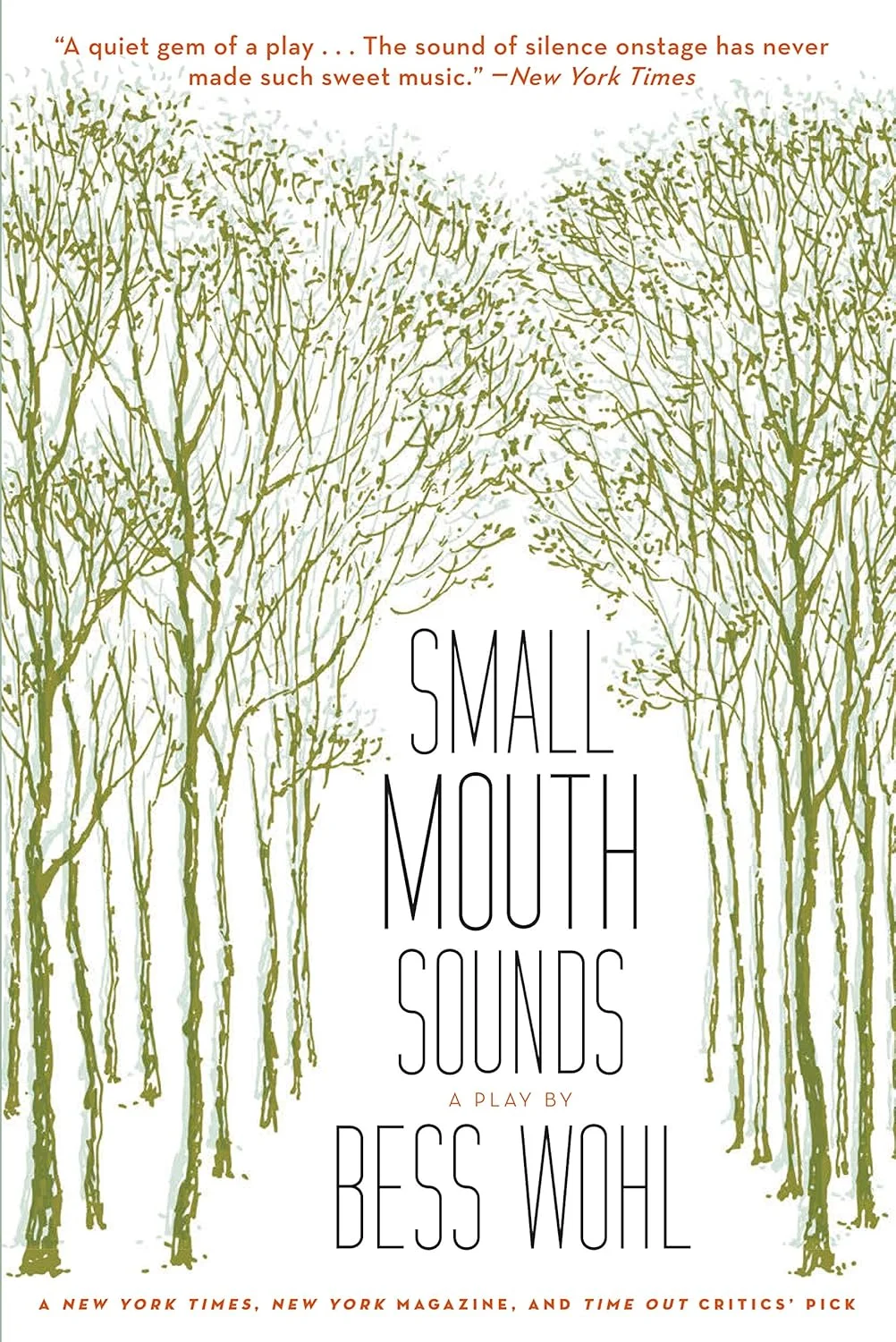
Eight characters. Almost no dialogue. A cabin in the woods. Small Mouth Sounds is an experiment in physical comedy, wordless storytelling, and the ridiculous. A couples’ retreat goes spectacularly wrong, and what follows is pure chaos: bodies colliding, misunderstandings escalating, convention abandoned. The play is liberating for student performers. It asks them to trust their bodies, their instincts, and their willingness to be foolish in service of comedy. There are almost no sets required—just imagination and commitment. The script teaches young performers what dialogue-free theatre can do. It teaches audiences that laughter is a legitimate response to watching people behave absurdly under pressure. This play builds ensemble trust and confidence. It’s proof that theatre can be joyful and strange and entirely its own thing.
Cast: 8 actors (flexible casting, can be gender-blind). Contemporary dress. Single interior location (cabin). Minimal furniture. Best for high school or college. 60 minutes.
These six plays prove something essential: student theatre doesn’t require big budgets or complicated scenery to make a mark. What it requires is honesty, commitment, and a willingness to produce work that asks real questions. Choose one of these plays, and your students will spend months living inside a story that matters. They’ll discover what it means to carry a scene on dialogue alone. They’ll learn what happens when theatre refuses to look away from difficult truths. And your audience will leave knowing they’ve witnessed something that cost money but cost conviction. That’s the work worth doing. That’s the kind of student theatre that changes people.
Share this story
We use cookies to ensure our website functions properly, improve your browsing experience, analyze site traffic, and support personalized content. For more information, see our Cookie Policy.
Practical career guidance for performing arts artists and makers. Take it with you.