
LATEST POSTS.

Get featured
on Skene!

Britton Mauk: Never an Arbitrary Choice.

source: Barbizon Lighting.

Britton Mauk grew up in a house where art was already in the walls. His father was an art teacher and woodworker. Theatre was part of the environment from the beginning. By the time a high school drama teacher encouraged him to apply to CalArts to study scenic design, the direction was already set. He just needed someone to name it.

His work is shaped by a discipline he learned from his mentors, Michael Smith and Anne Mundell, and carries with him into every project: never make an arbitrary choice. Every element serves the story or it does not belong. That principle shows up not just in his designs but in how he collaborates, how he teaches, and how he thinks about what it means to be a designer in the first place.

His production of I Am My Own Wife, designed with an all-trans creative team, is where those values found their fullest expression. Working on Charlotte von Mahlsdorf’s story, he felt the full weight of what design can do when it is in genuine service of a truth larger than itself.

Britton is a scenic designer who gets out of his own way and lets the play speak, in this edition of PROFILES.

Partner Content

Britton Mauk

he/him
Scenic Designer
United States
Rent, source: Britton Mauk.

1. What sparked your interest as an artist and how has that spark evolved over time?

I grew up in an artistic household. My father was an art teacher and woodworker, and I was surrounded by theater from an early age. The combination of those influences inspired me to pursue work behind the scenes in theater. I also owe a great deal to my high school drama teacher, who encouraged me to apply to CalArts to study scenic design as an undergraduate. Today, my creative spark is fueled largely by the work of fellow artists. Art and architecture continue to be major sources of inspiration and play a central role in shaping my designs. Above all, my theater colleagues motivate me to keep designing and creating for the stage every day.

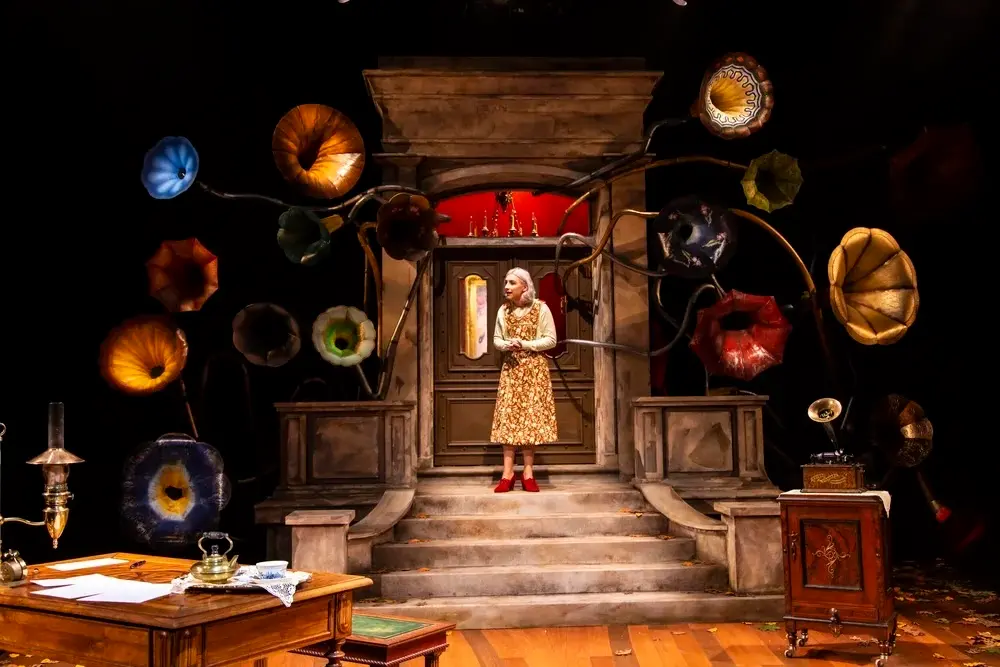
I Am My Own Wife, source: Jennifer Fok

2. Can you share the story behind one of your favorite works and what it means to you?

The scenic design for I Am My Own Wife remains one of my favorite projects. The play tells the true story of Charlotte von Mahlsdorf, a transgender woman who survived both the Nazi and Communist regimes while becoming a renowned antiquarian. Working on an all-trans design team made the production especially meaningful to me. I felt a deep responsibility to honor Charlotte’s story and create a design that would make her proud. This project reflects the way I like to approach design. Digging into the complexities and nuances of a play to uncover its deeper truths and bring them to life onstage.

Heads, source: Jeff Swensen

3. What is your creative process—do you follow a routine or does inspiration come spontaneously?

My typical process begins with flipping through my collection of art and architecture books and magazines, looking for images and ideas that resonate with the play. I gather a series of visual references to help spark and develop my design concepts. While inspiration occasionally strikes spontaneously, I prefer to work through this process because it allows me to dig deeply into the play’s visual vocabulary and uncover the details that shape a meaningful design.

More like this, twice a month.

Get Off-Book, Skene’s free newsletter for artists and makers—plus the 2026 Performing Arts Survival Guide.

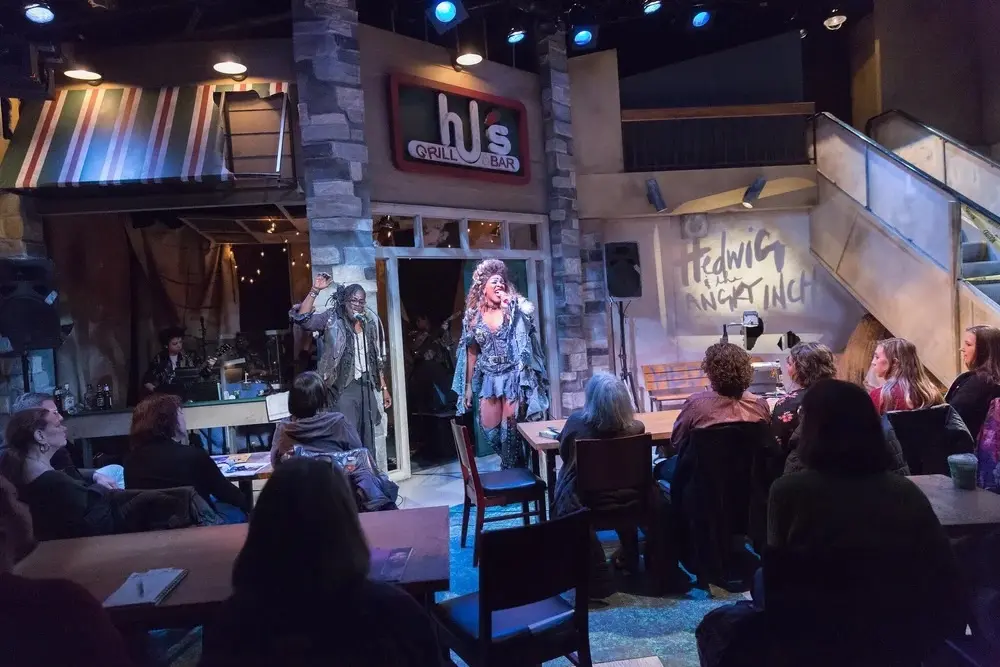
Hedwig and the Angry Inch, source: Alec Lugo

4. What has been your biggest challenge as an artist and how did it influence your growth?

My biggest challenge continues to be getting out of my own way and not letting my insecurities limit what I can offer as a designer. For example, just because I am not the strongest drawing artist does not mean I cannot create beautiful and effective designs. Recognizing that has helped me build confidence in my own creative process. It has also shaped my perspective on who gets to be a designer. Over time, I feel that some of the gatekeeping surrounding the profession has begun to loosen, making space for a wider range of talents, backgrounds, and approaches to design.

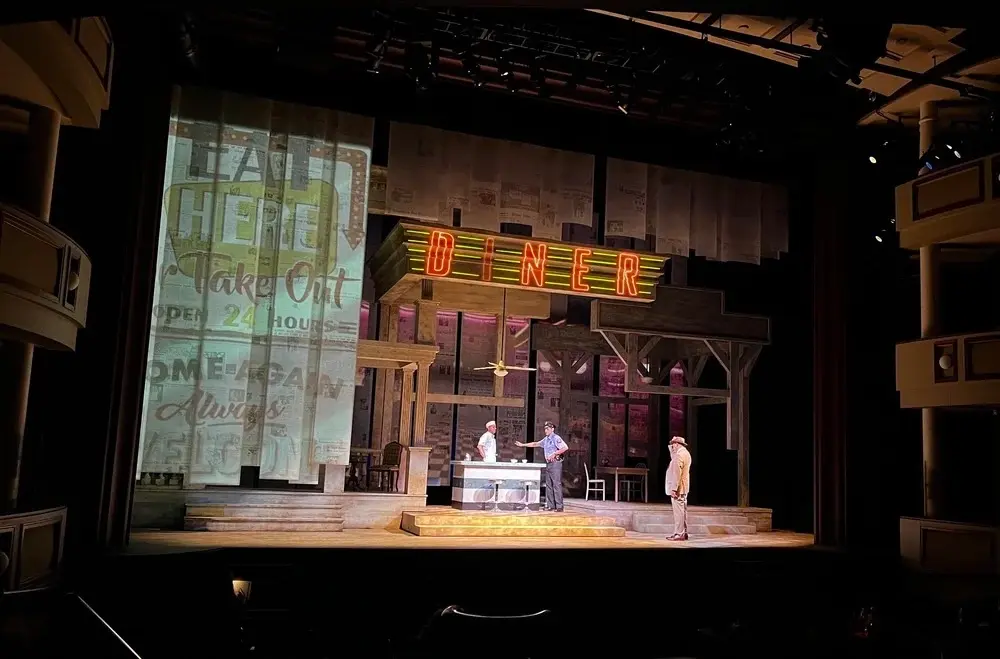
In the Heat of the Night, source: Kathy Atkinson.

5. Who or what inspires you the most, and how is that reflected in your work?

I owe so much of who I am to my mentors, Michael Smith and Anne Mundell. They showed me what it truly means to be both an amazing scenic designer and a deeply impactful educator. Every day, I try to bring a little bit of each of them into my own work. It shows up in the way I collaborate, my belief in always leading with a bit of humor, and a constant drive to sharpen my skills. They taught me to remain humble, and, crucially, to never, ever make an arbitrary choice in a design.

The Old Man and the Sea, source: Buzz Miller.

6. What do you think is the most exciting thing happening in your field right now?

The most exciting designs right now are the ones where every single choice is fiercely deliberate. Its about cutting the fluff, honoring the materials, and ensuring the design serves the storytelling without a single arbitrary gesture.

Of Mice and Men, source: Jeff Swensen

7. What advice would you give to artists or creatives who are just starting out?

No one creates in a vacuum. When you find yourself stuck or struggling to find your way, lean into collaboration. The most crucial thing you can do early in your career is find your artistic community. Seek out the designers, directors, and artisans who share your rigor and your values. Build those relationships intentionally, because those are the people who will elevate your work and sustain your career.

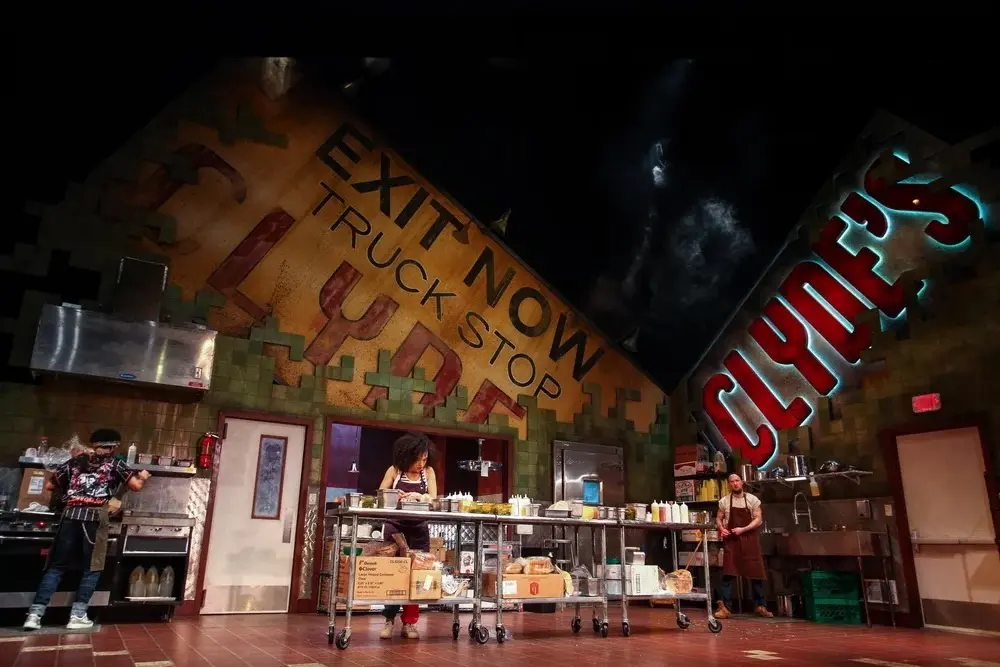
Clydes, source: Michael Davis.

8. How do you hope your work will connect with people or leave an impact?

I want my designs to provoke thought and leave room for the audience’s imagination to wander freely. Ultimately, a set should do more than frame a story. it should entwine itself with the soul of the play, achieving a deep, undeniable unity where text and space become one.

Share this story

Leave a Reply

Your email address will not be published. Required fields are marked *

CITT Expo-Scene 2027
advertising
FREE FOR ARTISTS

Get the 2026 Performing Arts Survival Guide.

Practical career guidance for performing arts artists and makers. Take it with you.