
LATEST POSTS.

Get featured
on Skene!

Jacob Zamarripa: The Invisible World Beneath the Story.

Lighting designer Jacob Zamarripa
Photo: Tasha Gorel.

Jacob Zamarripa has always been fascinated by how a room can make you feel. He discovered theatre in middle school and realized he could create those feelings for others using light. What began as an interest in making something beautiful has grown into something deeper: he no longer sees his job as making a stage look good, but as telling a story without a single word. Light, he has learned, can make a person feel safe, uncomfortable, nostalgic, powerful, or completely lost. Designing Next to Normal in Houston, his favorite musical, taught him to treat light as something that lives inside the characters’ minds, reflecting the memories and fears they could never say aloud. He has also learned to let go, to trust the work and let each audience member find their own meaning. What draws him is the moment an audience feels something before they understand why, in this edition of NEW TALENTS.

Advertising
Advertising

Jacob Zamarripa

he/him
Lighting Designer
United States
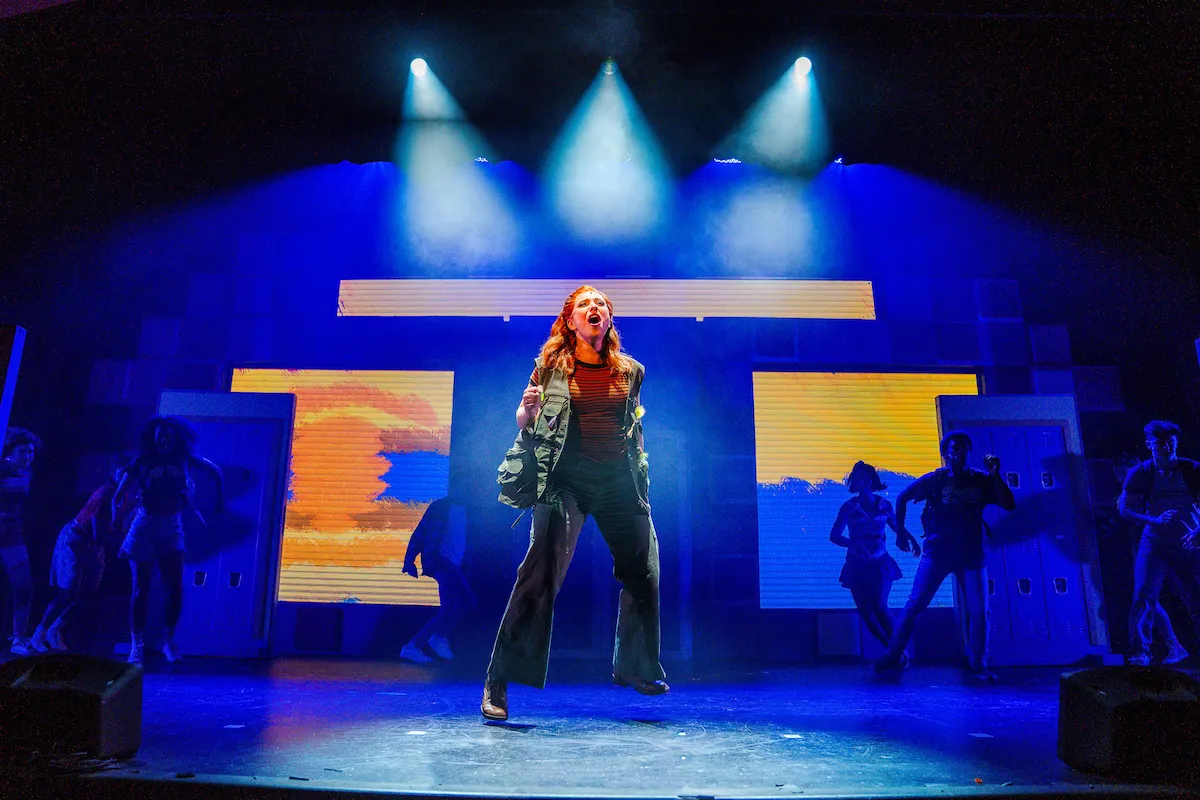
An actress stand in the middle of the stage under stage lights
Out of My Dreams, Photo: Jacob Zamarripa.

1. What sparked your interest as an artist and how has that spark evolved over time?

Since I was young, I’ve always been fascinated with how a room or environment can make you feel. Once I discovered theatre in middle school, I realized that I could help create those feelings for other people using light. What started as an interest in making something beautiful has grown into something much deeper. I’ve learned that my job isn’t simply to make a stage look good, it’s to tell a story without saying a word. Light can make a person feel safe, uncomfortable, nostalgic, powerful, or completely lost. That is what continues to inspire me. I’m no longer chasing the “perfect” picture. I’m chasing the moment when the audience feels something before they even understand why.

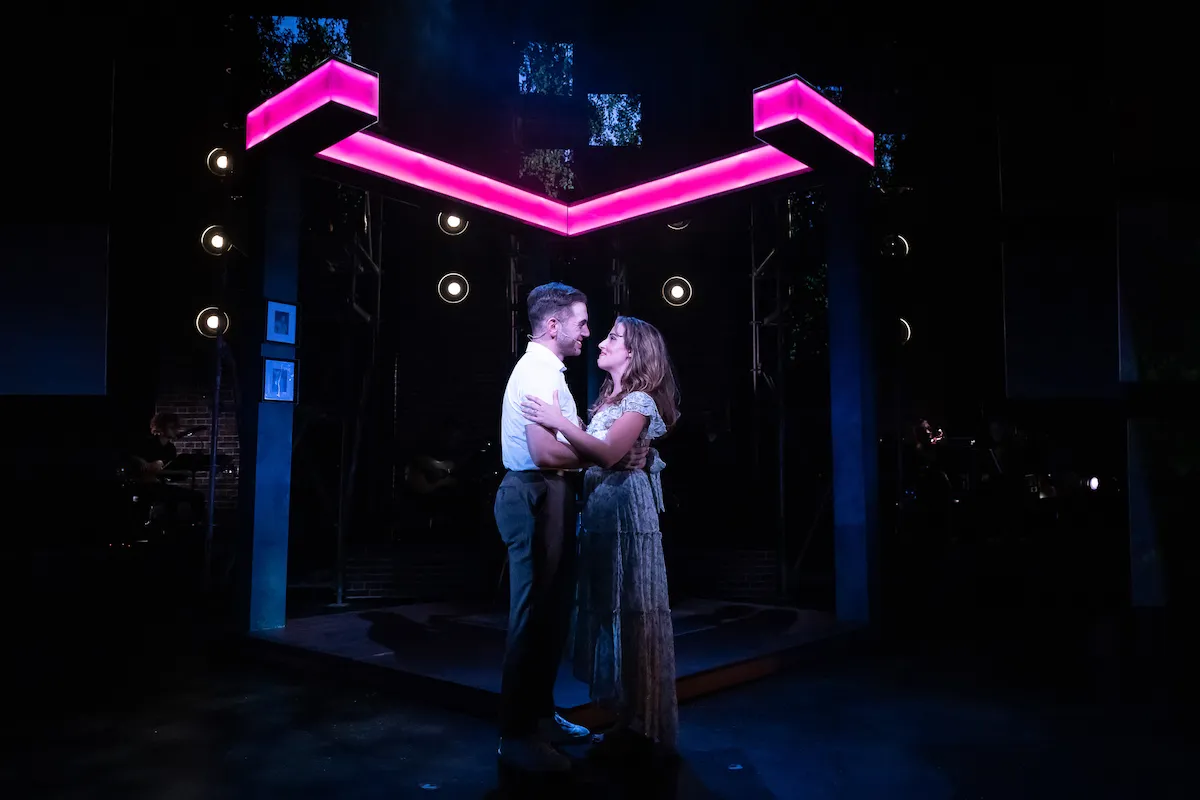
two actors embrace on stage in a romantic scene
The Last Five Years, Photo: Lynn Lane.

2. Can you share the story behind one of your favorite works and what it means to you?

A design that meant the most to me was when I designed lights for Next to Normal at the JET-PAC in Houston, TX. It is my favorite musical of all time, and I was honored to have the opportunity to design it alongside people that I absolutely love. The show has always resonated with me because of the way it explores memory, grief, love, and the complicated ways we experience reality. Designing it challenged me to think about lighting as more than something that illuminates a stage. I wanted the light to feel like it existed inside the characters’ minds. I needed the lights to reflect their memories, fears, emotions, and the things they could never say out loud. I became drawn to the contrast between moments that felt warm and beautiful and the ones that felt harsh. Doing this show reminded me why I love lighting so much, I don’t want to simply show an audience what is happening, I want to help them feel it. I want to create the invisible world underneath the story, the part that stays with you even after the lights go out.

More like this, twice a month.

Get Off-Book, Skene’s free newsletter for artists and makers—plus the 2026 Performing Arts Survival Guide.

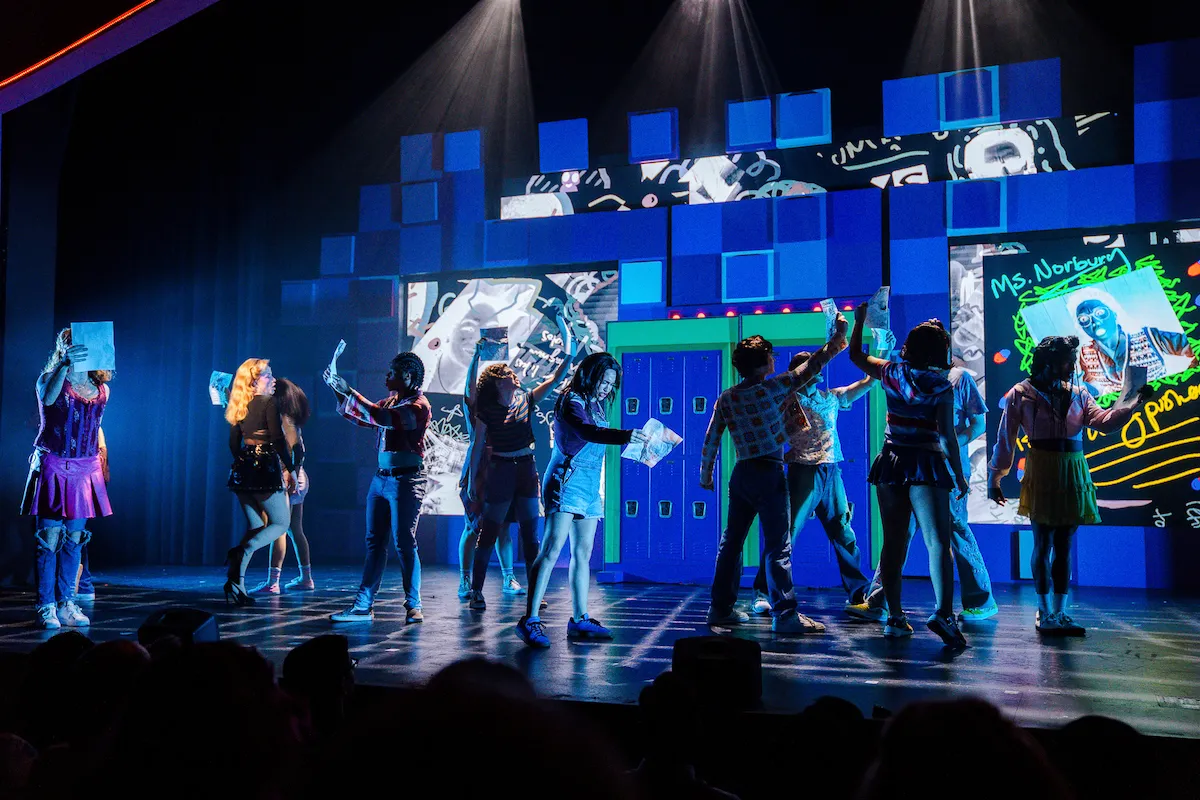
Dancers on the set of Mean Girls
Mean Girls, Photo: Alexander Cross.

3. What has been your biggest challenge as an artist and how did it influence your growth?

My biggest challenge has been learning that I cannot control how everyone experiences my work. As an artist, it is easy to become attached to an idea and want everyone to see exactly what you see. But theatre doesn’t work that way. Every person brings their own memories, emotions, and experiences into the room. I’ve learned to trust the work enough to let people find their own meaning in it. That has made me a much more confident artist. I’ve stopped asking, “Will everyone like this?” and started asking, “Does this serve the story?” Sometimes growth means becoming better at creating. Sometimes it means becoming brave enough to let go!

to actors sing under stage lights
Into the Woods, Photo: Jacob Zamarripa.

4. Who or what inspires you the most, and how is that reflected in your work?

I’m inspired by people. I’m fascinated by the way people move through the world, the things they carry with them, and the things they leave behind. I’m also inspired by the artists I get to work alongside. Theatre is such a collaborative art form, and I love watching an idea change as it passes from one artist to another. That sense of collaboration shows up in my work because I never want my lighting to feel separate from the people onstage. I want it to feel like it belongs to them. I want the audience to look at a scene and feel something before they can put it into words. For me, the best lighting doesn’t announce itself, it quietly changes the way you see everything.

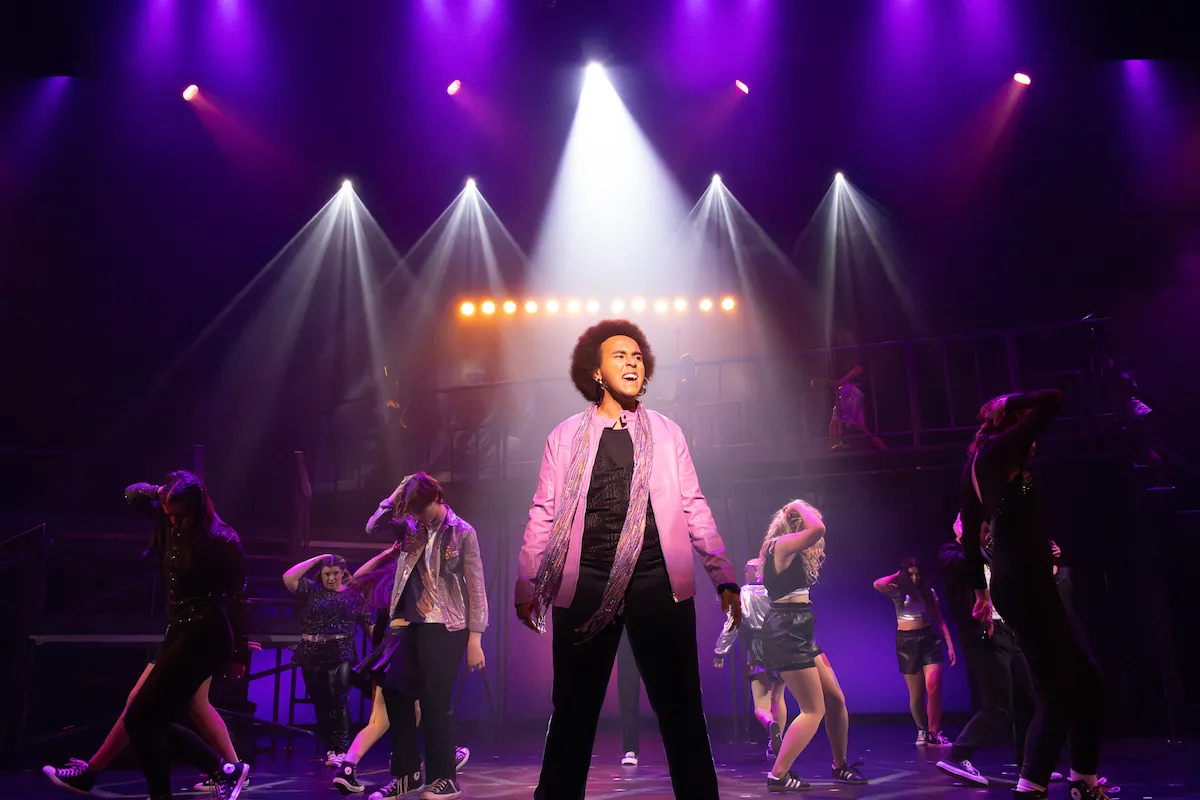
Dancers on the set of Mean Girls
Mean Girls, Photo: Alexander Cross.

5. How do you hope your work will connect with people or leave an impact?

I hope my work makes people feel something they didn’t expect to feel. Maybe they leave a theatre thinking about a character they saw. Maybe a particular image stays with them for years. Maybe they simply sit in the darkness for a moment and remember what it feels like to be completely present. I think that is one of the most beautiful things about theatre: it disappears the moment it happens, but somehow it can stay with you forever. Light is temporary by nature. It exists for a moment, and then it’s gone. I think that is why I love it so much! My goal is to create moments that disappear from the stage but never completely disappear from the people who experienced them.

Share this story

Leave a Reply

Your email address will not be published. Required fields are marked *

Abingdon Theatre Company - Season 34
FREE FOR ARTISTS

Get the 2026 Performing Arts Survival Guide.

Practical career guidance for performing arts artists and makers. Take it with you.