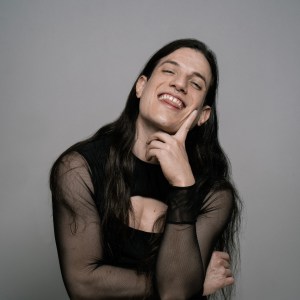
Emilio Bastré: Fragile Enough for a Strong Connection.
Emilio Bastré is a Mexican actor and member of the Compañía Nacional de Teatro whose work lives at the intersection of freedom and craft.


Emilio Bastré is a Mexican actor and member of the Compañía Nacional de Teatro whose work lives at the intersection of freedom and craft.

Six essential plays by Black British playwrights that American theatres should be producing — from Natasha Gordon to debbie tucker green.
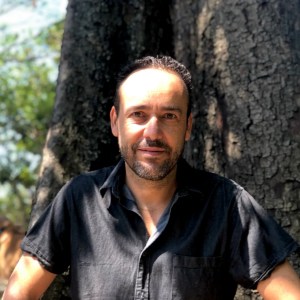
Meet Mexican lighting designer Victor Zapatero, whose work blends observation, emotion, and creative intention. Discover his artistic philosophy.

Actor and playwright whose work moves between personal honesty and theatrical confrontation, building stories that leave no edges sanded down.

Scenic designer and Skene founder on community, mentorship, and building a creative career, in conversation with Mitzi Avila of Creative Blueprints.
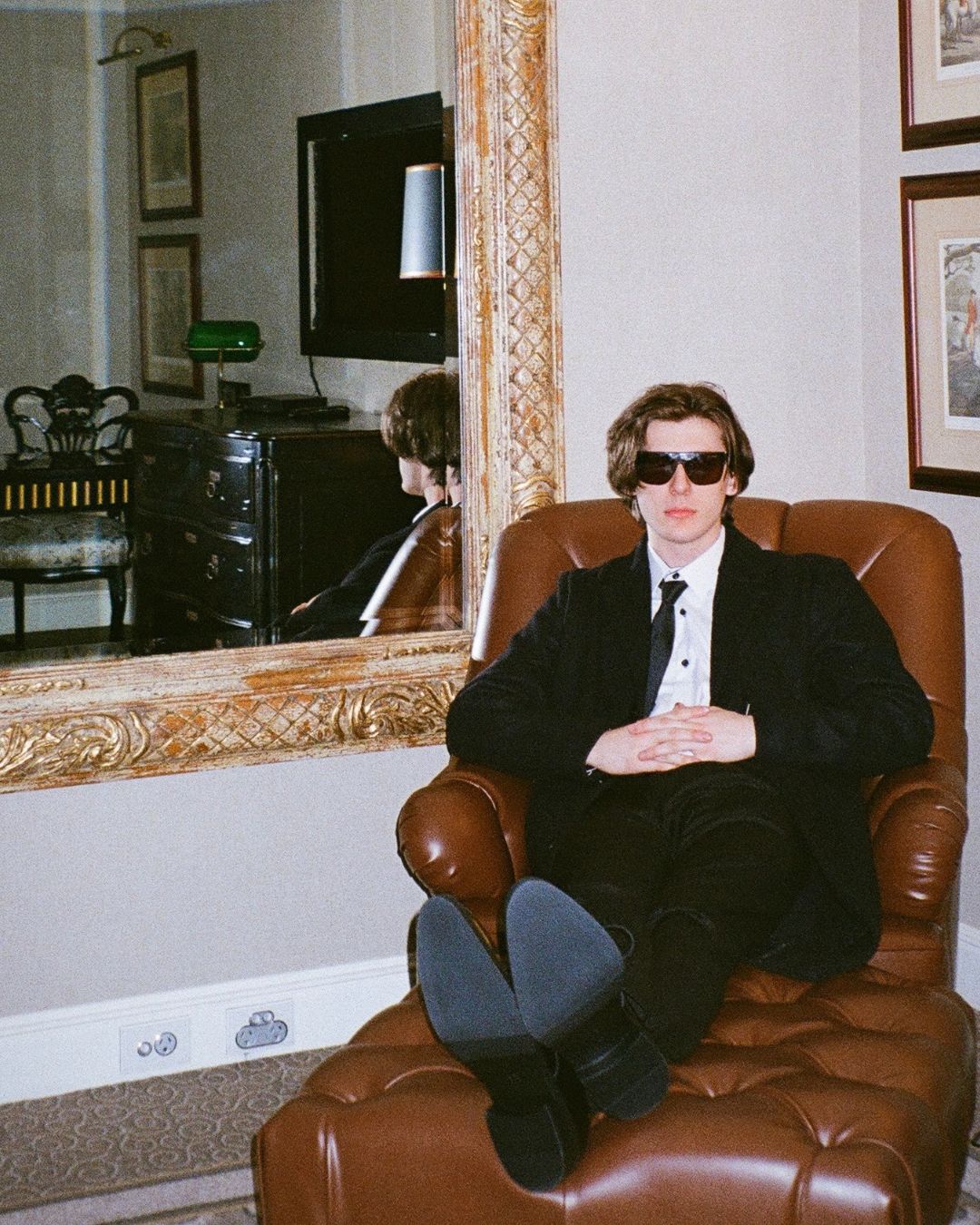
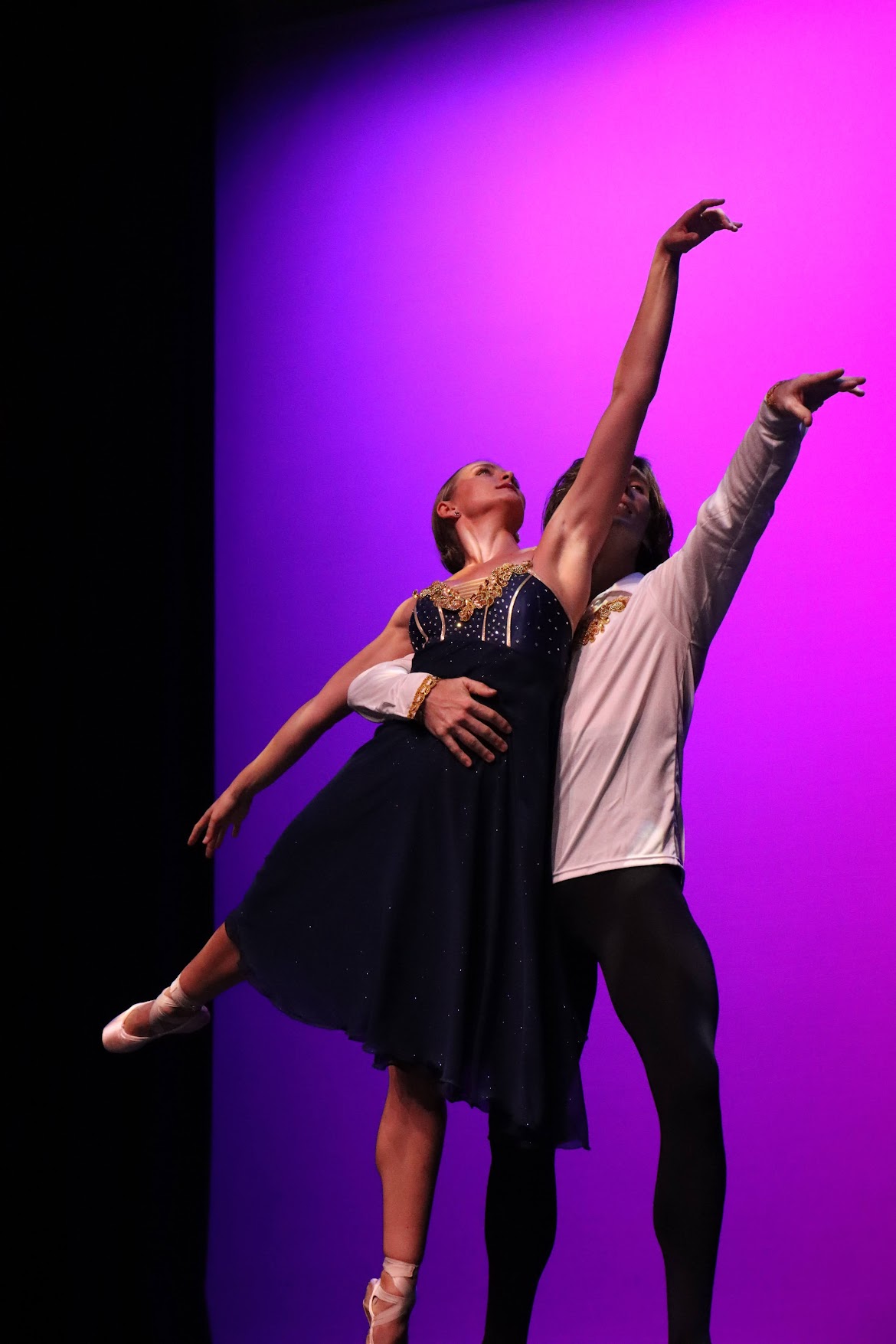
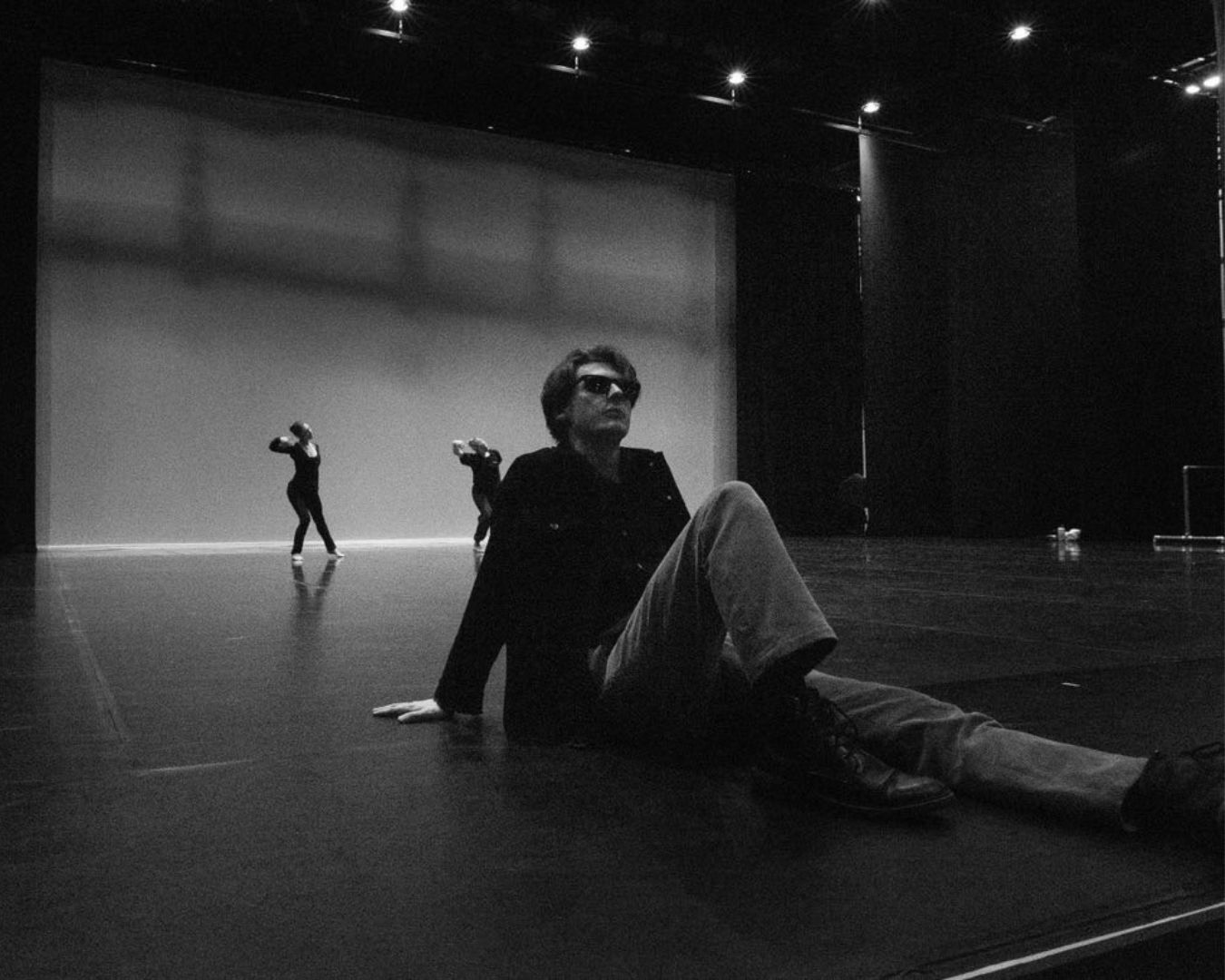
From rock bands to ballet scores, Australian composer and music producer Stanlee Harris has always chased the emotional core of sound. Music first entered his life through family: his father’s swing gigs and his mother’s early piano lessons. But it wasn’t until AC/DC’s electric riffs and later Erik Satie’s haunting Gymnopédie No. 1 that Harris found his artistic calling—one that led him from garage bands to classical composition. His debut ballet, AQUILA, was born from a solo trip through Europe, where nights in Vienna and Paris sparked a story of love, tension, and heartbreak that would eventually become a full score. The project pushed him to navigate rejections, migraines, and endless rehearsals, but also gave him his greatest reward: seeing his work staged for the first time.
In this edition of NEW TALENTS, Stanlee Harris shares the journey that transformed raw passion into orchestral storytelling.
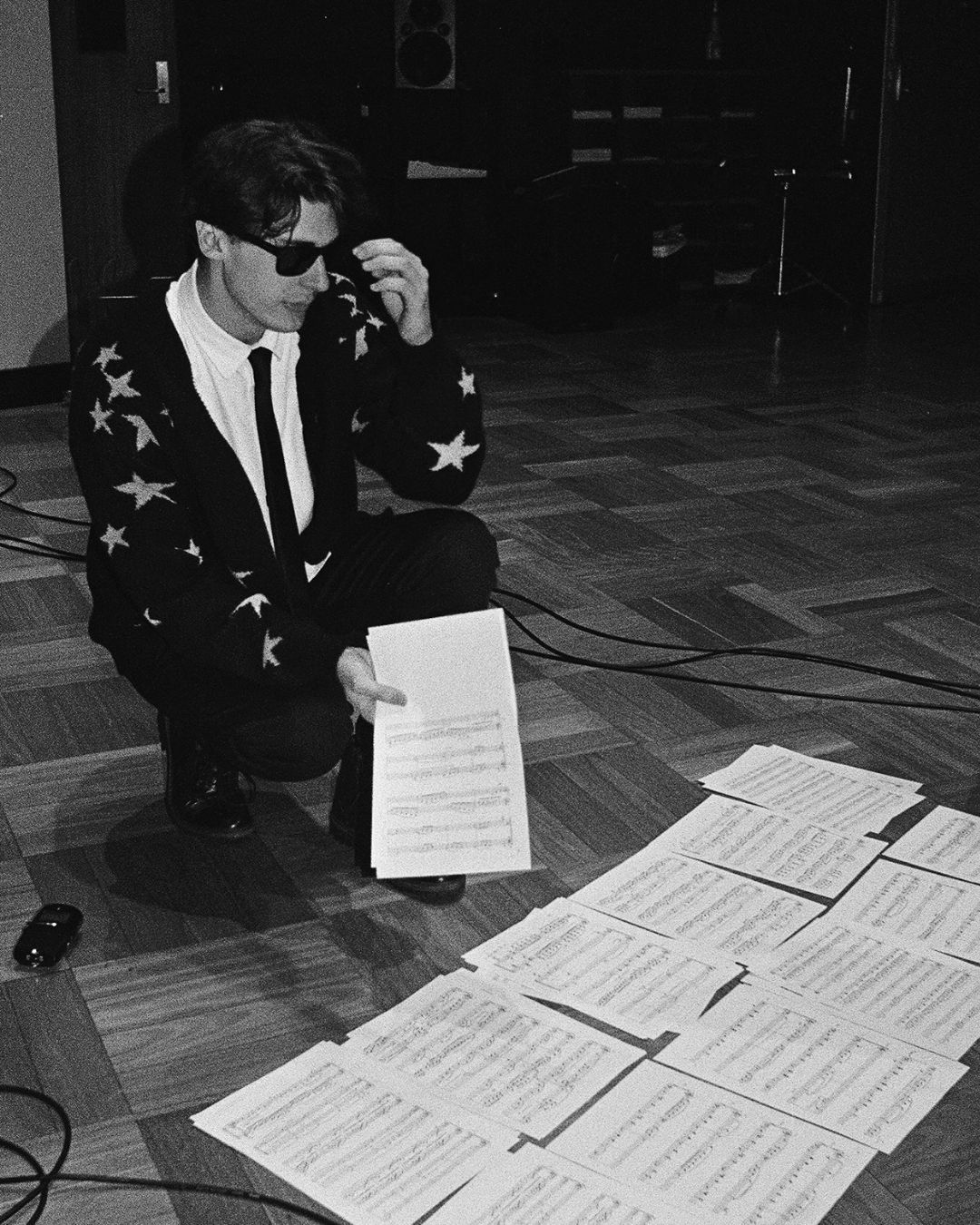
My love for music started when I was young, my father was a swing singer so my sisters and I would always go to his gigs and we were exposed to that kind of ‘big band’ music from a very early age. My mum put us in piano lessons when we were about 4 too and I kept them up until I was about 15. I had no interest in music for about a year after that until I discovered AC/DC, which changed my life forever. I became obsessed with Angus Young’s guitar playing and bought a cheap guitar to teach myself how to play all their songs. After I finished school, I played in lots of rock and punk bands for a few years until I heard Erik Satie’s ‘Gymnopedie n.1’ which was like the AC/DC moment all over again. His music really opened my eyes up to piano music, it was simple, melodic and most importantly to me, so emotive. I brought my old piano out of storage and immediately started writing my own pieces. This is something I’ve always done because I’ve never really felt satisfied playing other people’s music. That was definitely a trait from playing in bands because everyone writes their own music in those scenes, no matter how good you are. I feel like classical music has a bit of a stigma around not composing until you’re at a certain level of playing or theory knowledge. My writing kept evolving, into different classical styles and has ended up here, with the piano-trio score for my ballet ‘AQUILA’, which comes out on all streaming platforms September 24!
When I started writing the ballet, I was 21, solo travelling Europe and had just left Vienna where I’d visited Mozart’s house and watched a few concerts, one actually in the basement of where he lived. I’d been thinking about writing a ballet for a while and then on my first night in Berlin, still feeling inspired by the city, started on the storyline, trying to create points of love, tension, problems, and heartbreak, so there would be an opportunity for the music to showcase all these different emotions. I worked on the story all throughout the rest of the trip, and finished the final version sitting by the Seine in Paris. I got to work on the music as soon as I got back to Australia and whenever I come across the original story writings, it always takes me back to how I felt there and gives me a strange sense of optimism and hope for my next projects.
My art is always the result of everything I consume and live through. My biggest musical influences aren’t actually musical, what inspires my writing mostly comes from relationships, sadness, visual aesthetics, atmospheres, foreign places, conversations, memories, and all kinds of other things. I think that if the music you make is the result of these sorts of things, you have a much better chance of making something original and true to yourself than you do analyzing someone else’s composition. My ballet’s music is the best example of this that I have, if someone wanted to know everything about me, they would only have to look into ‘AQUILA’.
The hardest things I’ve faced in music definitely came from this project. Firstly with the music, writing it was extremely tiring and difficult. There were many times I wanted to give up or had migraines from parts repeating in my head endlessly. Thankfully I didn’t however, and finishing the score after a year a half was only the beginning. I had no contacts in the classical music world or the ballet world, so for months I was cold calling ballet schools and companies, trying to get them to consider putting on even a kids version of the production. I had many grant funding rejections but eventually got a break when the Brisbane Ballet were interested in working on it with me. A few months later I received an arts grant from my local council and that, together with the money I’d saved up at my job, was enough to put on the show and record the album with. What pushed me through these hard times, was an unwavering belief in the work, no matter how many times I was rejected or what anyone said, and just a faith that eventually it would work, even if I’d have to save for 3 years just to put it on and be able to show it to people, I knew it was worth doing.
I hope the work continues to develop over time when it gets staged with different companies. There’s room for variation in it and now it has been staged, there is a clear skeleton of the work that I’d like to expand on. My intentions with writing it were to make it a ballet that anyone could enjoy and one that could be accessible to my friends and family who don’t have an interest in ballet. I tried to do this through music that takes influences from many musical styles, not strictly classical, and a story with timeless, human themes. I’d say that was achieved so far as probably 90% of the people who came to the work’s premiere from my side had never seen a ballet before and seemed to really enjoy it.
Support artists—share this
Off-Book is the Skene newsletter for artists and makers. Profiles, opportunities, and editorials, free. New subscribers also receive the 2026 Performing Arts Survival Guide.
We use cookies to optimize our website and our service functionalities.