Alex Vásquez Dheming: Choreographing Light.
Salvadoran lighting designer whose expressionist practice turns light into narrative, emotion, and

Salvadoran lighting designer whose expressionist practice turns light into narrative, emotion, and

Japanese costume designer and cultural advocate whose research-driven practice interrogates representation, identity,

German scenic designer whose kinetic scenography builds sets that move with the

Mexican cultural worker, director, and playwright whose practice is rooted in collective

Classic plays for community theatre: Shakespeare, Greek tragedies, Chekhov—masterpieces with zero royalties.
Disclosure: Some links in this article may be affiliate links. If you make a purchase through them, we may earn a small commission at no additional cost to you. These links help support the work behind Skene.
British Black theatre has a rich and distinct tradition that American stages have largely overlooked, and the gap is not a matter of quality. The writers gathered here are among the most celebrated playwrights working in the English language, with productions at the National Theatre, the Royal Court, and the Donmar Warehouse that have shaped the conversation about contemporary drama in Britain for decades. What they share is a perspective shaped by empire, migration, Caribbean heritage, and the particular experience of being Black in a country that has never fully reckoned with what it built its wealth on.
That perspective translates powerfully to American stages, and not only because the histories of anti-Black racism in Britain and the United States rhyme in uncomfortable ways. These plays offer something genuinely different from the American dramatic tradition: different rhythms, different cultural references, different relationships to community and family and the legacy of the African diaspora. For theatres that have committed to expanding the range of Black voices on their stages, British Black playwriting is an essential and underexplored resource.
The conversation is already happening across the Atlantic. It is time for American theatres to join it.
Natasha Gordon’s debut play, which transferred from the National Theatre to the West End and won widespread critical acclaim, is set over the nine nights of a Jamaican funeral tradition in which family and community gather to celebrate the life of the deceased and ease their passage to the next world. The play follows a British-Jamaican family navigating grief, inheritance, cultural identity, and the generational tensions that surface when people who have been keeping distance from each other are suddenly forced into the same house. Gordon writes with warmth, precision, and a deep ear for the particular rhythms of Caribbean British speech, and the play is as funny as it is heartbreaking. Nine Night is one of the most accessible entry points into British Black playwriting for American audiences, and it offers a portrait of diaspora family life that has no direct equivalent in the American repertoire.
Cast Requirements: 7–8 performers. Predominantly Black cast, mixed gender. Caribbean British cultural context; dramaturgy support recommended for American productions. Single domestic interior set. No musical requirements. Mainstage and regional production.
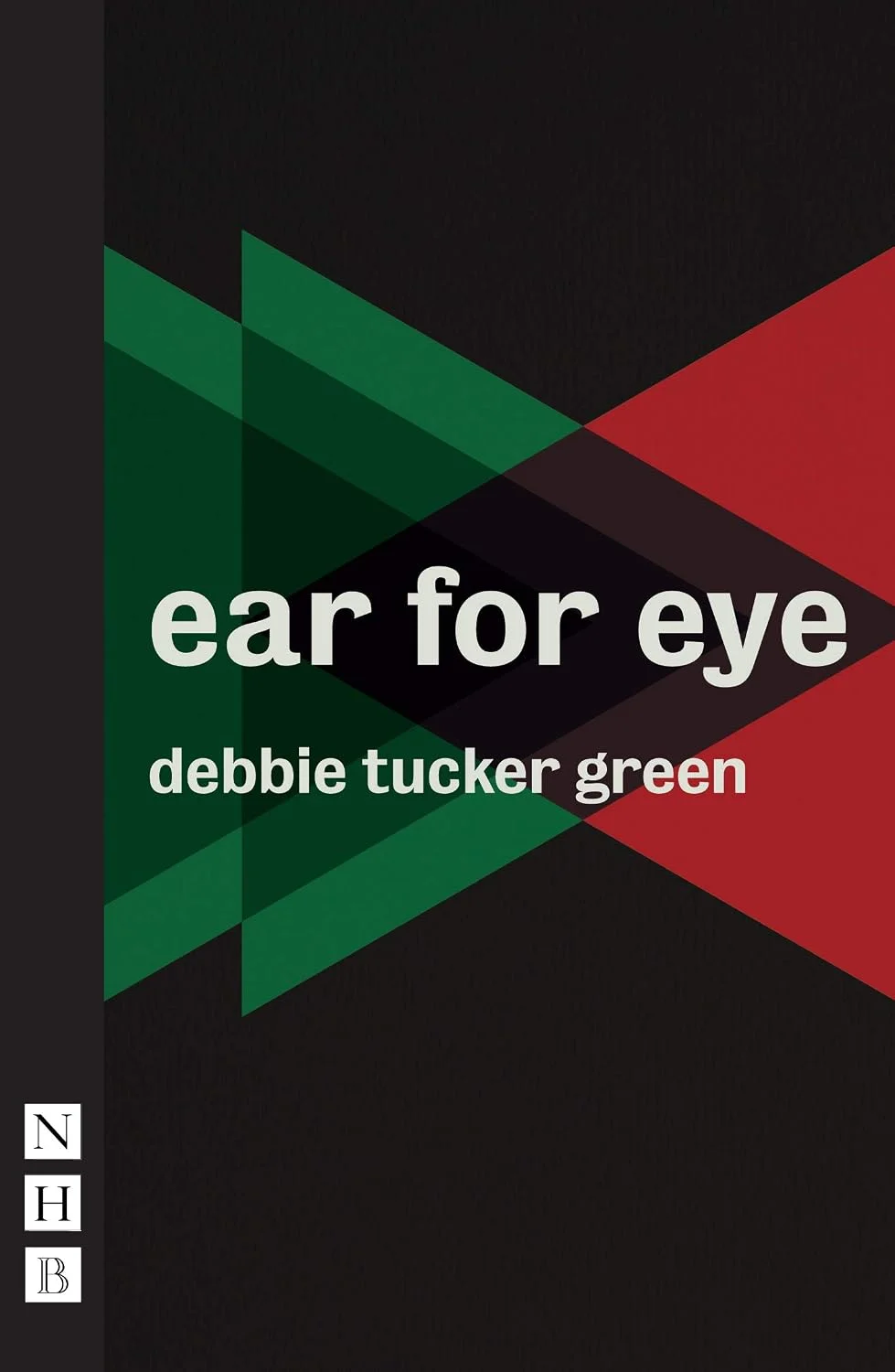
debbie tucker green is one of the most formally radical playwrights working in Britain today, and Ear for Eye is among her most ambitious works. The play examines anti-Black racism and resistance across three sections: a contemporary British domestic scene, an American classroom discussion, and a series of historical texts from Black activists and thinkers that the performers read directly to the audience. The form is deliberately confrontational, refusing the comfort of narrative and demanding that the audience sit inside the experience of the material rather than observe it from a safe distance. tucker green writes with a compressed, percussive language that is entirely her own, and the play requires performers and directors who can work precisely within that language without trying to naturalize it. For theatres committed to formally adventurous work on race and resistance, it is essential.
Cast Requirements: Large ensemble, flexible casting. Predominantly Black cast with some White roles in the American classroom section. No musical requirements. Minimal or abstract staging. Suitable for mainstage and large black box. Dramaturgy support strongly recommended.
Breath is one of tucker green’s most concentrated works, a short and formally precise play about a relationship at the moment of its ending. Two people, unnamed, circle the same emotional territory from different angles, their dialogue overlapping and diverging in ways that map the architecture of intimacy and its collapse. tucker green’s signature approach to language, compressed, rhythmic, and resistant to conventional punctuation, is here deployed at its most distilled, creating a theatrical experience that is as close to poetry as drama gets without abandoning the dramatic form entirely. The play’s brevity and small cast make it ideal for workshop and studio production, and its formal qualities make it an invaluable teaching text for students of dramatic language and structure. For companies that have not yet encountered tucker green’s work, Breath is an ideal starting point.
Cast Requirements: 2 performers. Any race, mixed gender. No musical requirements. Minimal or bare set. Runs approximately 30–40 minutes. Ideal for studio, workshop, and festival production.
Originally developed as a BBC radio series before transferring to the stage, Rudy’s Rare Records is set in a Birmingham record shop specializing in rare Caribbean music, where a father-son conflict plays out against the backdrop of a changing neighborhood, a changing industry, and the question of what it means to preserve a culture that the mainstream has always treated as marginal. Lenny Henry, one of Britain’s most celebrated comedic performers, brings to the writing a deep knowledge of Caribbean British culture and a genuine affection for the world the play inhabits. The result is warm, funny, and unexpectedly moving, and it offers American audiences a portrait of British Caribbean community life that is rarely visible on this side of the Atlantic. For theatres looking for accessible, culturally rich work that does not sacrifice complexity for entertainment value, it is an ideal choice.
Cast Requirements: 6–8 performers. Predominantly Black Caribbean British cast, mixed gender. Period and contemporary setting; some design attention required. No musical requirements though Caribbean music is central to the atmosphere. Mainstage and regional production.
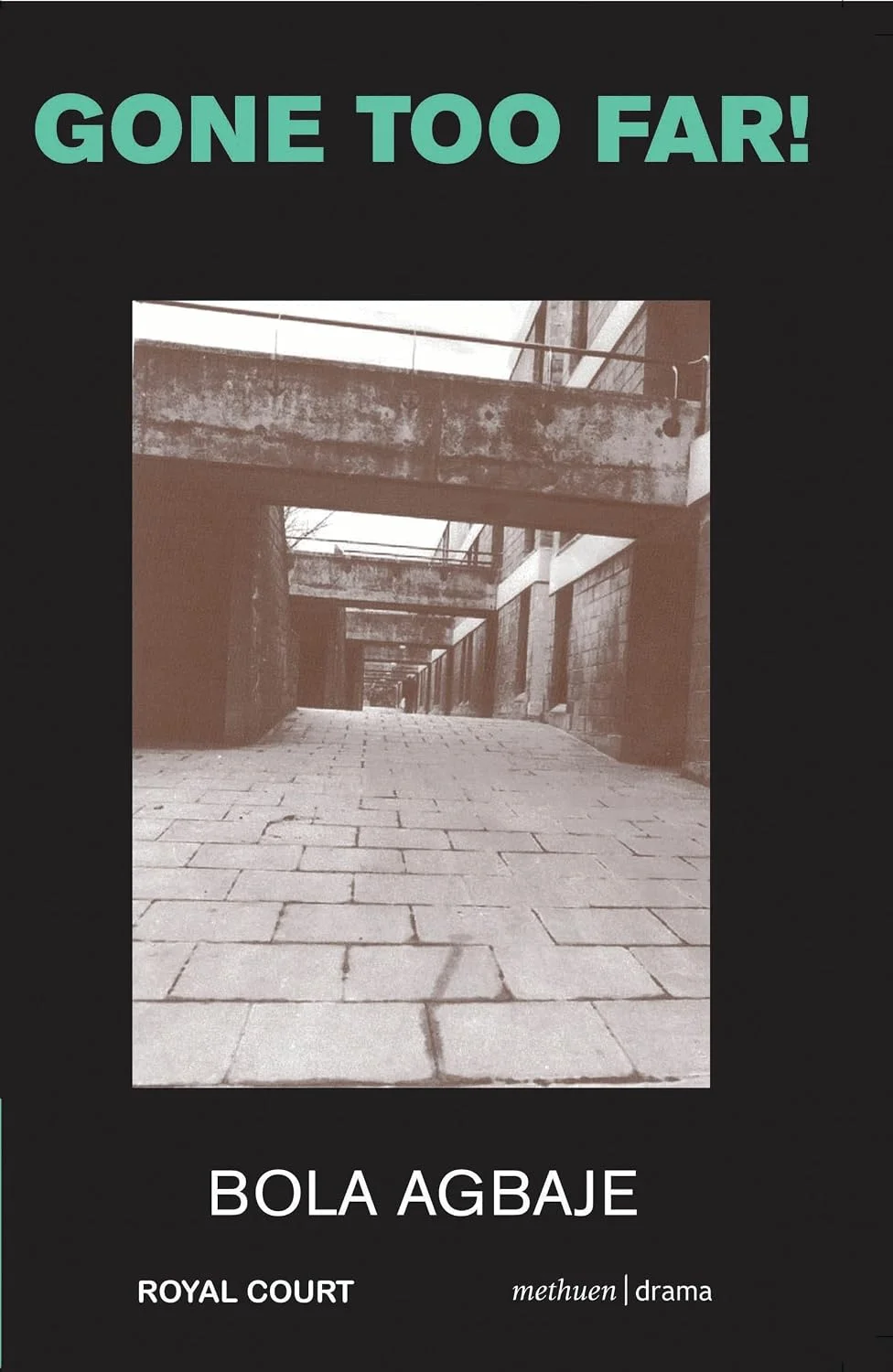
Bola Agbaje’s debut play, which won the Olivier Award for Outstanding Achievement in an Affiliate Theatre, follows two teenage brothers of Nigerian heritage, one raised in Britain and one newly arrived from Nigeria, as they navigate a single afternoon in a South London housing estate. The play is a precisely observed comedy about identity, belonging, and the internal divisions within Black British communities that are rarely represented on stage. Agbaje writes with a sharp ear for contemporary urban speech and a genuine warmth for her characters even as she holds them accountable to each other. Gone Too Far is an ideal production for companies with young ensemble casts, and its relatively modest production requirements and contemporary setting make it one of the most accessible works in this list. It is also, quietly, one of the funniest plays in the British repertoire of the last twenty years.
Cast Requirements: 8–10 performers. Predominantly Black cast, mixed gender, wide age range. Contemporary urban setting; minimal set works well. No musical requirements. Suitable for mainstage, black box, and youth-focused production.
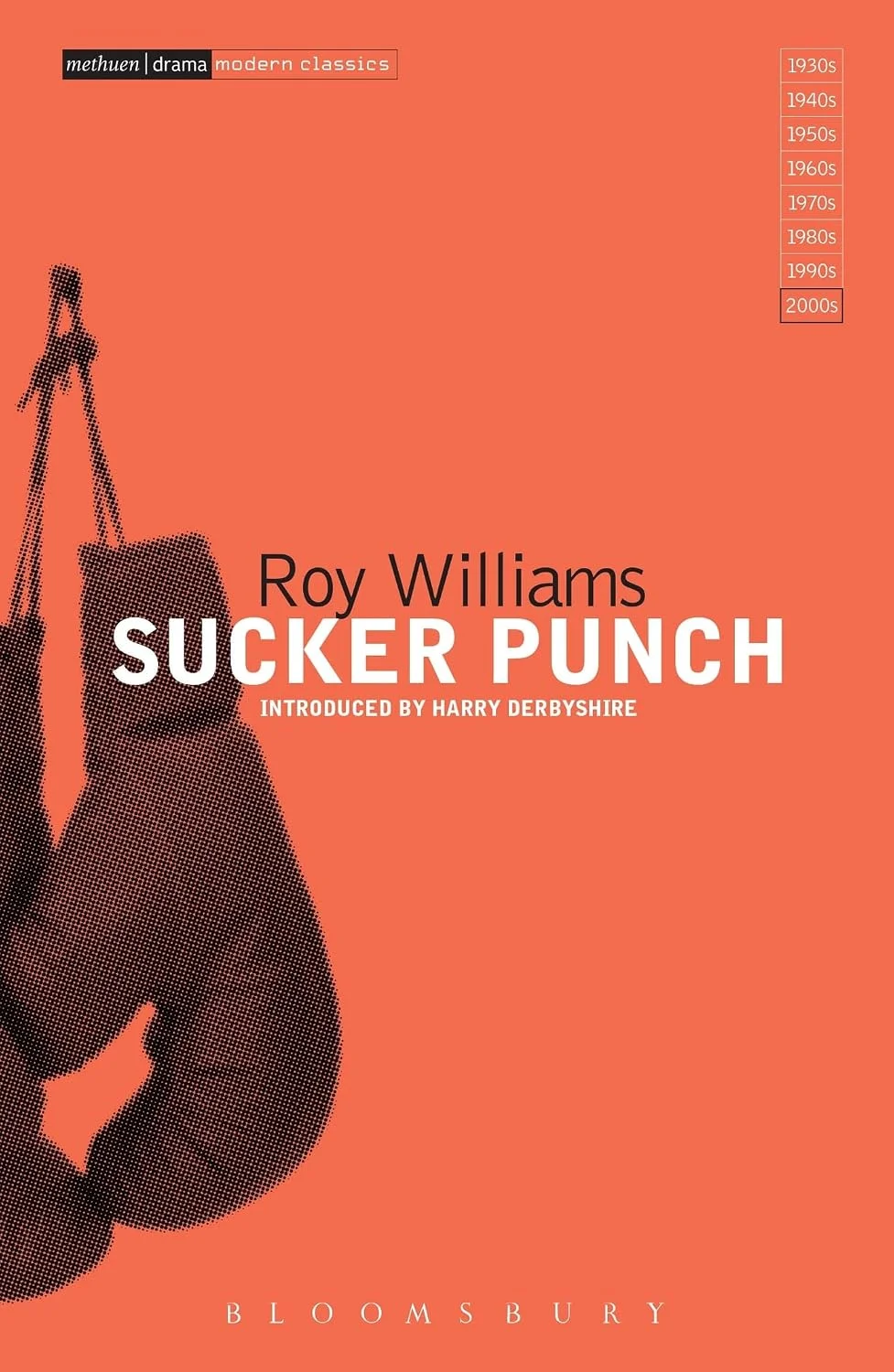
Roy Williams’ Sucker Punch is set in the 1980s and follows two young Black men training at a boxing gym in South London during the era of Thatcherism, the miners’ strikes, and the National Front. The play uses the world of boxing as a frame for a much larger examination of race, class, loyalty, and the impossible choices facing young Black men in a society that offers them very few paths forward. Williams writes with a visceral physicality and a dramatic intelligence that builds its tensions slowly and pays them off completely. The period setting and the boxing context require some production investment, but the play’s small principal cast and single-location structure keep it within reach of companies of almost any size. For American theatres, the British specificity of the setting will require some dramaturgy work, but the play’s core concerns translate without loss.
Cast Requirements: 5–6 performers. Predominantly Black cast, mixed gender. Period 1980s setting; boxing choreography required. Single interior set (boxing gym). No musical requirements. Suitable for mainstage and regional production.
These six plays are not curios from another theatrical tradition. They are major works by major writers, shaped by a Black British experience that is distinct from but deeply connected to the African American experience that has historically defined Black representation on American stages. They bring different histories, different cultural textures, and different formal approaches, and that difference is precisely what makes them valuable.
American theatres that produce this work are not importing something foreign. They are extending a conversation that has always been transatlantic, that has always moved across the diaspora in both directions, and that has always been enriched by the encounter between different Black experiences of the same colonial history.
The plays are here. The writers are extraordinary. The conversation is already happening. The only question is whether American stages are ready to join it.
Support artists—share this
Off-Book is the Skene newsletter for artists and makers. Profiles, opportunities, and editorials, free. New subscribers also receive the 2026 Performing Arts Survival Guide.
We use cookies to optimize our website and our service functionalities.
Practical career guidance for performing arts artists and makers. Take it with you.