Latest posts.

Get Featured or Publish with Skene!

Voices of the Land: Five Indigenous and Native American Playwrights.

Disclosure: Some links in this article may be affiliate links. If you make a purchase through them, we may earn a small commission at no additional cost to you. These links help support the work behind Skene.

As we approach Indigenous Peoples’ Day, we turn our attention to the artists whose voices continue to shape, challenge, and heal through story. Theatre has always been a gathering place — a space where communities tell their truths, confront power, and remember who they are. For Indigenous and Native American playwrights, that purpose runs even deeper. Their work is not only performance; it is ceremony, resistance, and reclamation. Each play becomes an act of survival and celebration, pushing against centuries of cultural erasure to make visible the stories that have always been here.

In 2025, a new generation of Indigenous playwrights continues to redefine the global theatre landscape with boldness and vision. Their words intertwine humor, history, and heartache, reclaiming storytelling as both ancestral inheritance and political act. Whether satirizing performative allyship, reimagining sacred histories, or honoring matriarchal strength, these writers remind us that Indigenous storytelling is not a trend.

The five playwrights highlighted here: Larissa FastHorse, Mary Kathryn Nagle, Kim Senklip Harvey, Caleigh Crow, and Lynn Riggs embody the vast diversity and enduring creativity of Indigenous theatre. Their plays challenge audiences to confront colonial myths, embrace cultural plurality, and witness the brilliance of voices too often marginalized in mainstream performance.

Together, they expand what theatre can be: a bridge between worlds, a keeper of memory, and a living archive of resilience.

Larissa FastHorse

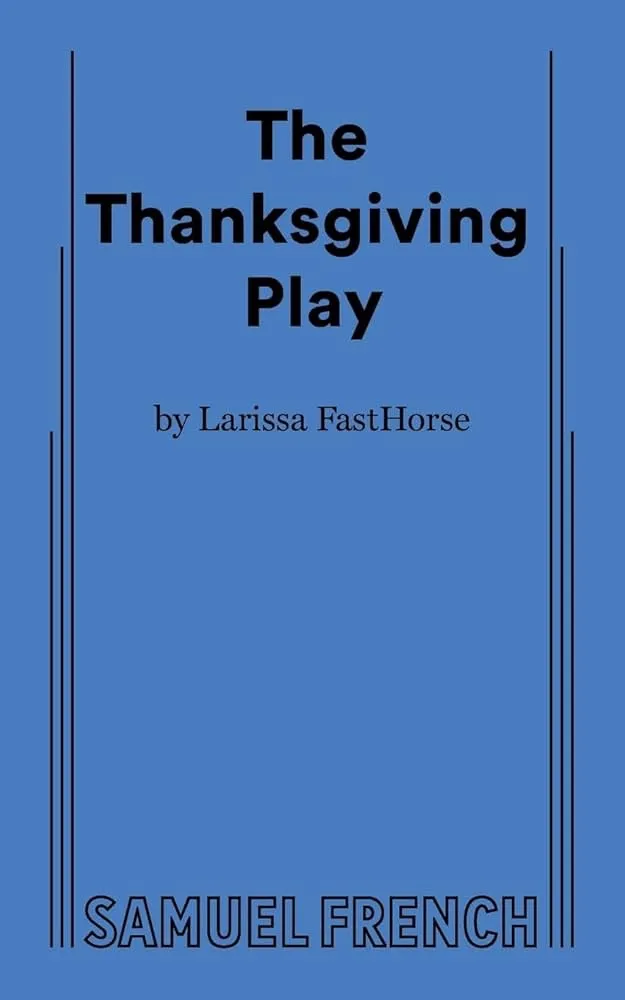
The Thanksgiving Play

Larissa FastHorse, a Sicangu Lakota playwright, wields satire with surgical precision. In The Thanksgiving Play, four white liberal theatre artists attempt to stage a politically correct Thanksgiving pageant — and hilariously implode under the weight of their own “wokeness.” FastHorse skewers the self-conscious guilt of performative activism while exposing how Indigenous histories are sanitized in mainstream storytelling. Beneath the laughter lies a serious critique of erasure and privilege, making this play a brilliant entry point for anyone questioning how American theatre defines inclusion.

Mary Kathryn Nagle

Manahatta

Cherokee playwright and lawyer Mary Kathryn Nagle threads together the past and present in Manahatta, a play that juxtaposes a 17th-century Dutch-Lenape encounter with the modern life of a Cherokee woman navigating Wall Street. As financial empires rise on ancestral land, Nagle’s narrative exposes the spiritual cost of capitalism and colonization. Her storytelling — elegant, cyclical, and grounded in both law and lore — turns history into living testimony. Manahatta is not just a play about place; it is an act of return, asking who profits when land forgets its name.

Kim Senklip Harvey

Kamloopa: An Indigenous Matriarch Story

Written by Syilx and Tsilhqot’in writer-director Kim Senklip Harvey, Kamloopa is a riotous, tender, and transformative celebration of matriarchal love. The play follows two sisters and their trickster friend as they embark on a road trip to the Kamloopa Powwow — a journey that becomes a ceremony of self-reclamation. With bursts of humor, song, and ceremony, Harvey fuses oral tradition with contemporary theatre in a way that feels both ancient and electrifyingly new. Winner of the 2020 Governor General’s Literary Award, Kamloopa pulses with joy and cultural sovereignty.

Caleigh Crow

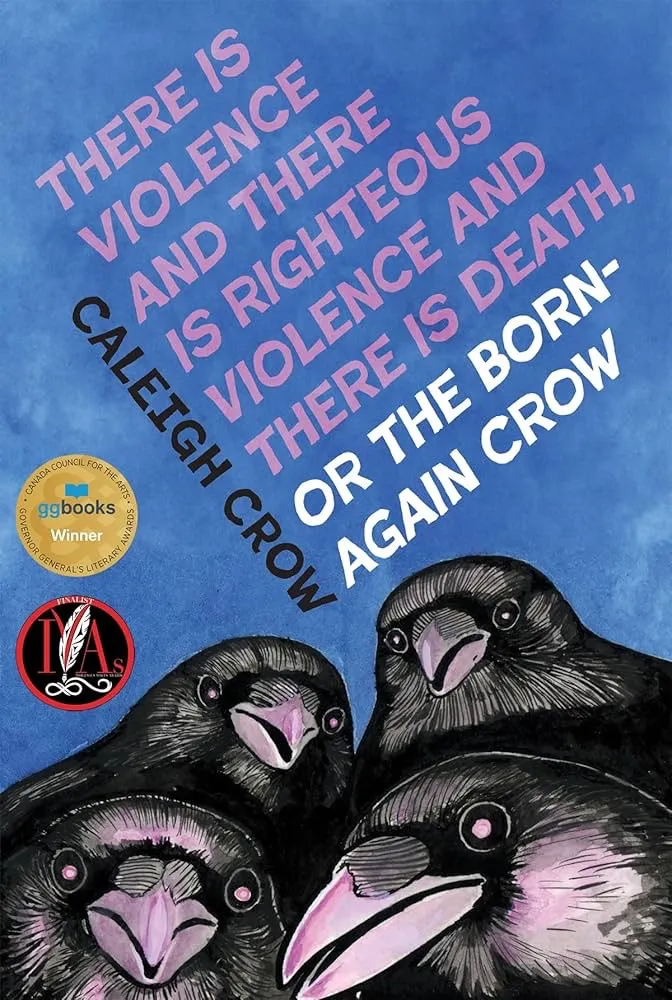
There Is Violence and There Is Righteous Violence and There Is Death, or the Born-Again Crow

Métis playwright Caleigh Crow’s award-winning work is as fearless as its title suggests. There Is Violence and There Is Righteous Violence and There Is Death, or the Born-Again Crow is a lyrical and darkly funny exploration of grief, identity, and spiritual transformation. Crow examines how colonial religion and inherited trauma intersect with Indigenous renewal, creating a world where rage and grace coexist. Winner of the 2024 Governor General’s Award for Drama, the play cements Crow’s reputation as one of Canada’s most inventive and uncompromising voices.

Lynn Riggs

The Indigenous Plays

Decades before the word “representation” became a rallying cry, Cherokee playwright Lynn Riggs was forging space for Native identity in American theatre. The Indigenous Plays gathers three of his most profound works, including The Cherokee Night, which dismantles linear time to portray the fragmentation — and resilience — of Cherokee experience. Riggs’ blending of poetic realism and Indigenous worldview created a foundation for generations of Native playwrights. His work remains urgent, illuminating how storytelling itself can resist cultural erasure.

Honoring the Path Forward

Through humor, ceremony, and unflinching honesty, these playwrights’ work reminds us that theatre can still be a living conversation between past and present, between land and language, between those who speak and those who listen. Each play offers a new way of seeing, inviting audiences to engage with Indigenous worldviews not as a sidebar to history, but as an enduring framework for understanding humanity itself.

Supporting Indigenous and Native American playwrights means participating in that ongoing dialogue. It’s an acknowledgment that art and justice are intertwined; that every performance, every page, every shared story contributes to a broader act of cultural renewal.

Support artists—share this

Master Your 2026 Career.

Get our free Survival Guide for Actors, Directors, and Designers.

About the Author

Leave a Reply

Your email address will not be published. Required fields are marked *

partner content
BACKSTAGE PASS

Master Your 2026 Career.

Get our free Survival Guide for Actors, Directors, and Designers.