LATEST POSTS.

Get featured
on Skene!

Orchestra vs Mezzanine vs Balcony: How to Choose the Best Seat in Any Theatre.

source: Kilyan Sockalingum.

Choosing where to sit in a theatre can feel deceptively simple until you are faced with a seating chart and asked to decide whether orchestra, mezzanine, or balcony seats are actually worth it. While ticket price often drives the decision, the best seat in a theatre depends on more than proximity to the stage. Sightlines, acoustics, venue design, and the type of performance all play a role in shaping the audience experience.

This guide explains how orchestra, mezzanine, and balcony seating function in most theatres, outlining the advantages and limitations of each section. Rather than ranking seats by prestige, it focuses on how different seating areas serve different kinds of performances and audience preferences.

If you are deciding where to sit for an upcoming show, this article will help you make an informed choice. You may also want to explore our guide on the best seats in a theatre according to theatre professionals, which offers additional insight into how designers and performers experience the auditorium from the stage.

skene algorithm
advertising

How Theatre Seating Is Designed.

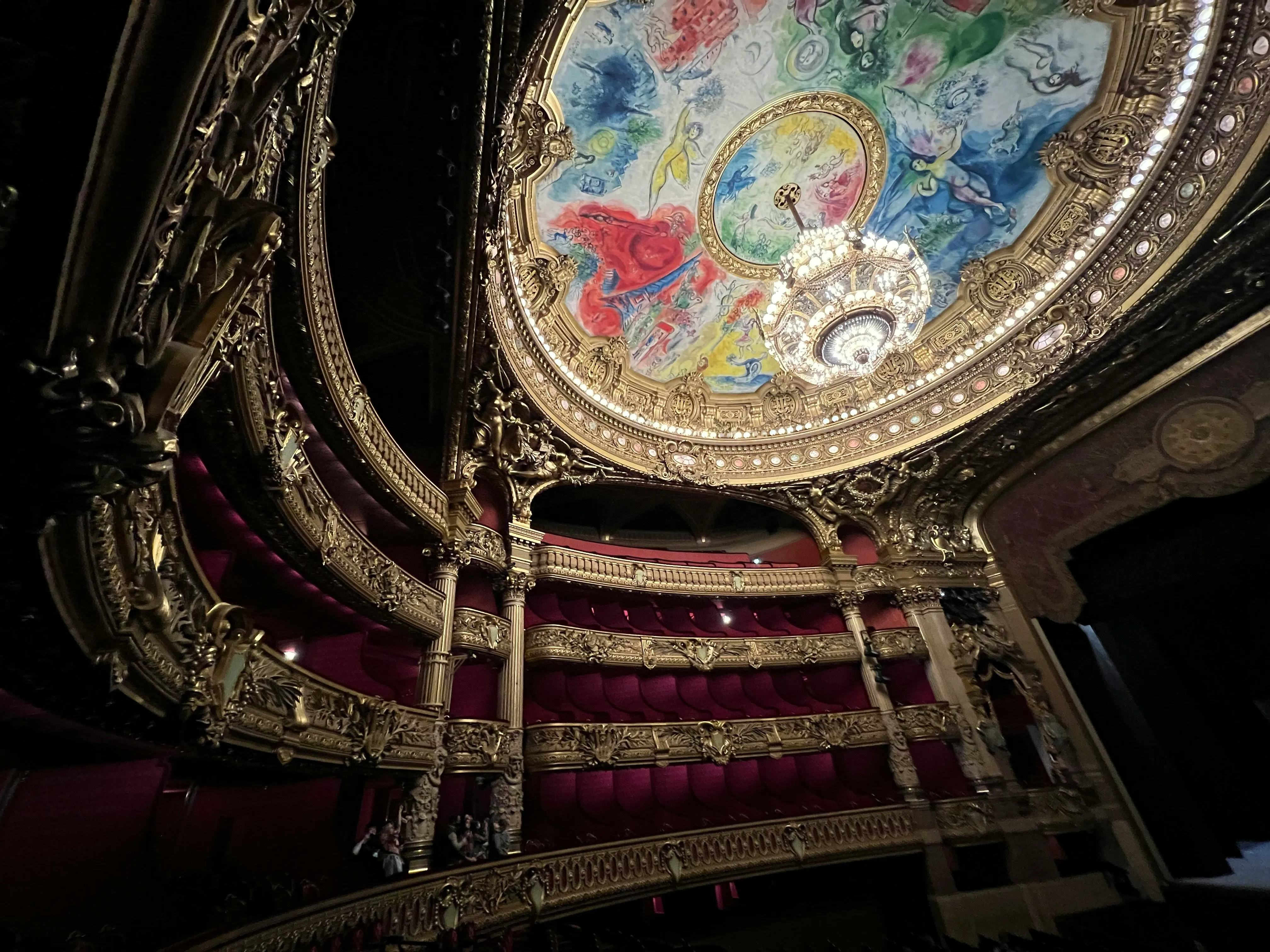
Most traditional theatres organize seating into vertical zones that rise away from the stage. This structure is intentional. The combination of elevation, distance, and architectural framing affects both how the performance is seen and how sound travels through the space.

In proscenium theatres, which are the most common configuration, seating design balances three priorities. These are visibility, acoustics, and capacity. Seats closer to the stage offer intimacy, but they can introduce visual distortion or sound imbalance. Elevated seating areas provide a wider perspective of the stage picture, often improving clarity and spatial awareness.

This is why closer seats are not always better. Theatre seating is designed to offer multiple ways of experiencing the same performance, each with its own strengths.

source: Library of Congress/Unsplash.

Orchestra Seating Pros, Cons, and Best Use Cases.

What the Orchestra Section Is.

The orchestra section is located on the ground level, closest to the stage. It typically extends from the front rows near the orchestra pit to seats beneath the mezzanine overhang. Orchestra seating is often divided into center and side sections, with center orchestra seats commanding the highest prices.

Because of its proximity, the orchestra provides the most immediate connection to performers. This makes it a popular choice for audience members who value intimacy.

Advantages of Orchestra Seats.

Orchestra seating allows audiences to see facial expressions, subtle gestures, and vocal nuance more clearly. This can be especially effective in dialogue driven productions where performance detail matters.

Sound in the orchestra often feels more present, particularly in theatres with strong acoustic design. When sightlines are clear, orchestra seating can create a powerful sense of immersion and emotional engagement.

Limitations of Orchestra Seats.

Not all orchestra seats offer an ideal experience. Front row seats can require looking upward for extended periods, which may cause physical discomfort. Seats beneath a mezzanine overhang can suffer from reduced sound clarity or partial visual obstruction.

Side orchestra seats may offer excellent proximity but can limit visibility of wide staging, large ensembles, or choreography.

Best Shows for Orchestra Seating.

Orchestra seating is often best suited for straight plays, intimate dramas, and productions where acting detail is more important than spectacle.


source: Rebecca Hausner/Unsplash.

Mezzanine Seating Balance, Sightlines, and Value.

What the Mezzanine Is.

The mezzanine is an elevated seating level located above the orchestra. Many theatres divide the mezzanine into front and rear sections, with front mezzanine seats often considered among the most desirable in the house.

Mezzanine seating provides a balance between proximity and perspective. It allows audiences to see the full stage picture without sacrificing clarity.

Advantages of Mezzanine Seats.

From the mezzanine, audiences often enjoy improved sightlines, especially for large scale productions. Elevated seating reduces visual obstruction and makes it easier to follow choreography, scenic compositions, and ensemble movement.

Sound in the mezzanine is frequently more balanced, particularly in theatres designed to project acoustics upward rather than outward.

Limitations of Mezzanine Seats.

Rear mezzanine seats can feel distant in deeper theatres. Overhangs from higher balconies may also interfere with sound or sightlines in some venues.

While mezzanine seating offers clarity, it may sacrifice some of the immediacy found in the orchestra.

Best Shows for Mezzanine Seating.

Mezzanine seating works well for musicals, dance focused productions, and visually complex staging.

source: Mana5280/Unsplash

Balcony Seating When It Works and When It Does Not.

What the Balcony Section Is.

Balcony seating is the highest seating tier in a theatre. Balcony design varies widely depending on the venue, including differences in steepness, width, and distance from the stage.

Because of their elevation, balcony seats typically offer a complete view of the stage, though from farther away.

Advantages of Balcony Seats.

Balcony seating is often the most affordable option. In many theatres, sound travels efficiently to upper levels, making dialogue and music clearer than expected.

For large scale productions, the balcony can offer a strong overall perspective of staging and movement.

Limitations of Balcony Seats.

Distance is the primary drawback of balcony seating. Subtle facial expressions and quiet acting moments may be harder to perceive. Side balconies can introduce extreme angles or partial visual obstruction.

Balcony seating may not be ideal for audience members who are sensitive to height or steep stair access.

Best Shows for Balcony Seating.

Balcony seats are often best for spectacle driven musicals, large ensemble productions, and repeat viewings where story details are already familiar.

Orchestra, Mezzanine and Balcony Compared.

Orchestra seating offers the closest proximity and the most emotional immediacy, though sound and sightlines can vary depending on location. Mezzanine seating provides balanced sightlines and consistent acoustics, making it a strong choice for visually complex productions. Balcony seating offers affordability and a full stage view, though at the cost of distance and intimacy.

Each section serves a different purpose, and none is universally superior.

How to Choose the Best Section for You.

The best seating choice depends on personal preference and practical needs. First time theatre goers often prefer mezzanine seating for clarity and balance. Budget conscious audiences may find excellent value in the balcony. Those who prioritize emotional connection and performer detail may favor the orchestra.

Accessibility needs, height sensitivity, and sound preferences should also factor into the decision.

Common Myths About Theatre Seating.

Many people assume that front row seats are always the best, but proximity can introduce discomfort and distorted sightlines. Others believe balcony seats are poor, when in reality many offer excellent sound and perspective. Another common assumption is that mezzanine seating is only suitable for musicals, when it can work well for many types of productions.

Final Takeaway.

There is no single best seat in a theatre. Each seating section offers a different relationship to the performance, shaped by architecture, staging, and audience preference. Understanding how orchestra, mezzanine, and balcony seating function allows you to choose the option that best matches the experience you want.

For more guidance, explore additional resources in our Theatre Going Toolkit.


This article is part of our Theatre Going Guide series, an editorial resource focused on helping audiences understand how theatre architecture and seating design shape the live performance experience.

For additional perspective from artists and designers on where they prefer to sit, read the best seats in a theatre according to theatre professionals, and explore theatre etiquette explained for guidance on timing, audience behavior, and shared expectations inside the auditorium.

Support artists—share this

More like this, twice a month.

Off-Book is the Skene newsletter for artists and makers. Profiles, opportunities, and editorials, free. New subscribers also receive the 2026 Performing Arts Survival Guide.

About the Author

Leave a Reply

Your email address will not be published. Required fields are marked *

partner content
FREE FOR ARTISTS

Get the 2026 Performing Arts Survival Guide.

Practical career guidance for performing arts artists and makers. Take it with you.