
Kejia Yu: Stepping Through Emotion.
Scenic designer, Kejia Yu brings empathy, imagination, and emotional storytelling to every space she creates. Discover her journey and vision.

Scenic designer, Kejia Yu brings empathy, imagination, and emotional storytelling to every space she creates. Discover her journey and vision.

A powerful profile of Mexican actress and author Kelly Key, exploring creativity, motherhood, resilience, and the act of creating from truth.

Lighting designer Jennifer Gonzalez transforms story into emotion through light, celebrating culture, community, and underrepresented voices.

Jay Duckworth shares his proven method for building the perfect theater props list, tested on shows like Hamilton and Fun Home.

Lighting designer Miguel Pérez Cuesta reflects on the silent artistry of light and its power to move audiences through emotion.
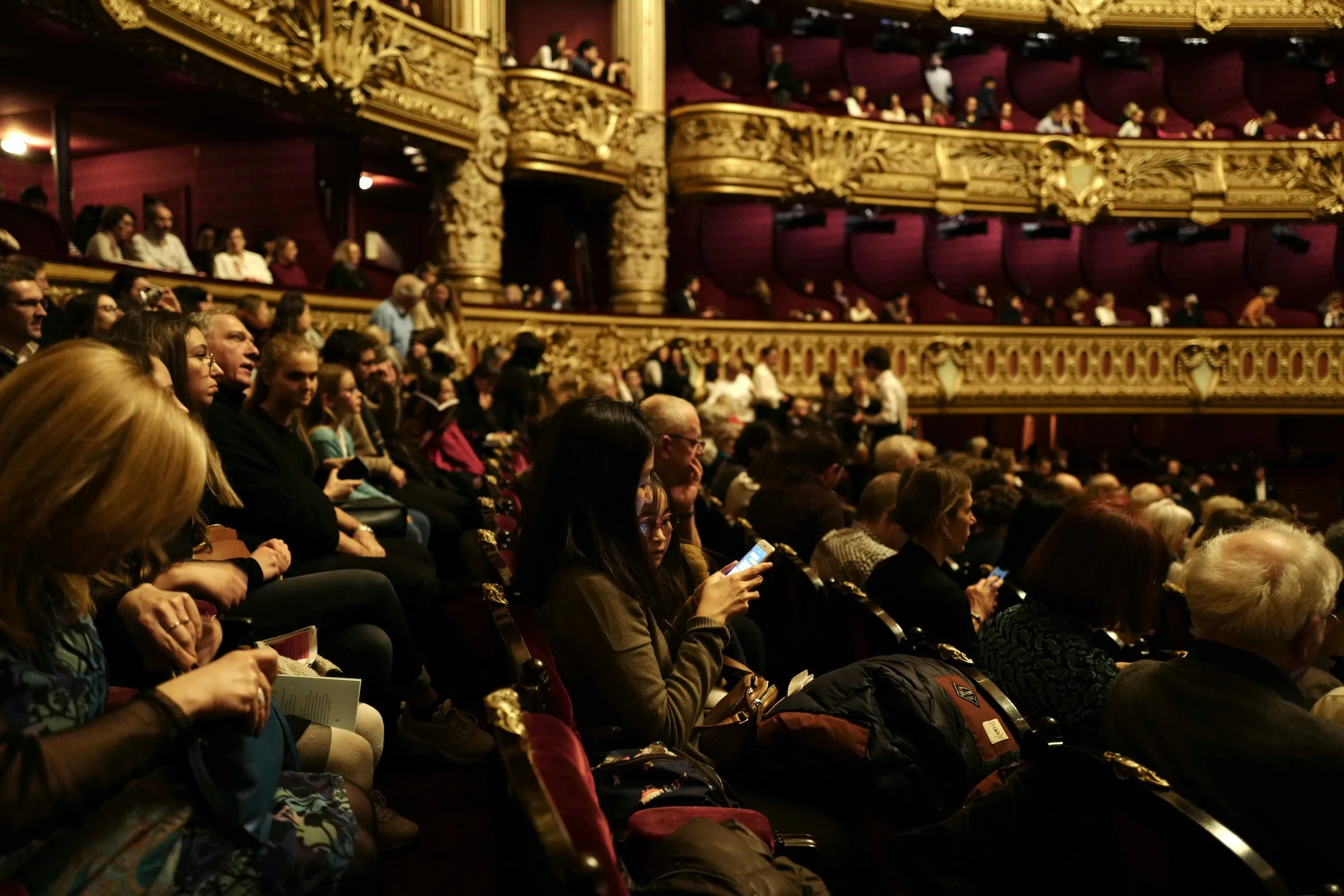
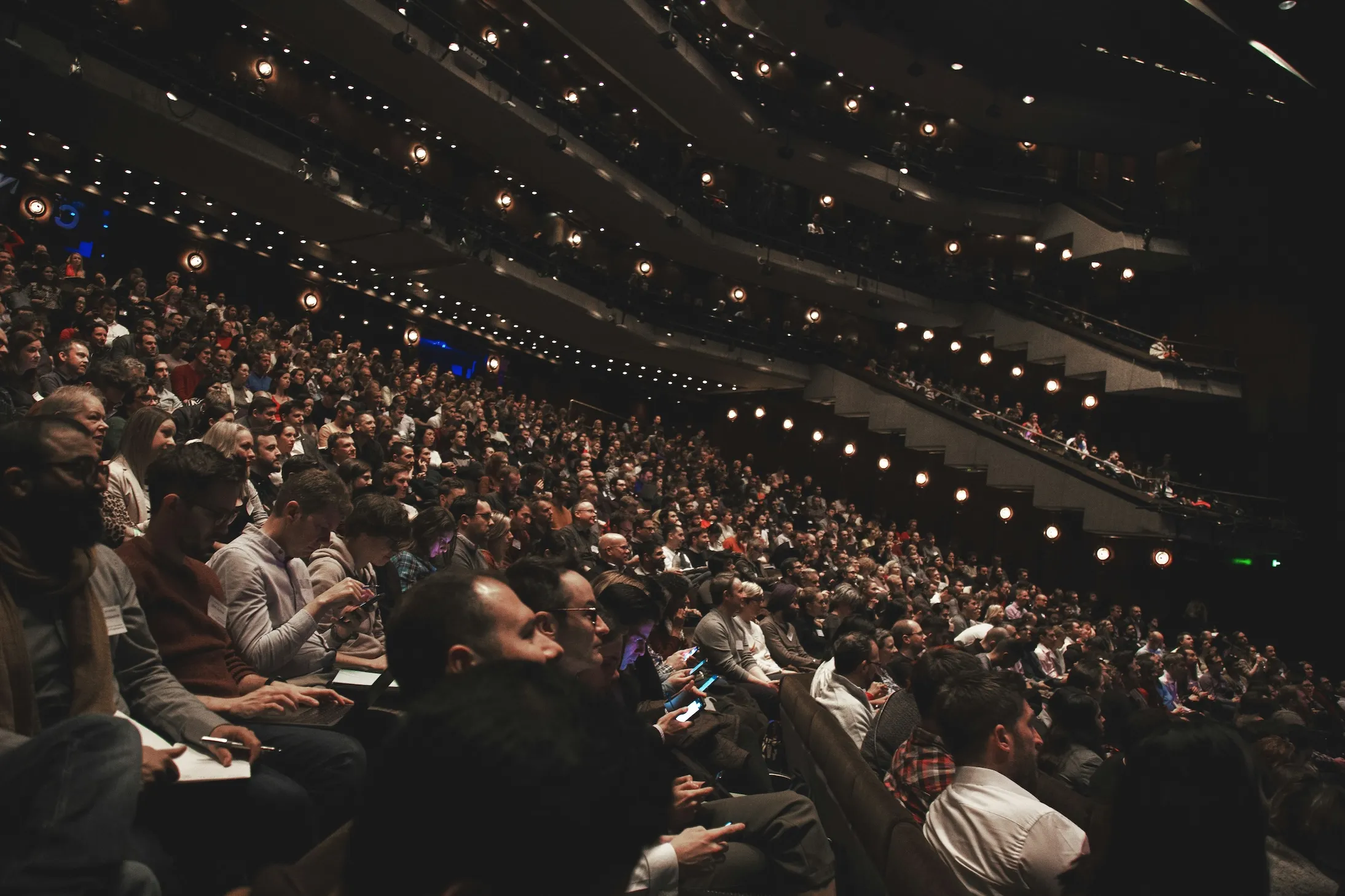
Attending the theatre is a shared experience. Unlike watching a performance at home, live theatre depends on collective attention, timing, and awareness. For many audience members, uncertainty about theatre etiquette can create anxiety before even arriving at the venue. Questions about arrival time, phone use, dress codes, and intermission behavior are common, especially for first time theatre goers.
This guide explains modern theatre etiquette in clear and practical terms. Rather than focusing on rigid rules, it outlines shared expectations that help performances unfold smoothly and respectfully for everyone in the room. Whether you are attending a Broadway show, a regional theatre production, or a local performance, understanding these norms can enhance both your experience and that of those around you.
Live performance is shaped by presence. Actors, musicians, and designers build their work around the assumption of a focused audience. Disruptions such as late arrivals, glowing phone screens, or excessive movement can break concentration not only for performers but also for fellow audience members.
Theatre etiquette exists to protect the fragile ecosystem of live performance. These shared practices allow audiences to engage fully while supporting the labor and artistry onstage.
Arriving on time is one of the most important aspects of theatre etiquette. Most theatres recommend arriving at least thirty minutes before the performance begins. This allows time for ticket scanning, seating, restroom use, and settling into the space without stress.
Late arrivals may be held until a designated pause or intermission. In some productions, especially plays, late seating may not be permitted at all. Even when allowed, entering after the performance has begun can disrupt the audience and draw attention away from the stage.
Arriving early also gives audiences time to read the program, orient themselves, and transition into the performance environment.
Mobile phones are one of the most common sources of disruption in theatres today. Phones should be fully silenced before the performance begins. This includes disabling vibration and notification previews, which can still emit light or sound.
Photography and video recording are almost always prohibited during performances. This protects intellectual property and prevents distractions caused by screens and camera flashes.
Even subtle phone use, such as checking messages or adjusting brightness, can be visible in a darkened auditorium. Maintaining focus helps preserve the shared atmosphere of the performance.
Intermission provides a structured break for audiences to move, stretch, and socialize. During this time, it is appropriate to use restrooms, purchase refreshments, and discuss the performance quietly in public spaces.
Returning to your seat promptly when intermission ends is just as important as arriving on time at the start of the show. Ushers may signal when seating resumes, and delays can interrupt the beginning of the next act.
Food and drinks should be consumed only in permitted areas unless the theatre explicitly allows them in the seating area.
Many audience members worry about what to wear to the theatre. In most contemporary venues, there is no formal dress code. Theatre attire today ranges from casual to formal depending on the event, location, and personal preference.
What matters most is comfort and consideration. Clothing should allow you to sit comfortably without obstructing views or creating noise. Items such as large hats or bulky accessories may interfere with sightlines for others.
Theatre is a space for expression, and respectful personal style is always welcome.
Modern theatre etiquette also includes awareness of accessibility. This means respecting designated seating, allowing space for mobility devices, and being patient with audience members who may need additional time or assistance.
Some performances offer relaxed environments, captioning, or audio description. In these settings, audience expectations may differ slightly to accommodate diverse needs. Being aware of the performance format helps foster an inclusive experience.
Courtesy extends beyond silence. It includes empathy and shared responsibility for the space.
Many people assume that etiquette rules are outdated or overly strict. In reality, most expectations are practical and rooted in respect. Others believe that occasional phone use or whispered conversation is harmless, when even small distractions can ripple across a quiet auditorium.
Another common misconception is that etiquette only applies to traditional theatres. The same principles apply to experimental spaces, immersive performances, and outdoor venues, though they may be adapted to the context.
Theatre etiquette is not about formality or exclusivity. It is about creating the conditions for live performance to thrive. By arriving on time, minimizing distractions, and remaining aware of those around you, you contribute to an experience that honors the work onstage and the audience beside you.
Understanding these shared practices allows everyone to engage more fully with the art of live performance.
This article is part of our Theatre Going Guide series, an editorial resource focused on helping audiences understand how theatre spaces, seating, and shared practices shape the live performance experience.
For guidance on choosing where to sit, explore how to choose between orchestra, mezzanine, and balcony seating, and for insight from artists and designers, read the best seats in a theatre according to theatre professionals.
Support artists—share this
Get exclusive interviews, bold ideas, and behind-the-scenes insights from creatives around the world. Join our newsletter to fuel bold, independent theatre journalism.
We use cookies to personalize content, provide social media features, and analyze our traffic. You can manage your preferences or accept all.