Alex Vásquez Dheming: Choreographing Light.
Salvadoran lighting designer whose expressionist practice turns light into narrative, emotion, and

Salvadoran lighting designer whose expressionist practice turns light into narrative, emotion, and

Japanese costume designer and cultural advocate whose research-driven practice interrogates representation, identity,

German scenic designer whose kinetic scenography builds sets that move with the

Mexican cultural worker, director, and playwright whose practice is rooted in collective

Classic plays for community theatre: Shakespeare, Greek tragedies, Chekhov—masterpieces with zero royalties.
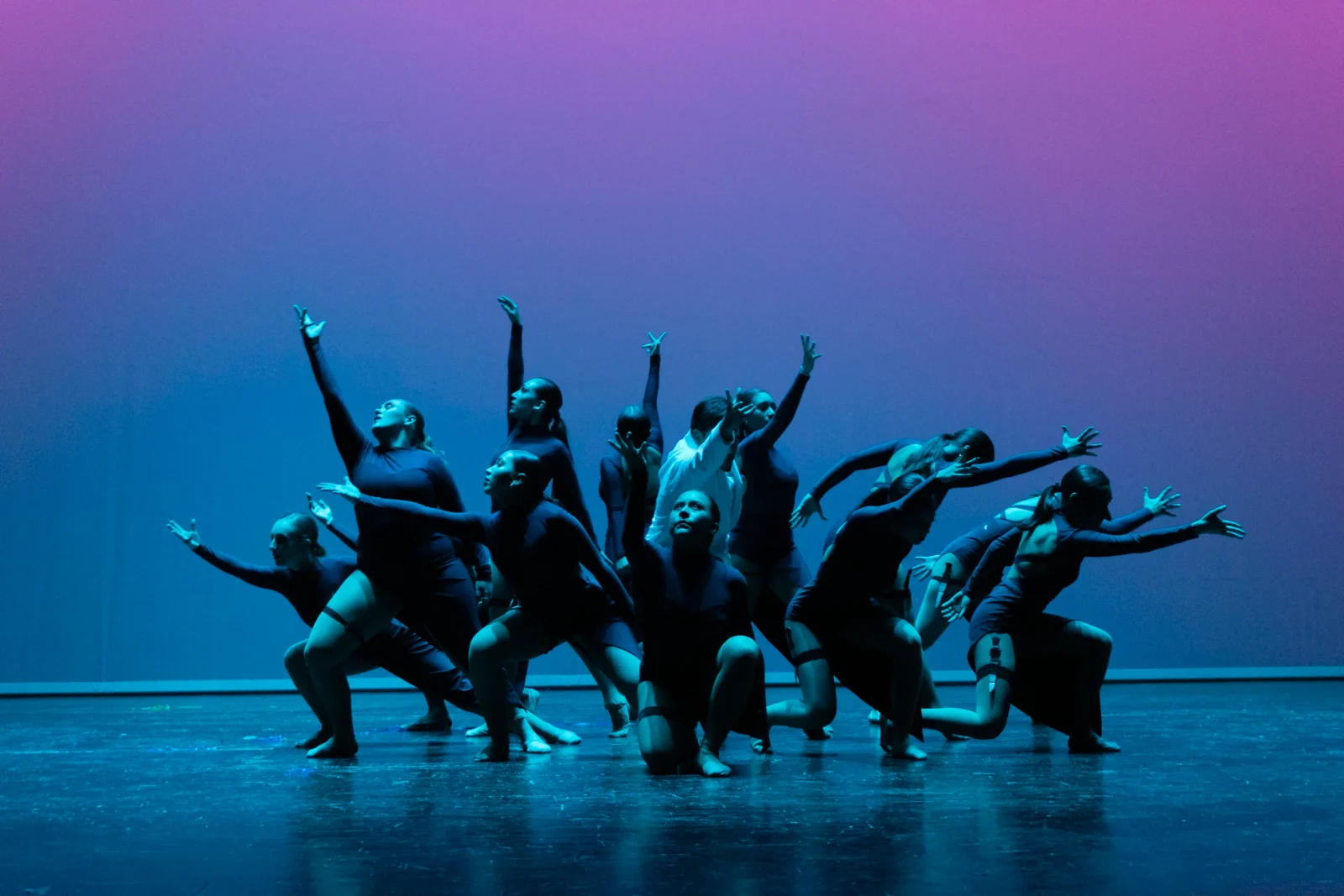
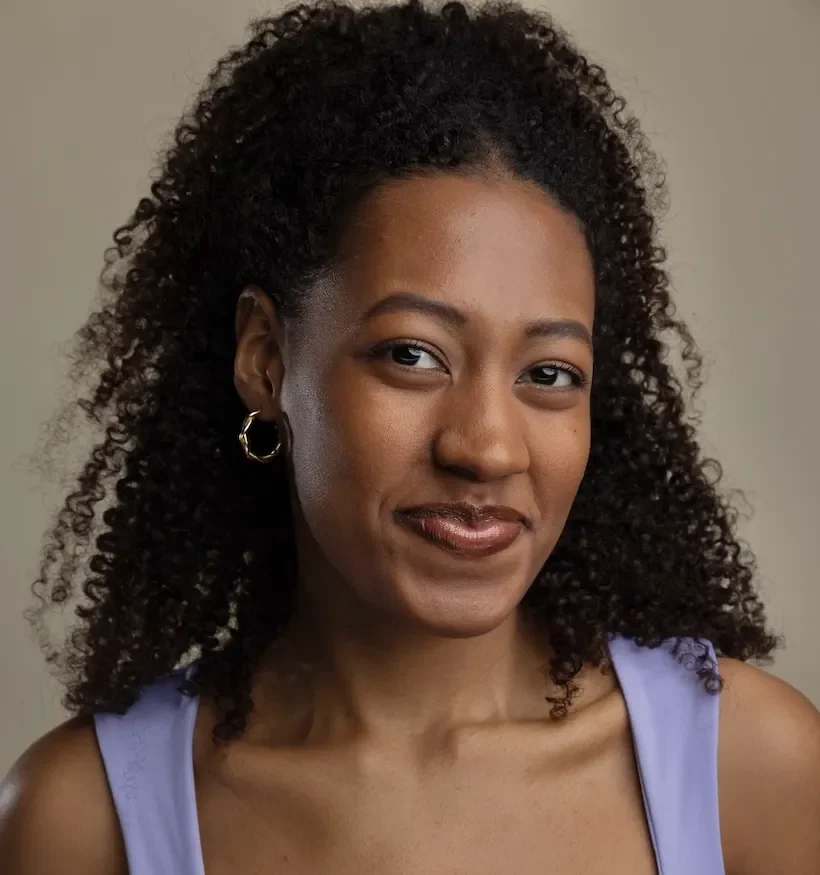
For Miguel Pérez Cuesta, light is more than illumination, it is emotion, movement, and storytelling. The Mexican lighting designer and producer first found his way to the stage through performance and dance, discovering that light could shape narrative just as profoundly as words or music. What began as curiosity soon became a calling: the power to transform a space, guide an audience’s gaze, and connect with them without saying a word.
His approach to design is rooted in observation and empathy. From cultural spectacles like La Guelaguetza to intimate theatrical works, his practice celebrates restraint, knowing when light must lead and when it must simply let others shine. His creative process begins with one question, “why?”, a compass that grounds every color, cue, and transition in purpose.
In a field driven by ever evolving technology, Miguel’s artistry stands out for its balance between innovation and simplicity. His light design does not seek attention, it builds connection, weaving emotion through shadow and glow.
In this edition of PROFILES, Miguel reflects on the silent language of light, the discipline behind inspiration, and the artistry that turns illumination into storytelling.

I found my love for theater through school plays and festivals. I loved been able to play a character and create this whole new world on stage with just a few elements and a lot of imagination. Then, after a brief stint as a dancer, I discovered the power of light to help tell stories. When I choreographed, I always thought about how the lights would transform my piece and it got to a point where I was choreographing just so that I could play with the lights in the theater. After that I was hooked and began to focus more on lighting design and its ability to connect with the audience without them even knowing. I’ve had the privilege to continue to wear different hats during my carreer in theater, but, at the end of the day, it all comes down to my passion to tell stories, whether producing works that matter and bring interesting collaborators together, by writing stories that connect with people and make them see themselves on stage or by transforming a space through light.
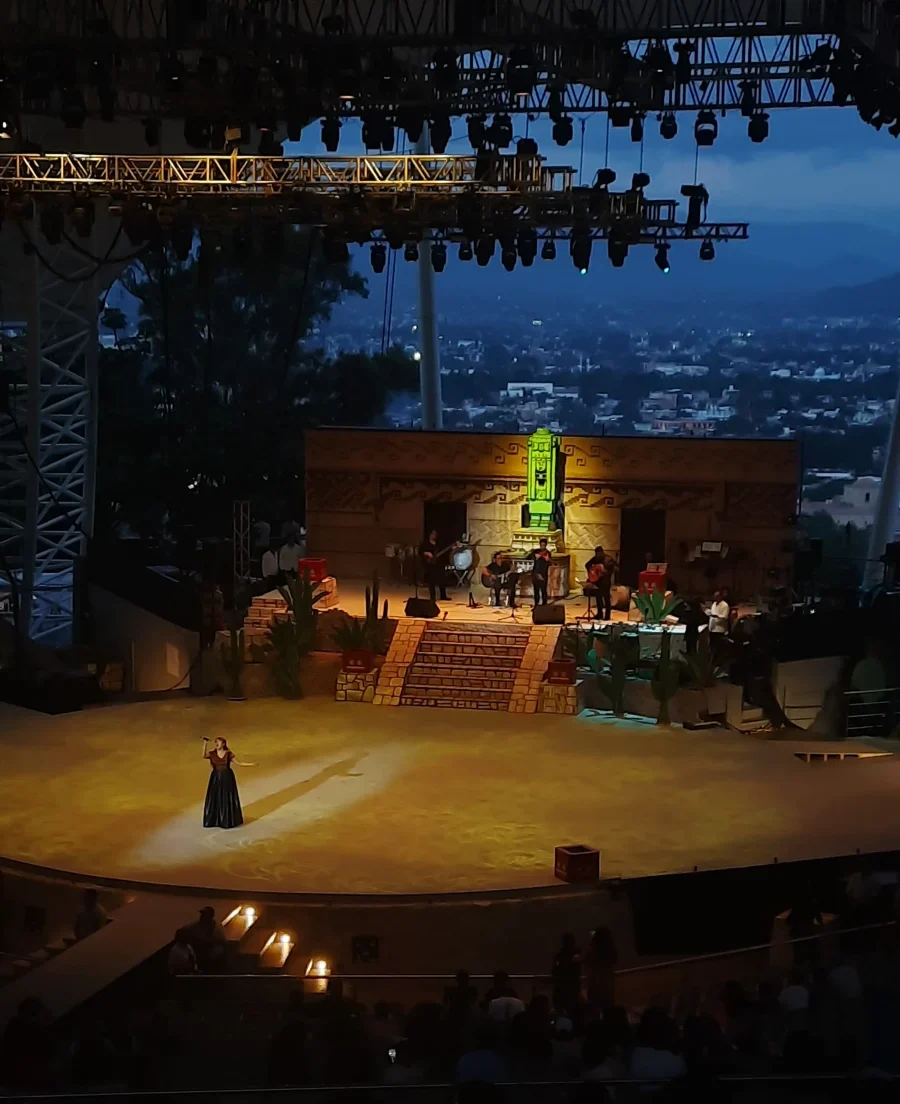
I think everything I’ve created, in one way or another, keeps a piece of myself. One of my most recent favorites is when I had the privilege to do the light design for “La Guelaguetza”, one of the most important cultural and folkloric events in Latin America. It is at it’s core a celebration and an exchange of traditions that brings together different communities. When I has offered this job, I thought about what I could bring to the table and what my artistic contribution to the project could be. But now I know that was all based on my artistic ego, which is very helpful, but gets in the way sometimes. When I started collaborating with the team and began to fully understand what the project was about, I realized that it was not my job to change or improve the performance, but only to do enough to let the people sharing their traditions shine. It reminded me that when you are designing light, sometimes you need to make a big show but, more often than not, our work is actually silent and needs only to complement and elevate the magic that is already happening on stage.
My creative process changes depending on the project. Or maybe, more than changing, it adapts. It certainly begins by reading the script and, in dance or musicals, listening to the music. It’s important to understand the director’s vision, the world they want to create and the elements of the story they want to focus on. An important question for me is “why”. Why are we telling this story? Why are we telling it this way? Why does the audience need to experience it like this? If I can define that “why”, every artistic decision becomes easier and it leads my process. If we are telling this story in the most realistic way to make the audience understand the weight of the characters actions, then I will do a lot of research into the actual natural light during the time and season that the play is set. If we want to tell this story to make the audience forget about their problems and just make them have a good time, then I can play more with colors and movement. And so on. Every cue, color, transition, and even the plot needs to get me closer to that “why”.
My biggest challenge as a lighting designer, specially in Mexico, is time. The production process has become really short and, on most projects, we don’t get enough time to create, experiment, collaborate and, most importantly, for tech. Every single minute in the theater is precious, and very expensive, so you have to be very organized in your own process. This has really shaped the way that I prepare for a show and led me to do an extensive work on my own before setting a foot in the performance space. In many projects we get a few hours to set the plot, focus the fixtures and program, so all the creative work has to be done before. If I spend a lot of time in the theater think about a specific color, or intensity or position, then I may not make it to the end. So for me I try to come with the whole design as ready as possible so that, in those instances where I do have to make changes or doubt a certain decision, I have enough time to ponder and make them.
Most of my inspiration comes from the world around me. I love to observe. Traveling, walking around my city, watching people on the subway, spending an afternoon on the beach watching the sunset. Inspiration can be found anywhere. With light, it is always around you and most of the time you don’t think about it, so I’ve trained myself to always be observant and, when I see a light phenomenon that inspires me, to analyze it, understand it and even take pictures of it. I have a large folder of pictures in y phone that I’ve taken on such moments.
I also like to read, watch movies, old and new, and follow interesting artist and accounts on Instagram. All of those seep into my work, sometimes without me even knowing. Like that meme says: “There are cathedrals everywhere for those with eyes to see”. Inspiration can be sparked in the least expected situations.
For lighting, every day you hear about a new fixture or a new technology. The tools are your disposal are always changing, evolving and getting better. Being able to play with all of those possibilities is really exciting. And it’s very important that they have become more and more accessible, so artist that before couldn’t afford them can now make really cool pieces.
But what I find really interesting is the work of designers that combine the old and the new. That embrace the latest but don’t forget where our art form has come from. In a world full of maximalism, show, and the idea that more is better, a really simple light solution sometimes is the most powerful.
I would tell to find their own voice. You need to study, keep updated and always know what is happening around you, but if you don’t translate that into your own artistic statement, them you become one more of the bunch. Don’t try to copy other’s work, learn from it and see how it applies to your own. Also, don’t expect to follow other designer’s career path. Be inspired by them and you will find your own way. Work hard, always have something to say and be a great collaborator.
As I’ve said before, most of the time our work as lighting designers is silent. When I meet new people and I tell them what I do, they don’t always understand it, but afterwards they tell me that they’ve started noticing the lights in every performance they see. So, with this in mind, I hope that my works makes it easier for the audience to connect with the story being told on stage even if they don’t know that the lights are doing it. That it helps get them into the rhythms, the emotions and the feelings of the play. That it creates an ambience where it is ok to cry or laugh with the characters. That it inspires them to dance in their seat or guides them to look at the moment on stage that was important for the story to be told. That transports them into a different world without them leaving the theater.
Support artists—share this
Off-Book is the Skene newsletter for artists and makers. Profiles, opportunities, and editorials, free. New subscribers also receive the 2026 Performing Arts Survival Guide.
We use cookies to optimize our website and our service functionalities.
Practical career guidance for performing arts artists and makers. Take it with you.