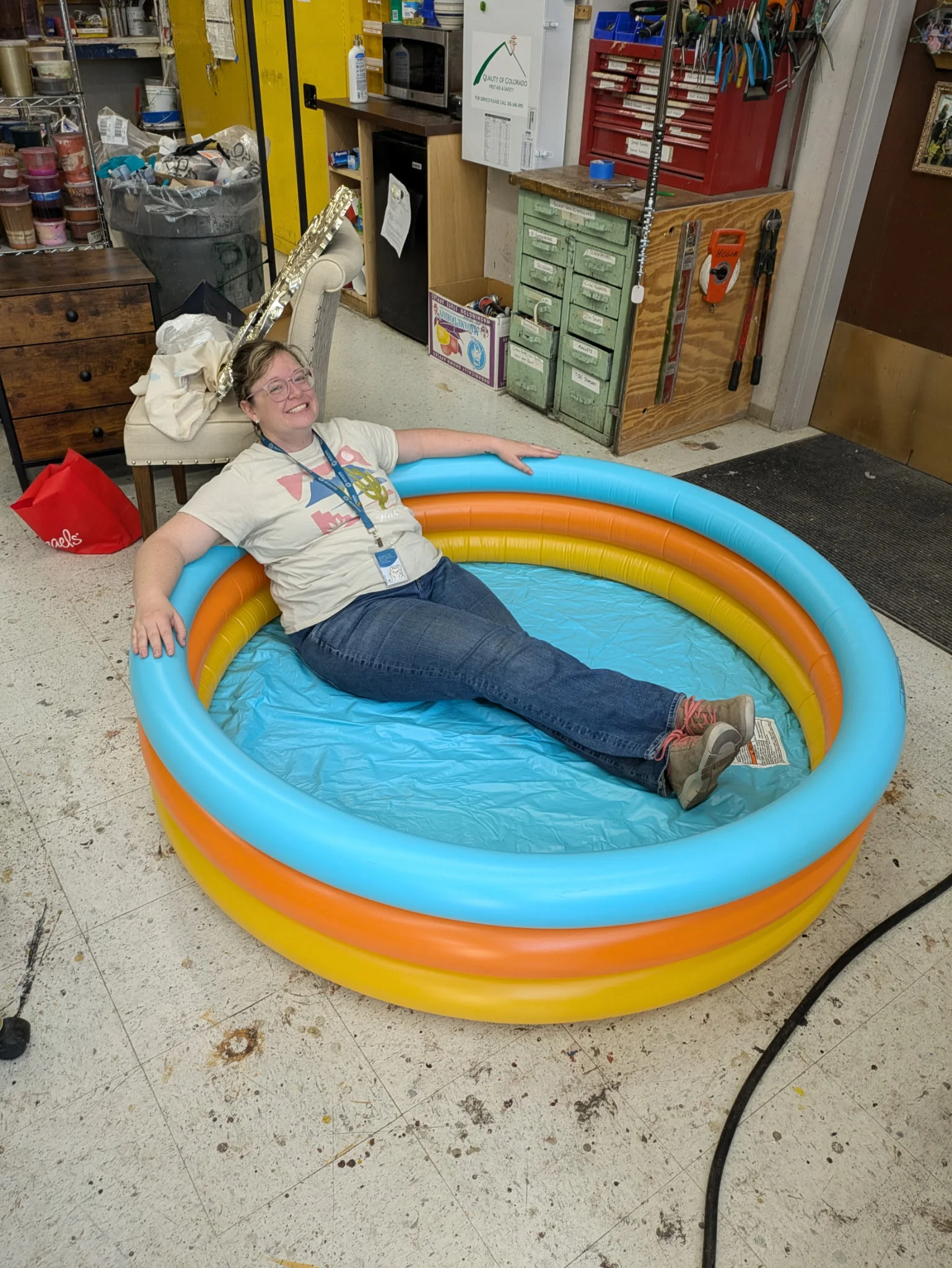
Sara Pugh: Never Seen, Always Felt.
Props designer and artisan whose work anchors stories to time and place through the objects audiences feel but rarely consciously notice.

Props designer and artisan whose work anchors stories to time and place through the objects audiences feel but rarely consciously notice.

Rodolfo Robles Cruz is a Mexican American director and playwright whose work roots oral history and community memory in live performance.

Build a professional home vocal studio without complexity. Essential acoustic and recording equipment for voice actors, podcasters, and singers.

Theatre artist and Executive Director of the Broadway Mental Health Foundation on survival, advocacy, and rebuilding the performing arts industry.

Gary McCann is an Irish scenic and costume designer whose work for opera and theatre builds immersive worlds rooted in architecture and emotion.
Sara Pugh grew up in the back of a theatre. Her mother owned a costume rental shop, and the world of performance was simply the texture of everyday life. She wanted to be on stage, and for a while she was, singing and dancing in the productions her mother helped dress. But something kept pulling her attention elsewhere. Not to the performers. To the world they were performing inside.
She studied scenic design at the University of Wyoming, and it was there that the specific thing found her: the moment she was sent to chair storage to hunt for the perfect period chair, and came back knowing exactly what she wanted to do. Props. The objects that anchor a story to a time and a place, that tell you where you are before anyone speaks.
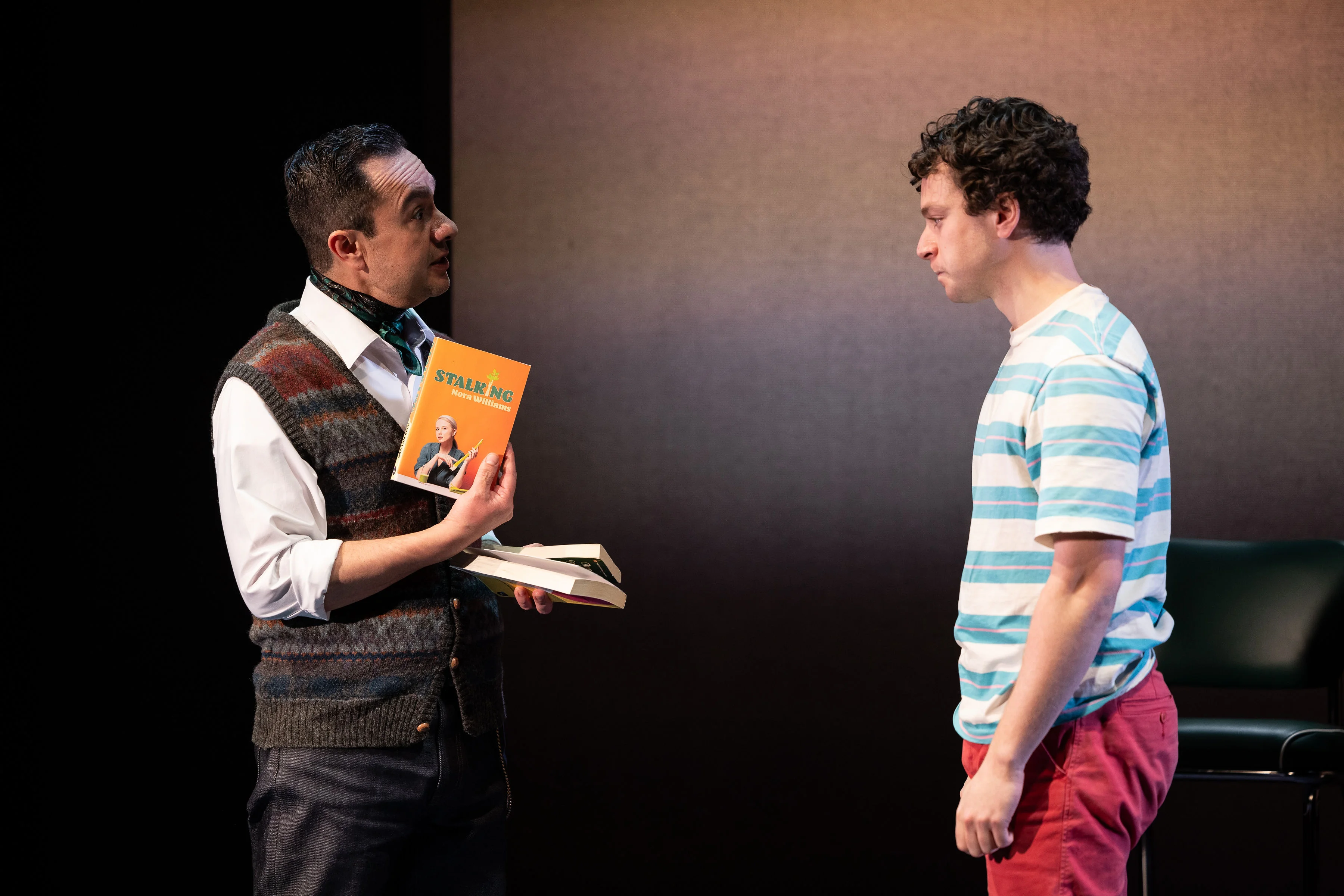
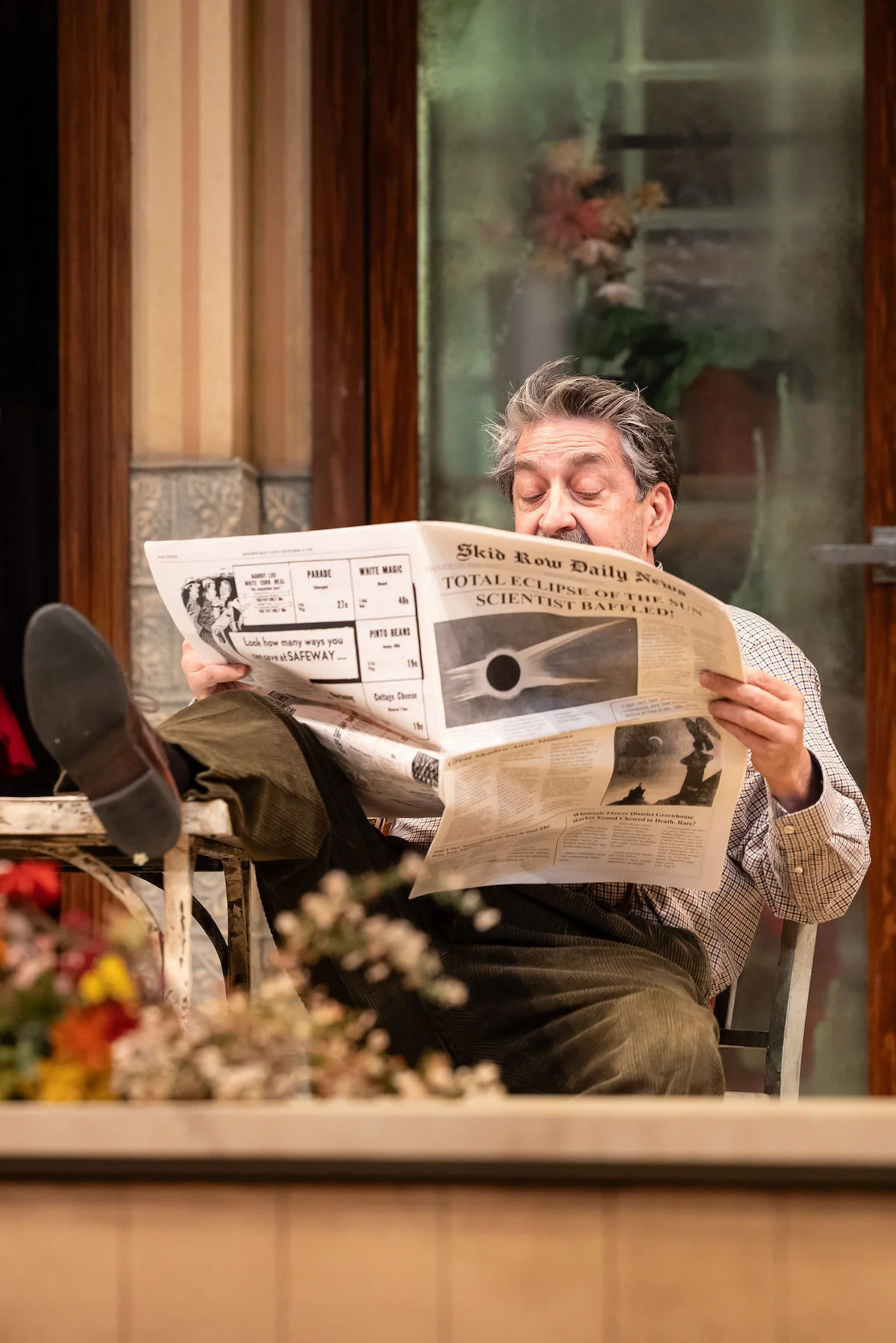
Her work on paper props captures this most precisely. A newspaper, a letter, a tissue box from a classroom in Iran, reproduced with the specificity of a culture she had never inhabited but could honor through research and care. Those details will never be seen clearly from the back row. They are felt instead, quietly doing the work that keeps the world of a play from collapsing.
Sara Pugh is a props artist whose best work is the kind audiences never consciously notice, in this edition of PROFILES.
I grew up in the back of a theater. My mom owned a costume rental shop, and she would costume the high school plays, ballets and whoever needed help with dressing up! This opened up a world that would soon become my favorite place to be. I wanted to be on the stage in a costume singing and dancing, and soon I was doing just that and loving every minute of it. But what I found even more interesting was the set that our productions took place within. Even though acting was a lot of fun, creating the world was even better! Soon I started in scenic design, and got my BFA in Scenic Design from the University of Wyoming. But the thing that sparked the most joy was being asked to go to chair storage and hunt for that perfect period chair. I was hooked. Finding and making props that make a story come together is something that really engaged me as an artist.
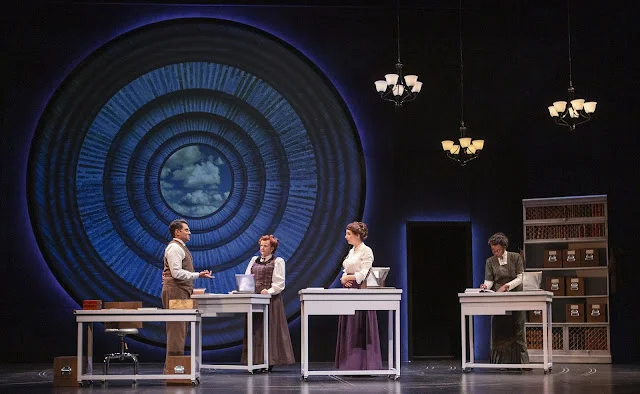
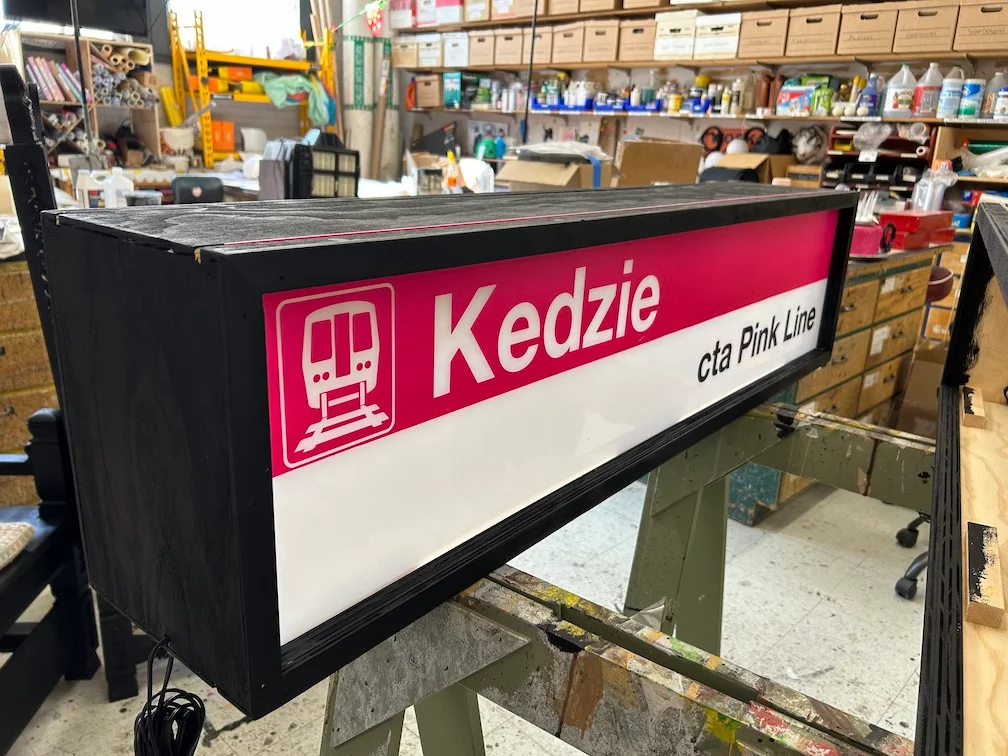
Every prop has a significant part to play in a show, from the junk in a drawer to beautiful sofas and furniture, they help create a wonderful, lived-in world. My favorite projects are the paper props that I have made over time. These pieces place an actor in the period of the show. Though many of these pieces will never be seen by an audience member, they can make or break this world we have created. I just finished a production of English by Sanaz Toossi and designed by Omid Akbari that we were able to take Omid’s life experience and make the paper props, tissue boxes and little details that really bring us to the classroom in Iran. To have these pieces that are true to a culture that is different than I live in everyday was an experience that made me feel like I was a part of this world even without being able to speak the language. Being able to bring pieces of real life into a space we have made for stage is huge part of what makes paper props and the little details my favorite.
My creative process is a bit different for each show but I tend to follow these steps:
Each show is different and sometimes the list above is not the route I follow, but overall this is where I like to start!
My biggest challenge has been the imposter syndrome that I have had throughout my career. I think that though I have worked so hard to get where I am there is always something saying that there is more I could be doing or that I am not ready to be where I am in my career. I think that though this is something that I am dealing with it also is something that has pushed me. I was once told, if I could not get my emotions under control I would never lead a shop. I took that statement and said to myself, “Your emotions are what make you who you are. They do not make you weak, show them just how wrong they are!” I am sometimes thankful that I am second guessing where I am in life because it pushes me to be an even better version of myself!
I think that theater people inspire me as well as the people who I work with. The way that these people show up for their communities is so inspiring, and it shows there is a common love that can create a joy through something that is often written off as just “art”. But really, I think that theater is something that tells the story of humanity. I try to show up for those around me with joy and passion that can help provide community through our art.
The best piece of advice I have ever gotten was “To show up and be willing”. Just the act of showing up and being willing to create something new is so basic but truly important. When you show up ready to grow with your team it will help you make connections and friends, and that willingness to learn and grow will help you to improve as a creative.
I hope that my work connects with the people who are looking for the little details in life. The ones who are looking for pieces that remind them of their past or of something they have lost. I hope that my work makes people feel joy and also makes them consider what they are seeing in front of them. Props are always there whether or not you think about them so I hope the work we do makes an impact in a way that you may not ever think about.
Support artists—share this
Off-Book is the Skene newsletter for artists and makers. Profiles, opportunities, and editorials, free. New subscribers also receive the 2026 Performing Arts Survival Guide.
We use cookies to optimize our website and our service functionalities.