LATEST POSTS.

Get featured
on Skene!

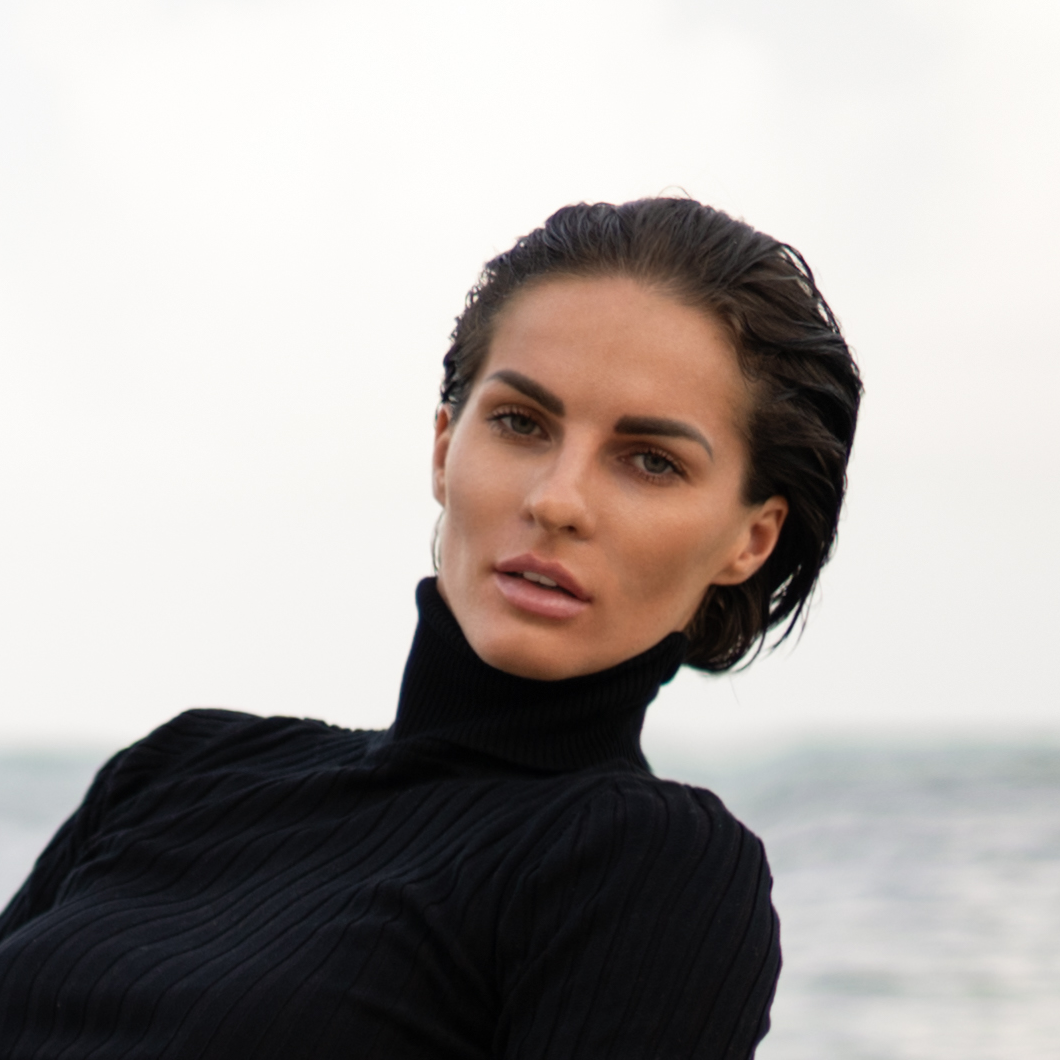
Emerson Valentina: Artists, Not Products.

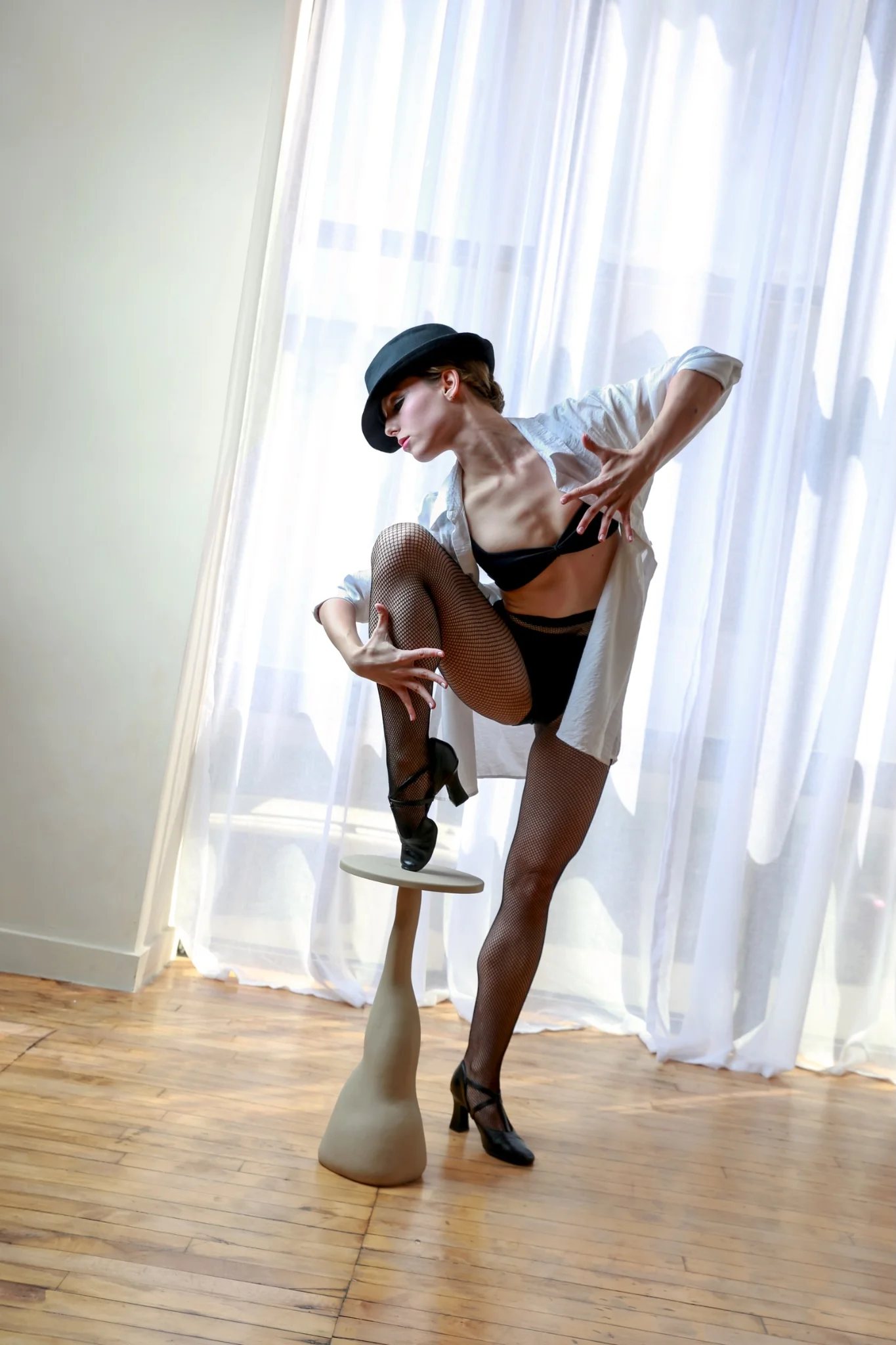
source: Wesley Vena.

Content Warning: We share this conversation with care and deep respect for Emerson Valentina’s courage. This conversation touches on eating disorders, suicidal ideation, emotional abuse, and chronic illness. If you are navigating a similar experience, reach the US Crisis Text Line by texting HOME to 741741. You are not alone.


Emerson Valentina
was on a professional stage before she was an adolescent. Born into a family with very little in rural Texas, she understood early that talent was a way out, and she pushed herself toward it with everything she had. The industry rewarded that hunger with investment, with training, and with pressure that no child should carry. By eight she had an eating disorder. By fifteen she had attempted suicide. The industry called it resilience.

She calls it what it was.

Today Emerson is the Executive Director of the Broadway Mental Health Foundation, an organization she built as a direct rebellion against the belief that suffering is the price of great art. BMHF works to dismantle the systemic conditions that have long treated artists as products rather than people, building toward an ecosystem where psychological safety is not an aspiration but a baseline.

She still performs. She still steps into the wings and transforms. But she does it now from a place of safety, from a regulated nervous system and a whole self, and she will tell you that is the only place the real work has ever been possible.

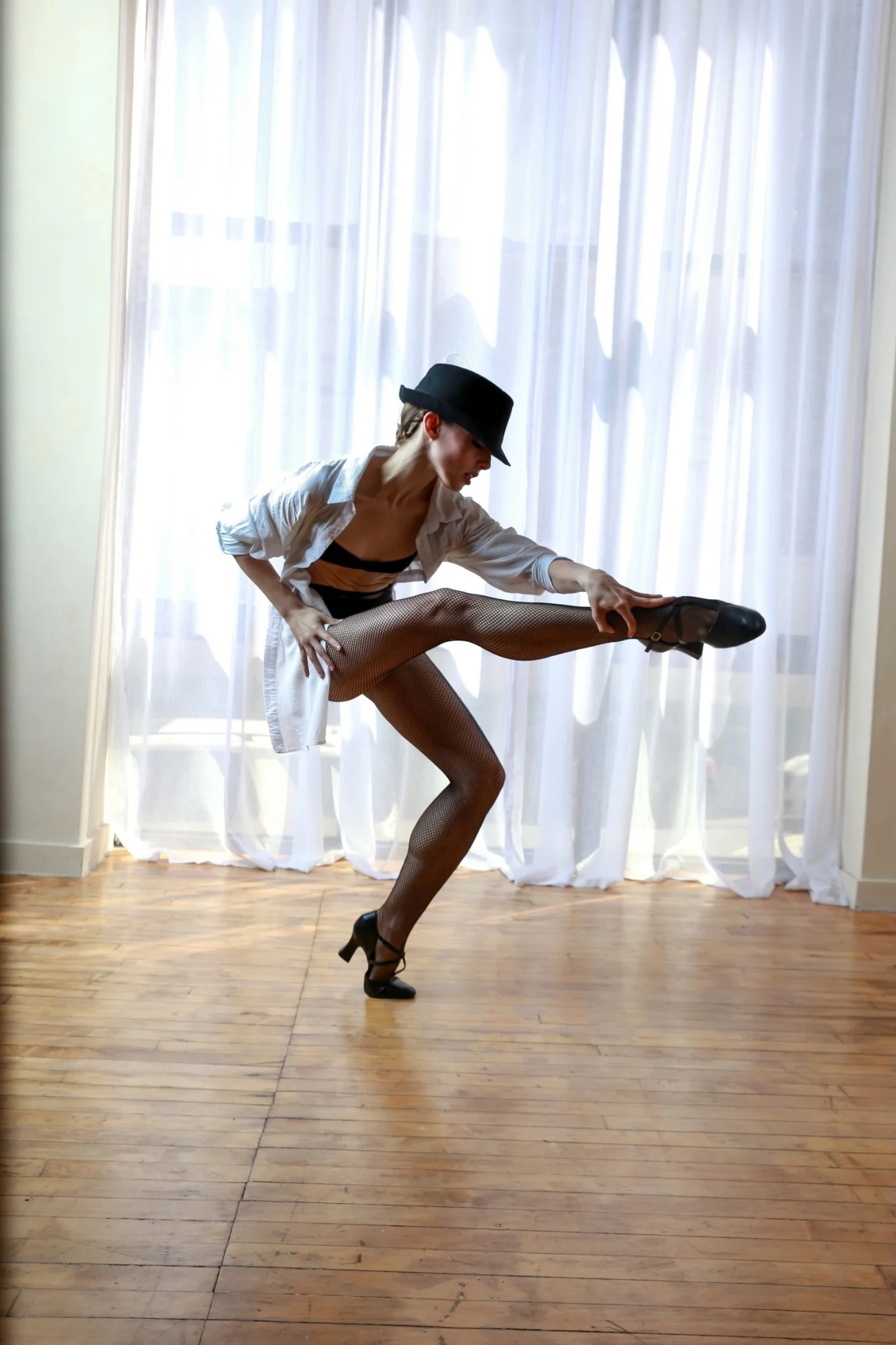
Emerson Valentina is a theatre and dance artist whose greatest performance is the industry she is rebuilding, in this edition of PROFILES.

advertising
partner content

Emerson Valentina

she/her
Dancer & Actress
United States
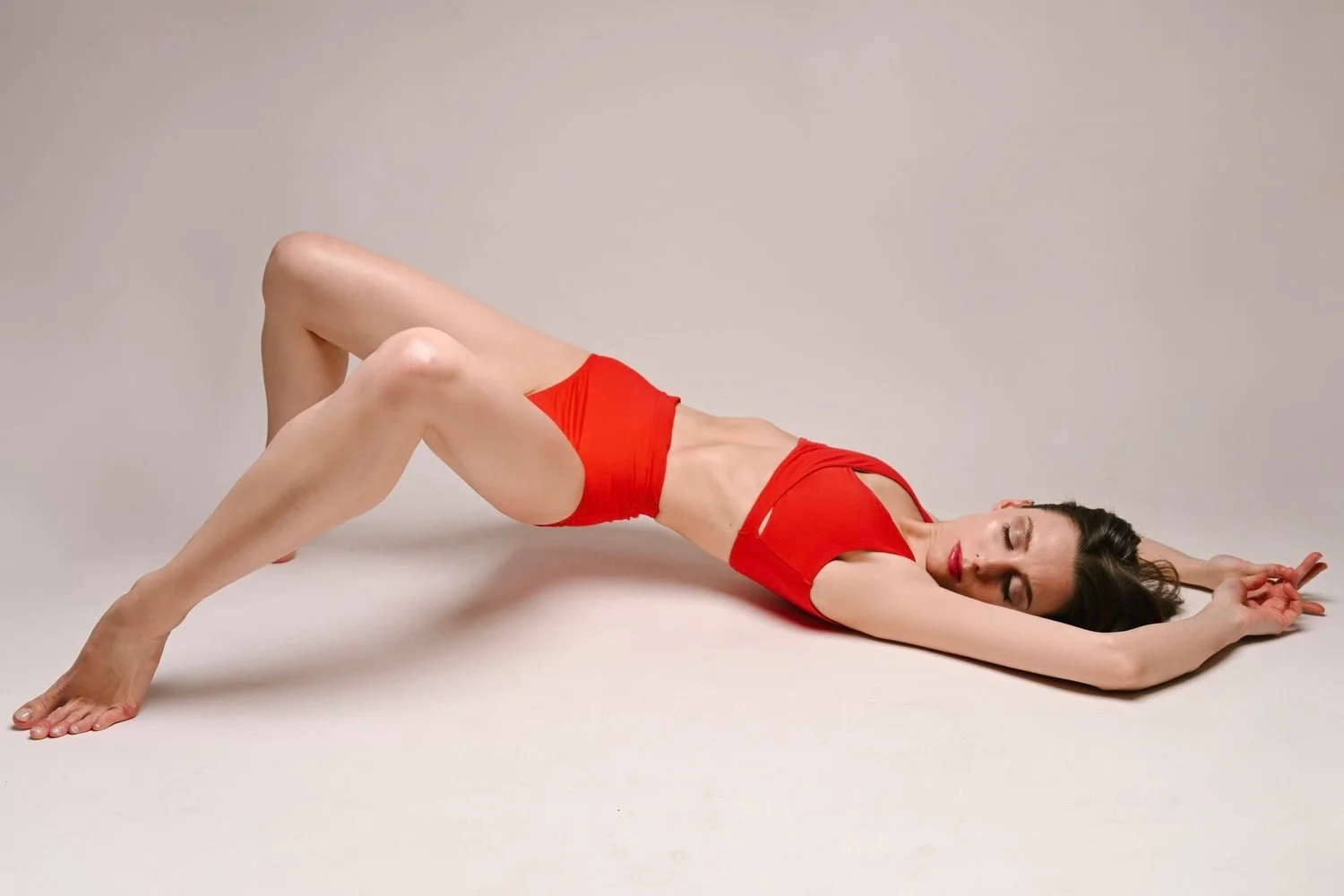
source: Mike Petrie Jr.

1. What sparked your interest as an artist and how has that spark evolved over time?

My journey began in rural Texas, born into a family with very little. When my natural talents were discovered at a young age, industry authority figures quickly invested in developing my gifts. To me, the stage was my passion and my lifeline. I believed that if I could push myself to the absolute limit and become a star, I could “get out,” transcend our circumstances, and provide a better life for my family. That ambitious spark propelled me to a professional career before adolescence. But that fire was quickly manipulated by an industry that demands perfection at any cost. The pressure to carry my family’s future, coupled with the emotional abuse disguised as “tough love” in my training, fueled an eating disorder by age eight and a suicide attempt by fifteen. Today, my spark has evolved and expanded in ways I never thought possible. I no longer perform to escape my reality, but instead advocate to change it. Through the Broadway Mental Health Foundation, my fire is now entirely dedicated to dismantling systemic harm, ensuring the next generation of artists never has to sacrifice their psychological safety to achieve their dreams.

source: Katie Mollison.

2. Can you share the story behind one of your favorite works and what it means to you?

While I have spent over a decade in professional theatre, I believe my greatest “work” is the Broadway Mental Health Foundation. The story behind it stems from my quiet unraveling behind the curtain. Growing up in the industry, I was praised for my resilience while secretly battling severe anorexia, substance abuse, and suicidal ideation. I lived the reality of an industry that romanticizes suffering as a badge of honor. We are taught that being broken makes us stronger, and that sacrificing our emotional well-being is the inevitable cost of greatness.
Building BMHF was my direct rebellion against this narrative. Our goal is to dismantle the belief that “artists are products, not people.” BMHF is working to ensure that all artists, at every stage of their careers, are provided with systemic support, psychological safety, and the resources to heal. To me, this work signals the overdue unraveling of a deeply flawed social contract. Part of my life’s mission, through BMHF, is to equip future artists with the knowledge that true artistic brilliance shouldn’t require destruction. We are finally building an ecosystem where artists can thrive in their wholeness, rather than just surviving their exploitation.

source: Emerson Valentina.

3. What is your creative process—do you follow a routine or does inspiration come spontaneously?

My creative process relies entirely on the power of duality. As a highly sensitive, shy, imaginative child, my initial creative spark was purely spontaneous. Inspiration came from daydreaming, seeking wisdom and knowledge through observation, or simply being alone in nature. I was so comfortable living in my own intuitive flow. However, being thrown into the business at an extremely young age fractured that process. In an industry where quiet intuition is often steamrolled by aggressive self-promotion and ruthlessness, I abandoned my dreamer self to survive.

I developed a steely, bloodthirsty ambition. I became a machine — training for hours, relentlessly disciplined, and determined to be a star at the absolute expense of my humanity. Today, my process is about reclaiming and balancing those two halves. I’ve learned that true magic happens when I embrace the duality of being both receptive and proactive. I allow my spontaneous intuition and imagination to guide the vision, while using healthy, structured discipline to fine-tune my instrument. Whenever I merge the deeply-feeling dreamer with the dedicated worker, I create art that is led by my whole, authentic soul.

4. What has been your biggest challenge as an artist and how did it influence your growth?

The greatest challenge of my career has been navigating the dissonance between my outward success and my internal reality. For years, I was forced to compartmentalize overwhelming psychological distress just to maintain my standing in an industry that equates personal boundaries with weakness. The relentless pressure to deliver a flawless performance while my mental health was actively collapsing took an unimaginable toll on my nervous system. I’ve learned that the body remembers everything; the psychological trauma of living in a constant state of survival eventually manifested physically. Today, I navigate my career while managing fibromyalgia, arthritis, and chronic back pain — direct physiological repercussions of my early industry years. When asked how I “overcame” this, my honest answer is that I haven’t. Healing is a nonlinear, day-by-day process; there really is no such thing as being 100% healed. I’m not interested in hiding my struggles to appear invulnerable, and would much rather use vulnerability and authenticity as a vehicle for connection and social change. By being transparent about my ongoing journey, I aim for the next generation to be equipped with the tools necessary to create brilliant art without sacrificing their bodies and minds.

source: Katie Mollison.

5. Who or what inspires you the most, and how is that reflected in your work?

I’m not sure I’ll ever be able to articulate my amazement and respect for the spiritual exchange of energy in live theatre. Since stepping onto a stage at four years old, performing has been a transcendent experience. The moment I exit the wings, it feels like I transform — embodying an archetype and tapping into the absolute power art has to change the world. However, I’ve learned that this depth of vulnerability and artistic surrender is only accessible when I’m truly working from a place of love for my instrument — my body, my mind, and my spirit. I can only safely channel that intense energy when my nervous system is regulated, allowing me to create from my whole, healing self rather than from an industry culture that demands harmful practices. When I perform from this place of safety, storytelling becomes a conduit for empathy that heals both me and the audience witnessing it. This connection shows up in my work both onstage and off. It fuels my authentic performances, and it drives my ultimate mission of pursuing impact (not fame!) as an artist.

6. What do you think is the most exciting thing happening in your field right now?

The unapologetic uprising of the younger generation is the moment the performance industry has waited for. Since its conception, theatre has functioned as a legacy industry entrenched in outdated practices, relying on the archaic belief that suffering is the necessary price of admission for great art. What thrills me is seeing young artists actively fighting back. They are asking the hard questions, getting deeply involved in advocacy, and refusing to quietly inherit ideologies of abuse and exploitation. Instead of accepting the toxic traditions of the past, artists are, rightfully, demanding a paradigm shift. They’re actively dismantling our old social contract to build a new, sustainable artistic ecosystem — and this systemic pushback is doing the exact work required so the art form of live theatre survives, evolves, and flourishes well beyond the 21st century.

source: Mike Petrie Jr.

7. What advice would you give to artists or creatives who are just starting out?

I’m always hesitant to give advice. I am constantly learning, evolving, and looking to expand my own awareness, so I prefer to offer perspective rather than a mandate. What I can offer is this: I found an infinitely greater connection to my craft the moment I allowed myself to fully live and breathe as a human being first, and an artist second. For years, I created from an ungrounded, exhausted, industry-driven version of myself. But I’ve found that when I approach my work from my grounded, human self — just Emerson, not “Emerson Valentina” — that’s when I make the most transformative art. My invitation to aspiring creatives is to trust yourselves and your lived experiences. Get curious. Give yourself the grace to explore what makes you you outside of your resume. Nurture your relationship with your mental and physical health, and protect the things you love that have nothing to do with your career. You are a human being before you are a commodity, and your art will only become richer when you finally allow yourself to be whole.

8. How do you hope your work will connect with people or leave an impact?

I hope my work serves as both a mirror and a disruptor. For all artists, in all sectors of our industry, I hope my story validates their lived experiences. I want them to look at my journey and realize that they are not broken or alone — they are, realistically, navigating a system that was built to exploit them. But beyond validation, I hope my work leaves a tangible, structural impact. Through the Broadway Mental Health Foundation, my goal is to fundamentally change the infrastructure of American theatre for good. I hope to leave behind an artistic ecosystem where mental health resources, trauma-informed training, and psychological safety are the baseline standard. And through who I am as an artist, as Emerson Valentina, my goal is to impact others — whether that be fellow creatives or the larger collective — in a way that deepens our empathy for one another and fosters human connection. If my legacy is that the next generation of performers gets to step onto a stage feeling completely safe, seen, and whole, then I will have accomplished exactly what was meant to do.

source: Wesley Vena.

Support artists—share this

More like this, twice a month.

Off-Book is the Skene newsletter for artists and makers. Profiles, opportunities, and editorials, free. New subscribers also receive the 2026 Performing Arts Survival Guide.

About the Author

Leave a Reply

Your email address will not be published. Required fields are marked *

Abingdon Theatre Company - Season 34

RELATED POSTS.

FREE FOR ARTISTS

Get the 2026 Performing Arts Survival Guide.

Practical career guidance for performing arts artists and makers. Take it with you.