
LATEST POSTS.

Get featured
on Skene!

Itzhel Razo: Personal Wounds Become Universal.

source: A1W.

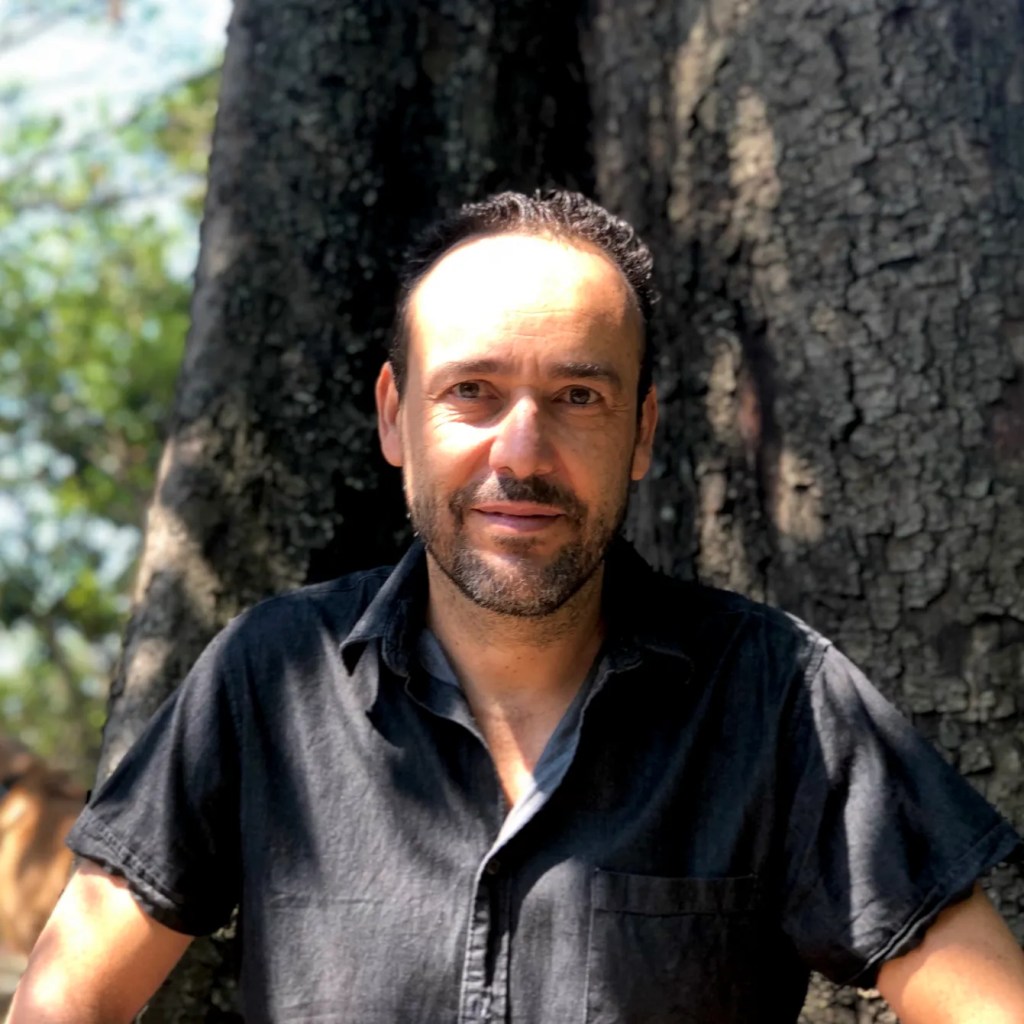
Itzhel Razo works where personal wounds become universal ones. She makes theatre out of taboo, dragging social monsters and cultural demons into the light, treating the stage as a place of purga and unconcealment, of ritual and healing. Her travels and studies across Asia reshaped how she sees performance. Bali in particular marked her, its ceremonies, its dance, its profound connection to energy, teaching her how sacred the stage can be and how powerful transmutation is. As a woman director, she fought hard to find space for the physical, ritual, and autobiographical theatre she believed in, from institutional recognition at home to the international stage. She gives herself twenty minutes a day to let inspiration find her working.

She wants her art to make people feel alive, to stir conflict and dialogue, to speak to the young and the old at once, in this edition of PROFILES.

advertising
partner content

Itzhel Razo

she/her
Actress & Director
Mexico
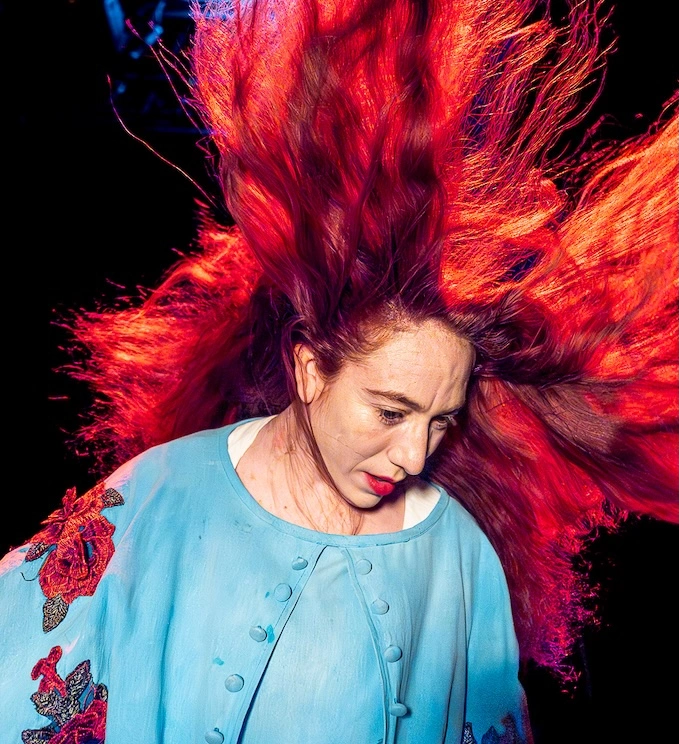
Wilma, source: A1W.

1. ¿Qué despertó tu interés como artista y cómo ha evolucionado esa chispa con el tiempo?

Me inspira partir de heridas personales que se puedan volver universales, tocar temas tabúes que puedan ayudar a traer a la luz monstruos sociales, demonios culturales, sanar heridas a través de la ritualidad. Mis viajes y estudios por Asia han marcado mi manera de concebir la escena, me gusta el término purga y desocultamiento creo que el teatro es capaz de hacer eso.

1. What sparked your interest as an artist and how has that spark evolved over time?

I’m inspired by starting from personal wounds that can become universal, touching on taboo subjects that can help bring social monsters and cultural demons to light, healing wounds through ritual. My travels and studies across Asia have shaped the way I conceive the stage. I like the term purge and unconcealment; I believe theatre is capable of doing that.

2. ¿Puedes compartir la historia detrás de una de tus obras favoritas y lo que significa para ti?

El trabajo del cineasta Teo Angelopolous marcó mi vida, la arquitectura del silencio.

2. Can you share the story behind one of your favorite works and what it means to you?

The work of the filmmaker Theo Angelopoulos marked my life, the architecture of silence.

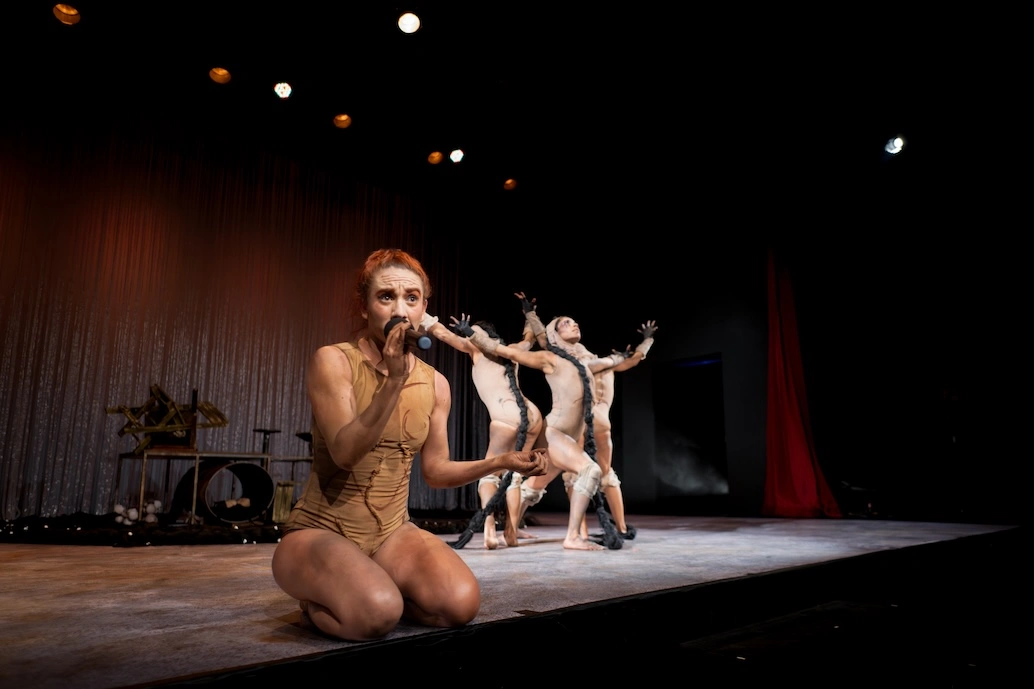
Furias, source: Itzhel Razo.

3. ¿Cómo es tu proceso creativo—sigues una rutina o la inspiración surge espontáneamente?

La inspiración tiene que encontrarte trabajando así que todos los días me doy 20 minutos de inspiración , escribo en mi libreta ideas o reflexiones que eventualmente se pondrán a trabajar en alguna obra.

3. What is your creative process—do you follow a routine or does inspiration come spontaneously?

Inspiration has to find you working, so every day I give myself twenty minutes of inspiration. I write ideas or reflections in my notebook that will eventually be put to work in some piece.

4. ¿Cuál ha sido tu mayor desafío como artista y cómo influyó en tu crecimiento?

Como mujer directora encontrar espacios para mostrar mi arte, me costó mucho trabajo llegar a lo institucional, y al reconocimiento internacional, el tipo de teatro al que yo aspiraba: que buscaba lo físico más lo ritual y lo autobiográfico o biodramático , encontrar espacio para ello fue difícil.

4. What has been your biggest challenge as an artist and how did it influence your growth?

As a woman director, finding spaces to show my art. It took me a great deal of work to reach the institutional level, and international recognition, for the kind of theatre I aspired to: one that sought the physical plus the ritual and the autobiographical or biodramatic. Finding space for that was difficult.

Wilma, source: A1W.

5. ¿Quién o qué te inspira más y cómo se refleja esa inspiración en tu trabajo?

Me inspira mucho la isla de Bali, sus ceremonias, tradiciones religión, su danza, me impresiona la conexión que tienen con la energía y como eso puede moldear por completo sus creaciones artísticas. He aprendido mucho de indonesia y lo llevo a todos mis proyectos de alguna manera me enseñaron lo sagrado que es la escena y lo poderoso de la transmutación.

5. Who or what inspires you the most, and how is that reflected in your work?

The island of Bali inspires me deeply, its ceremonies, traditions, religion, its dance. I’m struck by the connection they have with energy and how that can completely shape their artistic creations. I’ve learned so much from Indonesia and I carry it into all my projects. In some way they taught me how sacred the stage is and how powerful transmutation is.

6. ¿Qué crees que es lo más emocionante que está ocurriendo en tu campo en este momento?

La voz de las mujeres artistas me inspira que cada vez encontramos más espacio para poder crear tanto en cine teatro o danza, el arte femenino me apasiona.

6. What do you think is the most exciting thing happening in your field right now?

The voice of women artists inspires me. It excites me that we’re finding more and more space to create, in film, theatre, and dance. Female art is my passion.

Furias, source: Itzhel Razo.

7. ¿Qué consejo le darías a artistas o creativos que están empezando?

Se fiel a ti misme. Y cuanto estés en el valle recuerda la montaña. Está carrera es un sube y baja constante.

7. What advice would you give to artists or creatives who are just starting out?

Be true to yourself. And when you’re in the valley, remember the mountain. This career is a constant up and down.

8. ¿Cómo esperas que tu trabajo conecte con las personas o deje un impacto?

Me gusta que lo que hago les haga sentir vivos, crear sensaciones profundas. Quiero inspirar generar conflicto en el otre, y un diálogo quiero que mi arte siempre dialogue con generaciones jóvenes y viejas.

8. How do you hope your work will connect with people or leave an impact?

I like that what I do makes people feel alive, that it creates deep sensations. I want to inspire, to generate conflict in the other, and a dialogue. I want my art to always dialogue with generations young and old.

source: Itzhel Razo.

Support artists—share this

More like this, twice a month.

Off-Book is the Skene newsletter for artists and makers. Profiles, opportunities, and editorials, free. New subscribers also receive the 2026 Performing Arts Survival Guide.

About the Author

Leave a Reply

Your email address will not be published. Required fields are marked *

Abingdon Theatre Company - Season 34
advertising
Abingdon Theatre Company - Season 34

RELATED POSTS.

FREE FOR ARTISTS

Get the 2026 Performing Arts Survival Guide.

Practical career guidance for performing arts artists and makers. Take it with you.