Emilio Bastré: Fragile Enough for a Strong Connection.
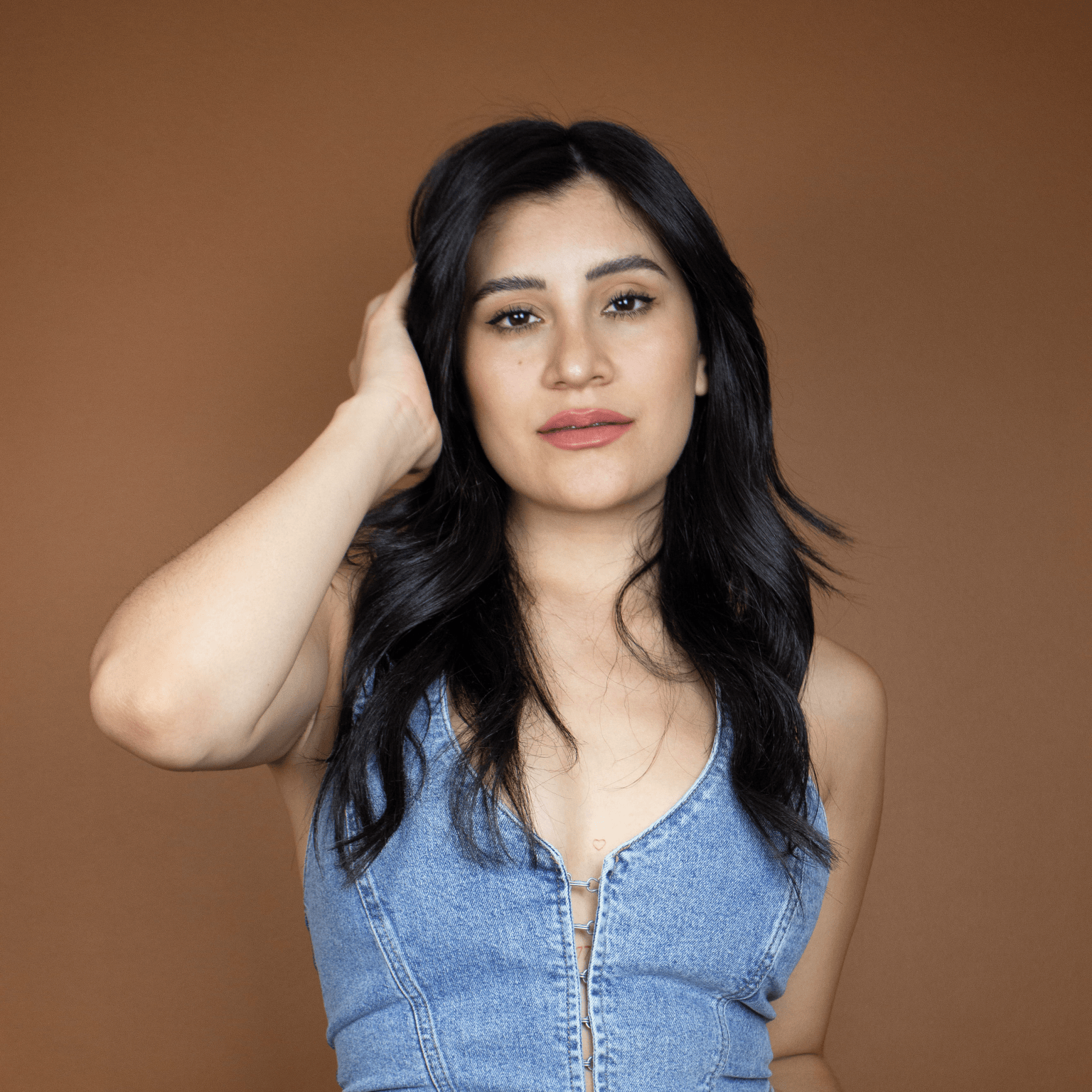
Emilio Bastré is a Mexican actor and member of the Compañía Nacional de Teatro whose work lives at the intersection of freedom and craft.

Emilio Bastré is a Mexican actor and member of the Compañía Nacional de Teatro whose work lives at the intersection of freedom and craft.

Six essential plays by Black British playwrights that American theatres should be producing — from Natasha Gordon to debbie tucker green.

Meet Mexican lighting designer Victor Zapatero, whose work blends observation, emotion, and creative intention. Discover his artistic philosophy.

Actor and playwright whose work moves between personal honesty and theatrical confrontation, building stories that leave no edges sanded down.

Scenic designer and Skene founder on community, mentorship, and building a creative career, in conversation with Mitzi Avila of Creative Blueprints.
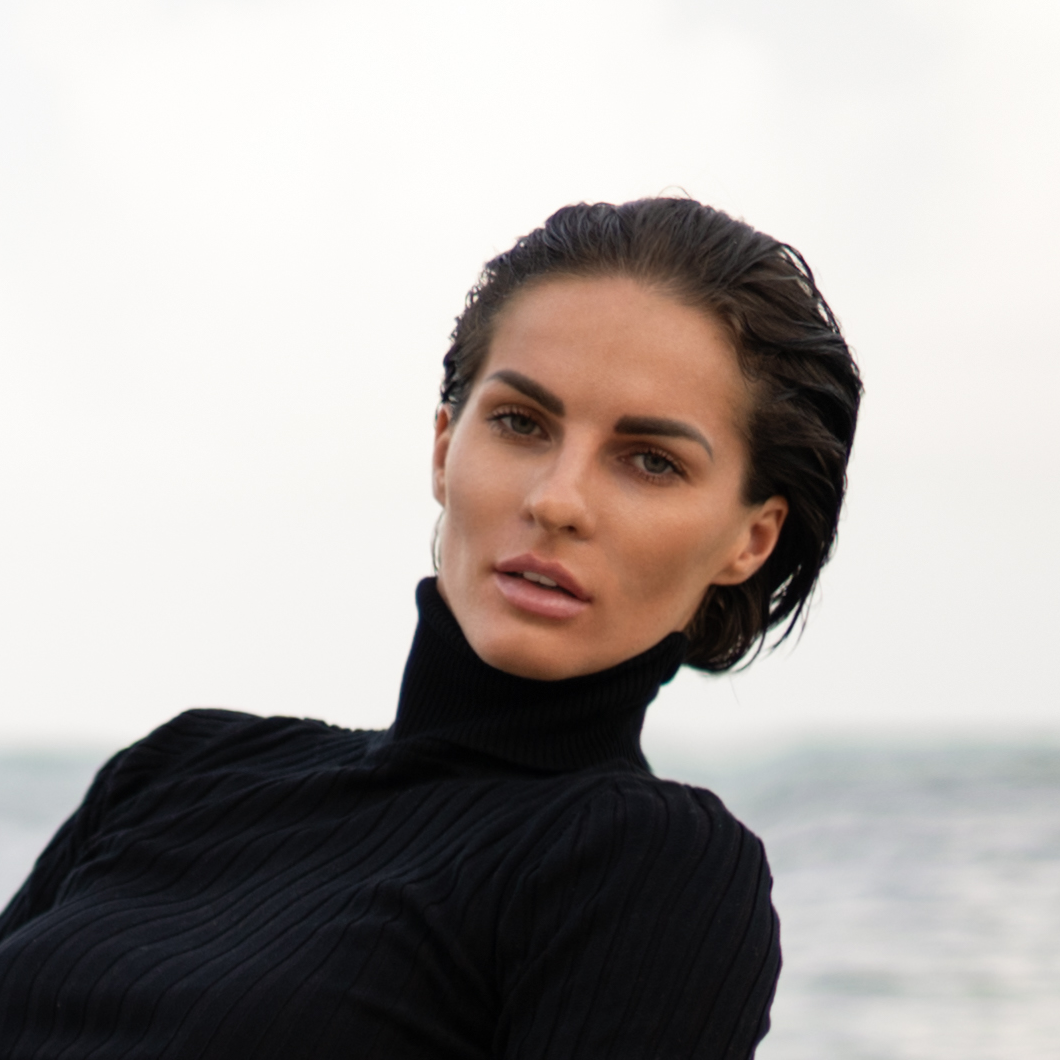
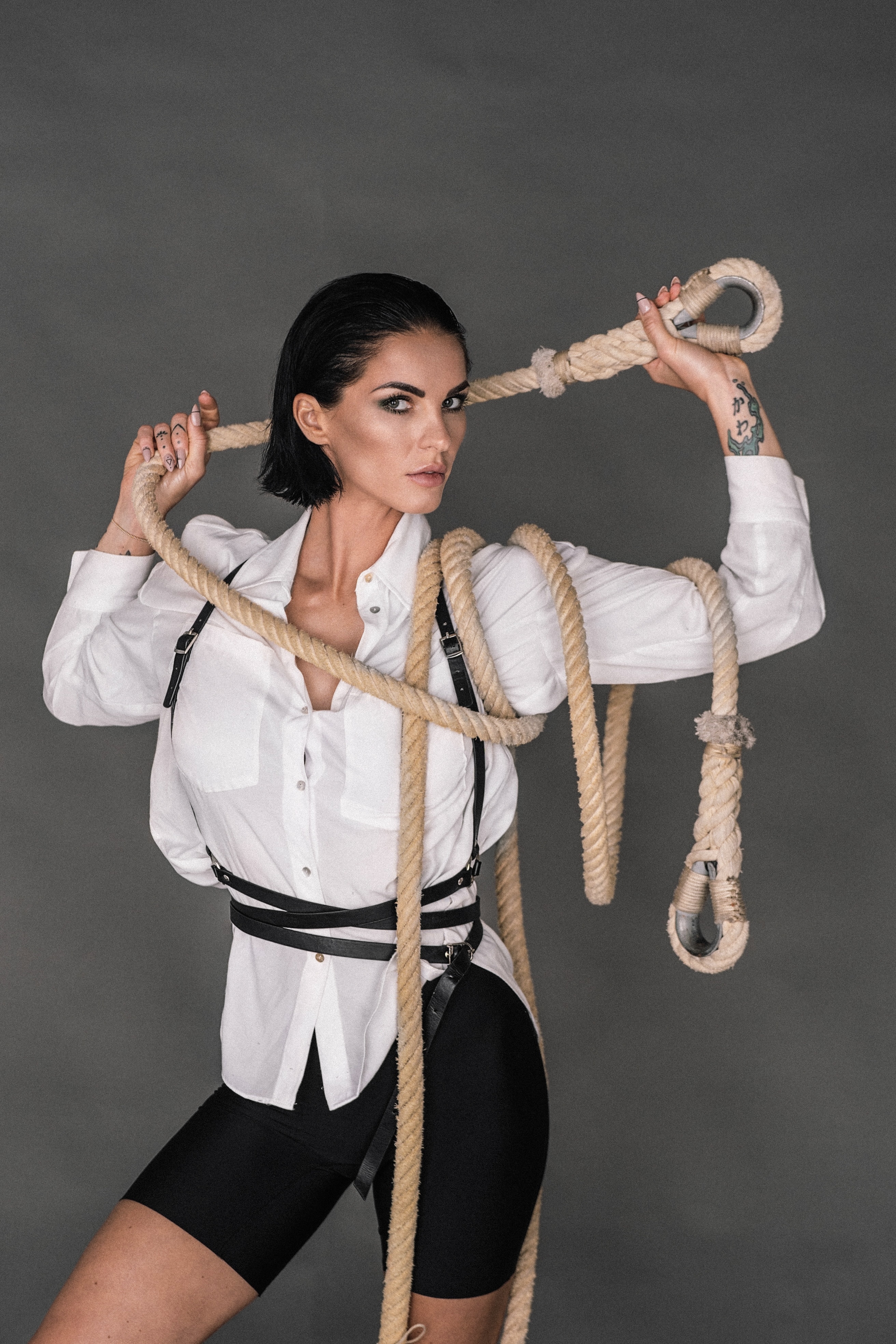
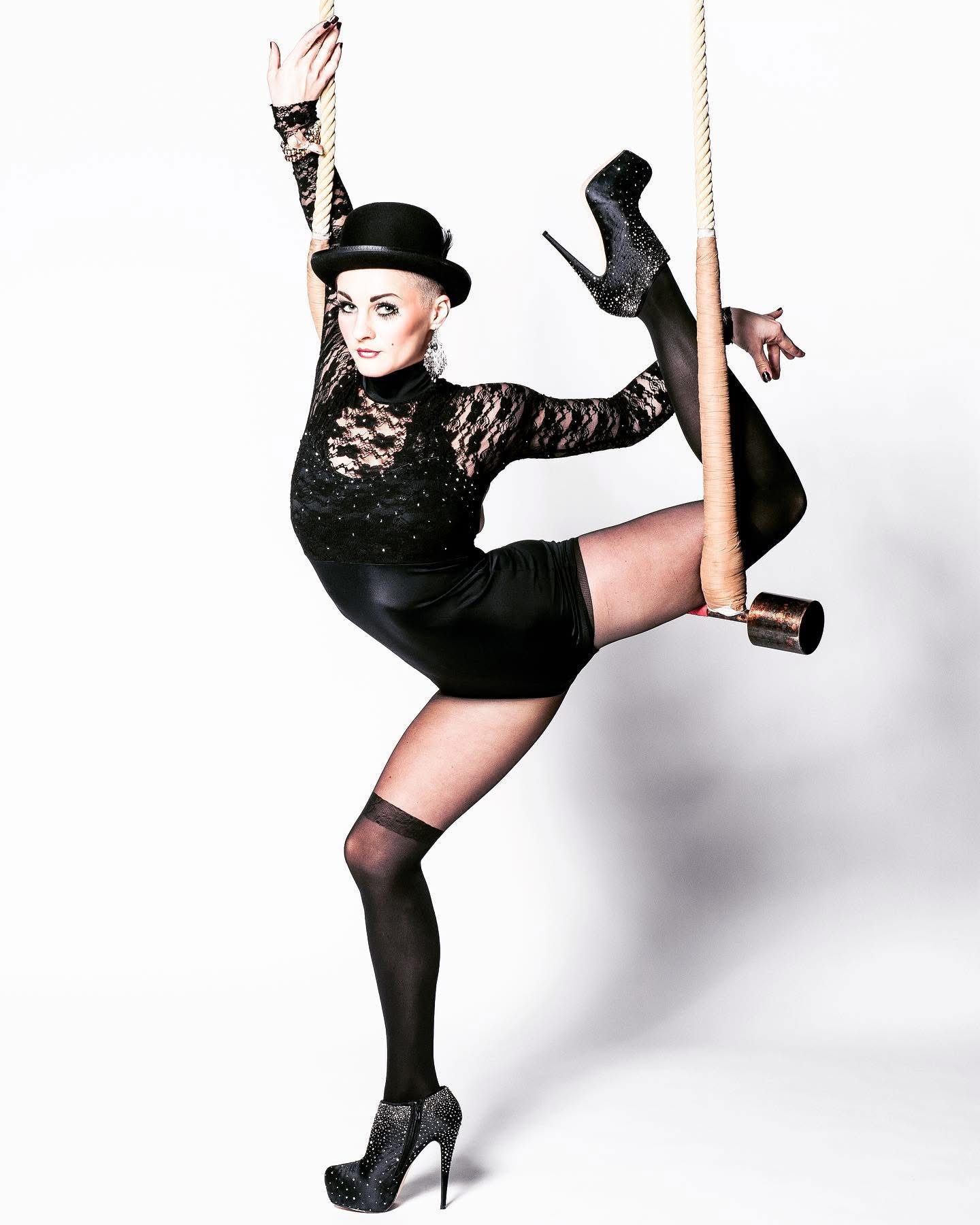
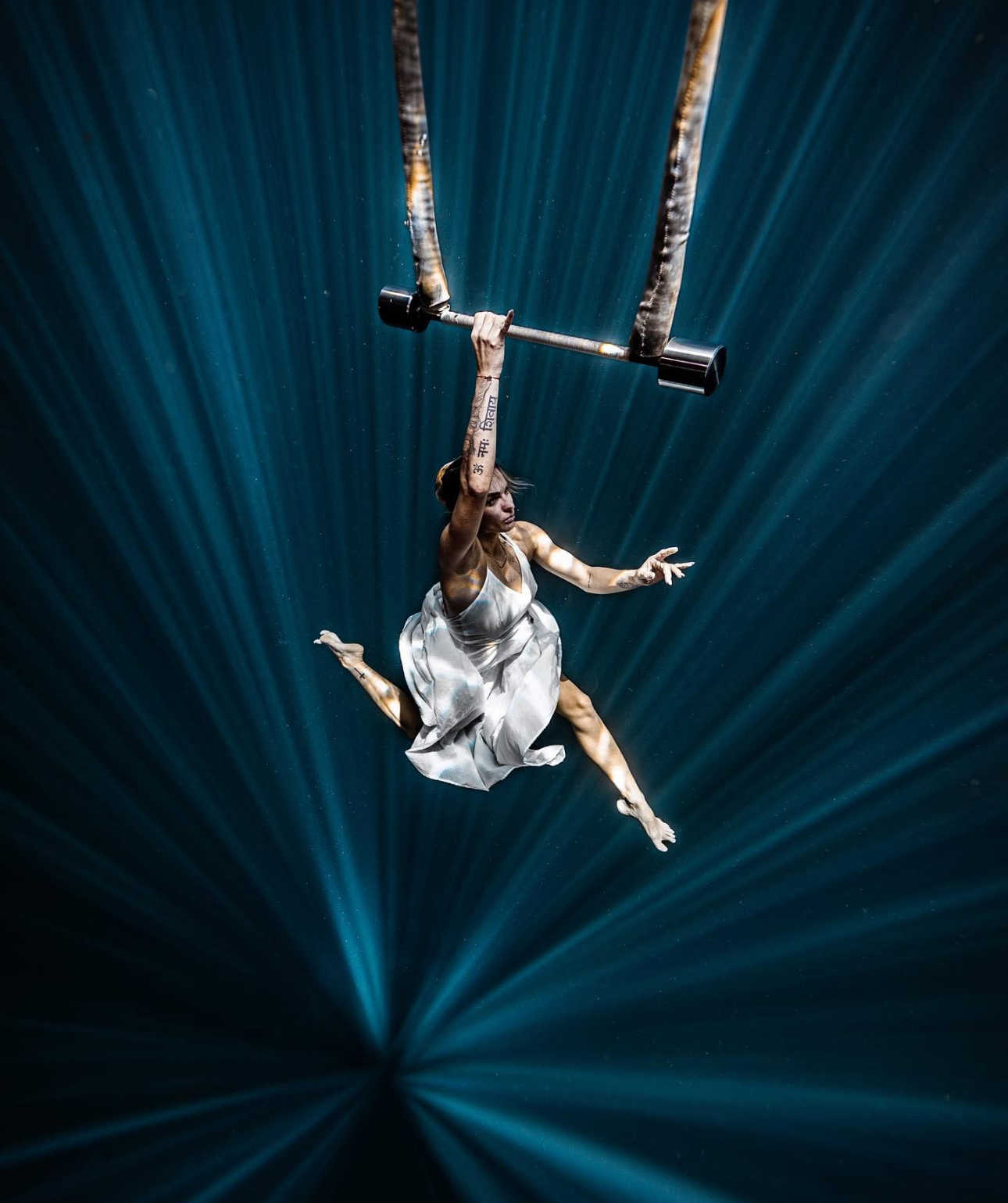
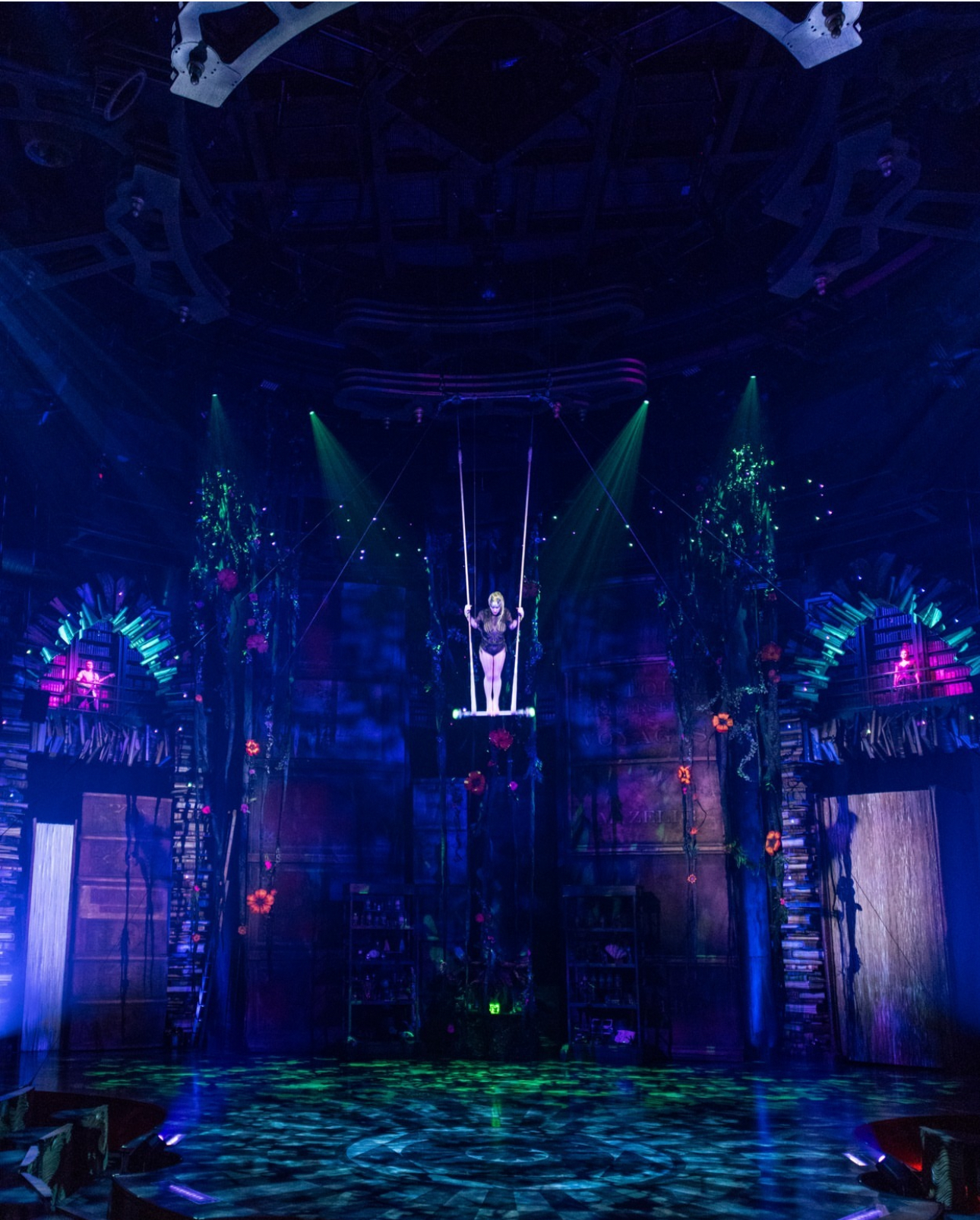
From her first cartwheel at age three to center stage with Cirque du Soleil, Darya Vintilova has always spoken through movement. Trained by her acrobat-coach parents in Ukraine, she grew up not just learning physical discipline but discovering the poetry of the body in flight. Today, as a trapeze artist and model, Darya’s practice is rooted in emotion, transformation, and a fearless pursuit of authenticity.
Her artistry—raw, human, and quietly powerful—transcends spectacle. It’s not about flawless poses or applause; it’s about resonance. Whether improvising mid-air or navigating personal upheaval, Darya turns physicality into storytelling, letting grief, rebirth, and stillness take shape in space. She draws inspiration from nature, from fellow truth-tellers, and from the quiet strength of healing.
In this edition of PROFILES, Darya reflects on the tension between perfection and presence, the personal act that reshaped her relationship to the stage, and why true artistry begins with caring for the self. Her work is a reminder that movement is memory, that breath can be rebellion, and that even in freefall, we can find freedom.
My parents were my coaches and at the age of 3 years old introduced me to acrobatics. In the beginning, my spark was fueled by pure excitement, wonder, and a desire to defy gravity and explore my physical limits. The stage was a place of play, adrenaline, and dreams. Over time, as I trained and performed more, that initial excitement matured into a disciplined fire. I developed a respect for the craft, the rituals of training, the precision of movement, and the unspoken language of bodies in the air. I began to understand that what I was doing wasn’t just a show—it was storytelling.
Working with Cirque du Soleil and other major productions, I transformed from a passionate performer into a true artist. My work became more about expression, emotion, and impact. I use my body to communicate what words can’t.
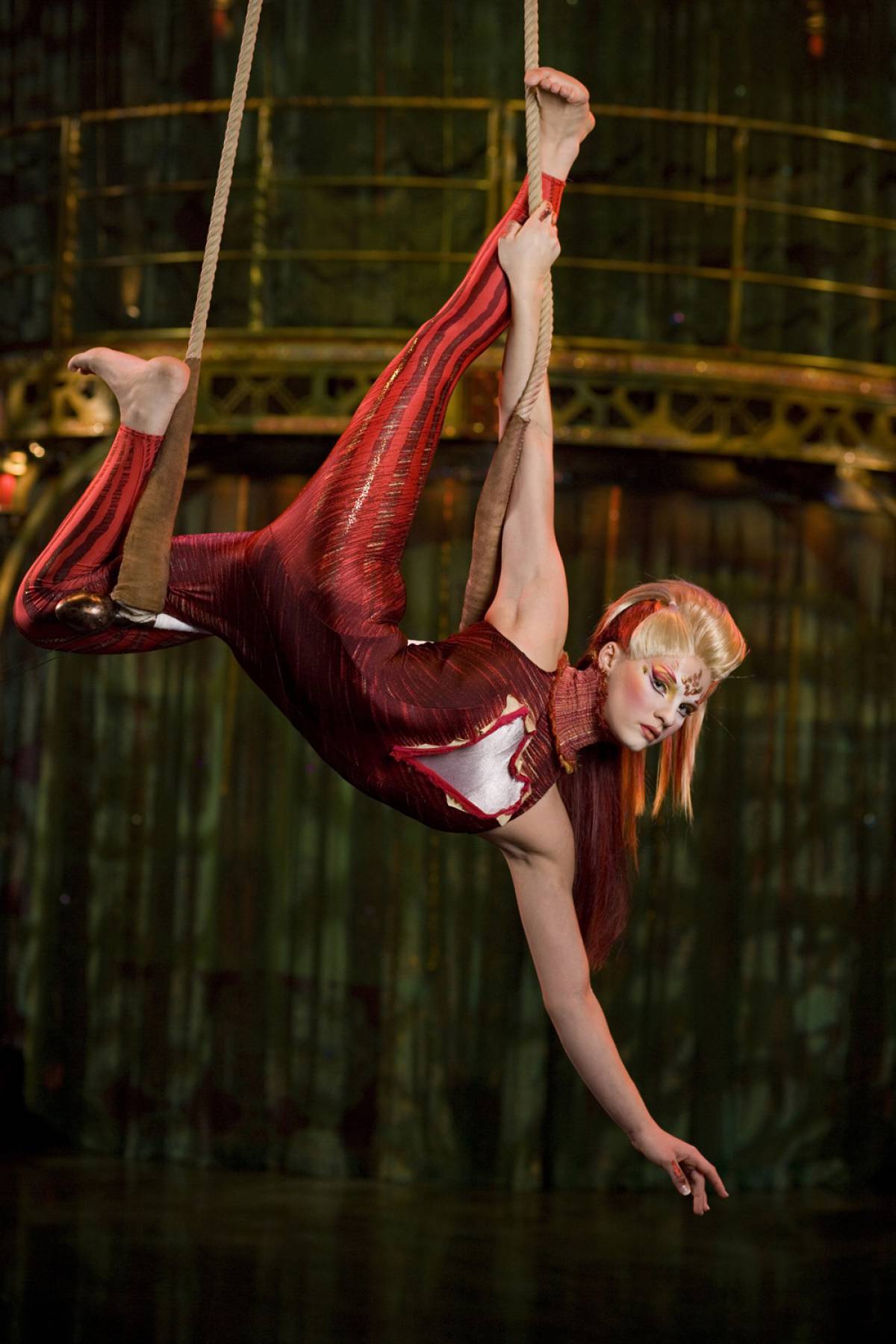
One of my favorite works was a trapeze act created during a time of personal transformation—it was born not just from movement, but from deep emotional need. The piece emerged when I was navigating change, uncertainty, and letting go of an old identity. The trapeze became a mirror for that journey. It was the winch trapeze act on KOOZA, by Cirque du Soleil.
Inspiration strikes spontaneously, often from unexpected places: a piece of music, a dream, a moment of silence, or even the way light hits a wall. I stay open and observe what moves me emotionally. That spark becomes the seed.I translate that inspiration into movement—improvising, feeling, trying, failing, reshaping. I let the body speak first, then the mind steps in to refine. If it’s an aerial act, I’ll work through transitions, build physical vocabulary, and listen for where breath and emotion meet in the air.
My biggest challenge as an artist has been navigating the tension between perfection and authenticity—learning to let go of the need to always impress, and instead choosing to express.
For years, I measured my worth by how clean my lines were, how still my final pose landed, how loud the applause was.
But over time, that constant striving for perfection became suffocating. I began to feel disconnected from the joy and spirit that brought me to this path in the first place. The turning point came when I burned out—physically, emotionally, creatively. I realized I had mastered the technique, but I had lost touch with my why.
That moment cracked something open. I turned inward. I began practices like Qigong, meditation, and grounding rituals that helped me reconnect to my center—not just as a performer, but as a human. I started creating from a place of truth, not expectation.
This challenge shaped my growth by teaching me that true artistry isn’t about being perfect—it’s about being honest. That lesson changed everything. It made my work more soulful, my performances more human, and my relationship with the stage far more meaningful.
What inspires me the most is the human spirit’s ability to transform pain into beauty—the resilience, vulnerability, and quiet strength that lives in us all. I’m deeply moved by real stories, raw emotions, and the invisible energy that connects us.
That inspiration shows up in my work as truth in motion. Whether I’m in the air, on the floor, or behind the scenes creating, I aim to embody feeling rather than just form. I use movement to translate the unspoken—grief, love, longing, rebirth—into something tangible. Each gesture, transition, or stillness becomes a part of that emotional landscape.
People who live with courage, sensitivity, and authenticity inspire me too—mentors, fellow artists, spiritual guides, even strangers whose presence says more than words. Nature is another great teacher. Its cycles, fluidity, and silent power remind me to trust process and surrender control.
Ultimately, inspiration shows up as a commitment to presence. I don’t just want to impress—I want to awaken something in others. If someone sees themselves in my work, feels understood, or remembers their own strength—that’s the highest expression of the inspiration that drives me.
The most exciting thing happening in the circus world right now is how technology and advanced rigging systems are revolutionizing the way we create, perform, and experience movement-based art.
Stay rooted in your truth, not in the need for approval.
As an aspiring artist, it’s easy to get caught chasing perfection, applause, or external validation—but real artistry begins when you create from a place of authenticity. Honor your unique voice, your story, your rhythm. Let your curiosity lead more than your fear.
Also: nourish your body, your spirit, and your boundaries. Art is not just output—it’s a reflection of your inner world. The more you care for yourself, the deeper your work will resonate.
Lastly, trust that the path will unfold in its own timing. Keep showing up, keep listening, and keep choosing courage over comfort. Your art is needed—exactly as you are.
Yes—art is sacred, and so is the journey of the artist.
What we create isn’t just for show—it’s a form of healing, connection, and remembrance. It’s how we trace the invisible threads between the body, the heart, and something greater than ourselves. Especially in a world that moves fast, our role as artists is to slow down, to feel, and to offer space for others to do the same.
To any fellow creatives reading this: your voice matters. Your process matters. Keep showing up, even when it’s messy. Trust the cycles. Protect your joy. And never underestimate the quiet power of presence—it often speaks the loudest.

I hope my work touches people on a soul level—that it reminds them of their own strength, vulnerability, and capacity to feel deeply.
Through movement, stillness, and presence, I want to create moments where people feel seen, awakened, or softened—even if just for a breath.
I also hope my work invites people to reconnect with their bodies, their energy, and their truth—to recognize that expression doesn’t have to be loud to be powerful. There’s transformation in silence, in breath, in surrender.
Support artists—share this
Off-Book is the Skene newsletter for artists and makers. Profiles, opportunities, and editorials, free. New subscribers also receive the 2026 Performing Arts Survival Guide.
We use cookies to optimize our website and our service functionalities.