What do you want to see?
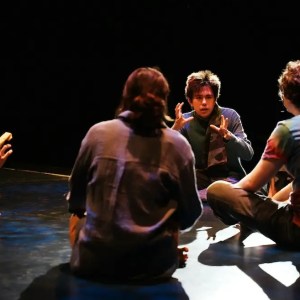
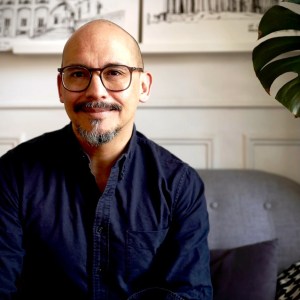
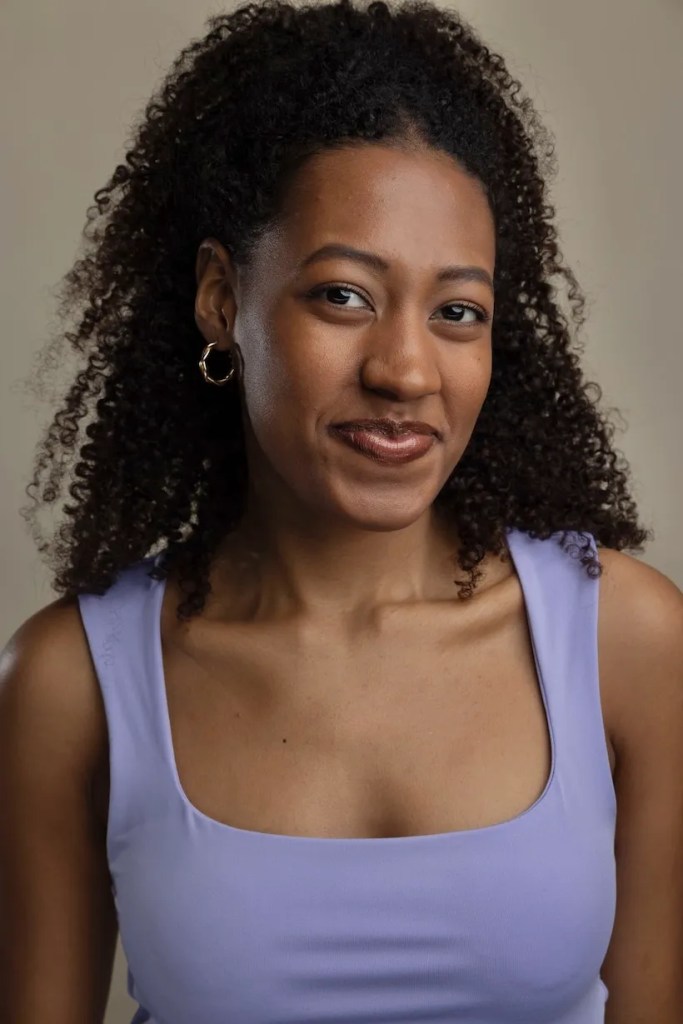
From the UK to Korea to the past — Helen Garcia-Alton, Tina Torbey, and Nia Banks share the theatre they wish they could see anywhere in the world.

From the UK to Korea to the past — Helen Garcia-Alton, Tina Torbey, and Nia Banks share the theatre they wish they could see anywhere in the world.

Public domain plays for community theatres: proven box office hits, zero royalties. Reliable entertainers that fill seats.

Brandon PT Davis is a scenic designer whose research-driven practice builds spaces that dissolve into story and earn their invisibility.

Actriz y autora mexicana Kelly Key habla sobre maternidad, teatro autodidacta y su cuento Cerillo en este episodio de OFFSTAGE en Español.

Helen Garcia-Alton, Tina Torbey, and Nia Banks share what’s on stage right now that is transformative, interesting, or just plain fun.
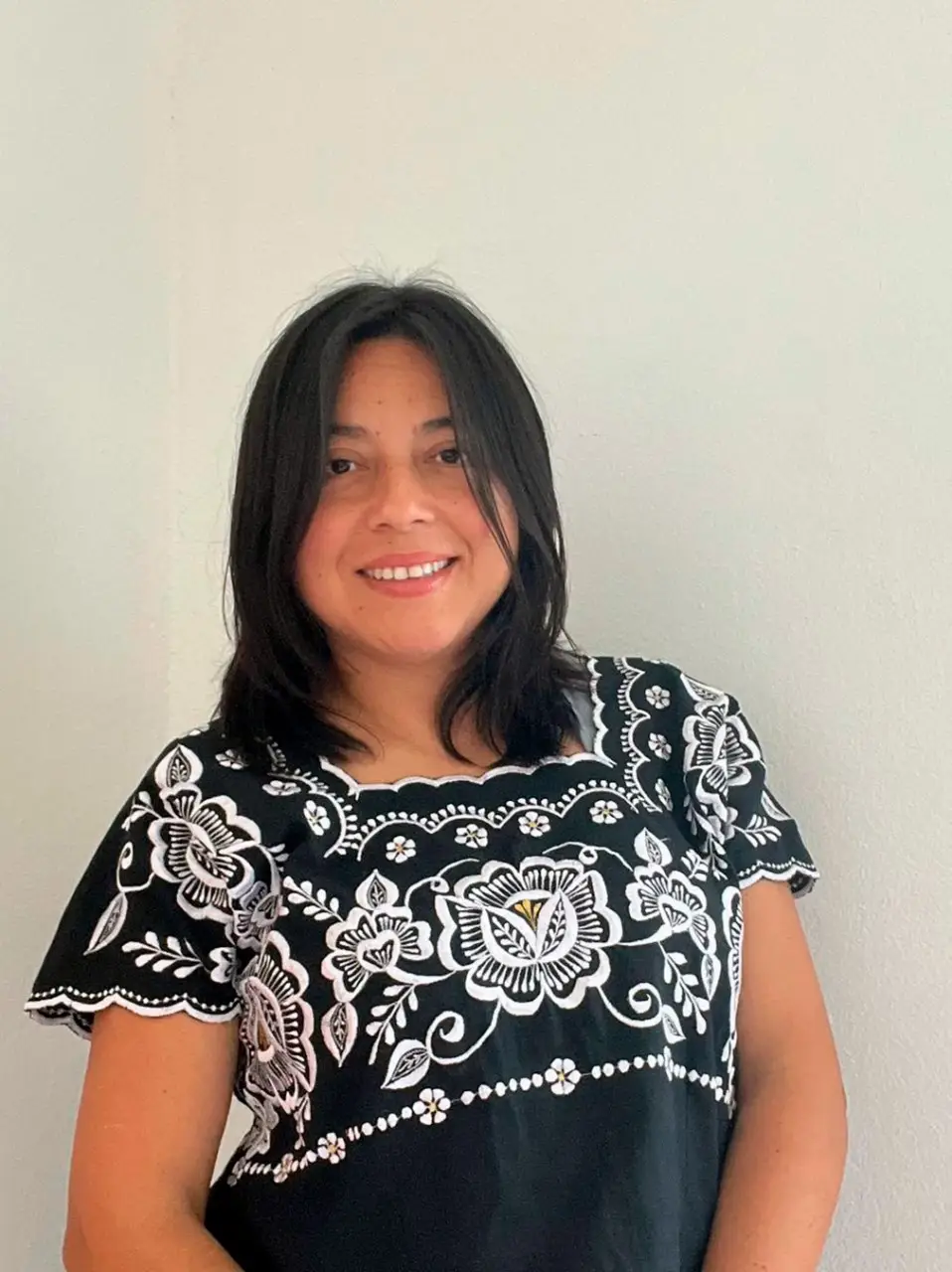
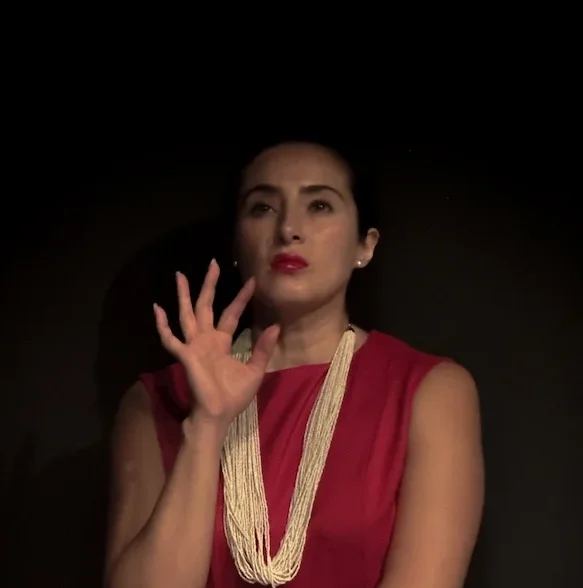
Mahatma Ordaz, a scenographer and theatre researcher, discovered her passion for stage design in an unexpected way. Originally set on a path toward visual arts, her future took a sharp turn when she was invited to paint a backdrop for a professional play. This experience ignited a love for designing for theatre, and despite studying biology at the time, Mahatma knew she was meant to create for the stage.
Her creative process is rooted in research, driven by concepts and ideas that evolve into visual forms through colors, shapes, and textures. Nature plays a huge role in her work, inspiring her scenic, costume, and lighting designs with its colors, forms, and the natural world’s ever-changing beauty. Over the years, Mahatma has learned to adapt and grow, taking on significant challenges such as working on TV series sets, where improvisation and leadership were key to her success.
In this edition of Profiles, we explore Mahatma’s development as an artist, the evolution of her design process, and her ongoing commitment to creating work that resonates deeply with audiences.
The first contact I had with theatre completely defined my vocation, initially I wanted to be a visual artist. While I was taking painting and sculpture classes I was invited to paint a curtain for a professional play with a very well known director in Mexico. When I saw my work as painted backdrop for the scenography, I knew I wanted to design for theatre. I had to wait 4 more years to enter the scenography school because at that time I was studying biology.
I really enjoyed my last staging at the University, it was called Las últimas cosas. It was a great learning experience because in the process I learned how to light, I had the advice of a great lighting designer and the theatre technicians. It was a great challenge for me and I fell in love with lighting.
My creative process is accompanied by research, I think of concepts or ideas that can trigger something visually, I take them to colours, shapes and textures. Sometimes I make very simple sketches on paper. When I do lighting I concentrate on the rehearsals, on the movements of the bodies and the rhythm of the music, I draw a lot of lines around the points that represent the body of the actors or dancers.
My biggest challenge has been working on TV series as a set designer and assistant set designer. Being in charge of a team and being prepared to make decisions but also to improvise gave me a lot of experience and a flexible attitude and resolution to different situations.
My great inspiration is nature, the colours and textures I can find in the leaves of a tree, in a plant or in the sea. I find the colours of sunrises and sunsets magical. Architecture is something important to me, I like to observe the shapes, the space, the textures of the materials. In my work I try to translate some of nature’s forms and colours into scenography, costumes or lighting.
For me, design processes are opening up to research. It’s not that there wasn’t before, but now in many cases research goes hand in hand with creation. The research process becomes valuable because it is part of the project or the scenic piece. Now a scenic designer is also an artist.
The first commitment an artist makes is to himself, and that is not to give up.
I would love to connect through stories, through thinking and learning from each other. Artistic exchange is a way to make community and links with other creators.
Support artists—share this
Off-Book is the Skene newsletter for artists and makers. Profiles, opportunities, and editorials, free. New subscribers also receive the 2026 Performing Arts Survival Guide.

We use cookies to optimize our website and our service functionalities.