Latest posts.

Get Featured or Publish with Skene!

Tina Torbey: Between Structure and Soul.

source: Tomislav Todorovic

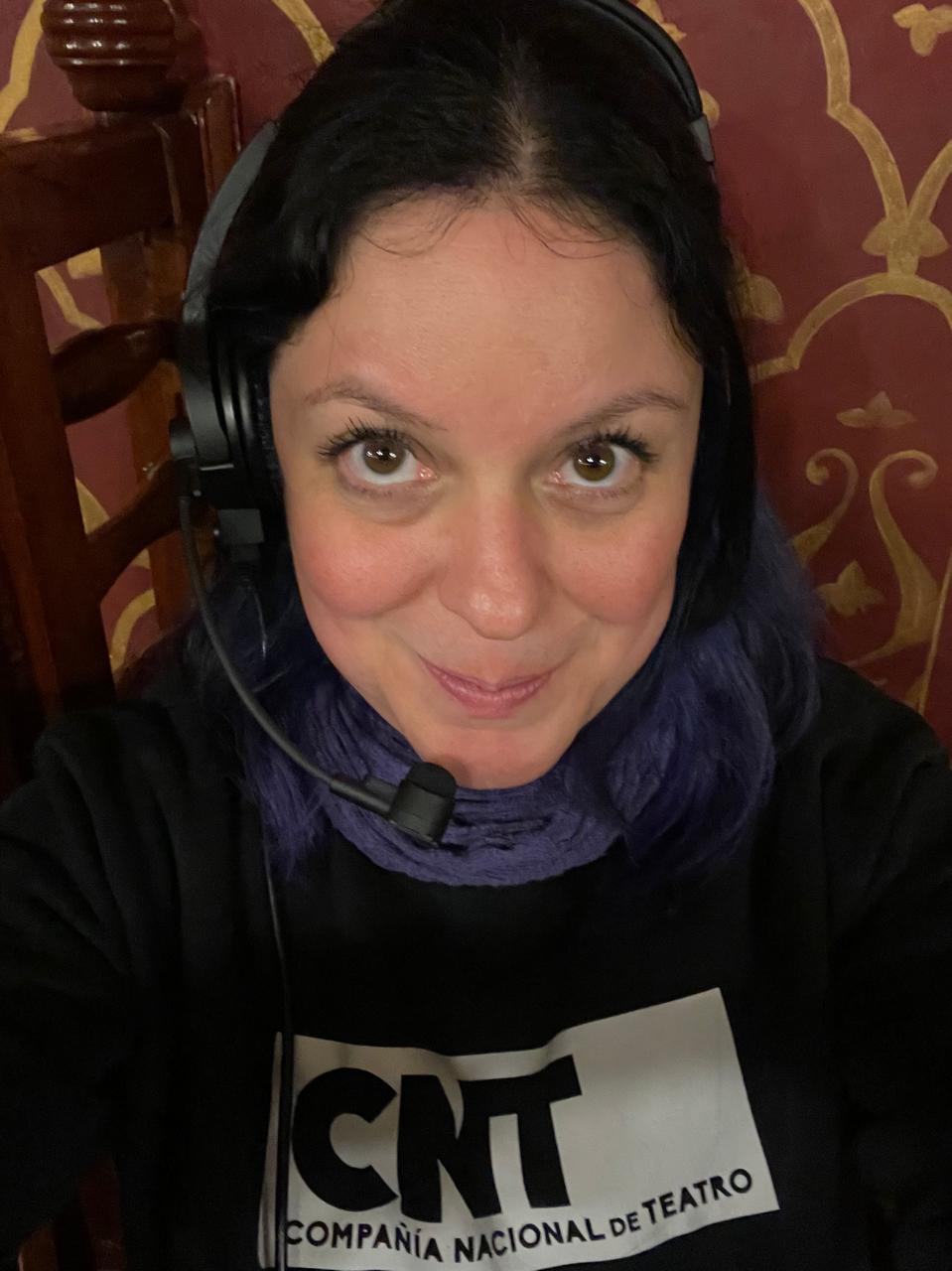
For Lebanese scenic and costume designer Tina Torbey, design is the meeting point between structure and soul. Trained first as an architect and deeply influenced by music, she approaches the stage as both a blueprint and a living organism: one where geometry, harmony, and emotion coexist. Her journey has taken her from Beirut to the stages of London, shaping a career built on precision, curiosity, and resilience.

Tina’s work, from Eurydice at Jermyn Street Theatre to family-centered productions like Peter Rabbit, reflects a rare balance between intellect and sensitivity. She speaks of design as a philosophical process, asking “why” before anything else takes form, and of motherhood as both challenge and transformation, pushing her toward authenticity and strength.

Her inspirations, from Marina Abramović’s endurance to her own daughter’s boundless curiosity, remind her that creation is an act of persistence as much as imagination. For Tina, theatre is a space of empathy, where art can make the unseen visible and the impossible tangible.

In this edition of PROFILES, she reflects on discipline, vulnerability, and the quiet power of building worlds that feel profoundly human.

partner content

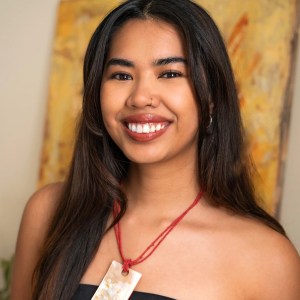
Tina Torbey

she/her
Scenic & Costume Designer
Lebanon
Peter Rabbit, source: Histrionic Productions

1. What sparked your interest as an artist and how has that spark evolved over time?

I think the urge to create is something innate. Children will play and explore with the resources available in their immediate surroundings.

My father is an architect and I grew up witnessing it in a world where it wasn’t heavily digitised yet. I remember finding a collection of books teaching how to draw human proportions, perspective and rendering with pen and ink. I was immediately absorbed by them, started learning and applying from there.
My next and most impactful encounter to this day is Music. I learnt the piano from a young age and was most fascinated with the music theory and orchestral experiences. Music is highly structured, just like architecture.

I initially followed my father’s footsteps, and fully trained in architecture. Merged with my deep passion for music & the performing arts, my career naturally evolved into Set & Costume Design.
My theatre journey started with an MA at the Royal Welsh college of Music and drama and I have been working in it ever since. With all its challenges, I do still have to pinch myself in disbelief that I am working in my dream field.

Between The Lines, source: Tina Torbey

2. Can you share the story behind one of your favorite works and what it means to you?

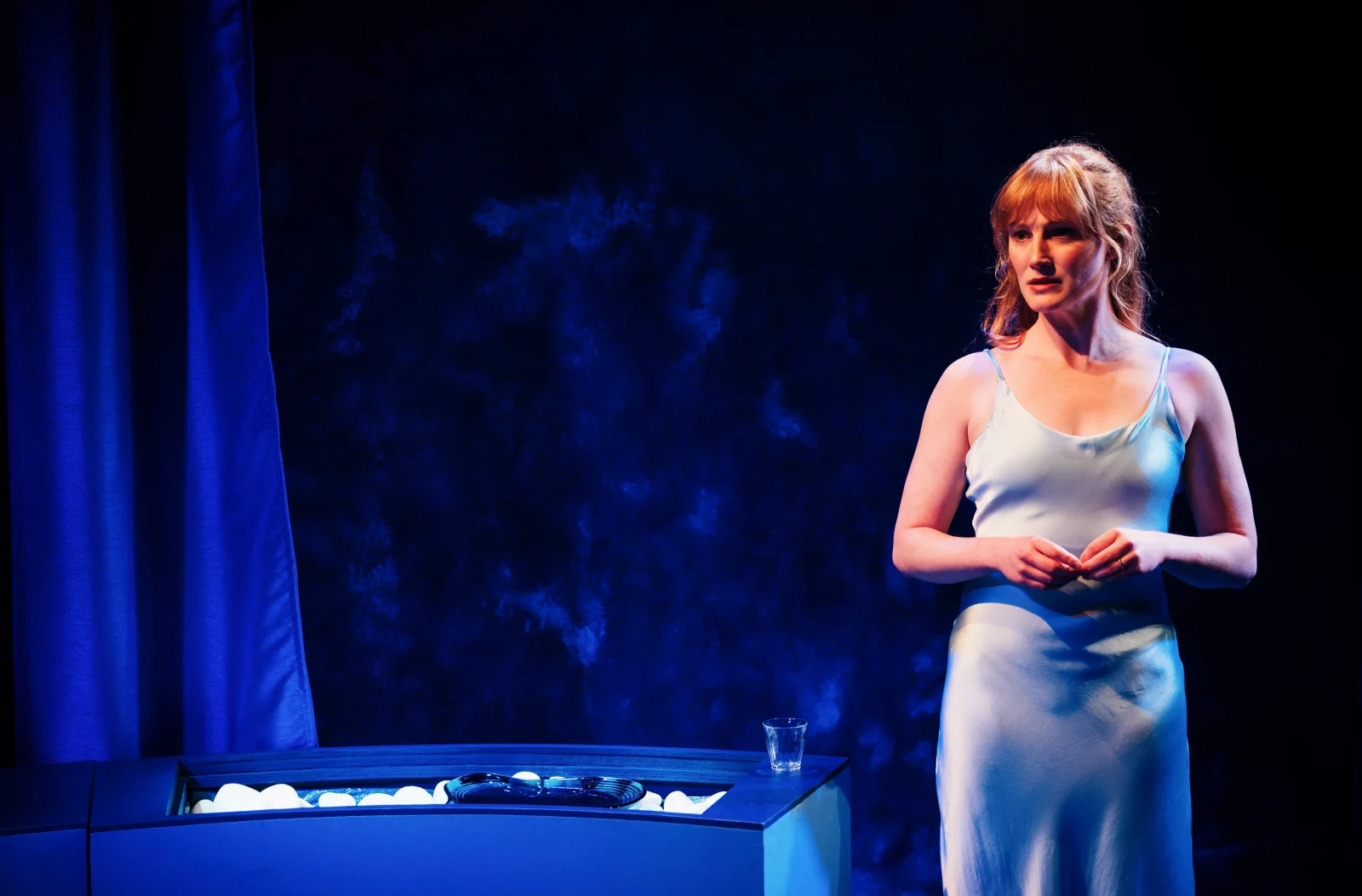
Eurydice at Jermyn Street Theatre.

Surrealism, Greek mythology, Life, Death and the human experience; It is mainly based on the author’s journey through grief.
The emphasis on Eurydice’s journey as opposed to Orpheus, humanises the myth & leave us in a liminal space between both worlds.

Through the process, I enjoyed diving deeply in the main subjects of societal hierarchy in ancient Greece, the birth of plays and live performances, but most importantly the role of music in bridging life with the after life. All themes are still valid and explored heavily in our contemporary world.

I also had the chance to work with an incredible creative and production team. They allowed the design process to remain organic and ever evolving for such a delicate play.

Eurydice, source: Alex Brenner

3. What is your creative process—do you follow a routine or does inspiration come spontaneously?

I follow an almost philosophical process; A lot of unanswered ”whys” before they get translated into palpable visuals. Every element on stage has to either have a meaning or a specific practical purpose.
From the first read, I highlight individual words that I find pertinent. I read a lot about the context of the piece, where it emanated from, the author, and go deep in characters before I come up with a theme. I then heavily research the theme and brainstorm it into 3D elements.
I then love coming up with multiple initial options to explore with the director & creative team. Some creatives respond well to options, and for others I need to do the elimination process myself.

Once the key elements are fixed, the developmental phase is ideally kept organic and flexible up to opening night – or longer- in order to meet the practical and creative visions as they keep evolving.

Eurydice, source: Alex Brenner

4. What has been your biggest challenge as an artist and how did it influence your growth?

Becoming a mother. It is not motherhood itself, which in reality is very healthy for growth, rather the societal perception of mothers.
A large number of previous collaborators disappeared overnight, as they assumed that this was my full identity now. I felt almost invisible for a long time after the birth of my daughter.
And unfortunately it is a shared experience amongst so many.

It is a good filter though: Current collaborators are the best people I could ever dream to work with. Every new collaboration I formed after becoming a mother, has been a solid and very special one.

On the other hand, motherhood is growth in its essence.
It pushed me beyond my physical and emotional limits. It also drives me to a highly efficient and more organised life.
I was forced to a very much needed self de-construction in order to rediscover who I truly was, outside of all societal expectations.

For a long time I aimed for the wrong thing, chose the wrong battles and it highly affected my mental and physical health alike.
Today, designing and being a creative is an identity that I firmly hold onto, wherever it may take me. I actually enjoy the unknown, the unexpected and the diverse experiences that working in theatre can expose me to.
I could not have chosen a better career for who I am.

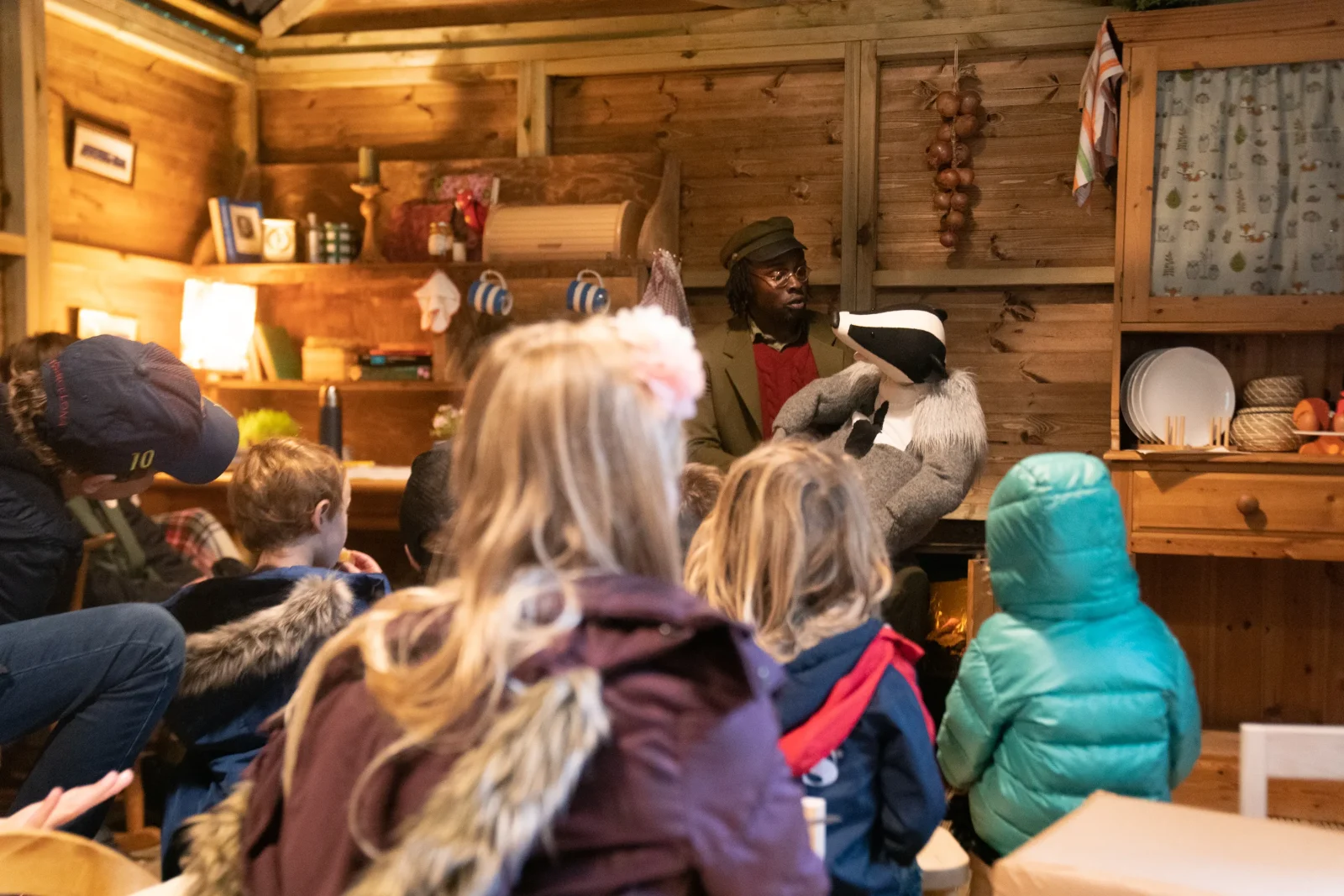
Percy the Park Keeper, source: Craig Sugden

5. Who or what inspires you the most, and how is that reflected in your work?

It changed over time, it used to be from Music or Architecture due to their inherently structural nature.

However, after reading her memoire, Marina Abramovic had become a huge inspiration.
I am not particularly fond of her aesthetics and almost masochistic tendencies, but I realised how much research she put into her work before performing it. Her work is based on real raw human experience. May it be her life, or all the extraordinary voyages. Shouldn’t theatre do the same?

Ironically, she did express at one point that she found theatre to be fake. But there must be a middle ground. Theatre may -a lot of times- be highly political yet so detached from reality.

My other inspiration is my daughter; it is my duty to lead by example and unapologetically follow my passion.

They both show up in my work, in the pure dedication and deep research I put into it, but most importantly resilience:

“When your brain is so tired that you can no longer think, that’s the moment when liquid knowledge can enter. That knowledge has been very hard for me to win, but I have won it. And the only way to win it is by never, under any circumstances, giving up”, Marina Abramovic – Walk Through Walls

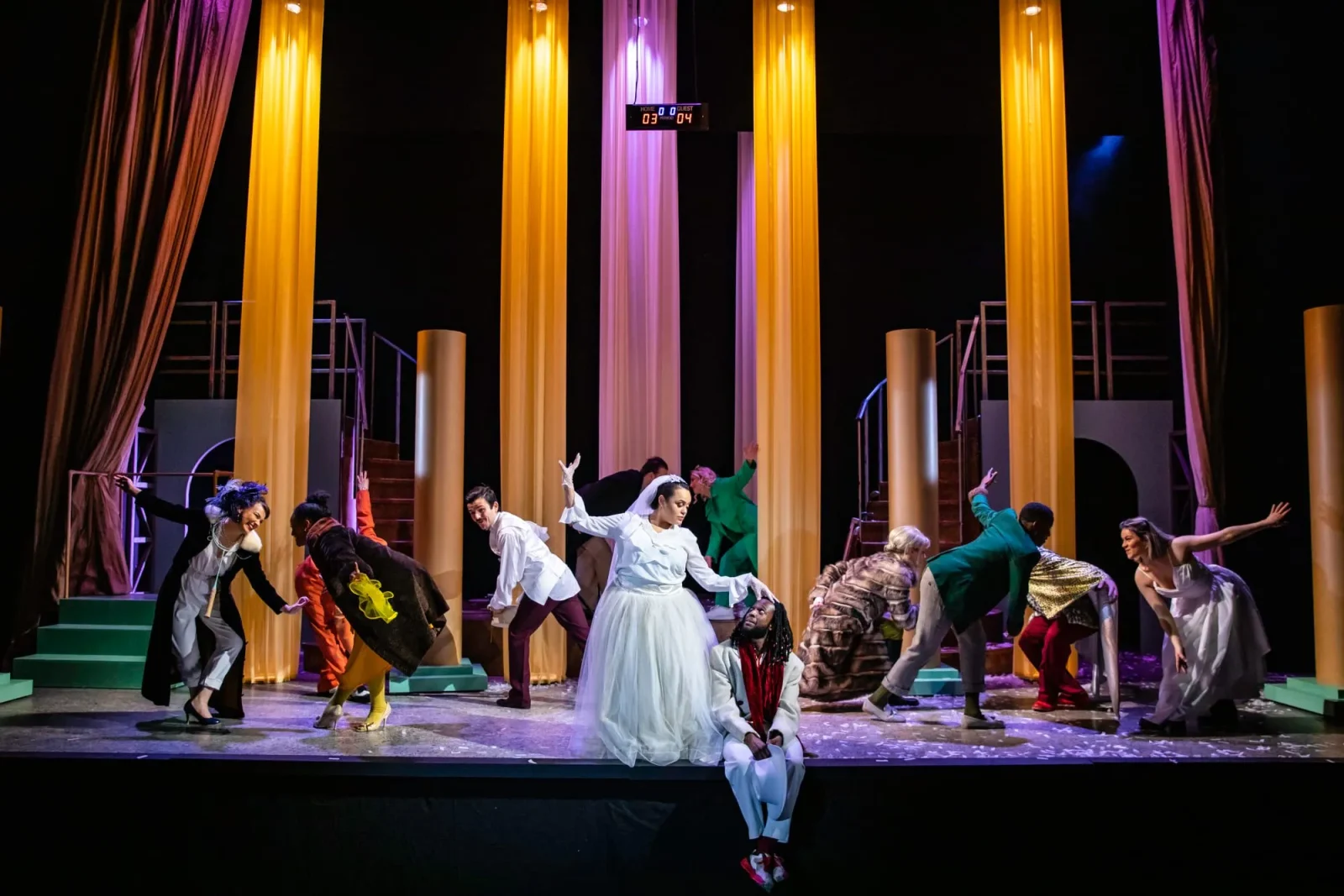
Dead Don't Floss, source: Dan Weill

6. What do you think is the most exciting thing happening in your field right now?

The rise in the number of immersive experiences / theatre.

Personally, it is a skills merger and a perfect crossover between creating an architectural and a theatrical space. I think it is the best of both worlds.

Breaking the fourth wall even in more traditional forms of theatre can also be an elevating experience. My Master thesis was about the different ways we can ”break the fourth wall in the 21st century”
I think today more than ever, we have all the mediums to really experiment within the format.

Cabaret, source: Tina Torbey

7. What advice would you give to artists or creatives who are just starting out?

From my experience, I can only safely say to theatre designers specifically, that we are multi & highly skilled individuals.
There are not only one but multiple pathways we can choose from within the industry.
Find your tribe and choose the path(s) that calls you the most. No comparison. No right or wrong answer.

Man Of Mode, source: Danny Kaan

8. How do you hope your work will connect with people or leave an impact?

We are artists, we cannot pretend to be in healthcare saving physical lives everyday.
However, I do believe that theatre is thankfully a unique social experience, where empathy and emotions are in a constant heightened state.
It is a core part of society where marginalised groups may feel seen and accepted like nowhere else.

I’ve done a lot of work in London with the Big House Theatre- do check them out- and that is what I call impactful.

Support artists—share this

Master Your 2026 Career.

Get our free Survival Guide for Actors, Directors, and Designers.

About the Author

Leave a Reply

Your email address will not be published. Required fields are marked *

partner content

Related Posts

BACKSTAGE PASS

Master Your 2026 Career.

Get our free Survival Guide for Actors, Directors, and Designers.