Shuyang Zhou: I Moved a Mountain.
Chinese scenic designer and USITT YDMT award recipient whose work builds worlds

Chinese scenic designer and USITT YDMT award recipient whose work builds worlds
Roberto Mosqueda cuenta cómo escribió La Leyenda del Ermitaño a los 40,

A props master’s field-tested rules for collaboration in the theatre, from doing
Emerging lighting designer whose work on Broadway and beyond is guided by

Six contemporary plays for student drama clubs and theatre groups. Minimal sets,
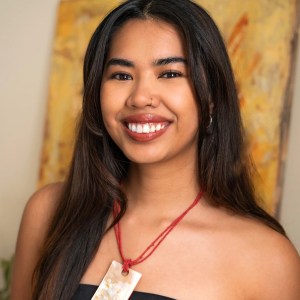
Xuewei (Eva) Hu enters the world of lighting design through curiosity rather than expectation. Stories were her first companions, vivid worlds shaped through film, television, and imagination while she spent long hours exploring ideas on her own. When she encountered live performance for the first time, something shifted. The way light transformed space felt like an invitation to step inside a different reality, and she followed that pull into a field where emotion and perception meet.
As a young designer, Eva builds her artistic language from close attention. She studies natural light, pays attention to how time moves across surfaces, and leans into the emotional impressions these moments leave behind. Her process is reflective and intuitive, grounded in rhythm, text, and a willingness to experiment until something true emerges.
Xuewei continues to shape her voice through collaboration, openness, and a devotion to meaningful storytelling in this edition of NEW TALENTS.
Growing up, I spent a lot of time on my own while my parents were working, and media became the way I explored the world. I lived inside stories and imaginations that kept me company and felt so much bigger than my everyday life. Those experiences sparked an early curiosity in me about storytelling. When I experienced my first live performance, I felt something shift. It was as if I had entered a different reality, existing in a different time. The visual language on stage was transcendent, and I was fascinated by how the lighting shifted the space and took me on an unrepeatable journey that felt familiar yet unreal.
My curiosity guided me down this path as I started wondering why something so ephemeral and poetic could be incredibly powerful. Light can support a story or make people feel something they don’t yet have words for. Even now, I still find inspiration by observing everyday life and noticing how lighting shapes the way I feel. Through lighting, I can express emotions that are hard to articulate in any other form. It allows me to translate my inner world into something visual and share experiences that feel deeply personal to me, yet universal to others.
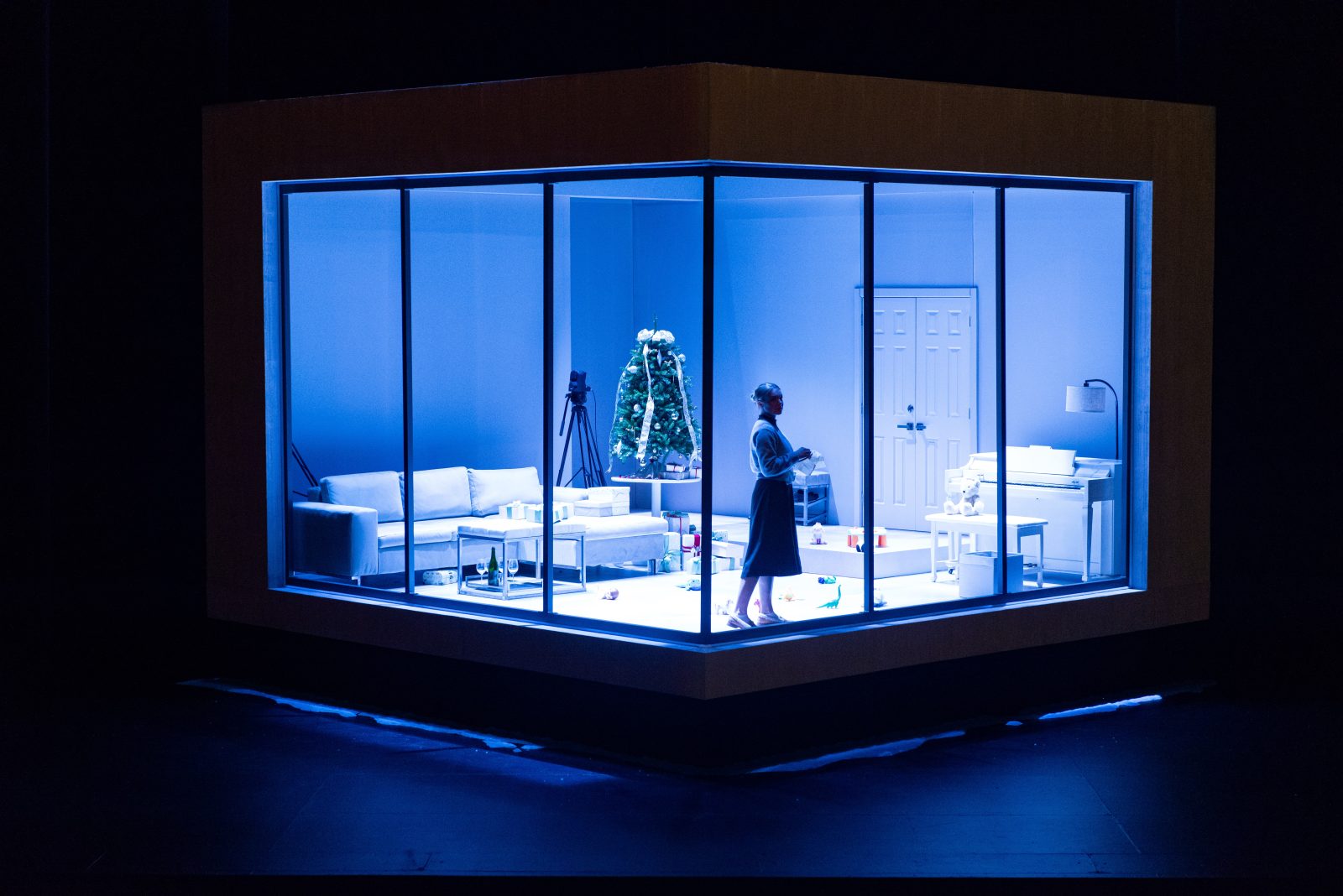
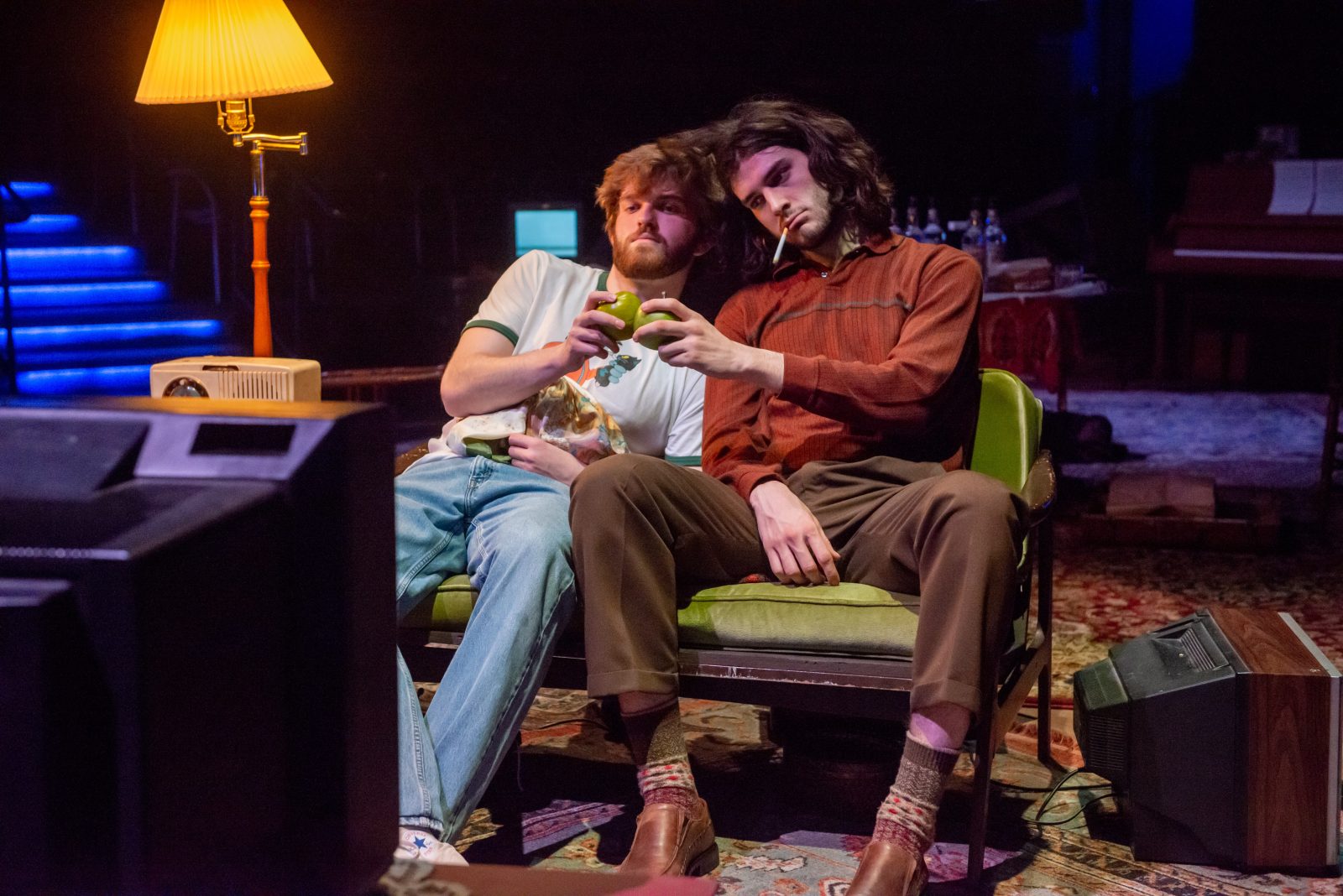
One of my favorite works is an early design I did for the one-act play Silence by Harold Pinter, directed by Benjamin Arsenault. At the time, I was figuring out how to move between spaces, timelines, and shifting focus among three characters without feeling forced. Lighting was driving the story as we went down the memory lane of each character, and I was struggling to make it feel right. What challenged me most was how easily the shifts could disrupt the pattern I was trying to establish.
That was when I learned to find the rhythm in the text and developed a better understanding of timing. I realized the story had its own pulse, and when I used longer fades and let the cues flow into the next, everything started to align. It became less about flipping between places and more about weaving memories together. The push and pull of the cues suddenly felt more organic, and the story was “breathing”.
It helped me to recognize the different needs for each story and how to better support it. The answer is always in the text.
I usually have a routine that I follow, but depending on the show, inspiration sometimes comes at unexpected times.
When I receive a script, I start with a rough read while pulling background research about the piece, the playwright, and the historical or cultural setting of what the world was like, what was happening around that time. It helps me build a general understanding of the story. I mark down anything that stands out to me, whether it’s lighting-related or not, and let the whole world start forming in my head first. I like to draw connections to things I personally relate to or moments from my own lived experience, because those parallels often help me visualize the setting and find the tone of the story.
From there, it becomes about reading the script many times when I can, letting ideas come and go, and writing down questions or thoughts as they develop. With the world brewing in my brain, I can start pulling research that feels right. I also love snapping photos wherever I go and using them as inspiration since I’m constantly thinking about the projects, and observing the world we live in gives me so much to think about. I write down random inspirations that come to mind, scribbles in notebooks, or use the notes app on my phone. It doesn’t have to be organized as long as I know where to find it. Even a few simple words help me clear my thoughts and understand where my ideas are coming from.
Get Off-Book, Skene’s free newsletter for artists and makers—plus the 2026 Performing Arts Survival Guide.
Dealing with imposter syndrome is one of the biggest challenges I face as an artist. When my art feels so tied to who I am, it’s easy to slip into that mindset of constantly needing to prove myself and wondering if I’m ever good enough. Creating while holding all that doubt can be overwhelming. I feel the pressure to work faster, think faster, and show that I belong in the room. And because of that, I’ve definitely hesitated on my instincts or held back ideas simply because I wasn’t sure if they were the “right” ones.
As I’ve grown, I’ve realized that everyone’s unique perspective is their strongest asset. My experience of the world shapes me and is part of my artistry. When moving forward, I remind myself that as long as I’m staying true to myself and my art, that’s enough. My goal is to be intentional and genuine, and I trust that authentic work will attract people who care as deeply as I do.
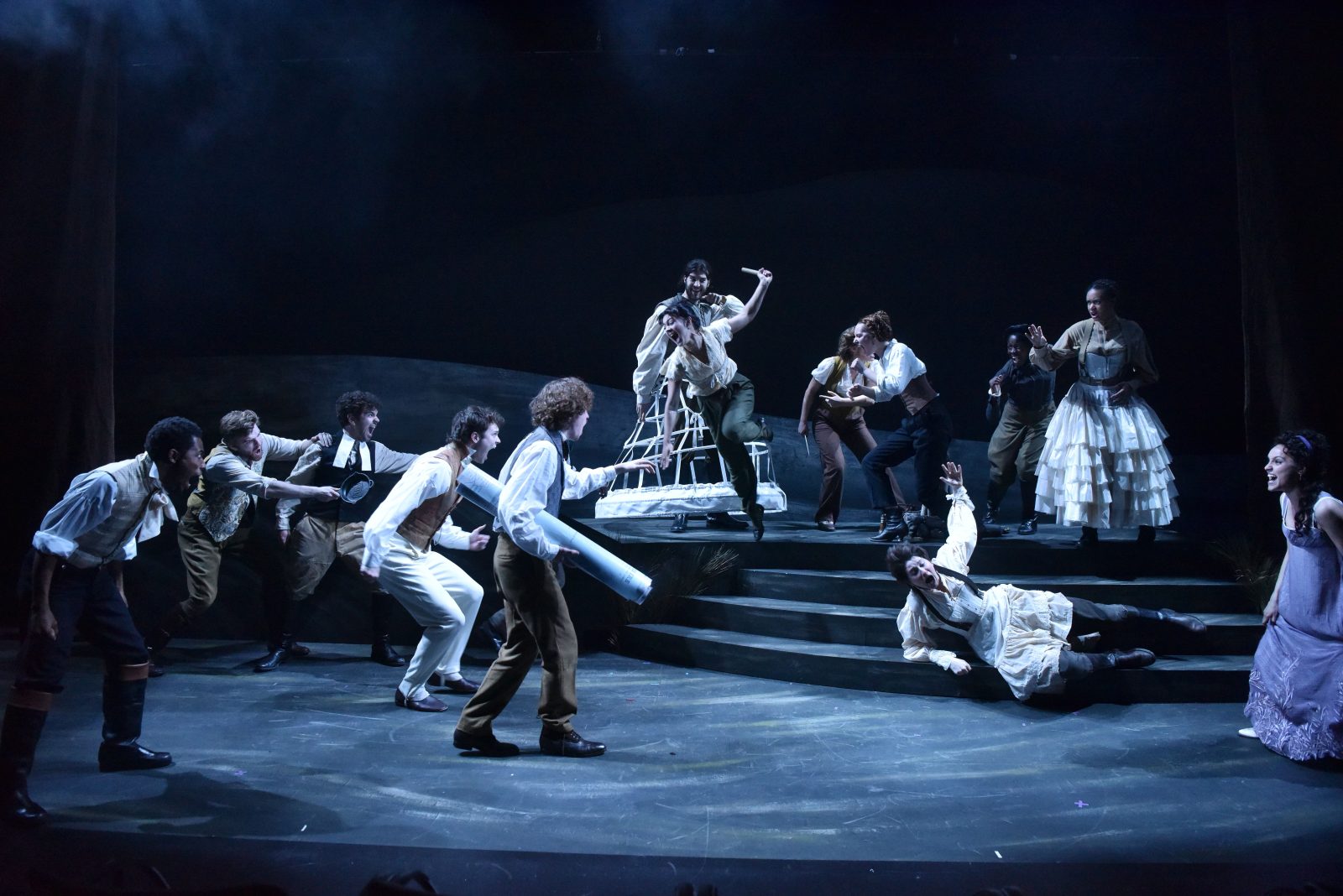
I love natural lighting and the way light exists in the world around us, natural light is the best lighting designer. I notice it most when I’m hiking or spending time outdoors, watching how it moves through the day and interacts with architecture. I always reflect on how those moments make me feel. Those observations have become a big part of my toolkit, helping me translate those feelings and perceptions into the lighting I create on stage.
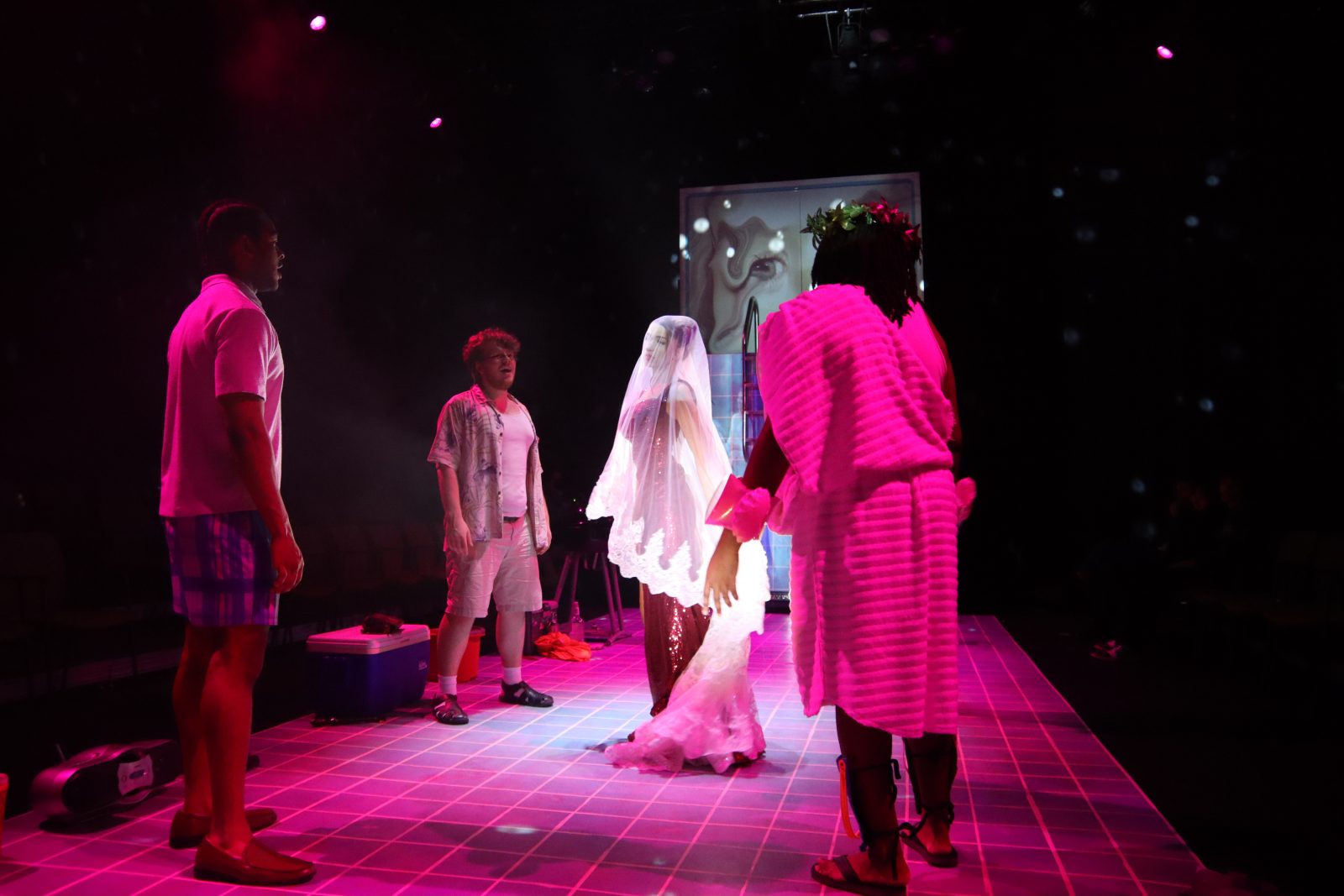
With technology developing so quickly, I think the most exciting thing in our field right now is how many new possibilities we have for storytelling. We can explore spaces and ideas that just weren’t available or possible before. Which lets us create worlds in ways that feel more immersive and imaginative. It’s exciting to see how these advancements open up new ways to shape feelings, and challenge new approaches to the narrative.
I would say to be open to different experiences and opportunities, because they often lead you to things you didn’t expect. Life doesn’t always go the way you plan, and the path is not always linear. Especially in the freelance world, everyone’s journey is different. Being open gives you the chance to explore something new, and there’s always something to take away from each experience. I’ve benefited so much from saying “yes” and welcoming redirection and challenges, and they’ve shaped me in ways I didn’t even know were possible.
I hope my work can create a little ripple inside people. Whether it’s a moment of joyful entertainment that makes you smile and feel warm, or something more intriguing that sparks new thoughts. That ripple can be cause from the moments you see in my work or from who I am as an collabrator. It might stir an emotional response or remind you of a person or a moment in your life. And that ripple, hopefully, can nudge something within you, encouraging conversations and inspiring curiosity to explore the world that impacts us all. Ultimately, it’s love and community that connect us. With everything happening in the world right now, it feels the most critical to create art and spread hope, something that can unite us and keep us going.
Share this story
We use cookies to optimize our website and our service functionalities.
Practical career guidance for performing arts artists and makers. Take it with you.