LATEST POSTS.

Get featured
on Skene!

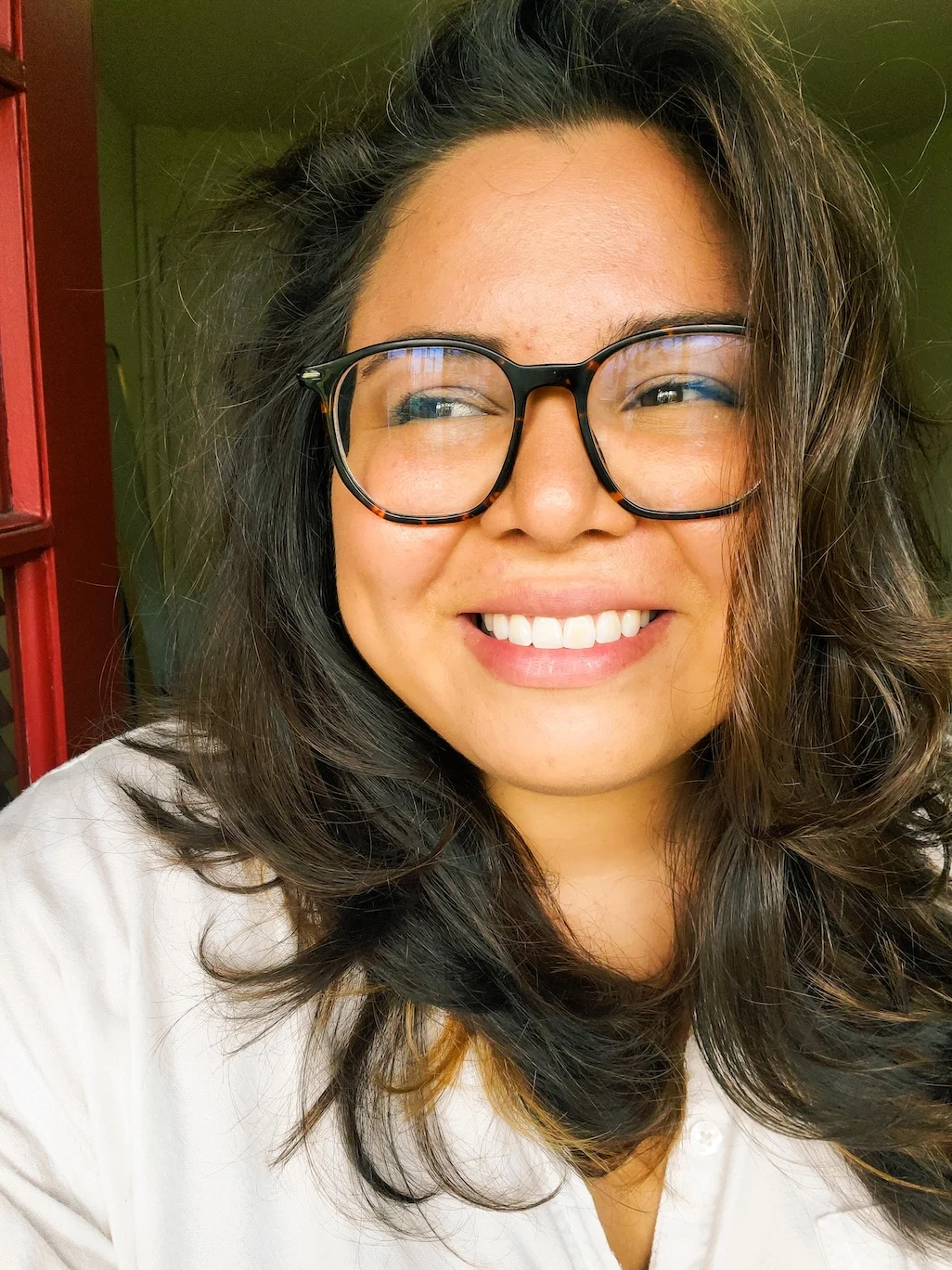
Alex Vásquez Dheming: Choreographing Light.

surce: Alexandra Vasquez Dheming.

Alex Vásquez Dheming did not grow up wanting to be an artist. She grew up in post-war El Salvador asking harder questions: why the embassy kids got to go home after bomb threats while everyone else had to go back to class. She was going to change the world through law, or international relations, or something that felt more direct than art.

Then, during a gap year marked by a near-death car accident and a dropped plan to study law in France, she walked into a performance of Un Día en la Vida, inspired by Manlio Argueta’s novel. Backlit dancers, Chaplinesque sequences of military brainwashing, a rural Salvadoran woman’s day on the edge of a civil war. She had never understood that dance could carry a story like that. Something shifted.

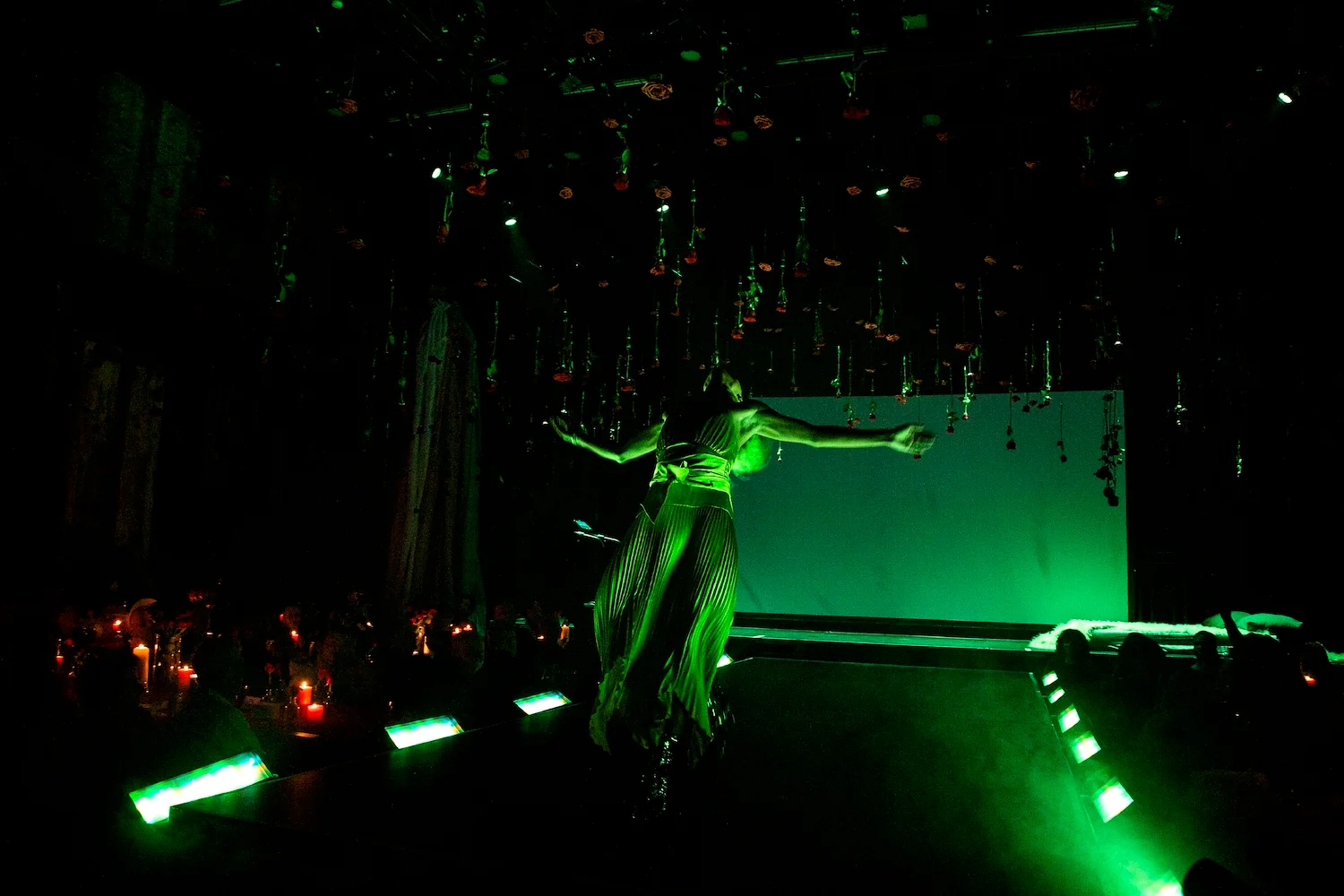
She enrolled in a Production Design BFA at SCAD, not entirely sure why, but knowing she was looking for a medium to tell important stories and change hearts. She found lighting almost by accident, postponing her intro class for two years out of fear of electricity. The first cueing assignment transfixed her. She describes it as choreographing light: a narrative without bodies or words, whole in its movement, rhythm, and emotion. She has not been able to shake that entrancement since.

In this edition of PROFILES.

advertising
partner content

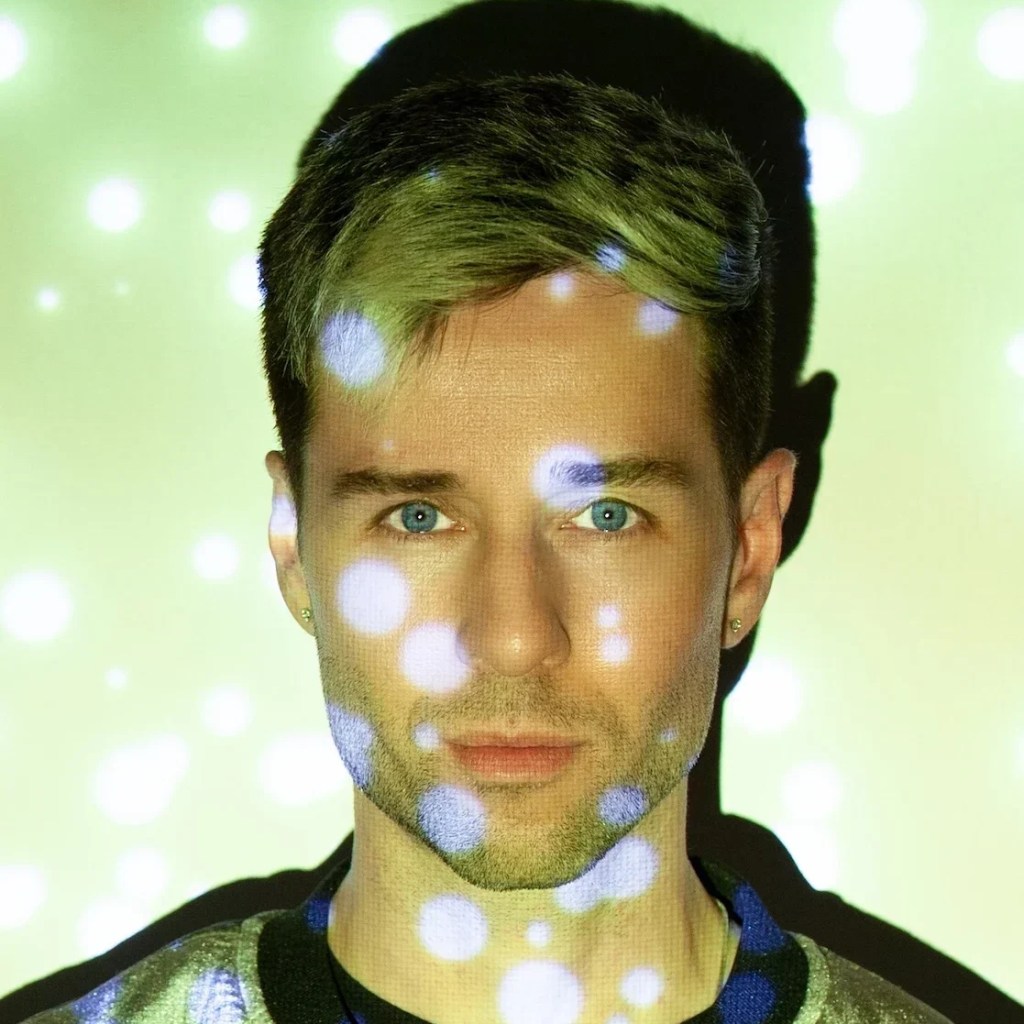
Alex Vásquez Dheming

she/her/ella
Lighting Designer
El Salvador
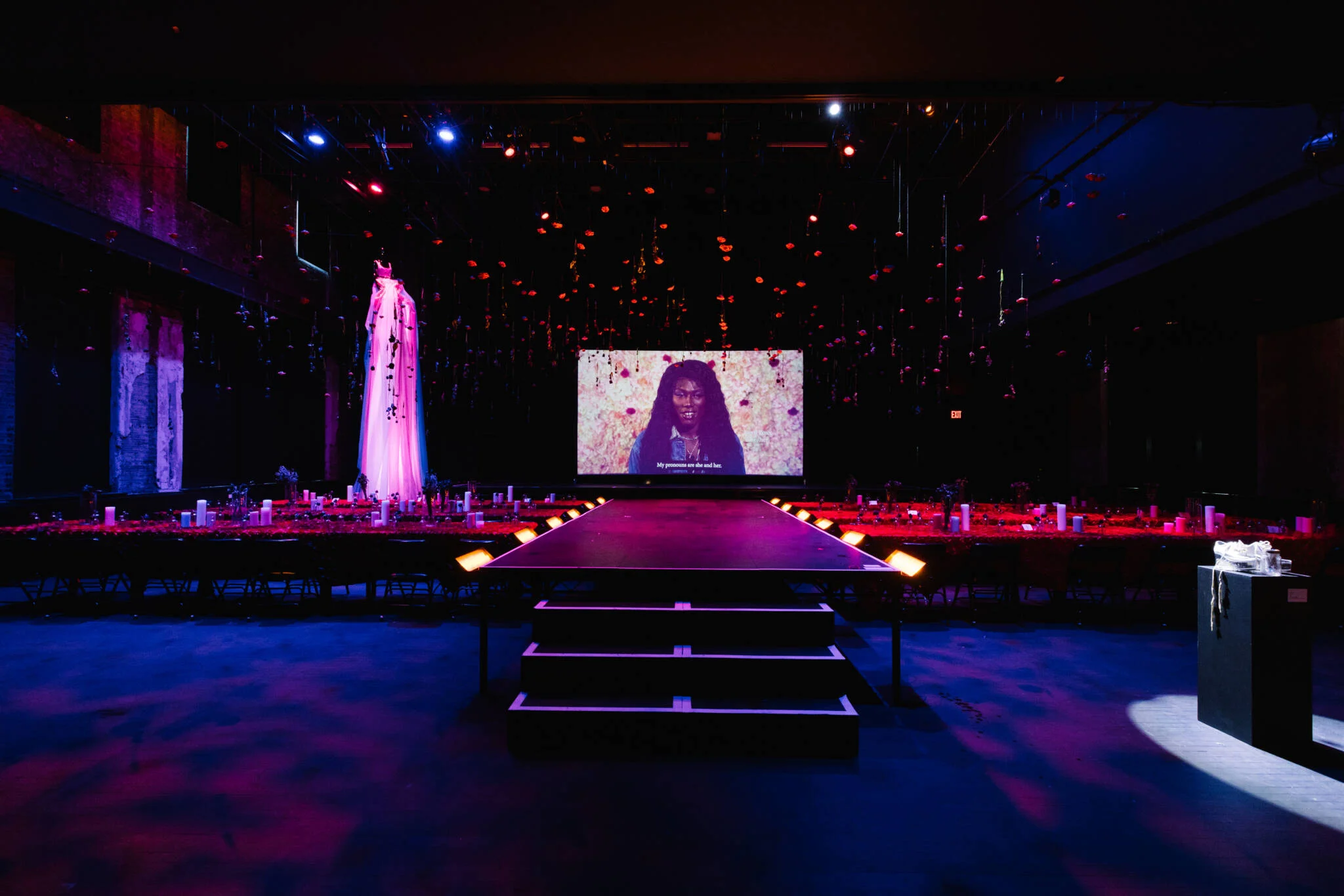
Transcendence Ball, source: Santiago Felipe.

1. What sparked your interest as an artist and how has that spark evolved over time?

I didn’t dream of being an artist. I was raised in Post-War El Salvador asking questions like “can we dig up the buried books under Agui’s chulas?” and “why do the embassy kids go home after bomb threats to the school, but we have to go back to class?” I figured I’d work in international relations (or be a vet/pastrychef/writer).

By 17 I wanted to change the world, and art was FAR from my focus. While navigating a confusing gap year (I dropped plans to study law in France and had a near-death car accident) I attended a production of Humanum Tempore’s ‘Un Día en la Vida’. Inspired by the Manlio Argueta novel, it portrayed a rural Salvadoran woman’s day in the precipice of our civil war. I was entranced by Chaplinesque sequences of military brainwashing, and backlit hammocked dancers crafting death squads. I had never realized dance could convey such narratives.

After months deliberating whether I would “waste my life” by going into the arts (versus an Environmental Studies degree), I accepted a Production Design BFA offer at SCAD. I couldn’t articulate it then, but I was seeking a medium to tell important stories, inspire action, and change hearts.

Twelfth Night, source: Maza Rey.

2. Can you share the story behind one of your favorite works and what it means to you?

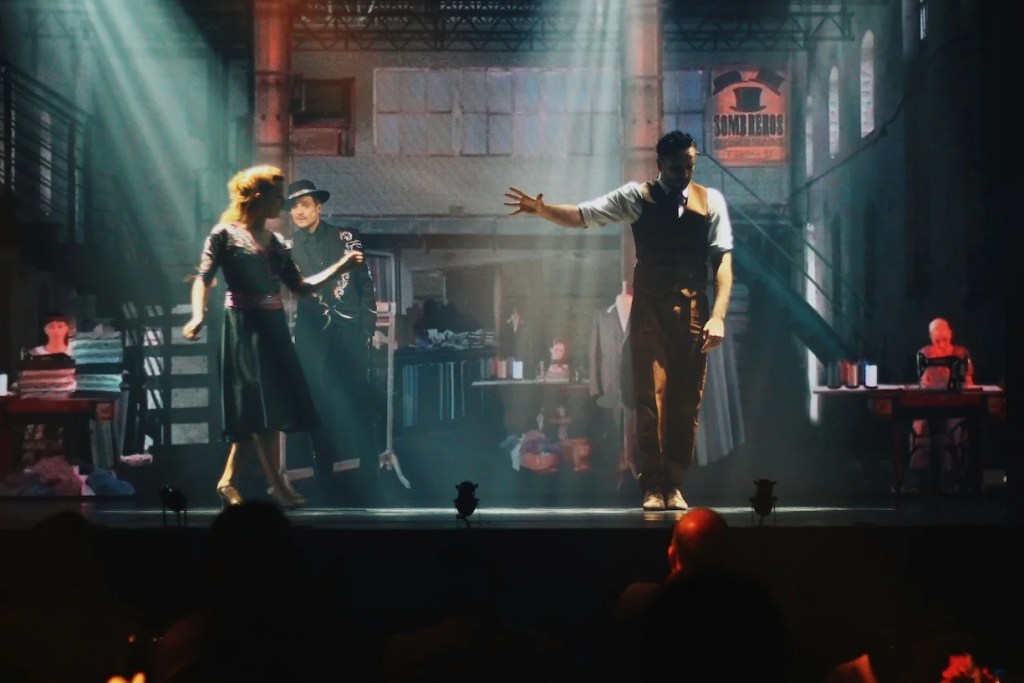
Dime Quién Soy by Nélida Tirado.
Carolina Ortiz, an amazing designer, friend, and mentor put us in touch. Neli emailed me about a flamenco show she was “revamping” at a CUNY Dance Initiative residency. I turned down even talking about it because I was booked. My tour suddenly got cancelled, and I wrote back hoping she hadn’t hired someone yet. She thankfully hadn’t finalized conversations, and sent me all the info in one email (the catalyst behind the show, venue details, full residency dates, that it was scheduled for Jacob’s Pillow and Albuquerque Flamenco Festival that summer, etc). I was so intrigued and furiously tried to arrange a phone call. We ended up talking at like 10:30pm (I never do work calls this late!). We hit it off immediately: she has the most passionate, fun, and warm energy. It was the first time I worked with so many kind, inspiring, hilarious, and HARD-WORKING Latinas. The music by Gonzalo Grau is stunning, and the poetry so heartfelt. I cherish every time we get to put up this gorgeous show. It’s ultimately a story of rigor and grit and love, and claiming/forging one’s multifaceted identity when the world wants to pigeon-hole you.

Transcendence Ball, source: Da Ping Luo.

3. What is your creative process—do you follow a routine or does inspiration come spontaneously?

A bit of both. It mostly depends on what else is happening in my life, what kind of project I’m working on, how many at the same time, and in which phase they are. Occasionally, I’ll be working on a project and there’s a sense of synchronicity where everything feels like it’s related or informing. I like to soak myself in research – I want to know everything about the world we’re creating: the character’s backstory, everyone’s motivation, the world/history/current events/music/fashion/décor surrounding them, so that once I’m making specific decisions everything has a dramaturgical reason, and any “inconsistencies” are intentional choices. I don’t know if this holistic approach comes just from curiosity, or because I trained as a production designer before doing lighting design (maybe both?).
For dance, my light plots are often due before I’ve had a chance to see full choreography, which gets tricky! In these cases, I want to sit in rehearsal whenever possible so I can at least get the movement vocabulary down, and have conversations with the choreographer about their intentions and inspirations, or if they have specific lighting ideas. If I’m not in the same city then videos become non-negotiable.

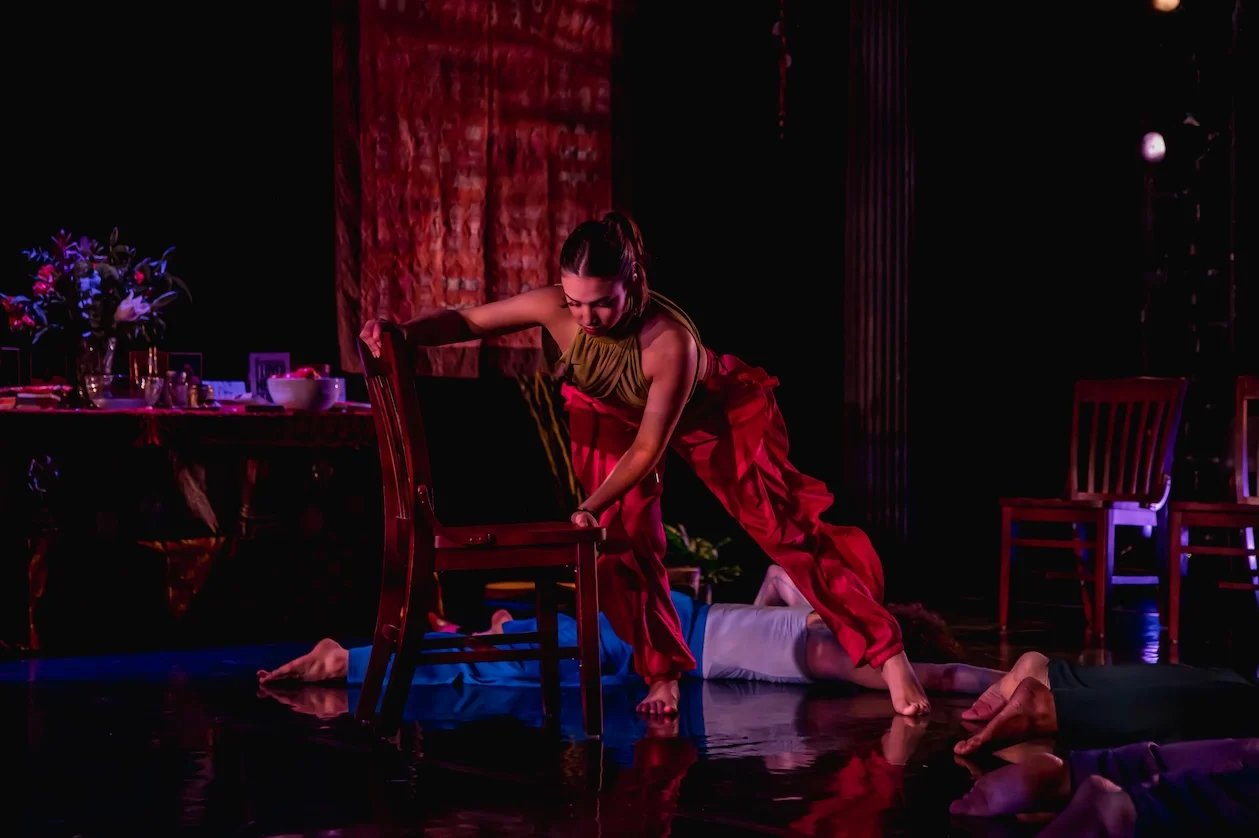
The Wild Party, source: J Abreu.

4. What has been your biggest challenge as an artist and how did it influence your growth?

The business and advocating for myself. We are privileged to do what we do: not everyone gets to create art for a living. However, we still do have to make a living, and the passion tax is deadly. Because we love what we do, and there are many others who would love the opportunities, designers are often offered embarrassingly low fees. The industry favors those with a cushion under them who can take the low pay to get their foot in the door. But that only allows a certain kind of foot in the door.
There is an old adage I was recently asked about: “don’t be an electrician if you want to be a designer”. But how do you pay rent when you’re starting out if you don’t work? There is a lot of “starting out “advice being passed down for decades that relies on someone else paying your living expenses.
I used to struggle advocating for myself in contracts and addressing late payments. I even took it personally when I was offered a low fee, but once I learned what my friends were negotiating for in their contracts, and that Latinas are the lowest paid demographic, I lost my money shame.

SPACE, source: Titus Ogilvie-Laing.

5. Who or what inspires you the most, and how is that reflected in your work?

I’m not sure what inspires me the MOST. I love truth, I love light, I love beauty, community, human connection, dance, nature and learning. I’m also pretty idealistic.

I found lighting as an artistic discipline almost by accident. I had to take an Intro class in college that I postponed until my third year [due to a fear of electricity- there was faulty wiring in my childhood home that gave us small shocks in the kitchen and bathroom which led me to believe electricity was a wild unpredictable beast]. During our first cueing assignment I became transfixed. It was choreographing light: a narrative without bodies or words, whole in its movement, rhythm, time, and emotion. The expressionistic and ephemeral nature of light and its poetry resonated within me, and I haven’t really been able to shake that entrancement since. I love a dark room especially- last Spring I had a lot on my mind as I was packing up my life to move up to Connecticut after a decade in NYC, and I was helping pre-program an event for a friend. I fully lost track of time mixing colors and making effects for 3 hours- but it was so meditative for me (and he enjoyed my insanely specific Color Palette names).

When my grandma died in 2021 and I wasn’t in El Salvador for it, it broke me. have a letter fromher in which she had written that she was sad that I was leaving again, but she understood that my life was elsewhere [in the US]. After losing her, I told myself that everything I did here had to be worth not being there. It was a very specific North Star, and for a time, especially right after the pandemic when I felt so lost, it did drive me. Of course, that amount of pressure/grief put upon my work was unhealthy, and led me to intense burnout. At this point, I just want to make great work with good people and give life to stories that need to be told.

Purple, source: Effy Grey.

6. What do you think is the most exciting thing happening in your field right now?

I love seeing “newer” voices getting their flowers. I love seeing Cha See, Stacey Derosier, Isabella Byrd, Jenn Schriever, and more incredible and exciting women being celebrated.

7. What advice would you give to artists or creatives who are just starting out?

I’ll cheat and share three:

1- Lead with your values and stay true to yourself. I think that will take you to the places where you need to be; it’ll guide you to meet the people who share your ideal, vision, and goals. Very early in my career, the incredible Jane Childs shared her husband Don’s mantra: “Integrity is all we have: an artist without integrity has nothing.” Recently I keep coming back to Macklemore’s “Change the game; don’t let the game change you.”

2- Do it scared. At the beginning of my career I had no backup plan (I still don’t). As an immigrant artist I have never been allowed to have a side-hustle, or a day job, or even time “to go home to save up before moving to the city”. I personally bought a bus ticket from Jacob’s Pillow, where I was interning the summer after college, and moved to NYC without a job. I suppose the pressure to make it work was bigger than the fear and the anxiety, but even now there are still moments of fear and anxiety and it’s just “do it scared”.

3- from my mom – “Friends are worth more than money.”

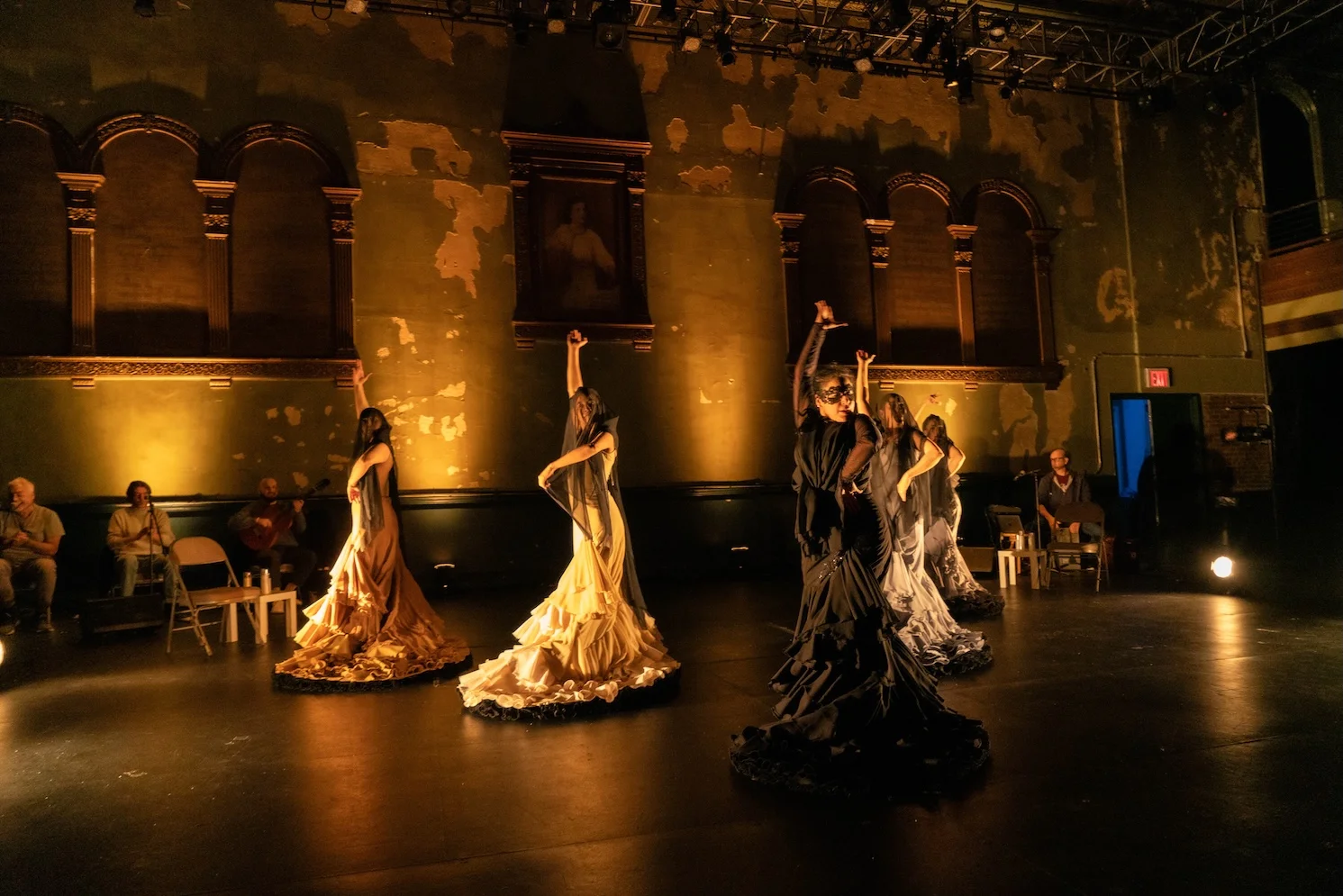
Misa Flamenca, source: Mikaela Baird.

8. How do you hope your work will connect with people or leave an impact?

I started joking a few years ago that I got into lighting design to manipulate emotions. I’m going for the subconscious more than the conscious. There are so many things that our bodies do in response to light and color and rhythm and darkness that we have no control over, and that is so fascinating to me. I want to make things feel familiar and comforting, or unsettling and alien depending on what’s needed. I really believe in “Art should comfort the disturbed and disturb the comfortable.”
There are many wonderful lighting designers who work with realism, and they do surgeon level work matching angles and recreating exact color temperatures of a moment and place, but I consider myself more of an expressionist (a romantic at times). I am more interested in synecdoche and abstracts that the audience can fill in with their lived experience or imagination.
I hope that my lighting allows (encourages? forces? :)) people to open up to their own feelings.
Another big goal for me is also about connecting with the people I am creating with. I think the work is so much stronger when the creators have deep respect and love for each other’s craft.

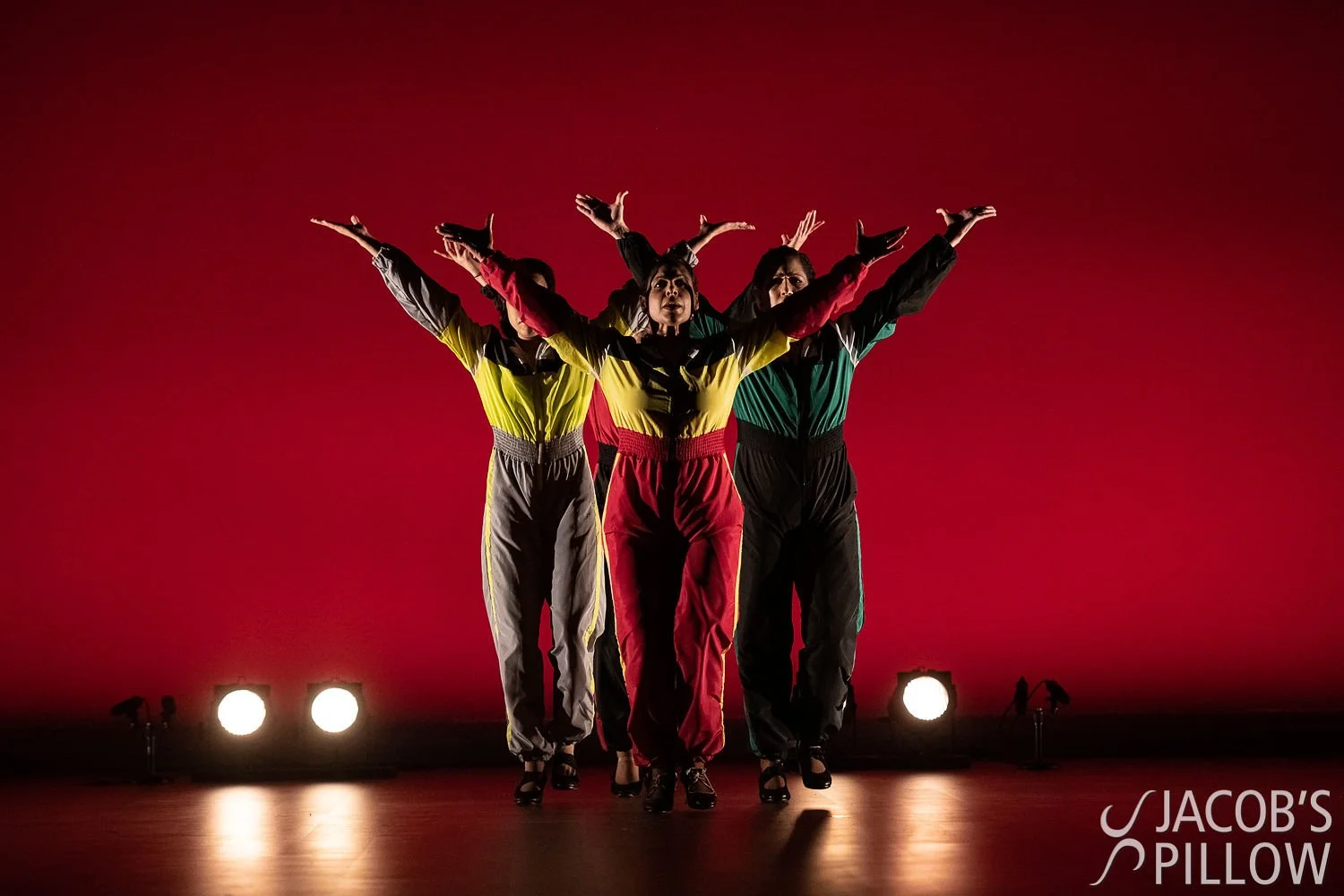
Dime Quién Soy, source: Christopher Duggan.

Support artists—share this

More like this, twice a month.

Off-Book is the Skene newsletter for artists and makers. Profiles, opportunities, and editorials, free. New subscribers also receive the 2026 Performing Arts Survival Guide.

About the Author

Leave a Reply

Your email address will not be published. Required fields are marked *

Abingdon Theatre Company - Season 34

RELATED POSTS.

FREE FOR ARTISTS

Get the 2026 Performing Arts Survival Guide.

Practical career guidance for performing arts artists and makers. Take it with you.