Latest posts.

Get Featured or Publish with Skene!

Nia Safarr Banks: Meaning Lives in Collective Work.

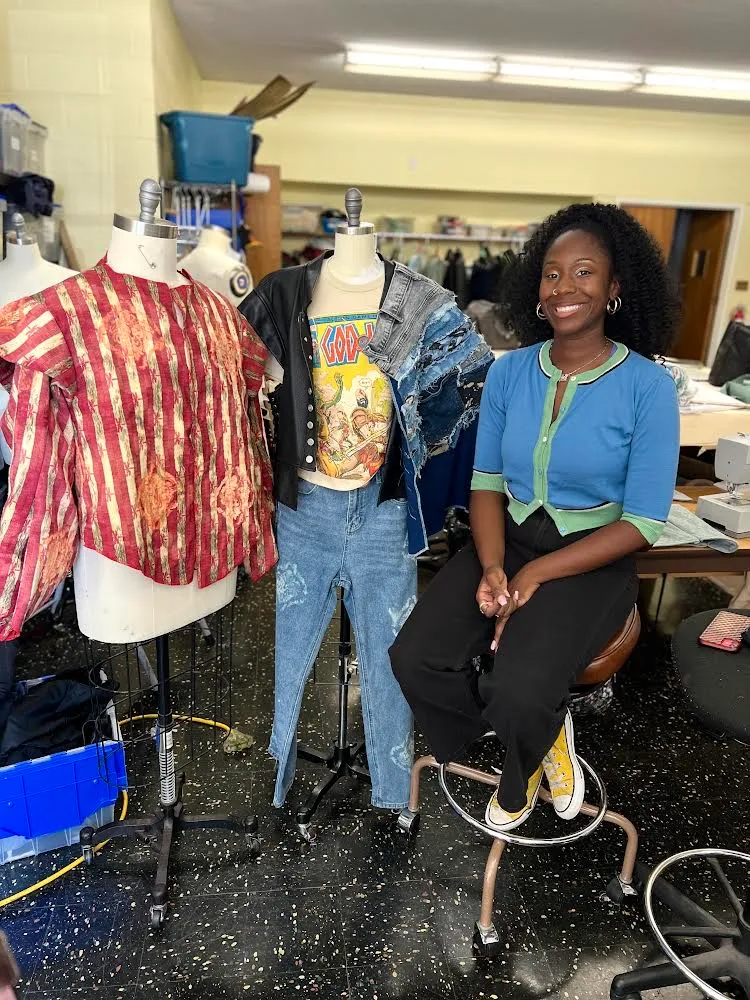
source: Nia Safarr Banks.

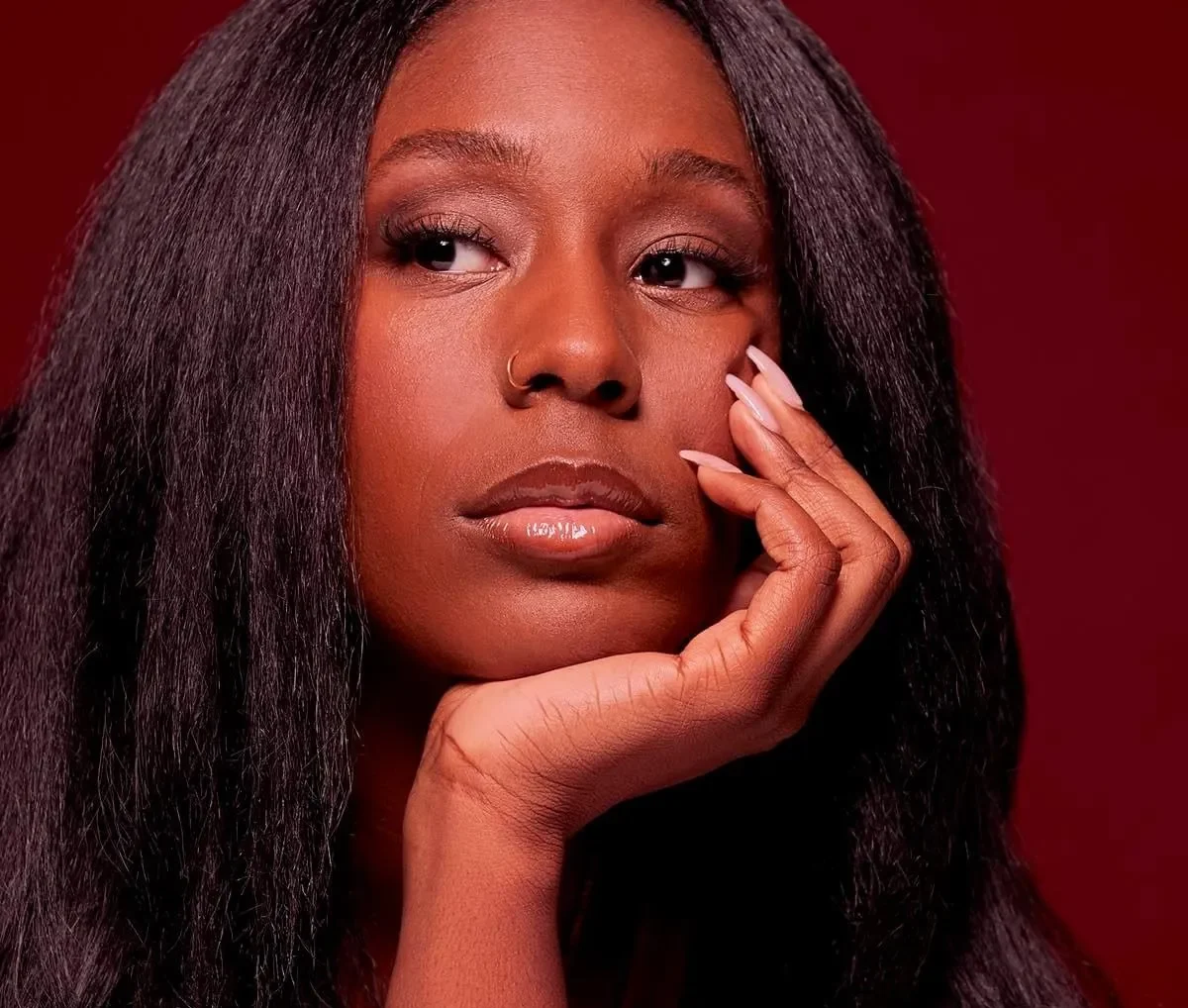
Nia Safarr Banks designs from the inside out. Before a single sketch is made, she is asking who this character is, how they carry themselves, what they need the world to see and what they are hiding. Her work as a costume designer is rooted in character psychology, in the belief that what a person wears is an extension of who they are and who they are trying to become.

Her path into the field grew from a love of design and human connection, two forces that have only deepened with time. She works without a fixed process, sometimes beginning with research, sometimes with observation, walking through cities and watching how people move and express themselves in the world. What remains constant is her commitment to sitting with the work before acting on it, and to the collaborative relationships that help her see more clearly.

Collaboration has also been her greatest teacher. Navigating miscommunication and misaligned expectations has pushed Nia to communicate with more precision, to advocate for structure while staying open, and to build the kind of trust that allows a creative team to take real risks together.

Her curiosity, her craft, and her belief that theatre is always a collective act unfold in this edition of PROFILES.

partner content

Nia Safarr Banks

She/Her
Costume Design
United State
An Octoroon, source: Tom Topinka.

1. What sparked your interest as an artist and how has that spark evolved over time?

What first sparked my journey as an artist was a love of design and connection. Over time, that spark evolved into a deeper interest in the psychology of dress. How color, texture, and silhouette influence emotion, behavior, and identity. I’m fascinated by how a garment can shift posture, confidence, and presence.

For me, Costume Design is more than aesthetic. It’s about understanding people,collaborating closely, and translating character and their inner life into something visible. What began as a love of design has grown into passion for using clothing to tell honest, human stories.

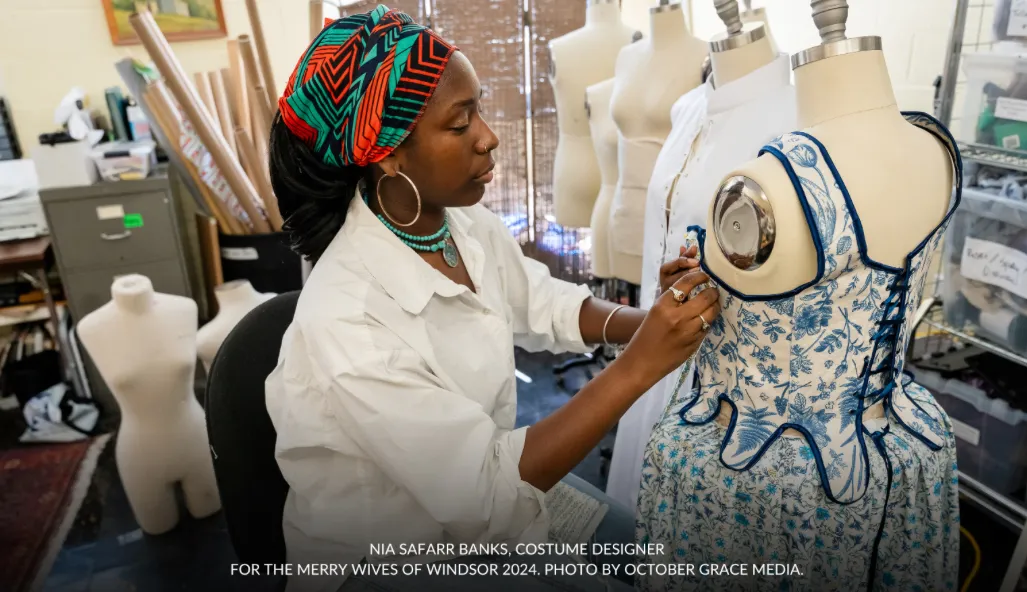
Merry Wives of Windsor, source: October Grace Media.

2. Can you share the story behind one of your favorite works and what it means to you?

As a Costume Designer, I’ve been fortunate to contribute to many meaningful productions, which makes it difficult to choose a single favorite. Each project holds its own unique challenges and triumphs. What resonates most with me isn’t one specific design, but the collaborative spirit behind the work.

Theatre is inherently a team effort. While time constraints and limited resources are always part of the process, I find the most fulfillment in the moments when the creative team can pause to dream, experiment, and explore ideas together. When directors, performers, and designers openly share their perspectives, the work becomes richer and more intentional.

Those collaborative exchanges where imagination is sparked and trust is built are the experiences I value most. They remind me that Costume Design is not just about clothing a character, but about contributing to a shared vision. The meaning behind my favorite works lies in that collective creativity and the relationships formed along the way.

Hamlet, source: October Grace Media.

3. What is your creative process—do you follow a routine or does inspiration come spontaneously?

My creative process changes with every show. Sometimes it begins with close analysis and research; other times it starts with walking through different cities and spaces, observing how people move and express themselves.
No matter the starting point, I always pause to sit with the work before making decisions. Collaboration is essential. Working closely with the director and fellow designers helps refine ideas, deepen character, and shape the world of production.

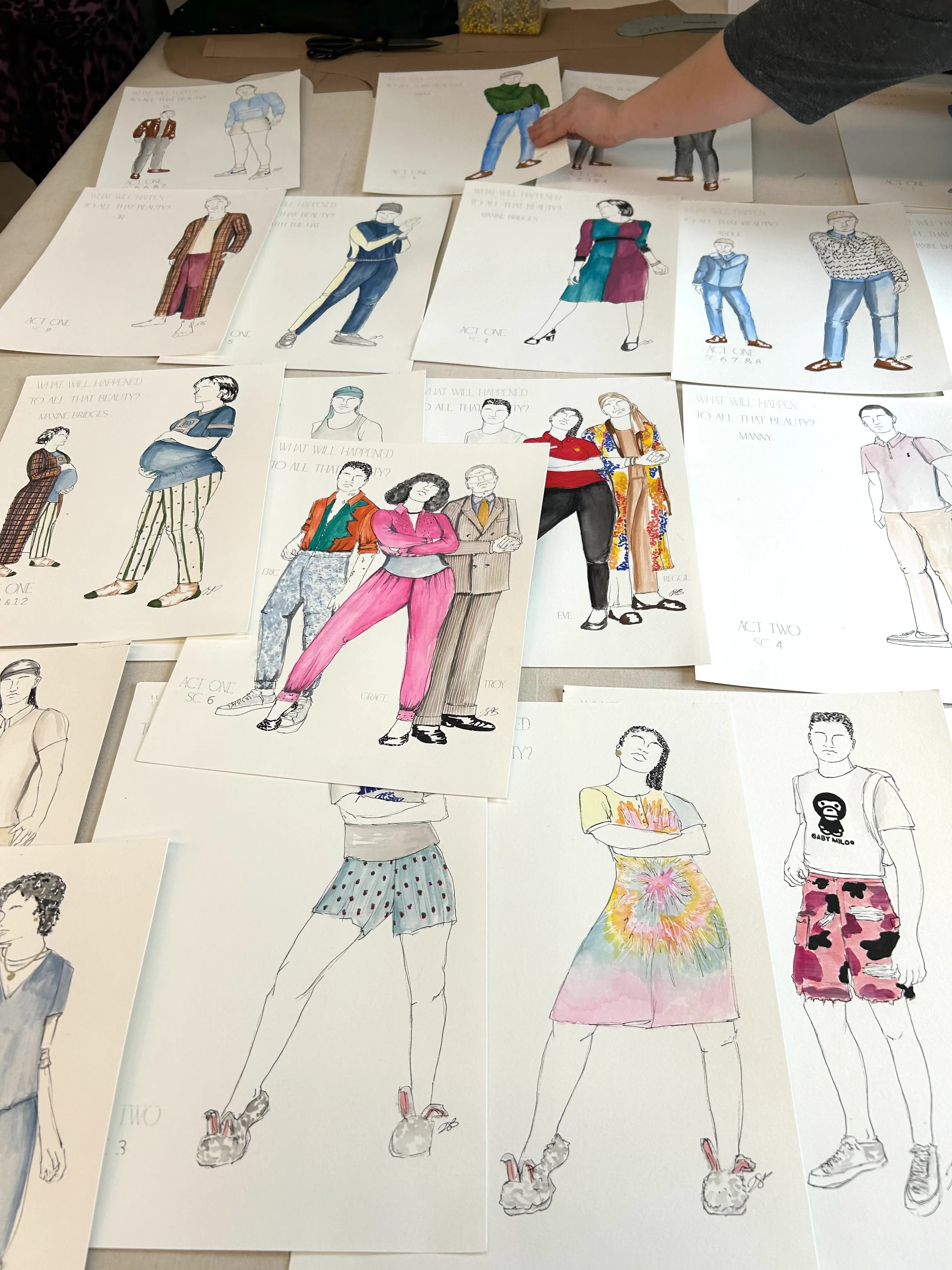
Costume Renderings for What Will Happen To All That Beauty, source: Nia Safarr Banks.

4. What has been your biggest challenge as an artist and how did it influence your growth?

One of my biggest challenges as an artist has been navigating collaboration. While I genuinely love working with directors, fellow designers, and other artists, collaboration can sometimes open the door to miscommunication and misunderstanding. Facing that challenge has been a major part of my growth. It’s taught me how essential clarity is. Clearly define roles, transparent communication, and mutual accountability. Not only for others, but for myself also. I’ve learn to ask more questions, to articulate my ideas with intention, and to make sure expectation are aligned.

Rather than becoming discouraged, I’ve used these experiences to strengthen my professionalism and leadership. They’re pushed me to be both flexible and firm. Open to collaboration while also advocating for structure. In the end, those challenges have deepened my respect for the process and made me a more thoughtful, communicative artist.

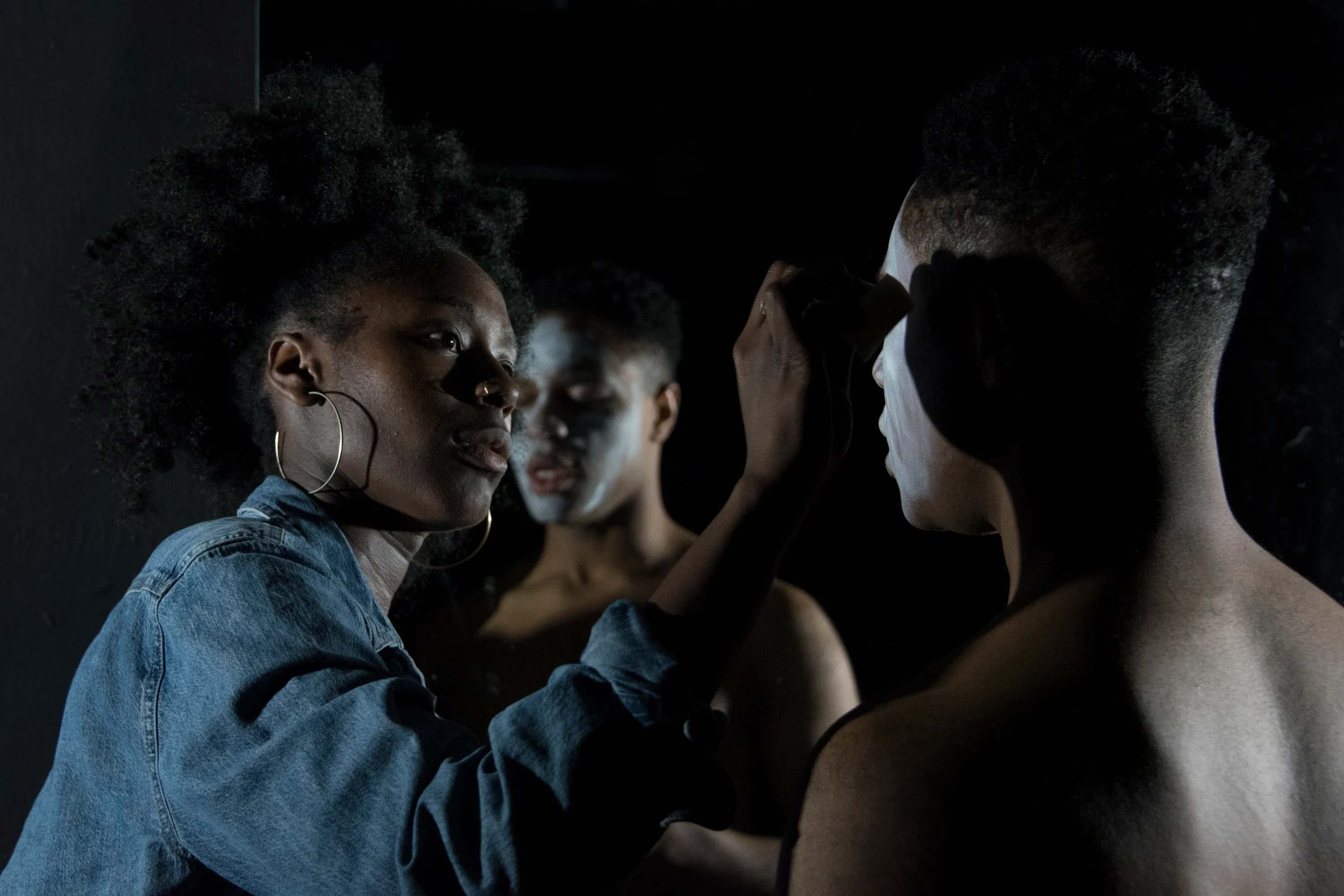
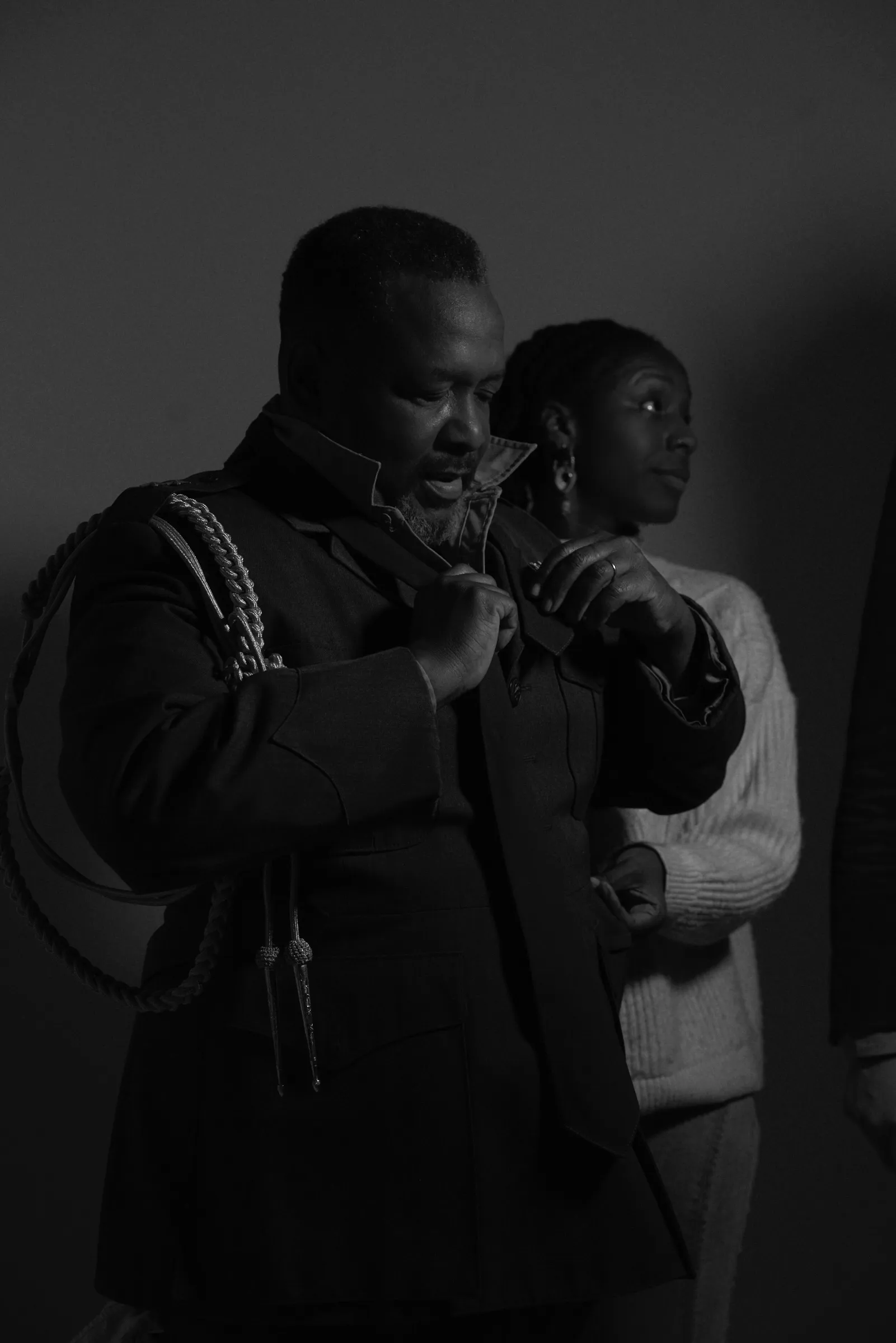
Othello, source: Patrick Shaw.

5. What do you think is the most exciting thing happening in your field right now?

Representation. It’s amazing to see people of color on stage, but also behind the scenes.

6. What advice would you give to artists or creatives who are just starting out?

Always be yourself! And take care of yourself, first!
We tend to forget about being human during the process. We can’t design or support shows about life, if we don’t have one.

source: Nia Safarr Banks.

Support artists—share this

Master Your 2026 Career.

Get our free Survival Guide for Actors, Directors, and Designers.

About the Author

Leave a Reply

Your email address will not be published. Required fields are marked *

partner content

Related Posts

BACKSTAGE PASS

Master Your 2026 Career.

Get our free Survival Guide for Actors, Directors, and Designers.