Emilio Bastré: Fragile Enough for a Strong Connection.
Emilio Bastré is a Mexican actor and member of the Compañía Nacional de Teatro whose work lives at the intersection of freedom and craft.

Emilio Bastré is a Mexican actor and member of the Compañía Nacional de Teatro whose work lives at the intersection of freedom and craft.

Six essential plays by Black British playwrights that American theatres should be producing — from Natasha Gordon to debbie tucker green.

Meet Mexican lighting designer Victor Zapatero, whose work blends observation, emotion, and creative intention. Discover his artistic philosophy.

Actor and playwright whose work moves between personal honesty and theatrical confrontation, building stories that leave no edges sanded down.

Scenic designer and Skene founder on community, mentorship, and building a creative career, in conversation with Mitzi Avila of Creative Blueprints.
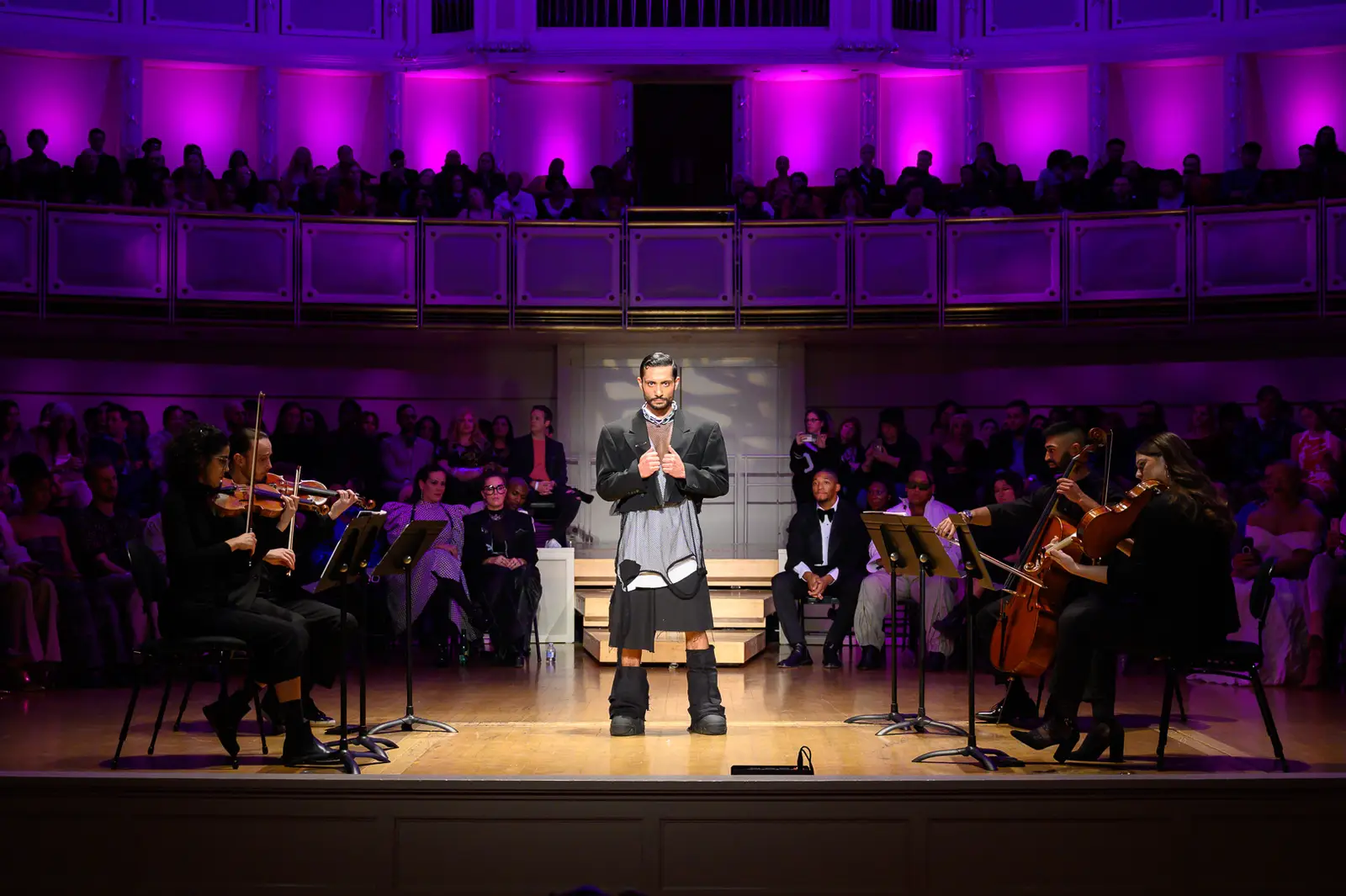
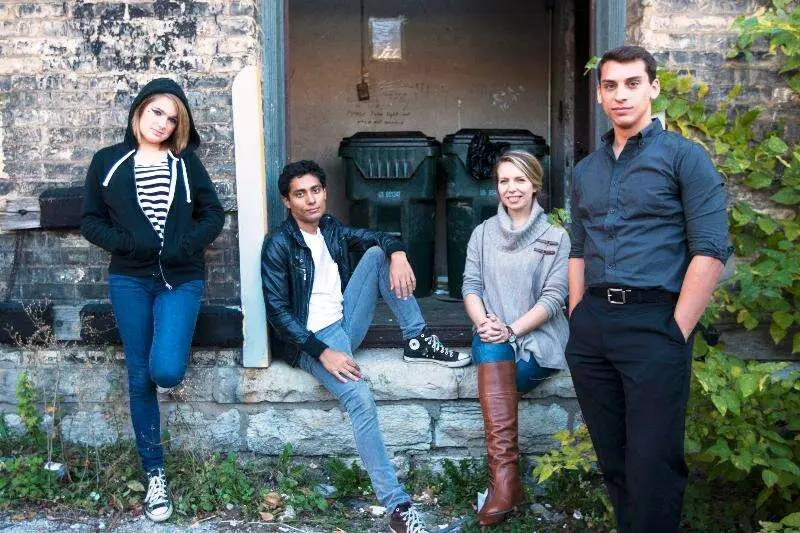
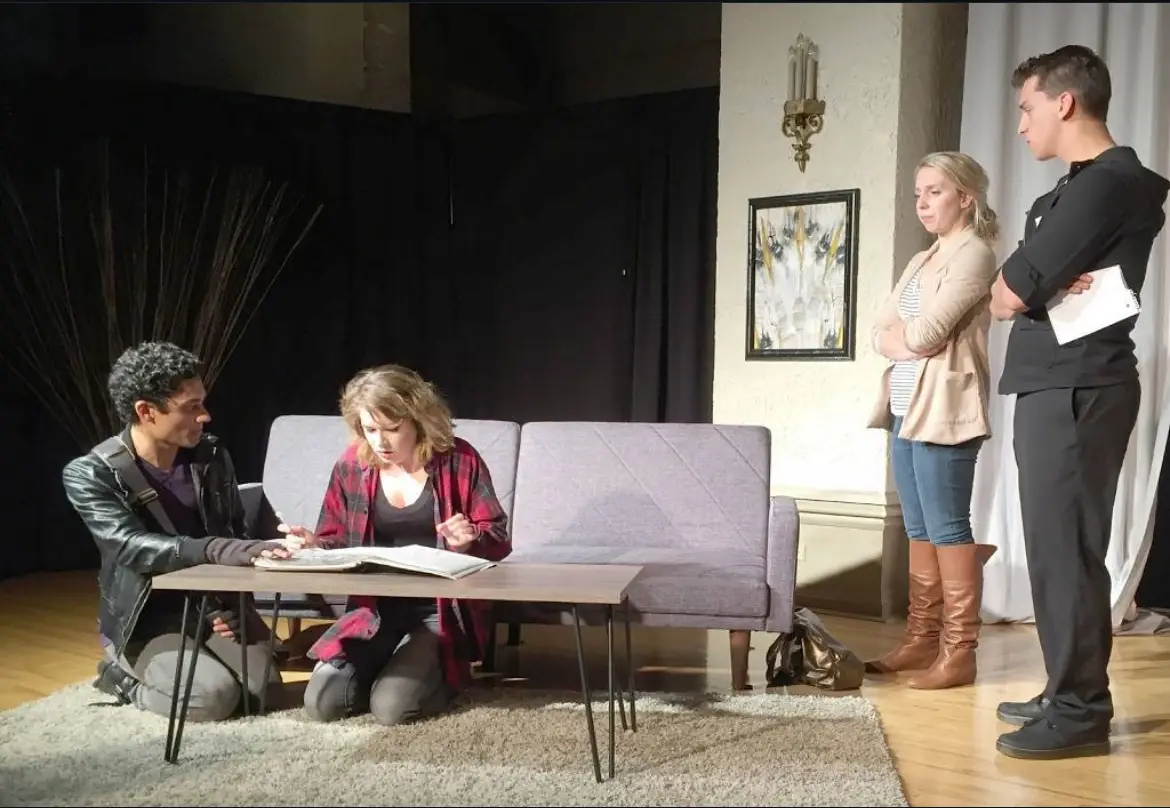
Chris Sylvie moves through the world like someone who was born with a spotlight in his chest—not for show, but as a guiding force. Actor, director, and model, Chris doesn’t just tell stories—he shapes spaces where language, movement, and identity collide in unforgettable ways. He’s drawn to projects that challenge form and feeling, and you can feel that hunger in the way he speaks about his craft: not as something he performs, but something he lives.
Whether navigating the chaos of a rehearsal room or the quiet pulse of creative doubt, Chris brings a sense of purpose that’s both personal and expansive. He’s the kind of artist who reminds us that theatre isn’t just a space—it’s a way of seeing. In this edition of PROFILES, we step into that vision.
My journey in the arts began when I did my first play that I wrote for a competition when I was in elementary school. A friend of mine that I went to school with asked if I would be interested in being apart of her group and I ended up doing a whole lot more than performing and being involved in many aspects of the production. That eventually got me into enrolling in a theatre class in middle and doing more plays. After high school I went on into majoring in theatre (performance/directing) in university and then continuing on professionally afterwards. Theatre has always been apart of my life in some way whether it be onstage or off. I enjoyed the process through and through and I always entered with enthusiasm.
I really enjoy whenever I direct. I tend to find projects that are really special and one of kind, but also touching which is the kind of work I am most drawn to. I directed a full length production called The Soccer Player in the Closet and the play covered a variety of genres, featured three different languages, and was challenging in terms of staging from both an acting and technical perspective. It was complex and I truly appreciated the artist I got to connect with while doing it and got good feedback from the audience.
I think there are certain stables or methods I rely on in every process, particularly my viewpoint training, but every process I am involved does require its own routine. I learn new things and techniques with every production, so my toolbox that I pull from grows my artistic journey goes on.
My biggest challenge as an artist would be anytime doubt creeps in or when someone tells me “no.” It’s a word I don’t like hearing and I think we all have a inner critic who tries to convince us that “no” is truth, however, I don’t let that get me down and try to find that “yes.” I those challenges give me drive to prove myself wrong and that I can do it. That is what always gives me a sense of accomplishment.
I am most inspired by the other artist who I get the opportunity to work with. I’ve been lucky to work with a lot of great people and I can find something wonderful in almost anyone I work with. I think the beautiful thing about being an artist is that everyone brings someone unique to the table. I am also inspired a lot by music and dance, especially music videos. I think it’s a wonderful form of storytelling and makes for beautiful imagery as well.
I think we are in an interesting turning point with art to where we are starting to see younger artists emerge with unique and creative ways of storytelling. Folks are more will now to take chances and be more reflective about what is missing in our current artistic landscape. Filling in those blanks is what is really exciting right now.
See any work you are able to. I think that is how you are able to meet other folks in your industry as well as find out about what kind of work you like as an artist. It can really open your mind and your path. Also, I think that when your starting out say yes to projects. It’s builds a lot of character and gets you out there and is a great way to learn and get that experience.
That is all I can really ask for as an artist. I really want my work to speak for itself and resonate with people. I think that’s what connects us to the arts. It say something. We feel something by observing it.
Also, art is most interesting to me when it’s multidisciplinary.
Support artists—share this
Off-Book is the Skene newsletter for artists and makers. Profiles, opportunities, and editorials, free. New subscribers also receive the 2026 Performing Arts Survival Guide.
We use cookies to optimize our website and our service functionalities.