Sacred Hidden Symbols: The Most Ancient Religion.
Jay Duckworth explores theater’s sacred origins, tracing how performance began as ritual and endures as humanity’s oldest art.

Jay Duckworth explores theater’s sacred origins, tracing how performance began as ritual and endures as humanity’s oldest art.

In-depth interview with director Rebecca Miller Kratzer on collaboration, intuitive process, and redefining leadership in theatre.

Composer Jaimie Pangan on discipline, indie storytelling, and creating music that connects emotionally across film and games.

Explore how meditation and mindfulness can support theatre artists with focus, presence, emotional regulation, and creative sustainability.

Mexican artistic director Rebeca Garro reflects on theatre as a tool for social change community engagement and ethical storytelling.
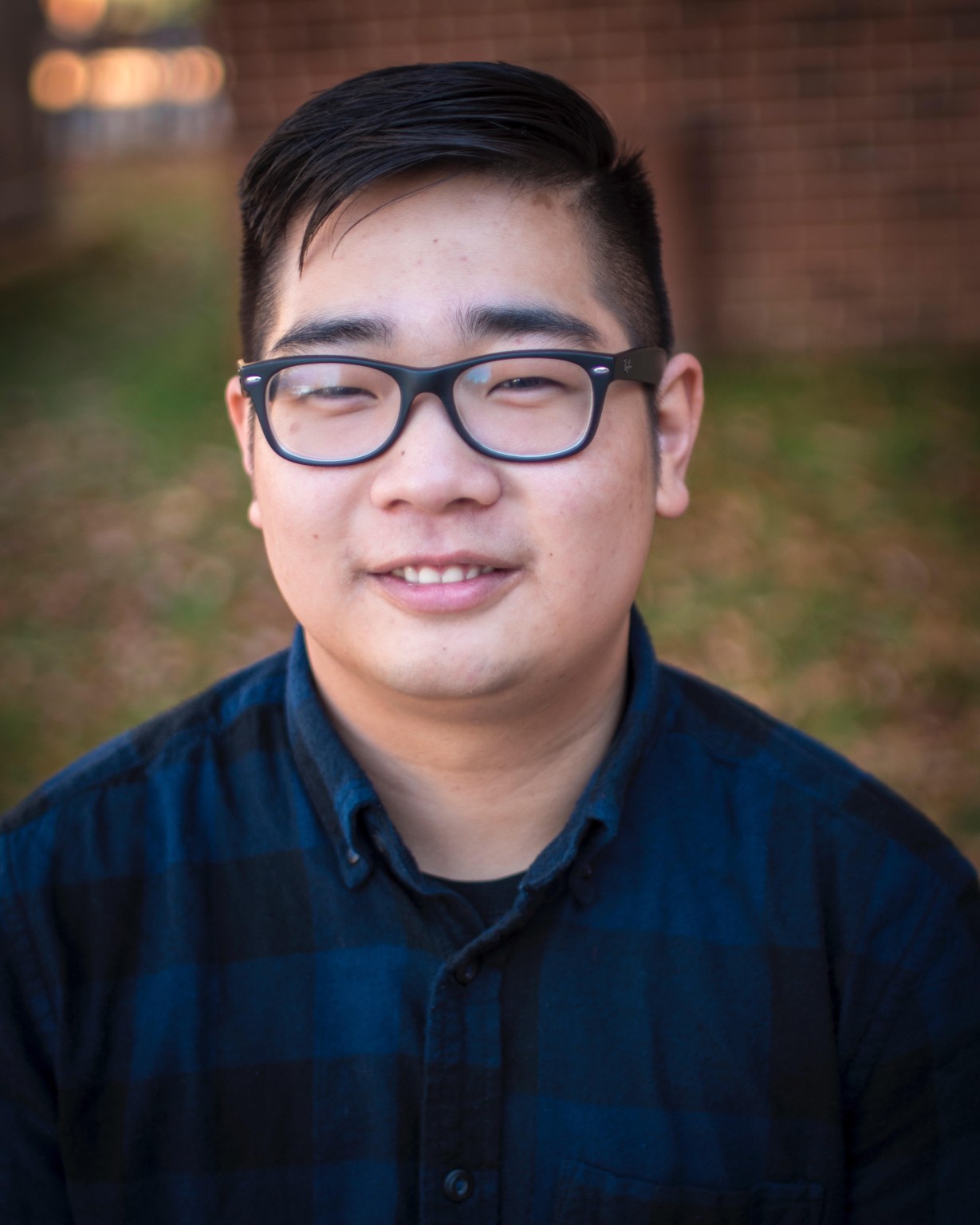
Bryan Stanton has always understood theatre as both a refuge and a revolution. From singing The Phantom of the Opera in the backseat of their mother’s car to directing Carrie: The Musical in a high school classroom, their journey has been one of rediscovery of art, identity, and purpose. Today, Bryan stands at the intersection of educator, author and artist, weaving pedagogy and performance into a shared act of storytelling.
For Bryan, the classroom is a stage of its own where curiosity, vulnerability, and collaboration take the spotlight. With a background that spans opera, directing, and theatre pedagogy, they’ve built a career on nurturing creative resilience in others, helping students see themselves not just as performers, but as storytellers capable of shaping the world around them.
In this edition of PROFILES, we meet a theatre educator whose artistry lies in sparking imagination in others, reminding us that teaching, at its core, is a creative act, and that sometimes the most transformative performances happen not under stage lights, but in the classroom.
My artistic journey began in the backseat of my mother’s car. Every summer, she took me along on her commute, and we’d listen to her favorite cassette—the Original Broadway Cast recording of The Phantom of the Opera. I sang every part with conviction, a passionate eight-year-old Christine Daaé who didn’t yet realize that singing showtunes could become a lifelong calling.
In middle school, outdated gender policies placed me in band instead of choir—“only girls sing,” I was told—so I learned tuba instead of technique. But when I reached high school and auditioned for my first musical, Crazy for You, something shifted. When the choir director asked why I wasn’t in choir, I replied, “I’m not a singer, I’m a tubist.” It turns out I was wrong.
That production changed everything. From that moment, theatre became my language for self-expression and community. Over time, that spark evolved into a lifelong commitment to creating inclusive, accessible spaces where all students can discover their voices—just as I once did, singing showtunes in my mother’s car.
I’ve come to realize that my truest artistry lives in teaching. Stepping into the classroom transformed how I understood creativity—it wasn’t just about performance anymore, but about nurturing it in others. My favorite work is a production of Carrie: The Musical that I directed during my second year of teaching high school.
It was the first time I fully trusted student designers to shape the world of the play. They created an atmosphere that was both haunting and heartfelt—scenery layered with projection design, costuming that felt lived-in, and, of course, the blood. The blood was meticulously engineered: thick and dark with a touch of baby shampoo for easy cleanup, the perfect blend of realism and practicality.
Watching my students’ ideas take shape reaffirmed my belief that teaching is an art form. It’s collaboration, experimentation, and vulnerability. Many of those same students went on to place at statewide competitions for theatrical design, but their true achievement was realizing they were artists in their own right. That production didn’t just tell a story onstage—it transformed a classroom into a creative community.
My creative process always begins with an image. Whether I’m directing or designing, I start by imagining a single, unifying visual—something that captures the essence of the story, theme, or emotional truth I want to communicate. That image becomes my compass. It allows me to articulate my vision clearly so that collaboration with students, designers, and performers feels purposeful rather than abstract.
From there, I build mood boards filled with textures, colors, sketches, and even fragments of poetry or photography that echo the tone of the piece. These visual cues help me translate emotion into form—how a scene should feel, sound, or even smell. Once those connections are in place, I move into sketching, mapping, or scripting my directorial plan, layering structure onto that initial spark of inspiration.
I’ve learned that creativity is both disciplined and spontaneous. The image may strike me while walking to work or grading papers, but the follow-through comes from intentional practice. My process lives in the balance between imagination and organization—between the spark that starts the fire and the craft that keeps it burning.
My greatest challenge has been learning how to filter advice while trusting my own artistic instincts. As a young artist preparing for college, I turned to mentors for guidance. When I asked my choir director whether I should study music or theatre, he said, “Well… you’re a good singer.” I interpreted that as direction rather than affirmation and chose to major in music. I graduated with a degree in opera—an art form I respected deeply, but one that didn’t align with who I was becoming.
It took me over a decade to find my way back to theatre, ultimately earning my MFA in Theatre Pedagogy. That time between degrees wasn’t wasted—it was formative. I worked on stage, backstage, and in classrooms as a director, music director, designer, and educator. I learned that my artistry is not defined by one discipline but by the ability to create, adapt, and guide others toward discovery.
That experience taught me that growth often comes from detours. I no longer see my early choices as mistakes but as chapters that shaped my resilience, curiosity, and belief in education as a creative act.
I’m most inspired by anyone who continues to make art in this moment—teachers, students, performers, and creators of every kind who keep creating despite the constant devaluing of the arts. In an era when artistic expression is often censored or dismissed, the simple act of making something—whether it’s a TikTok, a school play, or a symphony—feels revolutionary. That persistence fuels me.
Living and teaching in New York City, I find daily inspiration in the rhythm of the streets. A mural, a busker’s melody, a snippet of overheard conversation—all of it reminds me that creativity is everywhere if you stay open to it. My imagination is always in conversation with the world around me.
That sense of collective artistry shows up in my classroom and my directing work. I try to model that same courage for my students: that making something, no matter how small, has power. Inspiration isn’t something I wait for—it’s something I practice, by noticing, by listening, and by continuing to believe in art as a form of resilience.
As a theatre educator, I’m most energized by the resilience and reinvention happening in schools and communities. While some higher-education programs are closing, I see middle- and high-school theatre programs thriving, creating new entry points for young people to explore storytelling, collaboration, and design. It’s a reminder that theatre has always belonged to the people—not just to institutions.
Across the field, educators are finding creative ways to sustain and expand access to the arts. I see my peers nurturing the next generation of theatre makers who are curious, justice-minded, and unafraid to reimagine the stage. That gives me profound hope.
I’m also deeply inspired by the resurgence of Indigenous and First Peoples storytelling taking center stage. New works celebrating Mayan culture, pieces unpacking the complex colonial histories of the Americas, and performances confronting social issues head-on are reshaping what theatre can be. These stories are not only vital acts of representation—they are blueprints for liberation.
To me, the most exciting thing in theatre right now is its heartbeat: educators, artists, and communities ensuring this thousand-year-old art form continues to evolve, include, and inspire.
Take every piece of advice with a grain of salt—even mine. The most valuable thing you can do as an artist is to keep creating, no matter what. If you don’t get cast, hired, or selected for a project, that doesn’t mean your artistry stops. It means you pivot. Create your own work, collaborate with your peers, and learn to self-produce.
In today’s digital world, self-production isn’t just a backup plan—it’s a pathway to visibility and sustainability. You can make a podcast, design a digital gallery, stage a pop-up performance, or share your work on social media. The platforms have changed, but the artistic impulse remains the same: to connect, to express, and to transform.
When I look back on my own career, the moments that shaped me most weren’t the ones when everything went perfectly—they were the ones when I built something from nothing. That’s the heart of creative resilience. Keep dreaming, keep experimenting, and surround yourself with people who believe in making things together. The more you create, the more the world will meet you halfway.
As a theatre educator, I hope my work reminds people that art—and especially storytelling—is essential to being human. Theatre has existed for thousands of years because it connects us to one another through empathy, imagination, and shared experience. My greatest hope is that the students I teach and the communities I collaborate with carry that tradition forward long after the curtain falls.
I don’t just want to train performers or designers; I want to nurture storytellers who see themselves as part of something larger. Whether my students go on to careers in the arts or simply become more compassionate humans, I hope they understand that creativity is not a luxury—it’s a form of survival, resistance, and joy.
If my work leaves any impact, I want it to be this: that someone who once felt unseen now feels recognized, that a young person who doubted their voice now claims it with confidence, and that our collective stories continue to evolve, adapt, and thrive. My art lives in the people who keep creating after me.
Support artists—share this
Get our free Survival Guide for Actors, Directors, and Designers.
We use cookies to personalize content, provide social media features, and analyze our traffic. You can manage your preferences or accept all.