New on Skene.

Get Featured or Publish with Skene!

Meditation and Theatre: Using Mindfulness to Support Creative Work.

source: Jan Kopriva.

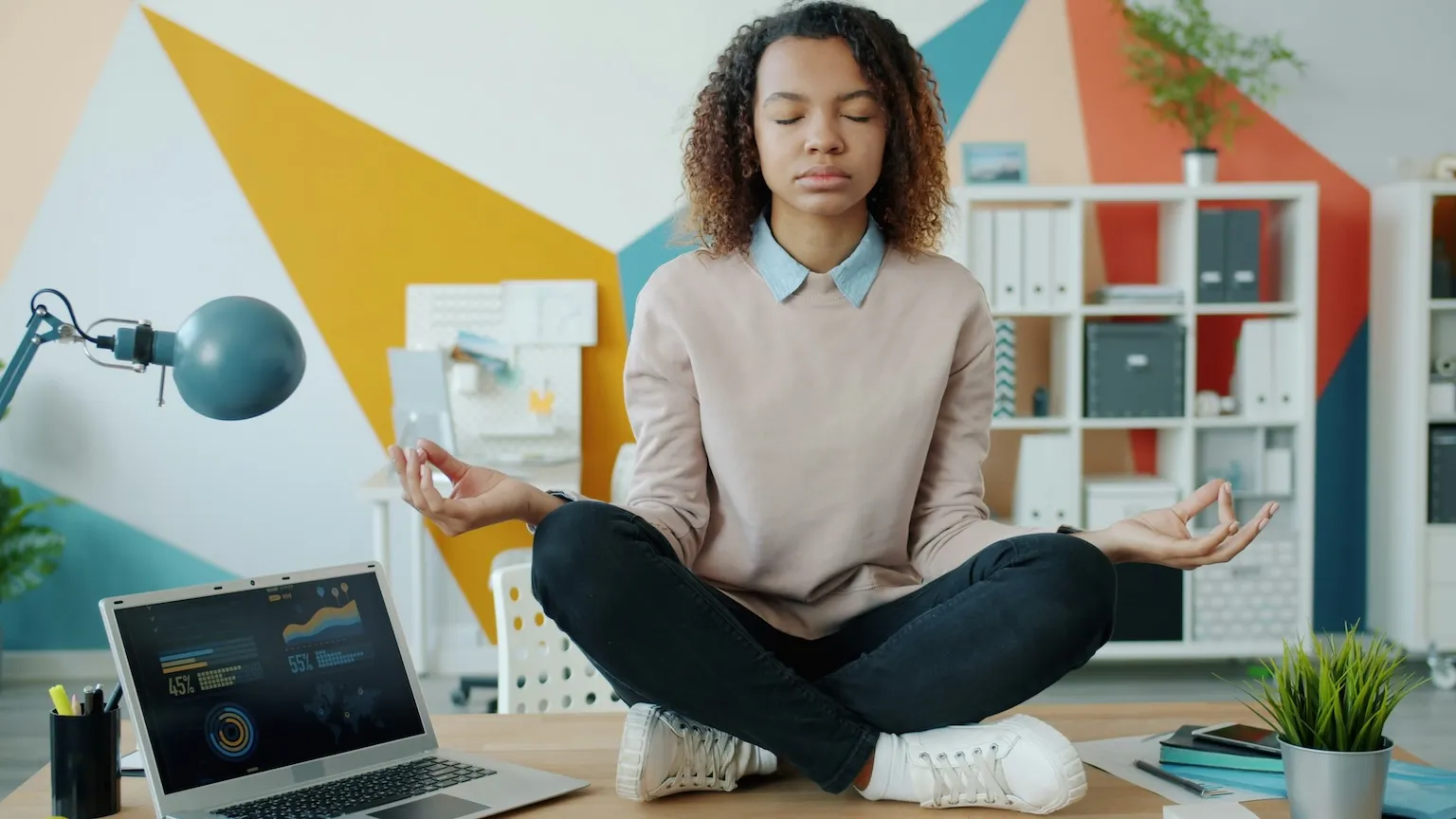
If you’ve ever lost focus during a performance, felt overwhelmed by a character’s emotions, or struggled to stay present with a scene partner, meditation and mindfulness might help. These practices aren’t mystical or reserved for spiritual seekers. They’re practical tools that can support your creative work, improve your presence, and help you sustain a long-term career without burning out.

This guide explores how meditation and mindfulness apply to theatre practice. Whether you’re an actor, director, educator, or student, you’ll find accessible techniques for building focus, regulating emotions, and creating more sustainably. Meditation won’t solve every problem, and it’s not a requirement for good artistry, but many theatre artists find it genuinely useful.

skene algorithm
advertising
source: Surface.

What Meditation and Mindfulness Actually Are.

Let’s start with clear definitions. Mindfulness means paying attention to the present moment without judgment. Meditation is a practice that trains your attention, often by focusing on your breath, body sensations, or sounds around you.

You don’t need to empty your mind, achieve enlightenment, or adopt any particular belief system. Meditation is simply about noticing where your attention goes and gently bringing it back when it wanders. That’s it.

There are different types of meditation. Breath awareness focuses on the sensation of breathing. Body scan involves noticing sensations throughout your body. Loving-kindness meditation cultivates compassion toward yourself and others. Movement-based practices like walking meditation or gentle yoga combine physical awareness with mental focus.

Why does this matter for theatre? Because so much of performance depends on presence, focus, and emotional availability. Mindfulness helps you notice when you’re stuck in your head, tense in your body, or disconnected from your scene partner. It creates a small pause between what happens and how you respond, which is incredibly useful in rehearsal, collaboration, and performance.

Meditation is a tool, not an ideology. It doesn’t replace therapy, medical care, or systemic advocacy. It’s one practice among many that some artists find helpful. If it doesn’t resonate with you, that’s completely fine.

How Mindfulness Supports Presence and Focus in Performance.

Stage presence isn’t magic. It’s sustained attention to what’s happening right now, which is exactly what mindfulness trains.

When you practice noticing your breath, you’re building the skill of anchoring yourself in the present moment. On stage, this translates to staying connected to your scene partner’s actual performance rather than the version you rehearsed in your head. It means responding truthfully to what’s happening instead of pushing through on autopilot.

Performance anxiety often pulls you out of the moment. Your mind races ahead to what might go wrong, or replays past mistakes. Mindfulness helps you recognize when this is happening and gently return to your breath, your body, or the immediate reality of the scene.

A simple practice: Before you enter, take three slow breaths. Notice the sensation of air moving in and out. Feel your feet on the ground. This takes ten seconds and can shift your entire state.

During rehearsal or performance, notice when tension builds in your shoulders, jaw, or stomach. You don’t have to fix it immediately, just acknowledge it. Sometimes awareness alone releases the grip.

Mindfulness doesn’t eliminate nerves or guarantee perfect focus. It just gives you more choice about where your attention goes and how you work with distraction or discomfort when it arises.

Emotional Regulation and Creative Exploration.

Theatre asks you to access intense emotions, often repeatedly. Mindfulness helps you do this sustainably by teaching you to observe emotions without being consumed by them.

When you meditate, you practice noticing feelings as they arise, watching them change, and letting them pass without clinging or pushing away. This same skill applies when you’re exploring difficult material or embodying a challenging character.

You can feel grief, rage, or fear fully while maintaining enough awareness to know it’s temporary and contained within the creative work. This is different from either suppressing emotions or losing yourself completely in them.

Mindfulness also creates space between stimulus and reaction. If a director gives you feedback that stings, you might notice the defensiveness rising without immediately reacting. That pause lets you choose a more thoughtful response.

After working with heavy material, many artists carry emotional residue. A brief body scan or breathing practice can help you transition out of the work and back into yourself. It won’t erase everything, but it supports recovery and prevents accumulation over time.

If you’re working with trauma, either your own or a character’s, mindfulness is helpful but not sufficient. Consider working with a therapist who understands performance and can support you through the process.

Building Stamina and Preventing Creative Burnout.

Theatre careers are marathons, not sprints. Regular meditation practice can help you recognize early signs of exhaustion before they become full burnout.

Mindfulness trains you to notice subtle shifts in your energy, mood, and body. You might catch that you’ve been holding your breath all day, or that you’re saying yes to every opportunity out of fear rather than genuine desire. These small observations can prompt necessary adjustments.

Meditation also supports recovery. After an intense show or rehearsal period, sitting quietly and doing nothing might feel impossible. But that’s often when you need it most. Even five minutes of breathing practice helps your nervous system shift from constant activation to rest.

Here’s what meditation is not: a productivity hack. If you’re using it to squeeze more work out of yourself or justify overwork, you’ve missed the point. The goal is sustainability and well-being, not optimization.

For more on building a sustainable creative life, see Skene’s guide on How Theatre Artists Can Build Sustainable Careers Without Burnout.

source: Vitaly Gariev.

Integrating Mindfulness into Rehearsal and Training.

You don’t need to overhaul your entire process to benefit from mindfulness. Small, simple practices can make a meaningful difference.

Try starting rehearsal with one minute of group breathing. Everyone sits or stands comfortably, closes their eyes if they want, and breathes together. It’s a quick way to arrive, settle, and create ensemble connection.

Use body awareness practices as warm-ups. A brief body scan helps actors notice where they’re holding tension and release it before physical work begins. Mindful movement sequences prepare both body and attention for creative exploration.

Directors and educators: offer these practices as invitations, not requirements. Some people find meditation uncomfortable for cultural, personal, or neurological reasons. Create space for it without imposing it, and respect different approaches to focus and presence.

You can also use mindfulness to improve listening and ensemble connection. Practice exercises where actors pay full attention to each other without planning their next line or movement. This builds the same muscle that meditation does: noticing when you’ve drifted and coming back.

Getting Started: Practical Techniques for Theatre Artists.

If you’re new to meditation, start simple. Find a comfortable position, set a timer for five minutes, and focus on your breath. When your mind wanders (which it will, constantly), gently bring it back. That’s the practice.

You don’t need special equipment, perfect silence, or a dedicated meditation space. You can practice backstage between scenes, in your dressing room before a show, or at home in whatever quiet corner you can find.

Apps like Headspace, Calm, Insight Timer, and Ten Percent Happier offer guided meditations for beginners. Books like “The Mindful Actor” or “Wherever You Go, There You Are” provide accessible introductions. These are suggestions, not endorsements; explore what resonates.

Build a sustainable practice by starting small and being consistent. Five minutes daily is better than an hour once a week. Release any perfectionism about doing it “right.” If you spent five minutes attempting to focus on your breath, even if your mind wandered the entire time, you practiced meditation.

What if meditation feels difficult or uncomfortable? That’s normal. Some discomfort comes from unfamiliarity and eases with practice. But if it consistently feels wrong or triggering, trust that and try something else. Movement practices, journaling, or time in nature might serve you better.

If you want guided support, look for teachers or communities in your area, or explore online offerings from experienced instructors.

source: Nubelson Fernandes.

What Mindfulness Cannot Do.

Let’s be clear about limitations. Meditation is not therapy. It’s not medical treatment. It’s not a substitute for systemic change in an exploitative industry.

If you’re dealing with anxiety, depression, trauma, or other mental health challenges, mindfulness might be a helpful complement to professional treatment, but it’s not a replacement. Talk to a therapist or doctor.

Meditation won’t fix abusive working conditions, financial precarity, or discriminatory practices. Individual mindfulness practice cannot solve structural problems. If your workplace is toxic, the solution is advocacy, organizing, and sometimes leaving, not meditating harder.

Beware of rhetoric that uses mindfulness to justify overwork or normalize harm. If someone suggests you should meditate to tolerate unreasonable demands or cope with exploitation, that’s manipulation, not wellness.

Keep mindfulness as one tool among many. Therapy, community support, rest, advocacy, financial planning, and creative play all matter. No single practice solves everything.

Conclusion.

Meditation and mindfulness are accessible tools that can support your presence, emotional awareness, and creative sustainability. They’re not mandatory, spiritual requirements, or solutions to every problem. They’re simply practices that many theatre artists find genuinely helpful.

Experiment at your own pace. Try a five-minute breathing practice before your next rehearsal. Notice how body awareness shifts your warm-up. See what happens when you bring more attention to the present moment in performance.

Your relationship to mindfulness will look different from anyone else’s, and that’s exactly as it should be. Trust what serves you, release what doesn’t, and keep discovering the practices that support your creative work and well-being.

For more resources on sustaining your creative practice, explore Skene’s other guides on training and career development.


This article is part of Skene’s Auditions, Training, and Career Skills series, which explores the practical and creative aspects of building a theatre career. Find out more about Article Title 1 or Article Title 2.

Support artists—share this

Master Your 2026 Career.

Get our free Survival Guide for Actors, Directors, and Designers.

About the Author

Leave a Reply

Your email address will not be published. Required fields are marked *

partner content

Related Reads.

BACKSTAGE PASS

Master Your 2026 Career.

Get our free Survival Guide for Actors, Directors, and Designers.