LATEST POSTS.

Get featured
on Skene!

The Best Seats in a Theatre, According to Theatre Professionals.

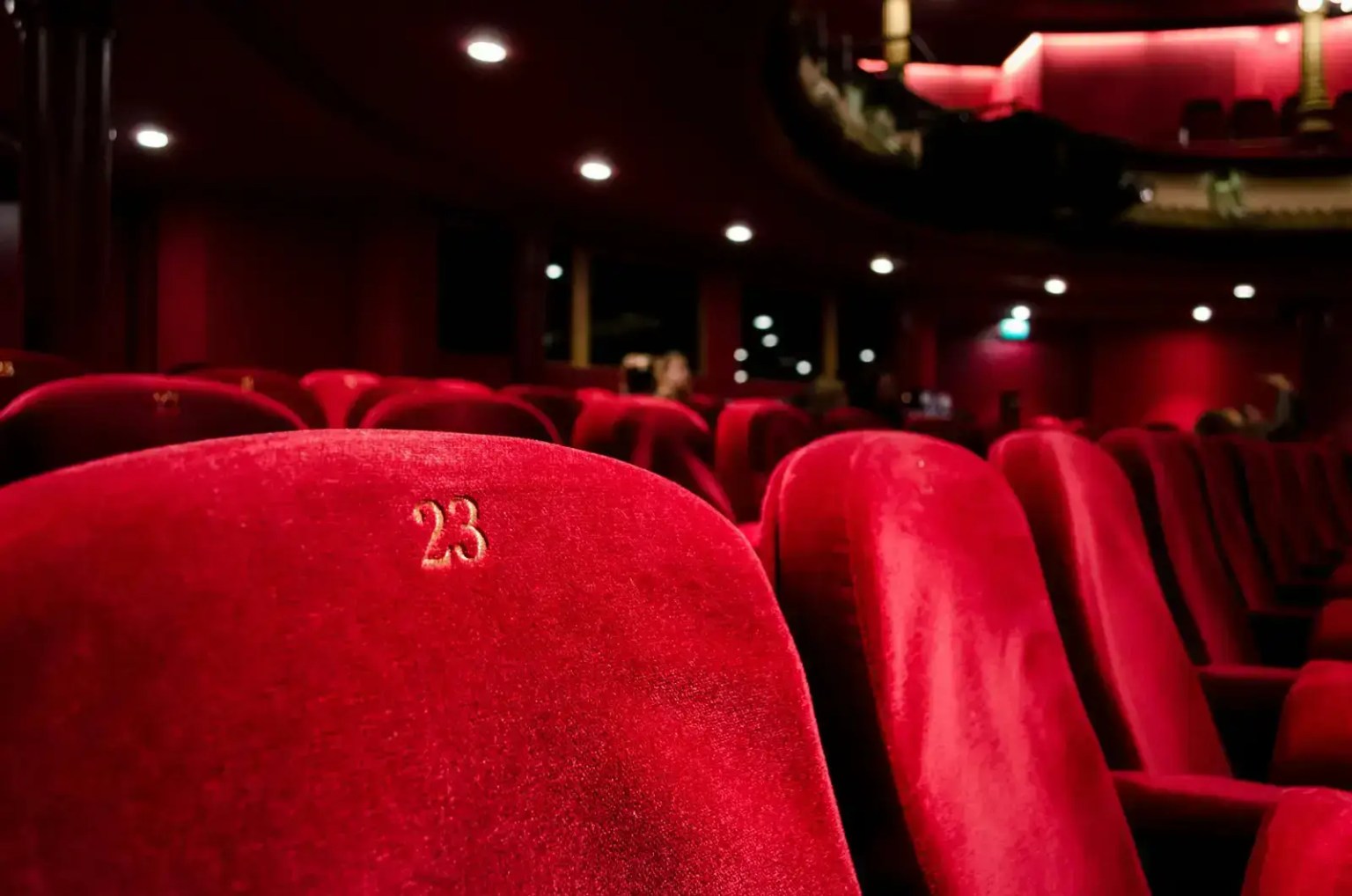
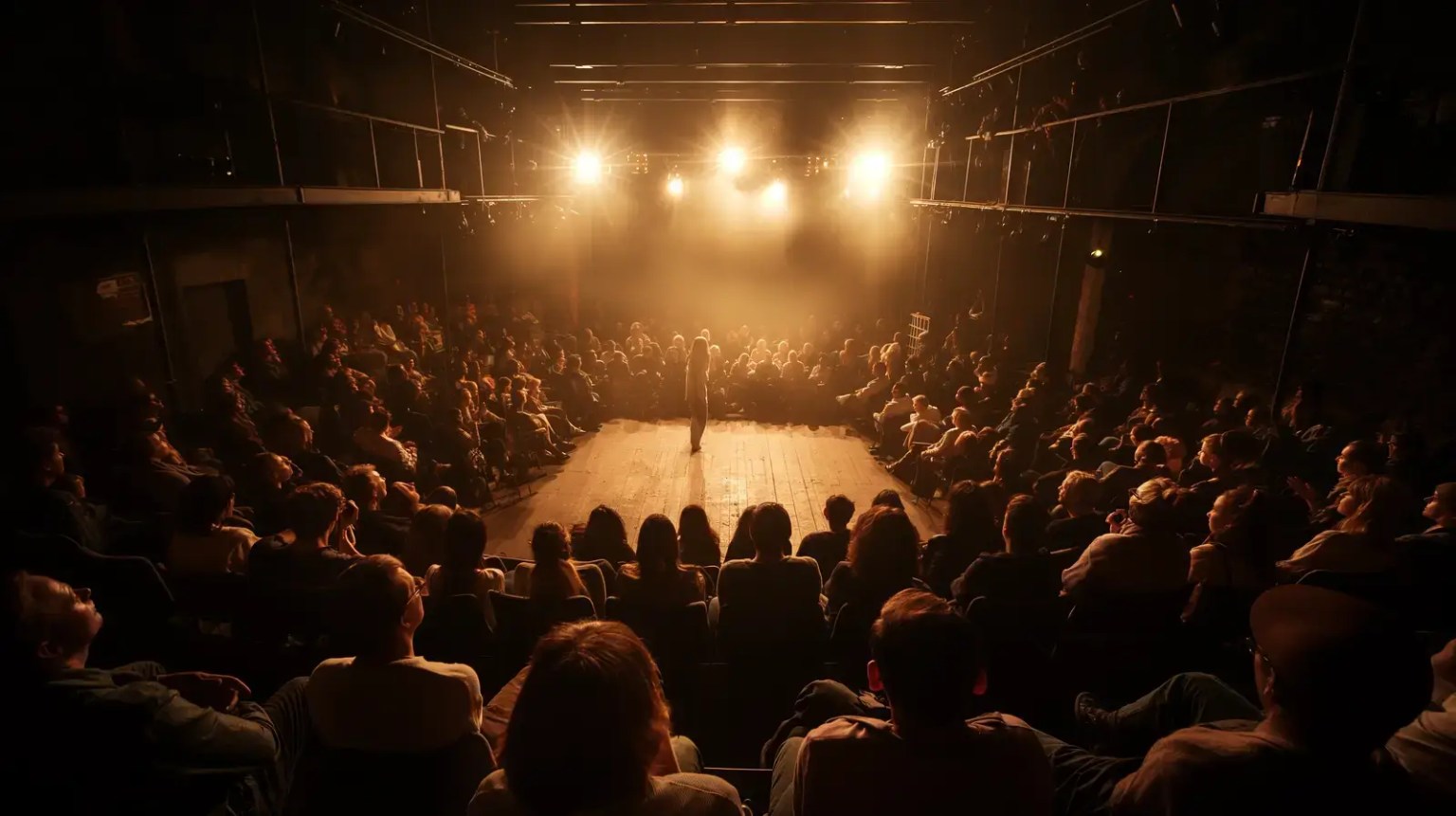
Photo by Gabriel Leonardo on Unsplash

What are the best seats in a theatre?

I can’t remember how many time I have heard the question. You invite friends over to watch your show and they always want to know: where should I seat? The perfect theatre seat isn’t just about getting the closest view of the stage. Different theatre professionals—directors, critics, designers, actors, and producers—all have different perspectives on where the “best” seat is. Whether you prioritize sightlines, sound, immersion, or the grand spectacle of a production, listening to the Professionals will help you find the best seat.

Partner content
Partner content

The Director’s Choice.

Center Orchestra, Rows 5–10

Why?

The director’s job is to shape the audience’s experience. During rehearsals and previews, directors often sit in the center orchestra, around rows 5–10, because this is where all elements—acting, staging, lighting, and sound—come together seamlessly. This perspective allows directors to see the show exactly as they envisioned it.

“This is the ‘golden seat’—where all the sightlines, blocking, and lighting are optimized. If you sit here, you’re seeing the show as close as possible to how it was designed to be seen.”

— Rachel Chavkin, Tony Award-winning director

Renowned directors like Sam Mendes, Susan Stroman, and Ivo van Hove have emphasized the importance of this section for catching details like nuanced facial expressions and subtle stage movement. The actors are neither too far nor too close, so their performances feel natural.

Best for:
  • Seeing the stage exactly as the director intended
  • A perfect balance between close-up emotion and full-stage movement
  • Experiencing the best of all elements—blocking, lighting, and sound

source: Vladimir Fedotov/Unsplash

The Critic’s Choice.

First Row of the Mezzanine

Why?

Theatre critics need a complete view of the stage. This is why many prefer sitting in the front row of the mezzanine, which offers a wide-angle perspective of the production. Unlike seats in the orchestra, which can sometimes be too close, mezzanine seats allow critics to see how movement, set changes, and lighting shifts interact throughout the performance.

“I like to see the whole picture, including how the set, movement, and lighting come together. Sometimes, an orchestra seat is too close—you miss the stage’s full composition.”

— Ben Brantley, former New York Times theatre critic

From here, a critic can assess the use of space, choreography, and overall visual storytelling. Major Broadway productions like The Lion King, Hadestown, and Moulin Rouge! incorporate grand set pieces and projections that are often better appreciated from above.

Best for:
  • A full-stage view, perfect for large-scale productions
  • Watching patterns in movement and transitions
  • A clearer look at projection mapping and digital effects

The Sound Designer’s Choice.

Orchestra, Dead Center

Why?

Sound designers meticulously balance dialogue, music, and effects throughout the theatre. The best place to experience this mix? Orchestra center, typically between rows 10–15.

“The best sound is usually in the middle of the orchestra—far enough from the stage to allow for natural blending, but not too far that it loses clarity.”

— Nevin Steinberg, sound designer for Hamilton

Sitting here ensures you’re positioned within the ‘sweet spot’ where dialogue, orchestra, and sound effects reach you with maximum clarity. Avoid sitting too close (where you might hear individual microphones more than the full mix) or too far back (where sound loses its richness).

Best for:
  • Crystal-clear dialogue and lyrics
  • Balanced orchestration and vocal mix
  • Experiencing sound effects and spatial audio the way they were designed

More like this, twice a month.

Get Off-Book, Skene’s free newsletter for artists and makers—plus the 2026 Performing Arts Survival Guide.

source: Rob Simmons/Unsplash

The Lighting Designer’s Choice.

Mid-Mezzanine or Balcony

Why?

Lighting is an essential part of theatre storytelling, and the best place to appreciate it is from a higher vantage point. Mid-mezzanine or balcony seating allows you to see the full impact of lighting shifts, patterns, and projection effects.

“From the mezzanine, you see the whole lighting design at work—how the color shifts, how the beams shape the space, how the projections interact with the set.”

— Natasha Katz, Tony Award-winning lighting designer

Major productions like Harry Potter and the Cursed Child and Phantom of the Opera use elaborate lighting techniques that are often missed from lower seats.

Best for:
  • Seeing how lighting creates mood and depth
  • Catching projection designs without distortion
  • Appreciating intricate shadow play and color changes

The Producer’s Choice.

VIP or House Seats

Why?

Producers often watch performances from VIP house seats, which are reserved for industry professionals, celebrities, and investors. These seats—typically center orchestra, rows 3–7—offer the best view with minimal obstructions.

“The best seats are the ones where you can feel the audience’s energy but still take in every performance detail.”

— Cameron Mackintosh, producer of Les Misérables

Producers also move around the house to gauge how different audience sections react to the show. If you’re looking for a premium experience, try booking VIP house seats through authorized vendors.

Best for:
  • The best views, guaranteed
  • Feeling like an industry insider
  • Access to exclusive lounges and perks

source: Kilyan Sockalingum/ Unsplash.

The Costume & Scenic Designers' Choice.

Orchestra, Slightly Off-Center

Why?

Costume and Scenic designers prefer seats slightly off-center in the orchestra to see how fabric moves, how colors pop under lighting, and how costumes complement blocking and set design.

“Costume design is about movement. Sitting slightly off-center helps you see how garments interact with the body and lighting.”

— Ann Roth, Oscar and Tony-winning costume designer

Musicals like Wicked and Six have intricate costume details that are better appreciated up close.

Best for:
  • Seeing the craftsmanship in costume design
  • Observing how fabric interacts with movement
  • Catching hidden details in period or fantasy costumes

Final Verdict: Where Should You Sit?

  • For the best overall experience: Center Orchestra, Rows 5–10
  • For the best full-stage view: Front Mezzanine
  • For the best sound: Mid-Orchestra, Center
  • For lighting and projections: Mezzanine or Balcony
  • For VIP treatment: Producer’s House Seats
  • For costume appreciation: Slightly Off-Center Orchestra


No matter where you sit, every theatre seat offers a unique experience. Book your next ticket with one of the many authorized vendors and find the perfect seat for your next show!

This article is part of our Theatre Going Guide series, an editorial resource examining how audiences experience live performance, from seating choices and sightlines to acoustics and theatre design.

For a deeper breakdown of how seating sections function across different venues, explore our guide on how to choose between orchestra, mezzanine, and balcony seating, and explore theatre etiquette explained for guidance on timing, audience behavior, and shared expectations inside the auditorium.


Share this story

Leave a Reply

Your email address will not be published. Required fields are marked *

partner content
FREE FOR ARTISTS

Get the 2026 Performing Arts Survival Guide.

Practical career guidance for performing arts artists and makers. Take it with you.