Latest posts.

Get Featured or Publish with Skene!

Kejia Yu: Stepping Through Emotion.

source: Kejia Yu

Kejia Yu enters the world of scenic design with a quiet intensity shaped by empathy, curiosity, and a belief that spaces can speak long before people do. Her journey began with the simple act of observing how a room could influence emotion, and that instinct has grown into a practice defined by intention and imagination. Kejia’s work reveals a designer who listens deeply to the stories she is entrusted with, finding meaning not in elaborate resources but in the emotional truth of each script. Whether shaping glowing trees from rope and fabric or building an underground world inspired by a childhood memory, she approaches every project through a personal doorway that allows the story to expand from within.

In this edition of NEW TALENTS, Kejia reflects on trust, vulnerability, and the power of designing spaces that linger in the audience long after the final cue.

partner content

Kejia Yu

she/her
Scenic Designer
United States
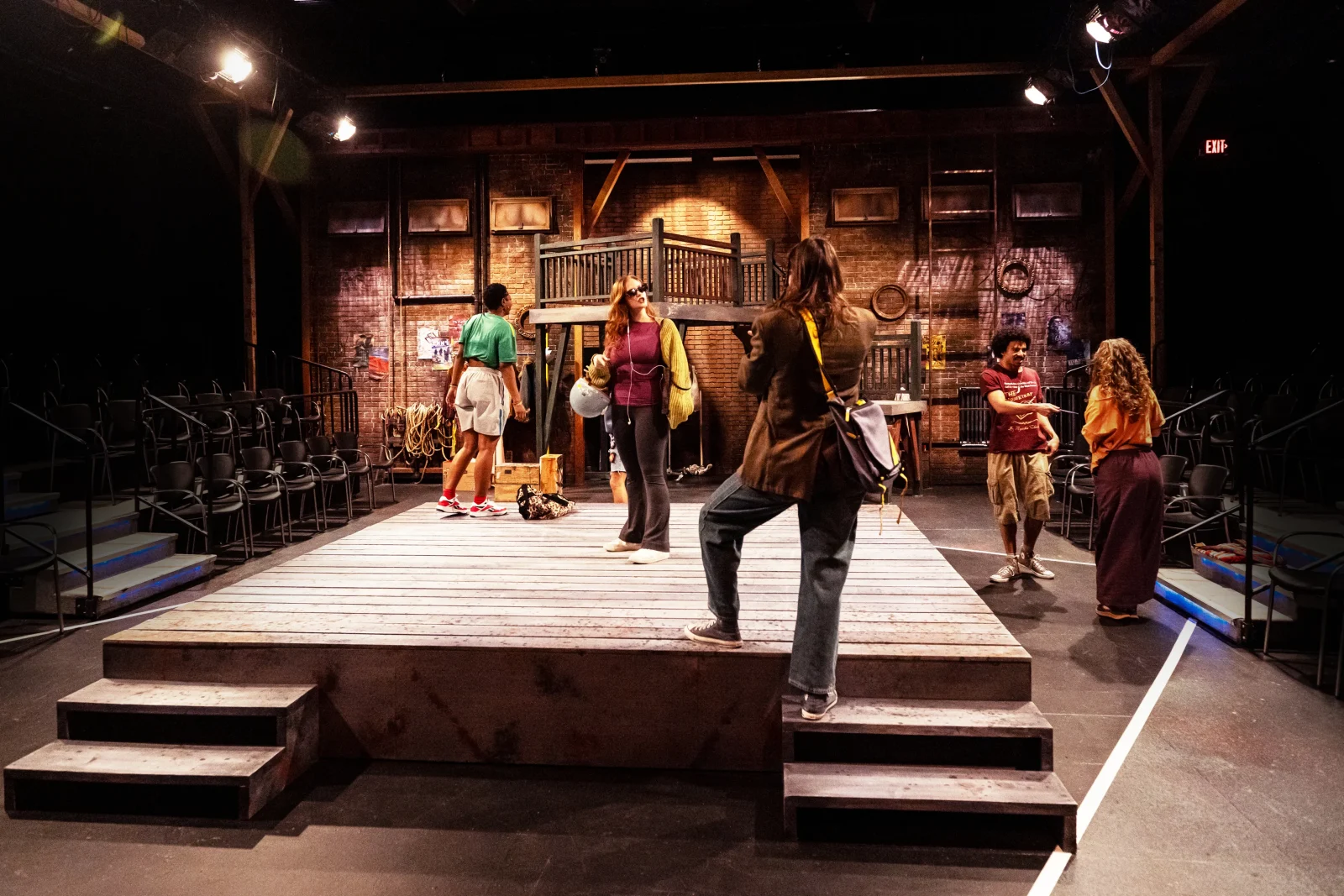
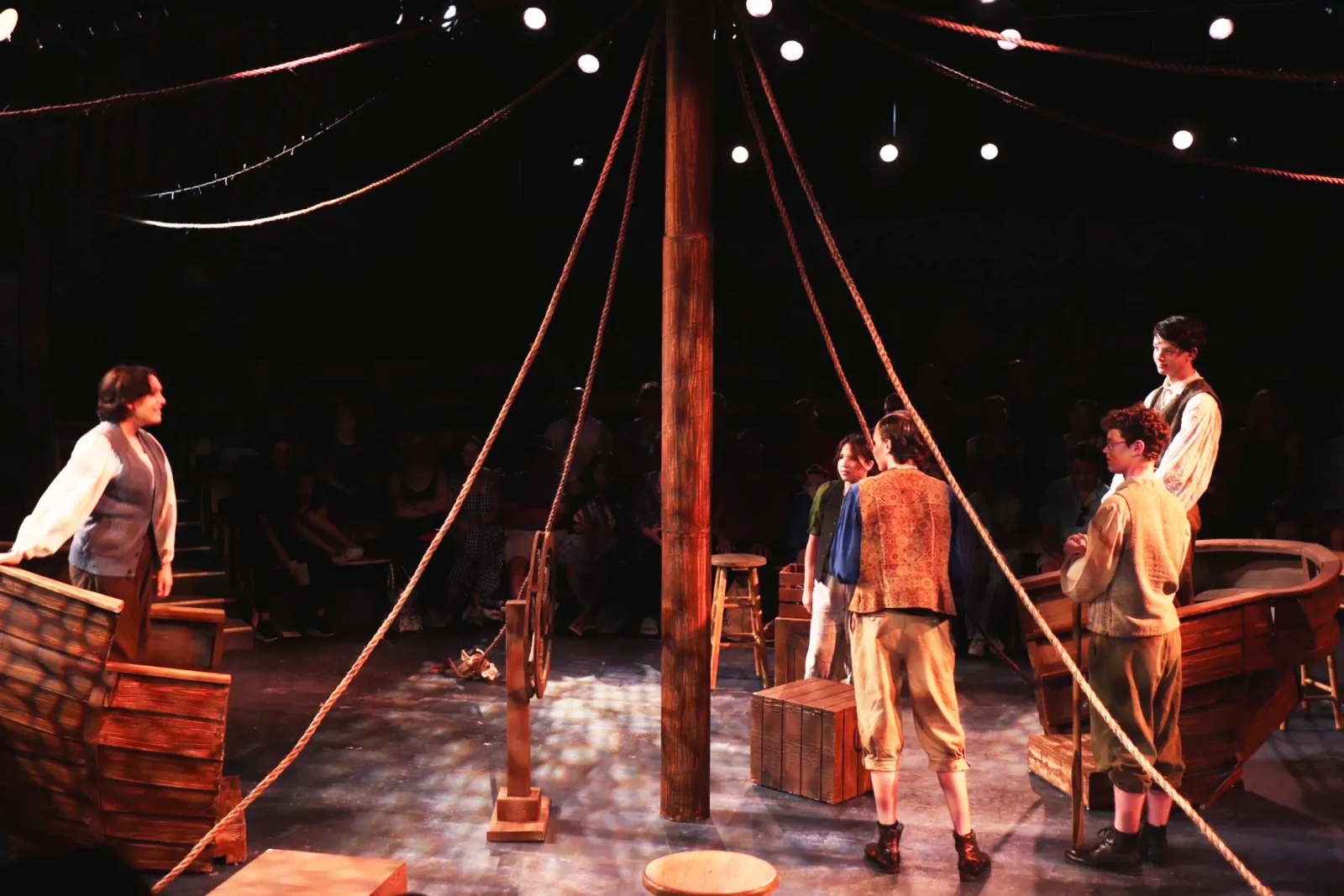
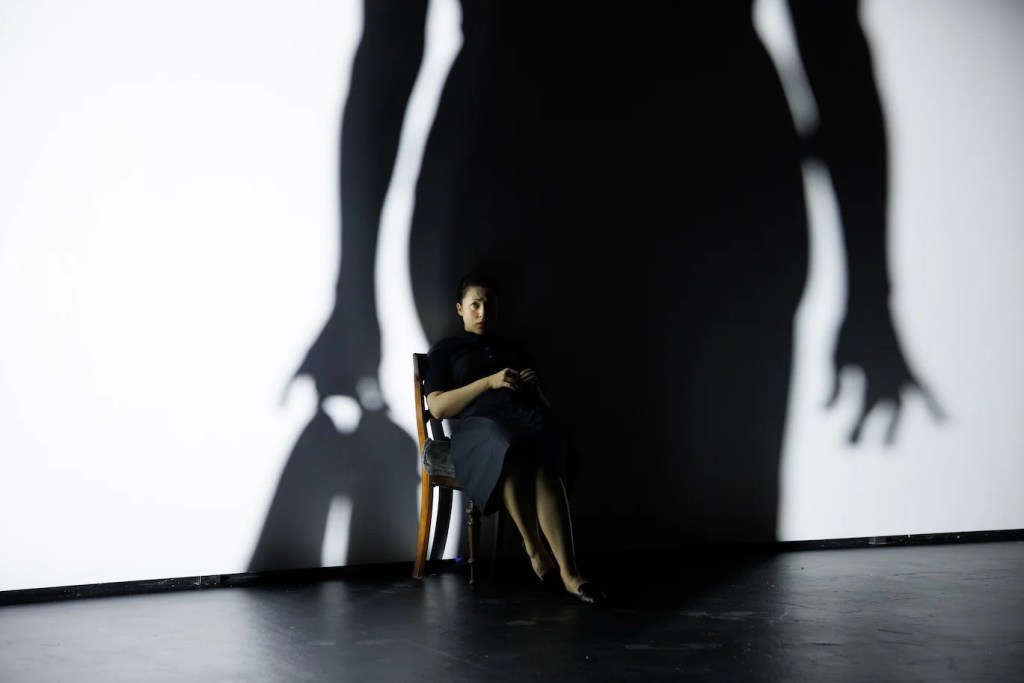
The Inseparables, source: Louis Stein & David Rubin

1. What sparked your interest as an artist and how has that spark evolved over time?

What sparked my journey as an artist was a deep curiosity about people and the spaces they inhabit. When I was young, I was always observing—how someone walked into a room, how a space made people feel without a single word spoken. Over time, that spark evolved into a desire to shape those feelings intentionally through design.

Today, that curiosity has grown into a practice centered on empathy and storytelling. The spark is still there, just more focused, more grounded, and constantly renewed by every project, every collaborator, and every audience I create for.

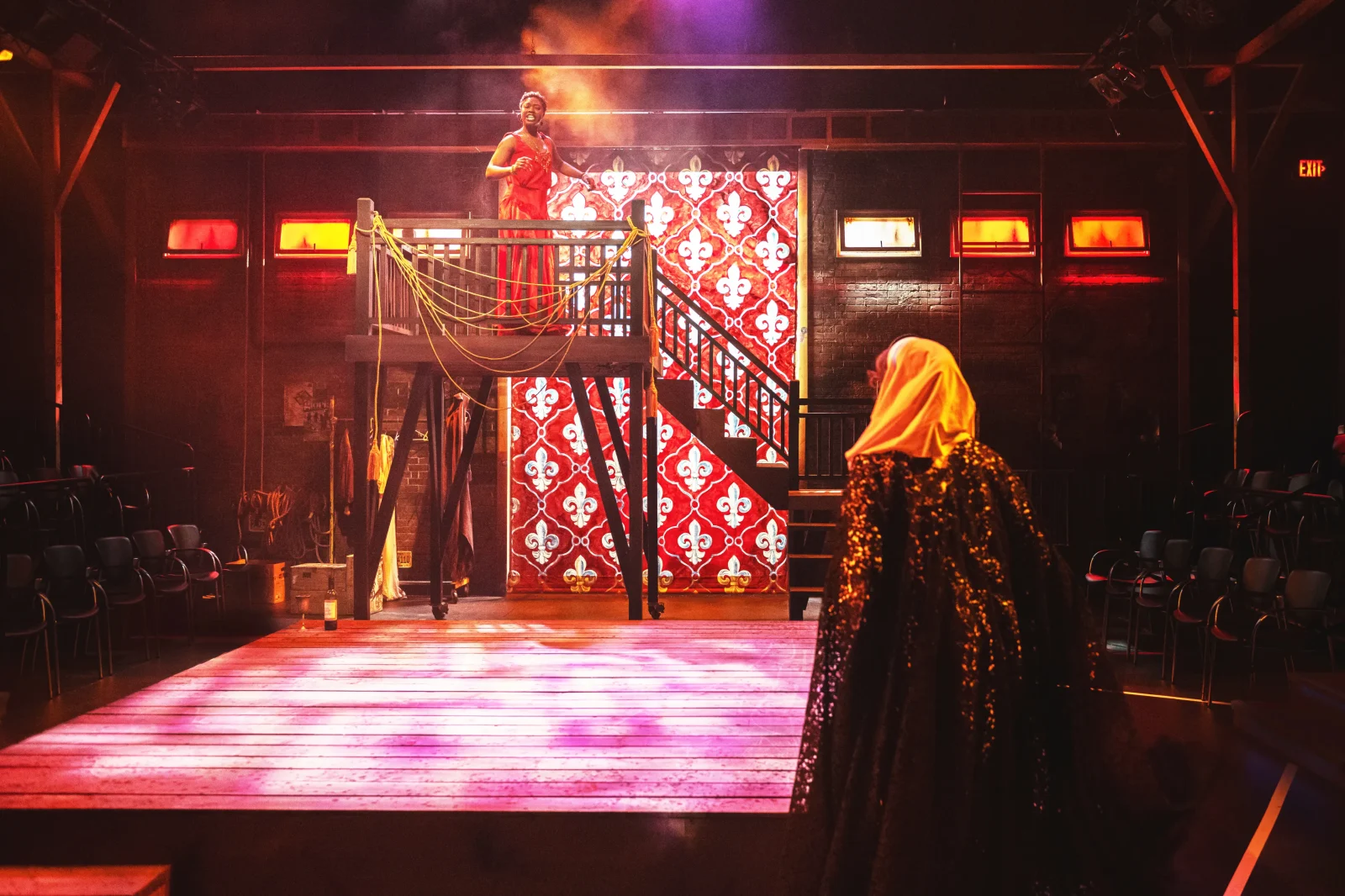
Armida, source: David Bachman

2. Can you share the story behind one of your favorite works and what it means to you?

One of my favorite works is the scenic design for Armida at Pittsburgh Opera. It was a project born from the limitation of a rather tight budget to achieve a bigger idea of design concept, but it became the source of the creativity of this show. I used ropes to form the tree canopy and fabric to carve the shape of the tree trunks, allowing the trees to glow from within during key moments of the story.

This set design piece means so much to me because it reminded me that design is not about resources, it’s about imagination. It taught me that when you approach challenges with curiosity and empathy, the space can surprise you. Armida showed me that simplicity, when used with intention, can carry profound emotional weight.

Theoretical Production Design for The 3 Body Problem, source: Kejia Yu

3. What has been your biggest challenge as an artist and how did it influence your growth?

One of my biggest challenges as an artist has been learning to trust my own voice. Early in my career, I often questioned whether my ideas were “enough,” whether they aligned with what others expected, or whether they were unique enough to stand apart. In scenic design, or any creative field, it’s easy to lose your point of view when you overthink.

Over time, I learned that the strength of my work comes from the perspective only I can bring: my background, my eye for detail, and the way I understand emotion through space. Once I embraced that, I began to contribute my own distinct interpretation to the stories we aim to tell. Trusting that my voice is something no one else can replicate has helped me grow more confident, grounded, and intentional in my design choices.

The Old Man and the Old Moon, source: Kejia Yu

4. Who or what inspires you the most, and how is that reflected in your work?

My inspiration almost always comes from the script itself. Every script tells a unique story, and as a scenic designer, my work begins with understanding how I personally connect to that story. The way I interpret the world of the piece, emotionally, visually, and intuitively, often becomes the foundation of my design. Because of that, the source of inspiration is different for every project. What stays consistent is that the inspiration to me usually comes from an emotional link rather than a specific style or reference.

For example, when I designed Naked Mole Rat Get Dressed at Hangar Theatre, my concept came from a childhood memory of a video game I used to play, where a little mole slowly dug and built her home. That memory resurfaced while I was reading the script and became the emotional anchor for the underground world I created on stage.

For me, inspiration is about finding that personal, emotional doorway into the story; once I find it, the design begins to take shape naturally.

The Inseparables, source: Louis Stein & David Rubin

5. How do you hope your work will connect with people or leave an impact?

I hope my work allows people to feel something genuine. Scenic design is not only about building a space, but it’s also about shaping an experience. If the environment I create helps the audience understand the story more deeply, or makes them connect with a character unexpectedly, then I’ve done my job.

I want my designs to live quietly in people’s memories, not because they are visually striking or pretty, but because they supported a moment that moved them. My goal is always to create spaces that feel alive, that breathe with the story, and that stay with the audience long after the performance ends.

Armida, source: David Bachman

Support artists—share this

Master Your 2026 Career.

Get our free Survival Guide for Actors, Directors, and Designers.

About the Author

Leave a Reply

Your email address will not be published. Required fields are marked *

partner content

Related Posts

BACKSTAGE PASS

Master Your 2026 Career.

Get our free Survival Guide for Actors, Directors, and Designers.