


If you have ever set foot in a theatre, you may have heard people talking about some of the oddities, traditions, and beliefs that are unique to performers and technical crews. Whether it is not saying certain words or following various guidelines that are only applicable in the backstage, the world of theatre is filled with superstitions that have been handed down from generation to generation. But why? And where do these strange traditions originate? Come, let’s pull the curtain back and see what seven of the most fascinating (and funny) theatre superstitions are still haunting stages today.
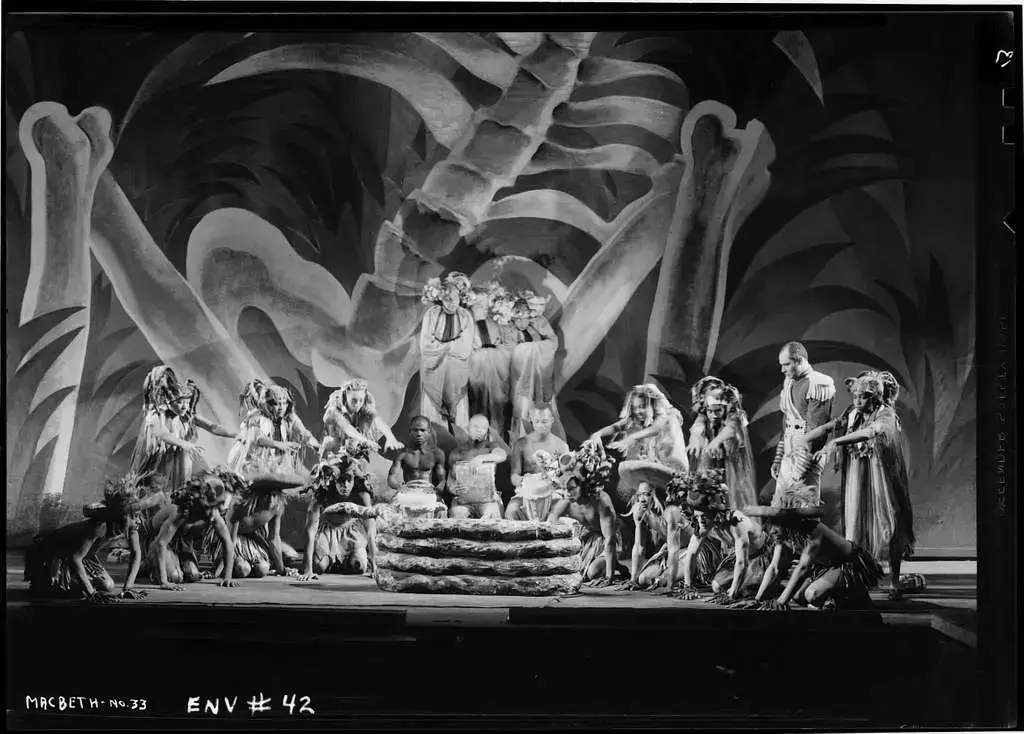
The Curse of Macbeth
It is one of the most well-known taboos in the industry to say ‘The Scottish Play’ or ‘The Scottish Play’ in a theatre. The suppression of this superstition can be linked back to the play itself. The misfortune is said to have been incurred by the productions of the play by Shakespeare. Accidents, deaths, and fires, respectively. It is thought that this dark history has cursed the play for eternity.
In order to avoid the curse, the actors and crew refer to it as ‘The Scottish Play’ or simply ‘Macb-‘ when discussing it. If someone else suddenly mentions the forbidden title, there is a whole ritual to dispel the evil: spinning around three times, spitting, and then saying a prayer. It is no surprise that actors are very careful when it comes to the subject of Macbeth!

“Break a Leg!” – A wish for success.
You may have heard someone call out “Break a leg!” before a performance. It appears like a nasty thing to say, but in the theatre realm, it is the best wish. So, what is the origin of this strange phrase?
There are many theories, but the most popular one is that it stems from the idea that telling someone that they will have a great performance would somehow jinx it. In order to secretly wish for the best, you say that you want something bad to happen, for example, to break a leg, and you hope that the opposite will happen, and the performer will have a great show. The second explanation is that the term is related to the practice of bowing or curtsying after a performance, and the phrase “break a leg” refers to the bending of the knee, i.e. a “broken” leg. Either way, it’s a tradition that actors take seriously, no matter how bizarre it sounds to outsiders.

The Ghosts of the Theatre (and the “Green Room” Ritual)
Everyone, who is familiar with the theatre, knows about the haunted theatres. A lot of venues, particularly the older ones, are claimed to be haunted by the ghosts of the performers, directors, or crew who died on the premises and won’t leave. In fact, it is customary to leave a “ghost light” on stage at night to prevent the spirits from getting too restless.
Actors and crew members often perform small rituals to acknowledge the ghosts, like saying “hello” to them before the show begins. Some theatres even offer regular ghost tours for visitors, but it’s not all spooky – many think that these ghostly presences bring good luck to the performances. So if you ever find yourself backstage in a haunted theatre, don’t be scared, just wave to the ghosts. They are probably just there for the drama!
Do not whistle in the theatre!
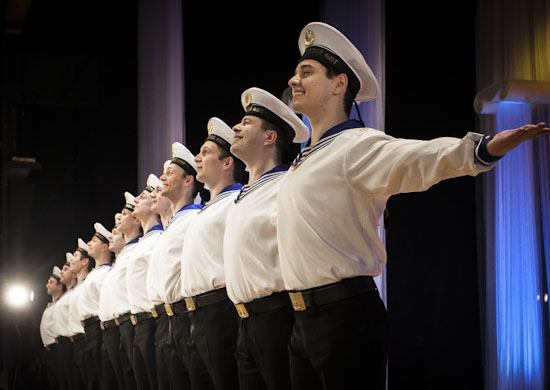
Here’s a strange one: It is absolutely prohibited to whistle backstage. You may assume that it is a minor quirk, but it has a historical basis. In the past, many theatres employed sailors to help with the rigging of the ropes and pulleys which were used to form the stage and change the scenes. These sailors used whistles to communicate with each other when they were working. If one person whistled the wrong way, it was possible that a fatal mistake would be made, for instance, a prop might fall or an actor could be harmed.
To this day, whistling backstage is considered to be an ill omen and is looked upon as a sin in the theatre world. Instead of whistling, the actors have come up with a number of other ways of communicating, including the use of hand signals, or in some cases simply speaking the words. Do not speak when you are backstage – unless, of course, you want to see a chandelier fall!

The Color Purple
Purple may be the color of kings and queens, but in the theatre, it is often considered a sign of ill omen. The reason? In the past, purple was an expensive dye and was used only for the most important and powerful characters on stage. However, some actors think that wearing purple can enrage the gods of the stage or disturb the harmony of the world, which will lead to failure.
In order not to bring bad luck, the majority of theatre companies forbid using purple costumes or accessories. Of course, there are always those who decide to go against the rules and wear purple intentionally: who can resist the charm of this majestic colour? But for those who are scared of superstitions, purple is a big no-no.

The Phantom of the Opera and Other Stage Door Superstitions
While we are talking about the spooky theatre traditions, it is time to turn to stage doors. The superstition here is quite simple: The stage door should always be closed during a performance. It is thought that leaving the door open lets in negative energy or other distractions that can interfere with the performance. Some even say it lets in ‘evil spirits’ though whether or not they are the ghostly kind or just annoying theatre critics remains to be seen.
Some theatres have such strong stage door superstition that the actors and crew have to follow certain rules to secure the door before every show. What a ‘locked in’ performance, indeed!
The Importance of the “Exit”.
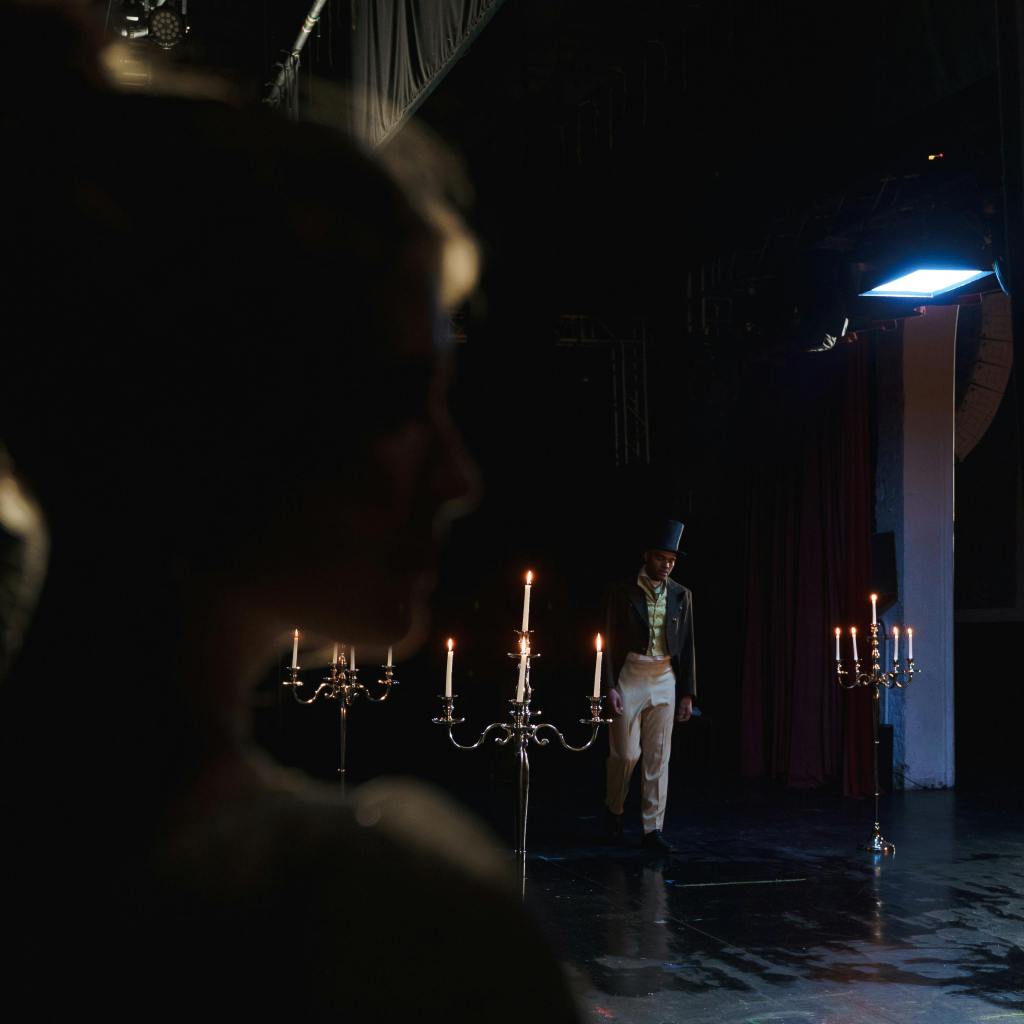
The final superstition is one that every actor knows only too well: Never exit the stage too quickly. There is a notion that leaving the stage improperly – for instance, without taking the right number of bows or curtsies – would be a harbinger of adversity. There are some actors who even make it a point to exit the stage through certain doors or down certain halls so as not to bring in ‘negative energy’ that might affect their next performance.
Though the superstition may seem rather peculiar, it is observed by many performers. Who would want to meddle with the not so simple balance between positive and negative energies in a theatre production?

Conclusion
Whatever you believe in these superstitions or not, they are an essential part of the theatre world’s colourful history. From not mentioning the name of the Macbeth play to making sure that the stage door is closed, these quirky rituals are part of the magic and mystery of a live performance. So, the next time you are at the theatre, have a look around. You might even see a ghost or hear people saying “break a leg” in the air.