Shuyang Zhou: I Moved a Mountain.
Chinese scenic designer and USITT YDMT award recipient whose work builds worlds

Chinese scenic designer and USITT YDMT award recipient whose work builds worlds
Roberto Mosqueda cuenta cómo escribió La Leyenda del Ermitaño a los 40,

A props master’s field-tested rules for collaboration in the theatre, from doing

Emerging lighting designer whose work on Broadway and beyond is guided by

Six contemporary plays for student drama clubs and theatre groups. Minimal sets,
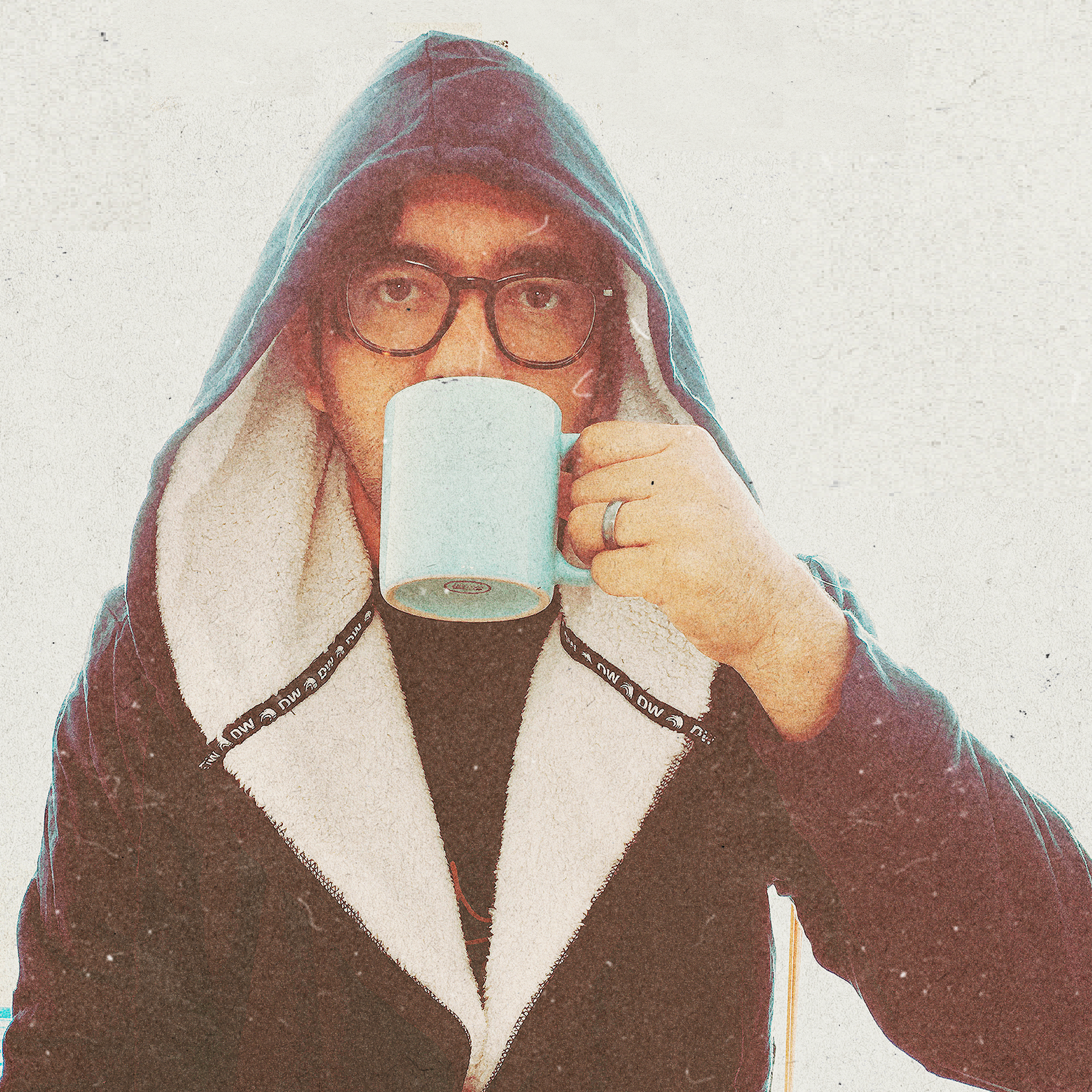
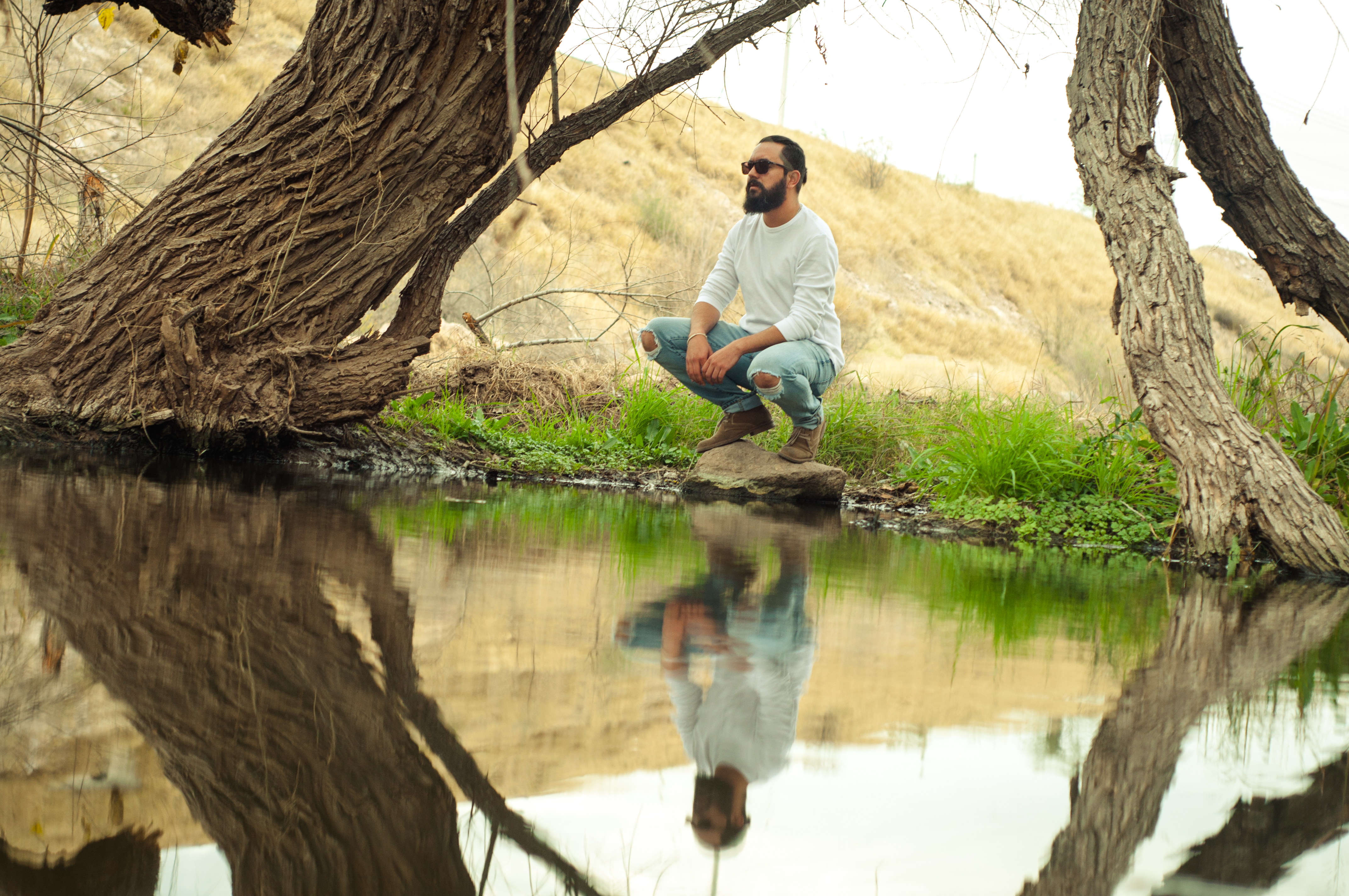
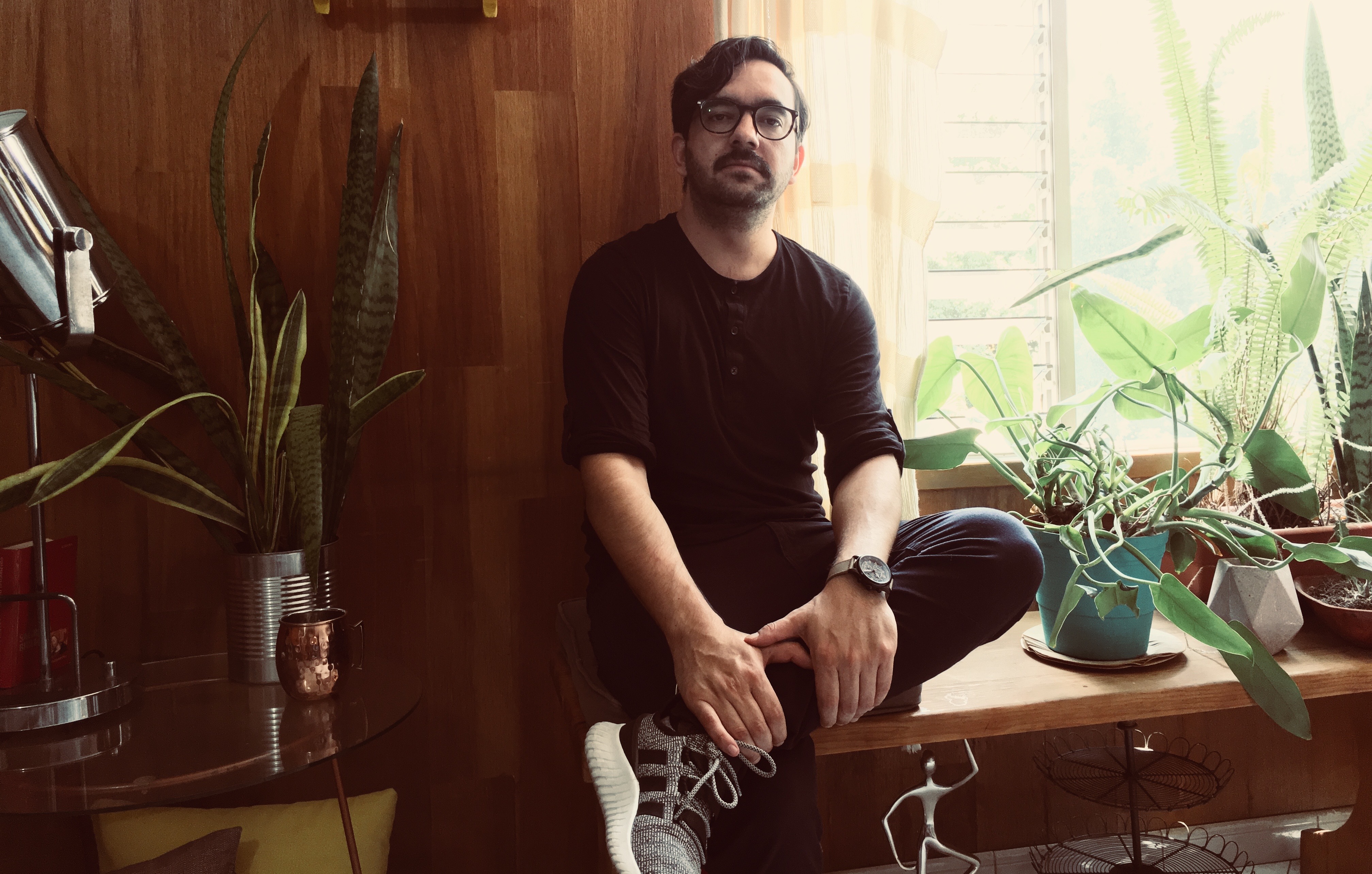
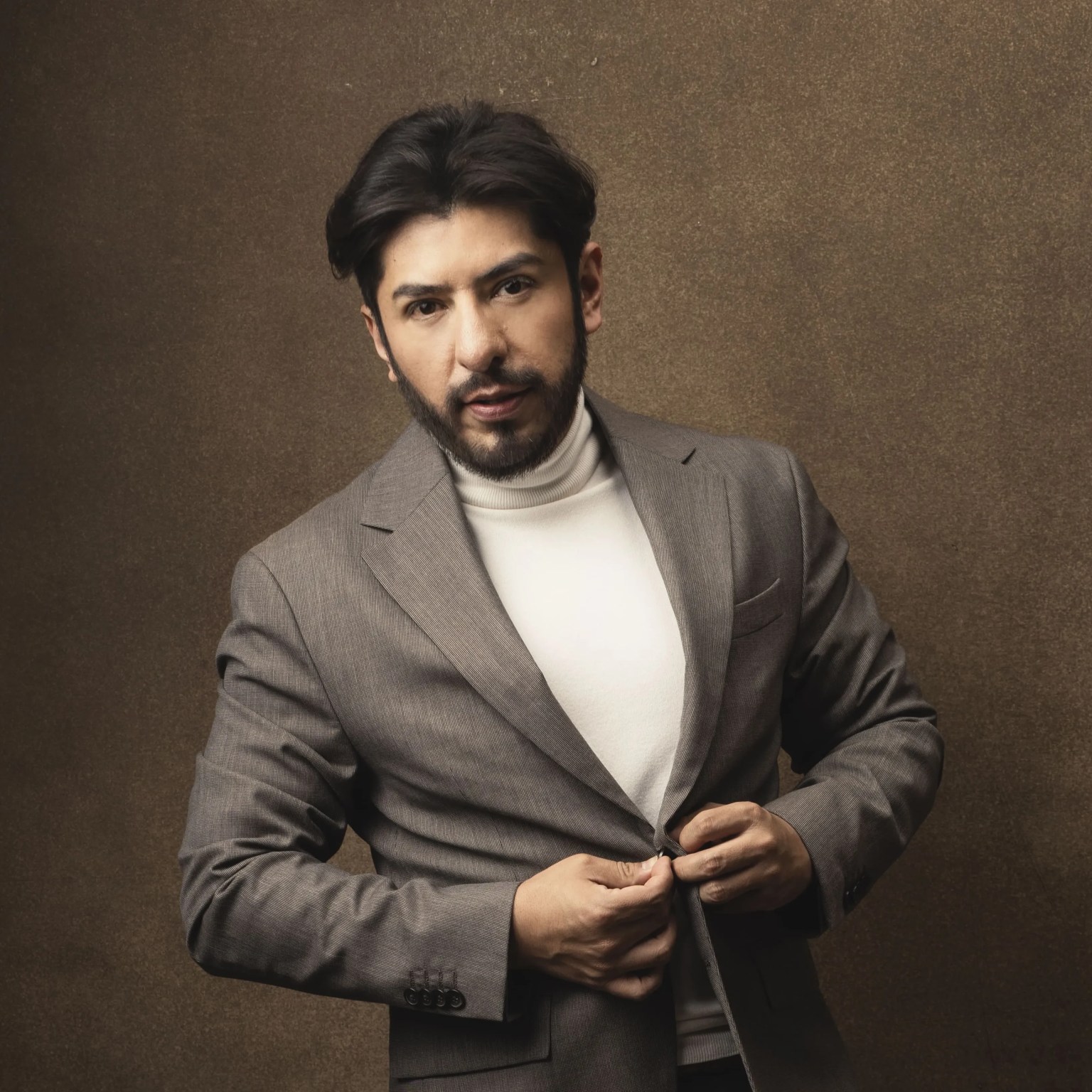
For Emilio Torres Morales, music isn’t just expression—it’s translation. As a child in Mexico, he discovered that sound could speak the feelings he couldn’t yet name. That discovery became a life’s calling, leading him to compose not just songs, but emotional blueprints: sonic maps of solitude, revelation, and resilience.
His process is part obsession, part alchemy. He fills what he calls his “cart” with everything—books, songs, fragments, feelings—until inspiration hits like a spark in the dark. He doesn’t just wait for it; he prepares for it. And when it arrives, it often steals the pencil from his hand.
In a field that often prizes novelty over depth, Emilio remains grounded in rigor and honesty. He lives for the undiscovered song, the sound that hasn’t yet been heard, the phrase that might speak for someone else’s silence. His music is lyrical, yes—but it’s also a challenge: What questions are we not asking?
In this edition of PROFILES, Emilio reflects on the art of listening, the power of being edited, and the long, necessary wait for the music that’s still hiding somewhere beneath the surface.
Two things. First, my parents’ great love for music—both of them were big music lovers. The second was when I discovered the enormous capacity of music and writing to express things I wasn’t very good at expressing to the world. There was a moment when I realized it was my way of speaking, of expressing myself, and of communicating with the world. Music became my translator to the outside.
I think that has evolved through experience and study, as I became aware of the multiple elements that helped me express things better, or that even amplified my emotions: listening, analyzing, writing—that’s what has kept me evolving the way I make art.
In a very difficult moment in my life—alone, in a new city—it was Sondheim who helped me with Into the Woods:
“Sometimes people leave you halfway through the wood; do not let it grieve you, no one leaves for good. You are not alone, believe me, no one is alone.”
Then I read the story of his life and saw how masterfully he captured his inner world within a story where the music was the color of every feeling. Sometimes I think that composers, or performers who manage to understand what’s behind a piece, can become your traveling companions—sometimes even closer than those physically beside you.
I didn’t develop my creative process—I discovered it. Over time, I came to understand how my brain and my heart work.
From what I’ve discovered so far, it consists of filling the cart (my head and my heart) with all kinds of elements. I have several days—many—of reading, listening to lots of music, highlighting, closely listening to passages I like from other people’s works, analyzing what they did. Filling my cart with varied elements, whether or not they relate to what I want to do or say, until suddenly—boom!—inspiration hits, and the mind gathers from all the elements in the cart, and I’m often able to arrive at a result I like, even one that surprises me.
I think the biggest challenge has been: allowing myself to be edited. Over time, I’ve realized how there are people with a sharp sense of judgment when it comes to art, who see beyond my compositional emotion and bring measure and moderation to my work—so that I don’t, for example, make a section too long, or continue down a path I hadn’t intended to follow.
It’s a challenge because I have to set my ego aside and look at things objectively, and over time I see that the advice was right—that maybe I was too stubborn about a technique, a verse, an idea, and that when I finally manage to pull it off, I get so excited that I want to do that all the time or use it in very long passages. I tend, at times, to overuse a resource in proportion to the effort it took me to achieve it, to acquire it or to find it—and that’s often not a good thing.
Sometimes it’s good—very good—to listen to those who view the work from the outside.
The music not yet discovered. I believe that since I was a child, the very fact that there are still things to discover in music—songs to find, sounds that express the feeling of our times—is like exploring beneath the ocean. The fact of knowing that in my studio, hidden sounds, combinations, words, arrangements, forms, ideas that have not yet been said, played, heard, or written are waiting for me—that moves me deeply every day to get up and work.
I live off my addiction to that moment when inspiration steals the pencil from me or plays the piano through me without my permission. Living in wait for that moment again is what inspires me.
I believe the most exciting thing is that in these times, despite their obvious challenges, I feel that now there truly are ways to bring your work closer to anyone, anywhere in the world. Something that just a few years ago was out of reach for many of us—or companies would just work with the same people as always—I think nowadays things are starting to adapt so that your work can reach more places, and pieces are starting to be chosen little by little for their value, and not just for being the only thing on the table.
Listen, analyze, write.
In every piece, I strive for both the music and the lyrics to speak to people of our time. Music that, yes, captures their attention, but also challenges them, leaves them thinking, and encourages them to seek.
Art is not an answer but a question—a serious question that interrogates our entire worldview. It’s by asking the right questions that art truly connects.
Support artists—share this
Off-Book is the Skene newsletter for artists and makers. Profiles, opportunities, and editorials, free. New subscribers also receive the 2026 Performing Arts Survival Guide.
We use cookies to optimize our website and our service functionalities.
Practical career guidance for performing arts artists and makers. Take it with you.