Plays for Young Performers: Engaging Contemporary Works.
Contemporary plays for student theatre: inspiring, ensemble-focused works that energize casts and

Contemporary plays for student theatre: inspiring, ensemble-focused works that energize casts and

Salvadoran lighting designer whose expressionist practice turns light into narrative, emotion, and

Japanese costume designer and cultural advocate whose research-driven practice interrogates representation, identity,

German scenic designer whose kinetic scenography builds sets that move with the

Mexican cultural worker, director, and playwright whose practice is rooted in collective
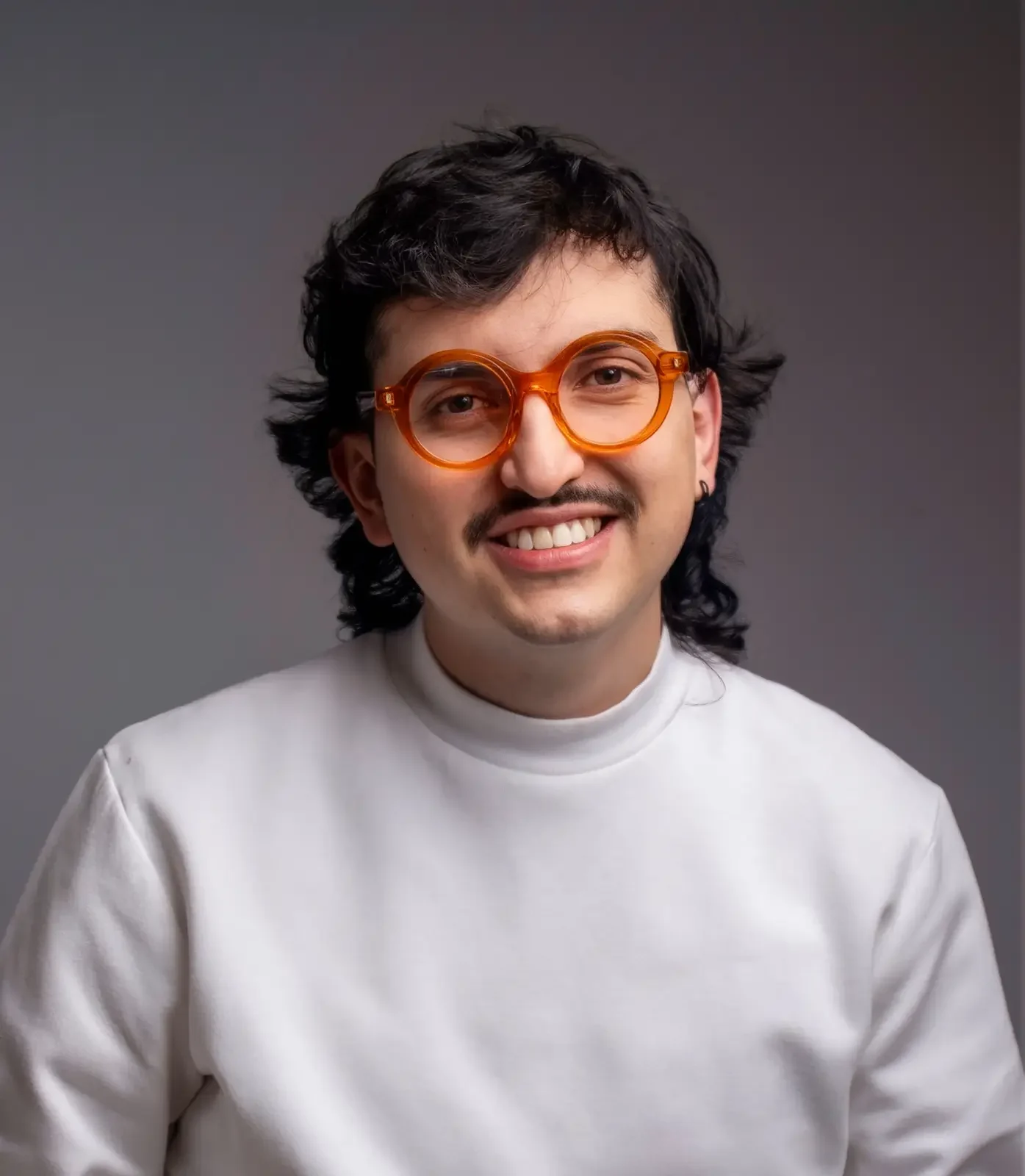
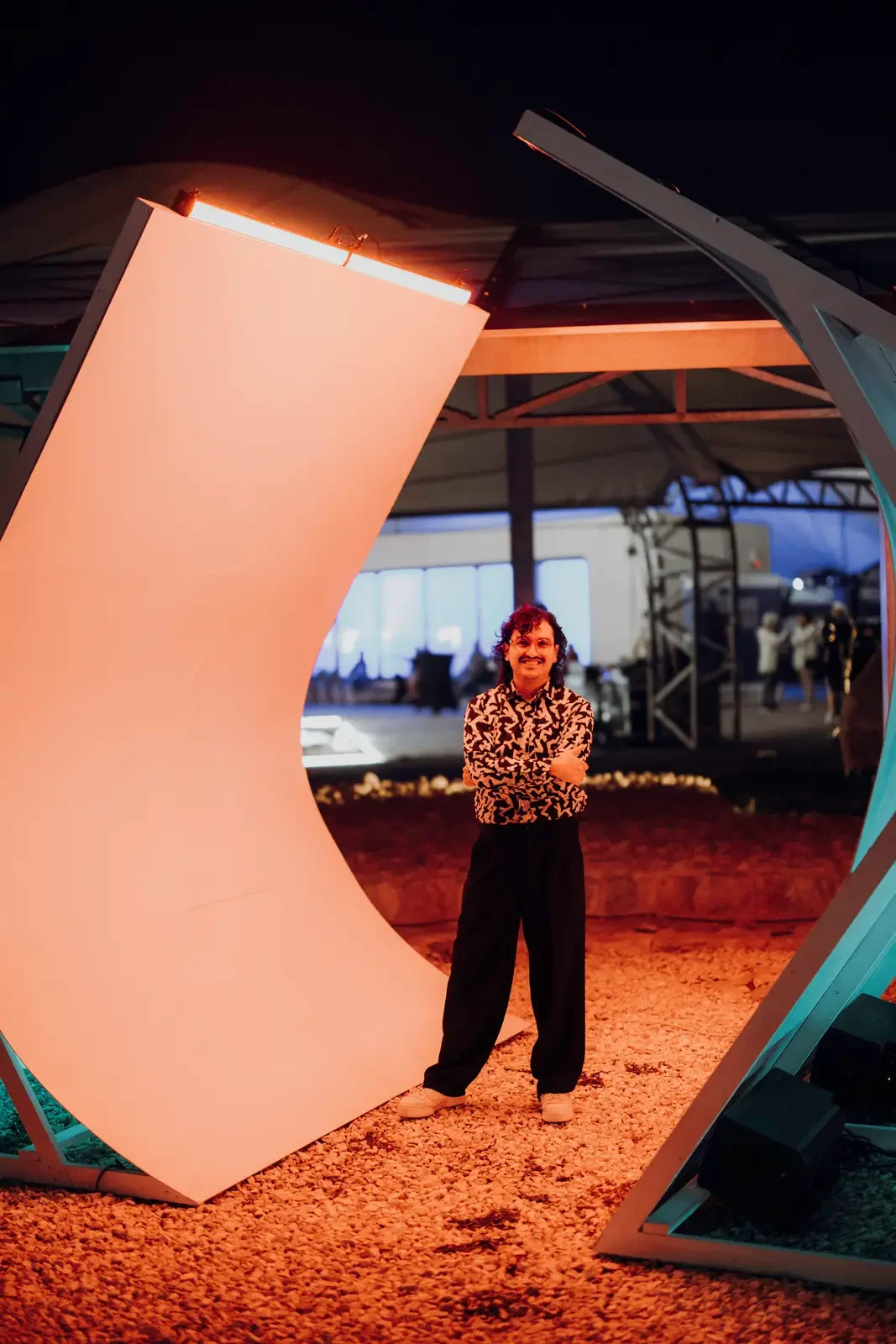
When Antonio Saucedo Azpe was a child, his grandmother had a miniature theater built just for him. There, in a modest apartment in Mexico City, he would put on shows for his family, dressing up his sister and cousins to perform stories only he could dream up. That small teatrino may have vanished over time, but the spark it ignited never did. Today, Antonio is one of the most compelling scenic designers emerging from Mexico’s vibrant theatre scene—an architect by training, an artist by nature, and a storyteller through space, texture, and light.
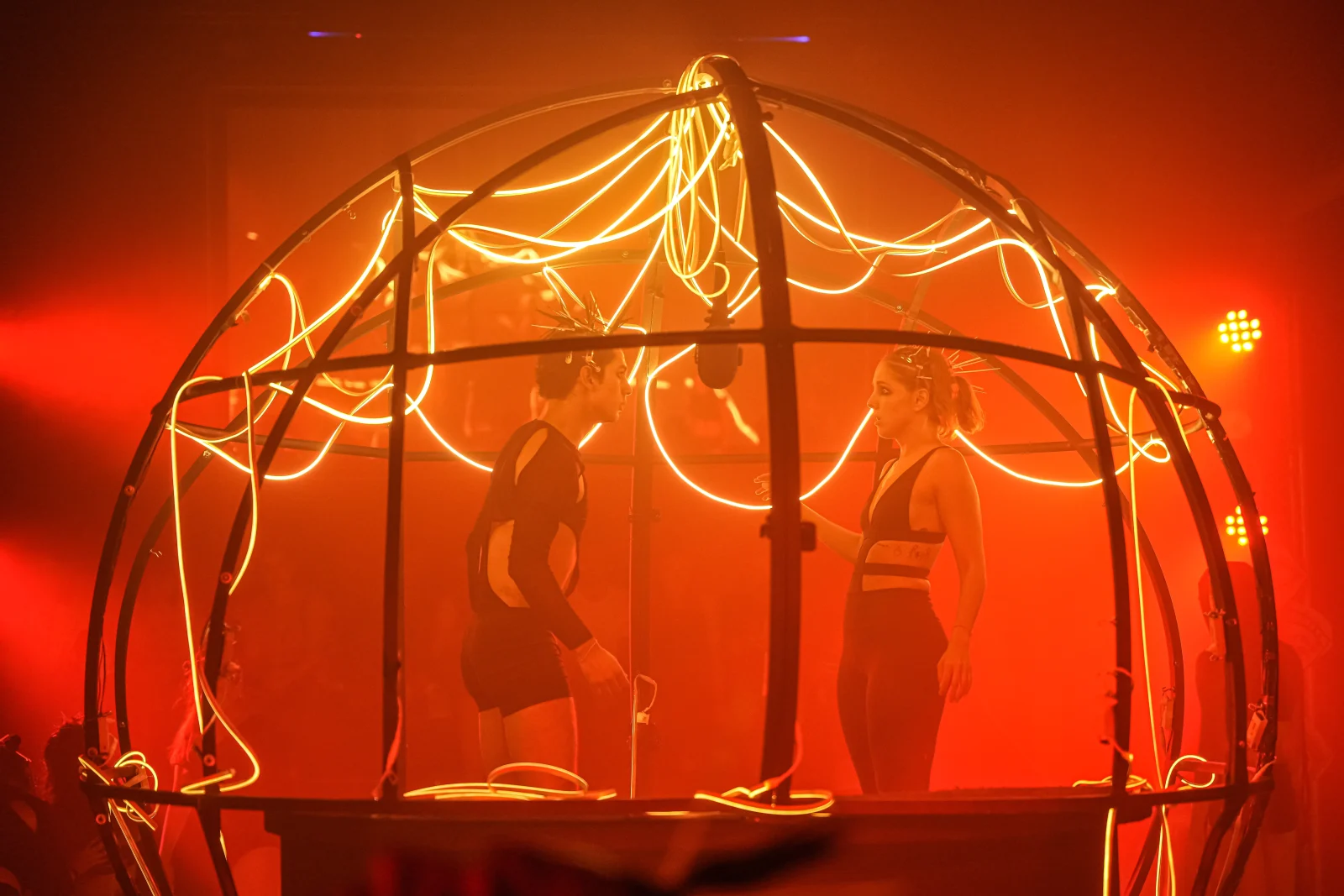
His sets do more than serve the play—they suggest entire worlds that feel at once specific and expansive. Drawing from his background in architecture and his love for music, cinema, and installation art, Antonio treats every project as part of a lifelong pursuit of the Gesamtkunstwerk—a total work of art. Whether reconstructing 1980s Narvarte and channeling cosmic metaphors into the domestic realm in Mamá se fue a la Luna, or transforming an airport terminal into a vibrant journey to the beach using only suitcases in La Chica del Bikini Azul, his designs resonate with transformation, imagination, and emotional truth.
In this PROFILES feature, we explore how that little boy playing theatre never really went away—he just got better tools.
My journey as an artist began at a very young age. I always had an interest in art, painting, and theater, and that spark was encouraged by my family. My grandmother was the first to applaud the plays I put on in the living room and even had a small puppet theater made for me in the apartment where we lived. There, I loved dressing up and also dressing up my sister, cousins, or friends to play at making theater.
Since I was a child, I took theater workshops, but when the school closed, my passion shifted towards art and painting. It was in high school where I reconnected with a theater workshop. This time, the desire arose to channel my artistic expression towards scenography. Although at first, I also had to act, I quickly confirmed that my place was behind the scenes. During those years, I designed my first scenographies, and one even won an award at a festival, which made me consider scenography as a viable career.
I decided to study architecture because of its breadth as an artistic discipline, with multiple outlets, including scenography. It provided me with tools to design and communicate projects, as well as allowing me to explore other fields such as film, live events, and installations.
Although my practice has evolved and become more professional, I believe the spark is still there, and the child Antonio still plays at making theater.

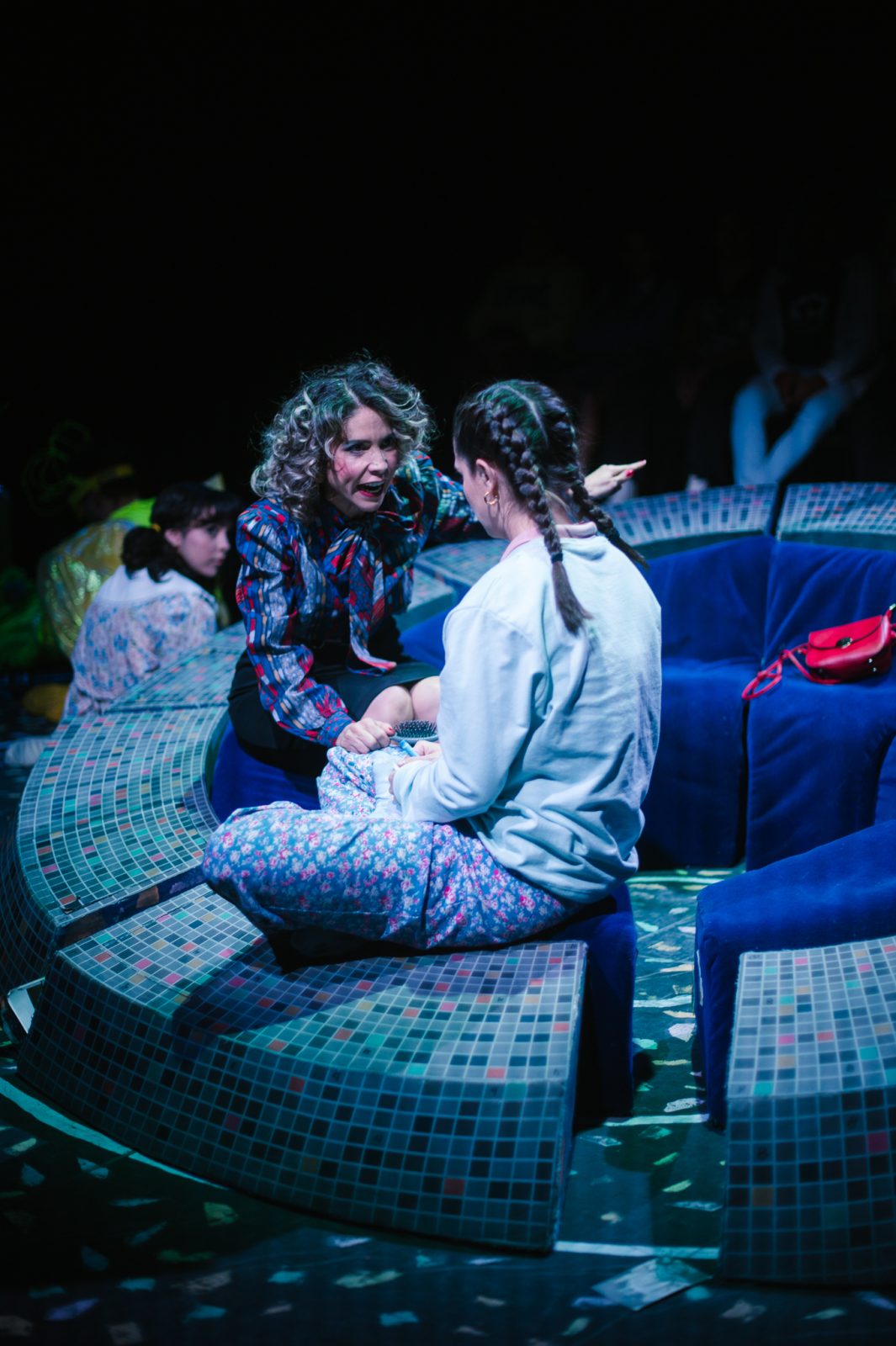
“Mamá se fue a la Luna” holds a special place. Written by young playwright and director Clemente Vega, the play tells the story of his mother—a family story that always leads those who see it to begin telling their own.
This project was special for several reasons. First, because although it’s a very personal story for the author, it led all of us to reflect on our own family histories, the traces of abandonment, and memory. Although Clemente’s family is from Cuernavaca, the fiction takes place in Mexico City during the 1980s. To build that world, I drew on my own references: I asked myself where my mother lived during that time. That search led me to rich visual research about the Narvarte neighborhood, its functionalist buildings with mosaics and skylights—elements that, curiously, also evoke the speculation around the space race, the play’s central metaphor.
The project was also special because it was born independently, with a team of young creatives from an emerging generation. For me, it marked the moment when the theater scene began to turn its gaze toward our work.
I believe creativity is fluid, so my creative process is flexible depending on each project. Generally, I start with an analysis of the text and its needs, accompanied by broad visual research and many conversations with the director and the creative team. Sometimes there’s a clear concept from the beginning, which makes the process easier. Other times, inspiration comes unexpectedly. Occasionally, research reveals a finding that gives meaning to everything; other times, it leads nowhere, and the process becomes more practical.
I usually approach design from the functionality of the space, solving each situation in a practical way. But there are also works where there are no defined actions, which makes that logical space-action resolution not always useful.
Sometimes, the initial idea from a first reading becomes the final solution. But most of the time, the process consists of iterations, discarding ideas or going in circles with one. This can involve a lot of drawing, making models (when time allows), etc.
In the end, what matters most to me is finding a solution that works for the narrative of the piece and feels genuine within the concept of those of us telling the story.
The nature of theater and the work of performing artists is tied to collaboration and teamwork, which is fantastic and enriching. But I believe it’s precisely in dealing with others where the greatest challenges can arise.
As a young and emerging designer, one of the biggest challenges has been constantly facing new situations: working in places I don’t know and with people who don’t know me, and who, many times, don’t trust me or my work.
The challenge in these situations is to prove the value of my voice, my ideas, and my work. As I’ve advanced in my career, I’ve learned to face insecurity and communicate my ideas clearly. To overcome these difficulties, it’s key to stand firm in what I believe, in what I know, and to trust my intuition.
This constant process of personal and professional growth has shaped me as a designer, allowing me to grow not only in technical skills, but also to strengthen my ability to resolve conflicts and to lead.
As an architect, it could be said that I am a performing artist coming from a discipline outside of theater. This has led me to think that all arts are connected and only manifest through different mediums.
I’m very drawn to the idea of the “total work of art” proposed by Richard Wagner, which suggests the fusion of various disciplines into one complete experience. My influences include artists from different fields aligned with that vision, like Wassily Kandinsky, Olafur Eliasson, Robert Wilson, Brian Eno, and David Bowie. Particularly Bowie, as a total artist, has been a great inspiration for me. I believe his music was just one component of a larger artistic project, complemented by performativity and theatricality, which, from my point of view, he pushed to the extreme to make his life his greatest total work of art.
These multidisciplinary references have driven my artistic exploration through different disciplines beyond theater, such as film, music, dance, installation, etc. I’m interested in exploring how space can become that total experience through interdisciplinary collaboration. I also aim for my work to maintain a certain coherence across different projects, as if each one contributes to a “total work of art.”
We’re living in a fascinating moment where technology is opening new doors for live performance. Tools like augmented reality, interactivity, automation, and AI offer fresh storytelling possibilities.
While some innovations—especially AI—raise concerns, technology should still be seen as a tool to enrich and streamline creative processes. Even in tech-heavy productions, theatre remains a living, deeply human art form that can’t be replaced.
On the contrary, in an increasingly digital world, theatre might become a refuge for the physical and communal—offering a space where we can find what what screens can’t offer.
My advice is to immerse yourself as much as possible in the discipline you’re passionate about. If you want to make theatre, you have to watch theatre—lots of theatre. Also, consume art in its various forms to develop a good critical eye.
Beyond a university degree, there are always ways to learn: from books, podcasts, and YouTube videos to courses, workshops, and certificate programs. These also help you connect with professionals and ease your entry into the world of art or theatre.
Don’t take anything for granted, and nothing happens on its own. If you want something to happen, start doing it and work hard to make it real. It’s important to be consistent and persistent, and to be patient and resilient when things get tough. Finally, enjoy every step of the journey, always staying true to yourself.
I would like my work to offer an experience that connects with the audience. That by living it, they experience sensations that resonate with them, allowing them to connect with their own stories and generate personal interpretations. If in some way my work manages to inspire someone to question or see the world from another perspective, then it will have fulfilled its purpose. I also aspire that, through that connection, my work not only provokes reflection, but ignites a creative spark that inspires others to create.
Support artists—share this
Off-Book is the Skene newsletter for artists and makers. Profiles, opportunities, and editorials, free. New subscribers also receive the 2026 Performing Arts Survival Guide.
We use cookies to optimize our website and our service functionalities.
Practical career guidance for performing arts artists and makers. Take it with you.