LATEST POSTS.

Get featured
on Skene!

Plays for Young Performers: Engaging Contemporary Works.

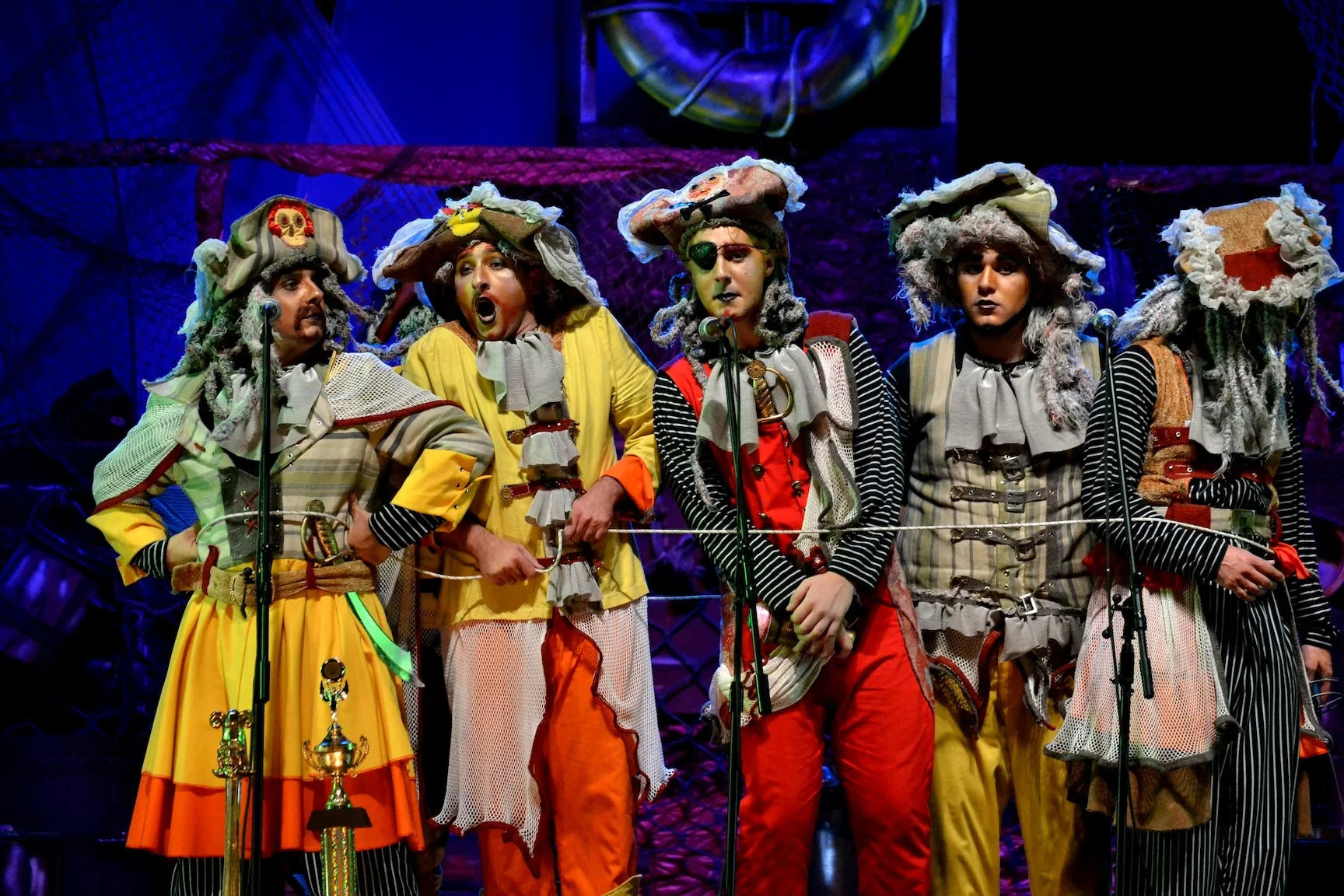
source: Jorge Daniel Lopez Lagarreta.

Disclosure: Some links in this article may be affiliate links. If you make a purchase through them, we may earn a small commission at no additional cost to you. These links help support the work behind Skene.

Theatre changes people. Not in abstract ways, but in real ways. Young performers who spend months inside a demanding role become different people. They develop discipline, vulnerability, and the ability to hold contradiction. They learn what it means to commit to something larger than themselves. The plays in this collection are designed to deepen that transformation. They’re the kind of work that makes young people want to come back to the theatre season after season, not because they have to, but because they’ve discovered something essential about themselves and their community through the work. These plays are energetic, complex, and demanding. They celebrate joy without dismissing struggle. They build ensemble trust and create the kind of excitement that spreads through a school or theatre program and makes people want to be part of something real. Every student performer deserves a role that challenges them to grow and a story that speaks to who they are and who they’re becoming. These six plays deliver exactly that.

Plays That Celebrate Joy and Imagination

Not every powerful play is dark or difficult. Some of the most transformative work comes from plays that celebrate possibility, imagination, and the liberation that comes from playing. The plays in this section burst with ensemble energy and remind performers why they fell in love with theatre in the first place. They’re fun, they’re surprising, and they trust young people to understand both comedy and heartbreak at the same time. Producing work like this builds the kind of camaraderie that keeps theatre programs alive. It creates buzz. It makes people want to audition next year because they remember what it felt like to be part of something joyful and strange and entirely possible.

She Kills Monsters

She Kills Monsters By Qui Nguyen

A girl and her dead sister’s Dungeons & Dragons campaign. She Kills Monsters is a love letter to geekdom, imagination, and the ways games become survival mechanisms. Nguyen writes with joy and specificity. The play moves between the real world and the fantasy world of the game, and both are equally valid. The dialogue is contemporary and funny. The stagecraft can be as simple or as elaborate as you want it to be. At its core, it’s about a girl finding her sister through the stories her sister loved. Young performers will recognize the power of imagined worlds. Audiences will understand why gaming matters to people who need escape and community. The play has multiple roles for different skill levels and abilities. It celebrates people who don’t fit into traditional narratives. It’s proof that theatre can be playful and political at the same time.

Cast: Flexible, 8–15 actors. Contemporary dress. Multiple locations (real world and fantasy). Set can range from minimal to elaborate. Best for high school or college. 120 minutes.

The Elaborate Entrance of Chad Deity

The Elaborate Entrance of Chad Deity

The Elaborate Entrance of Chad Deity By Kristoffer Diaz

Professional wrestling. Hip-hop. Choreography. A play about performance, exploitation, and the ways marginalized people create art within systems designed to contain them. The Elaborate Entrance of Chad Deity is wildly entertaining and politically sharp. Diaz creates a world of professional wrestlers where the spectacle is real and the exploitation is visible. The play moves fast. It has music and dance and the kind of theatricality that makes young performers excited to get on stage. The cast is flexible. The production can be as simple as chairs and focus or as elaborate as you want. What the play demands is actors who understand rhythm, commitment, and the power of spectacle. Young performers will learn what it means to use their bodies and their presence as instruments of storytelling. Audiences will understand why wrestling is art and why art is necessary for survival.

Cast: 6–10 flexible, multiracial casting essential. Contemporary dress. Multiple locations. Minimal set required. Best for high school or college. 100 minutes.

Plays About Learning and Growth

The teenage and young adult years are a time of discovery. Finding your voice. Understanding yourself. Confronting truths you didn’t want to know. The plays in this section match the emotional intensity of that experience. They’re not simple coming-of-age stories. They’re complex explorations of what it means to grow up in a world that doesn’t always make space for you. Student performers will see themselves in these characters. They’ll understand that what feels private and individual is often shared and universal. Producing work like this validates student experience and tells young people that their stories matter.

How I Learned to Drive

How I Learned to Drive By Paula Vogel

A woman reflects on the man who taught her to drive and the ways that driving lesson became something else entirely. How I Learned to Drive is a groundbreaking play about sexual abuse, memory, and survival. Vogel uses structure brilliantly: the play moves backward and forward in time, mixing driving lessons with moments of violation and moments of genuine connection. The dialogue is specific and devastating. There are two main characters (a woman and her uncle), but the play requires flexibility and a willingness to address difficult subject matter directly. The set requirements are minimal. What the play demands is actors who can hold contradictory emotions: love and abuse existing in the same moment, trauma and tenderness intertwined. Young performers who tackle this work will understand what it means to tell a story that refuses easy answers. Audiences will recognize the complexity of real abuse and the ways survivors carry forward.

Cast: 2 main actors, multiple ensemble roles (flexible, can be actor doubling). Flexible costuming. Multiple locations (cars, houses, roads). Minimal set. Best for college or advanced high school. 90 minutes.

Content Note: This play contains sexual abuse and grooming. Consult with a dramaturg or institutional advocate to ensure appropriate support for your cast and audience.

More like this, twice a month.

Get Off-Book, Skene’s free newsletter for artists and makers—plus the 2026 Performing Arts Survival Guide.

Admissions

Admissions

Admissions By Joshua Harmon

A college admissions officer and her husband grapple with affirmative action, privilege, and what it means to believe in fairness when the system itself is rigged. Admissions is a contemporary comedy that asks uncomfortable questions about complicity and good intentions. Harmon writes sharp, funny dialogue that reveals character through language. The play has two main characters and a flexible ensemble. The set is a house. The action is intimate but the questions are enormous. Young performers will understand institutional racism and the ways even well-meaning people participate in systems of exclusion. The play teaches actors what it means to be funny while addressing serious material. Audiences will laugh and then sit with the discomfort of that laughter. It’s theatre that provokes conversation.

Cast: 2 main characters, flexible ensemble (5–8 additional roles). Contemporary dress. Single interior location (house). Minimal furniture. Best for college or advanced high school. 90 minutes.

Content Note: This play contains references to racism and discusses race-based affirmative action. Consult with a dramaturg or institutional advocate to ensure appropriate support for your cast and audience.

Plays About Communities Under Pressure

Theatre matters most when it tells the stories of people whose stories are not often told. The plays in this section are about working people, marginalized communities, and groups facing real obstacles. They celebrate resilience without sugar-coating struggle. They build solidarity by inviting audiences into communities they may not know but absolutely need to understand. Student drama clubs that produce work like this are making a political statement: that the stories of ordinary people matter, that theatre is a tool for understanding each other, and that artistic excellence and social consciousness are not separate things.

Sweat

sweat

Sweat By Lynn Nottage

A bar in Reading, Pennsylvania. Three friends. A factory closing. Sweat is about deindustrialization, friendship tested by economics, and the ways communities fracture when the jobs disappear. Nottage writes with precision and love. The characters are fully realized people, not political symbols. The play moves between past and present, showing how the same people behave differently depending on whether they’re hopeful or desperate. The set is a bar. The cast is flexible. What the play demands is actors who understand working-class life and audiences who are willing to sit with complexity and anger. Young performers will learn what it means to tell a story about real economic suffering without sentimentalizing it. The play builds ensemble trust and creates conversation about whose stories we tell and why.

Cast: 8–12 flexible, multiracial casting essential. Contemporary dress. Single interior location (bar). Minimal set. Best for college or advanced high school. 110 minutes.

Content Note: This play contains strong language, references to racism and xenophobia, and economic despair. Consult with a dramaturg or institutional advocate to ensure appropriate support for your cast and audience.

Grand Concourse

grand_concourse

Grand Concourse By Heidi Schreck

A soup kitchen in New York City. Volunteers and regular patrons. Thanksgiving. Grand Concourse is a play about generosity, poverty, and what we owe each other. Schreck creates a community of characters: a nun who runs the kitchen, a woman without a home, volunteers with complicated relationships to charity. The play is warm without being sentimental. It celebrates the people who do daily work for others while acknowledging the limitations of individual charity. The set is a kitchen. The cast is flexible and allows for many actors at different skill levels. Young performers will learn what it means to create dignity on stage. Audiences will understand that homelessness is not abstract—it’s people with names and stories and humor and agency. The play builds community among its cast and creates the kind of solidarity that extends beyond opening night.

Cast: 8–15 flexible, multiracial casting encouraged. Contemporary dress. Single interior location (soup kitchen). Minimal set. Best for high school or college. 100 minutes.

These six plays are the kind of work that energizes both cast and audience. They celebrate joy and community. They acknowledge struggle and complexity. They remind young people why theatre matters and give them roles worth committing to. Produce one of these plays and watch what happens to your program. Watch how ensemble bonds deepen. Watch how audiences return year after year because they’ve experienced something genuine. Watch how young people discover that theatre is not decoration—it’s how we understand ourselves and each other. That’s the kind of work that builds a theatre program worth joining. That’s the kind of student theatre that changes people.

Share this story

Leave a Reply

Your email address will not be published. Required fields are marked *

Skene CALLBOARD
partner content
FREE FOR ARTISTS

Get the 2026 Performing Arts Survival Guide.

Practical career guidance for performing arts artists and makers. Take it with you.