
Jack Golden: When a Moment Sings.
Scenic designer Jack Golden reflects on collaboration, instinct, and making strange and meaningful theatre through design and teaching.

Scenic designer Jack Golden reflects on collaboration, instinct, and making strange and meaningful theatre through design and teaching.

Ruth Robles is a Mexican singer and vocal director whose work moves between performance and creation, and always toward emotional truth.

Josué Cerón is a Mexican opera singer whose career spans the stages of Mexico and Italy, rooted in discipline, preparation, and artistic generosity.

Lebanese scenic designer Tina Torbey on migration, identity, motherhood, and building a theatre career far from home. OFFSTAGE Episode 8.

Four contemporary plays that use football as metaphor for politics, identity, and social struggle from Belfast to England.
Disclosure: Some links in this article may be affiliate links. If you make a purchase through them, we may earn a small commission at no additional cost to you. These links help support the work behind Skene.
Football is not a neutral stage. On the pitch and in the dressing room, the sport becomes a mirror for national identity, class struggle, political conflict, and personal transformation. These four contemporary plays understand that football carries more than athletic meaning. They use the game as a lens to examine who belongs, who profits, who survives, and what happens when individual dreams collide with systemic pressure. Whether directly centered on the sport or using it as metaphor, these works prove that theatre can tackle the politics of football with as much rigor and emotion as any political manifesto. From Belfast during The Troubles to the England national team to the supporters’ terraces of France, these plays position football at the center of urgent conversations about belonging, identity, and the price of aspiration. They ask what the beautiful game reveals about who we are.
When football takes the stage literally, the play asks audiences to sit inside the emotional and social world the sport creates. These plays don’t ask us to care about winning or losing. They ask us to care about the people for whom football means everything: a path out, a space to belong, a way to be seen. In these works, the pitch becomes a character in itself, and the game becomes the language through which larger human truths emerge.
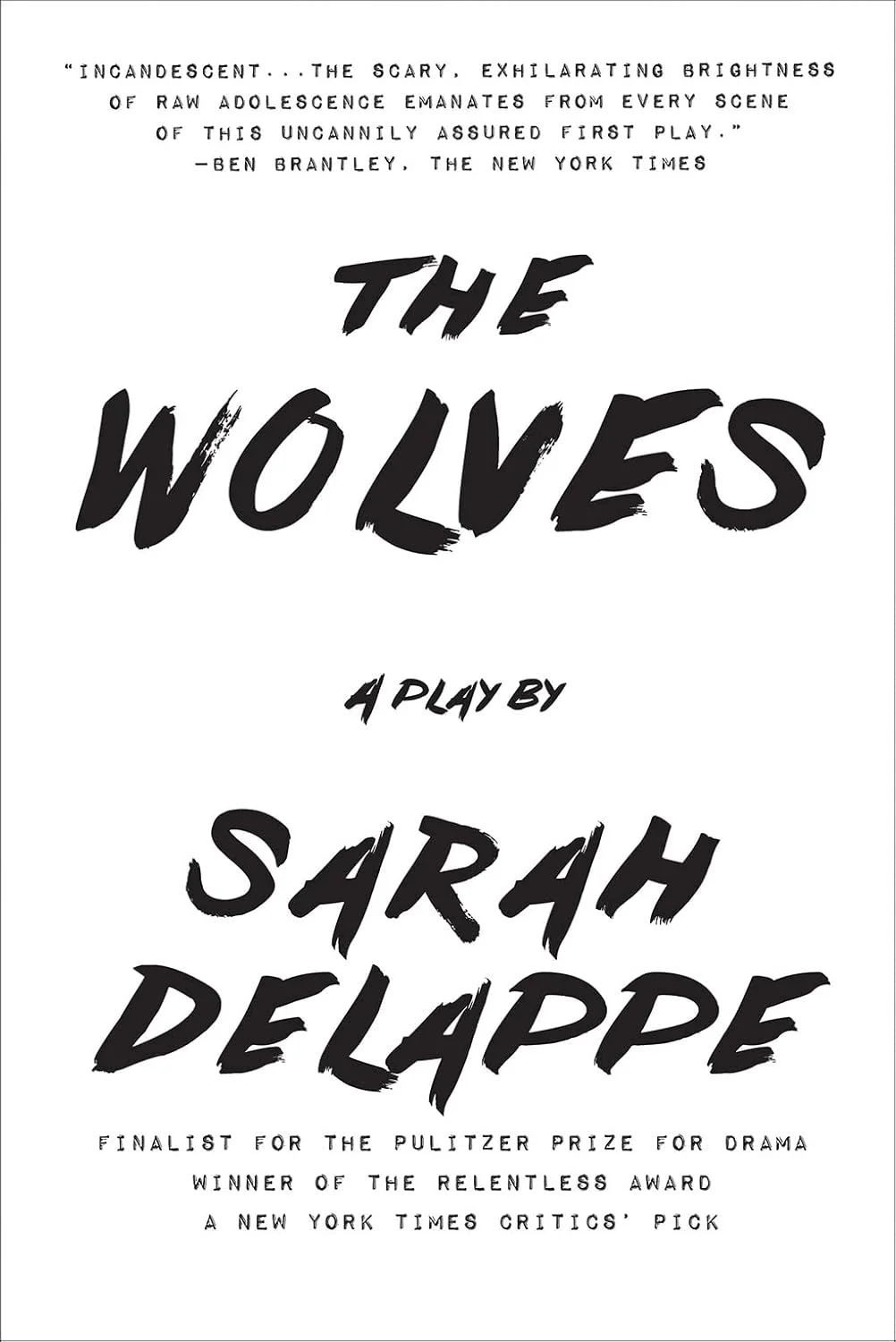
A high school girls’ soccer team gathers for practice, warm-ups, and the moments before and after games. Sarah DeLappe’s Pulitzer Prize-nominated play unfolds entirely on the soccer field. The team members talk about everything: tampons, crushes, homework, Abu Ghraib, politics, friendship, the pressure to be both individuals and members of a collective. DeLappe’s structure is deceptively simple but mathematically precise. The dialogue is fast, overlapping, and true to how adolescent girls actually speak with each other. The play doesn’t use soccer as metaphor. It uses the structure of team practice and competition as the framework through which young women navigate the impossible task of growing up: how to stay loyal to your teammates while becoming yourself, how to be seen as an individual while fitting into the group. The Wolves moved audiences because it recognizes what many plays ignore: that for young people, sports are not escape from real life. They are real life.
Cast Requirements: 7 to 15 female-identifying performers, ages 14-18 (flexible ensemble, minimal doubling). Modern dress. Soccer field setting (minimal technical requirements; can suggest with simple markings). No specific musical requirements. Rapid, overlapping dialogue requires careful rehearsal. Suitable for high schools and professional theatres.
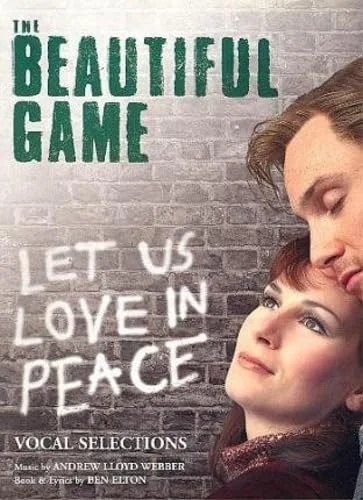
Set in Belfast between 1969 and 1972, during The Troubles, Andrew Lloyd Webber and Ben Elton’s musical follows a local Catholic football team as the community around them fractures along religious and political lines. The team members are teenagers with ordinary dreams: to play professionally, to fall in love, to escape poverty. But the political violence encroaching on their neighbourhood forces them to choose. Some become IRA volunteers. Some flee. Some are killed. The musical never lets football be innocent. The beautiful game exists in the margins of a society tearing itself apart. The team’s final championship match becomes a moment where the sport temporarily transcends the violence, and then the violence returns. Webber’s score combines Irish folk melody with musical theatre grandeur. Elton’s book is precise about class, religion, and the ways young people navigate impossible circumstances. The play asks what happens when the thing you love most cannot save you from history.
Cast Requirements: Ensemble of 15 to 25 performers. Central roles for John Kelly and Del (male), Mary and Christine (female), Father O’Donnell (male, 50s-60s). Flexible casting with attention to cultural authenticity. Contemporary dress (1969-1972). Single interior location (house, school, community space). Original musical score integral. Suitable for regional theatres and larger productions. Requires strong ensemble singing.
Sometimes football doesn’t need to be the literal subject of a play for it to do the heaviest philosophical lifting. As metaphor, the sport reveals how power circulates through communities, how identity is constructed and contested, and how individual choice intersects with systemic constraint. These plays use football culture, fandom, and the machinery of professional sport to ask deeper questions about who we are, what we’re willing to sacrifice, and what price comes with aspiration.
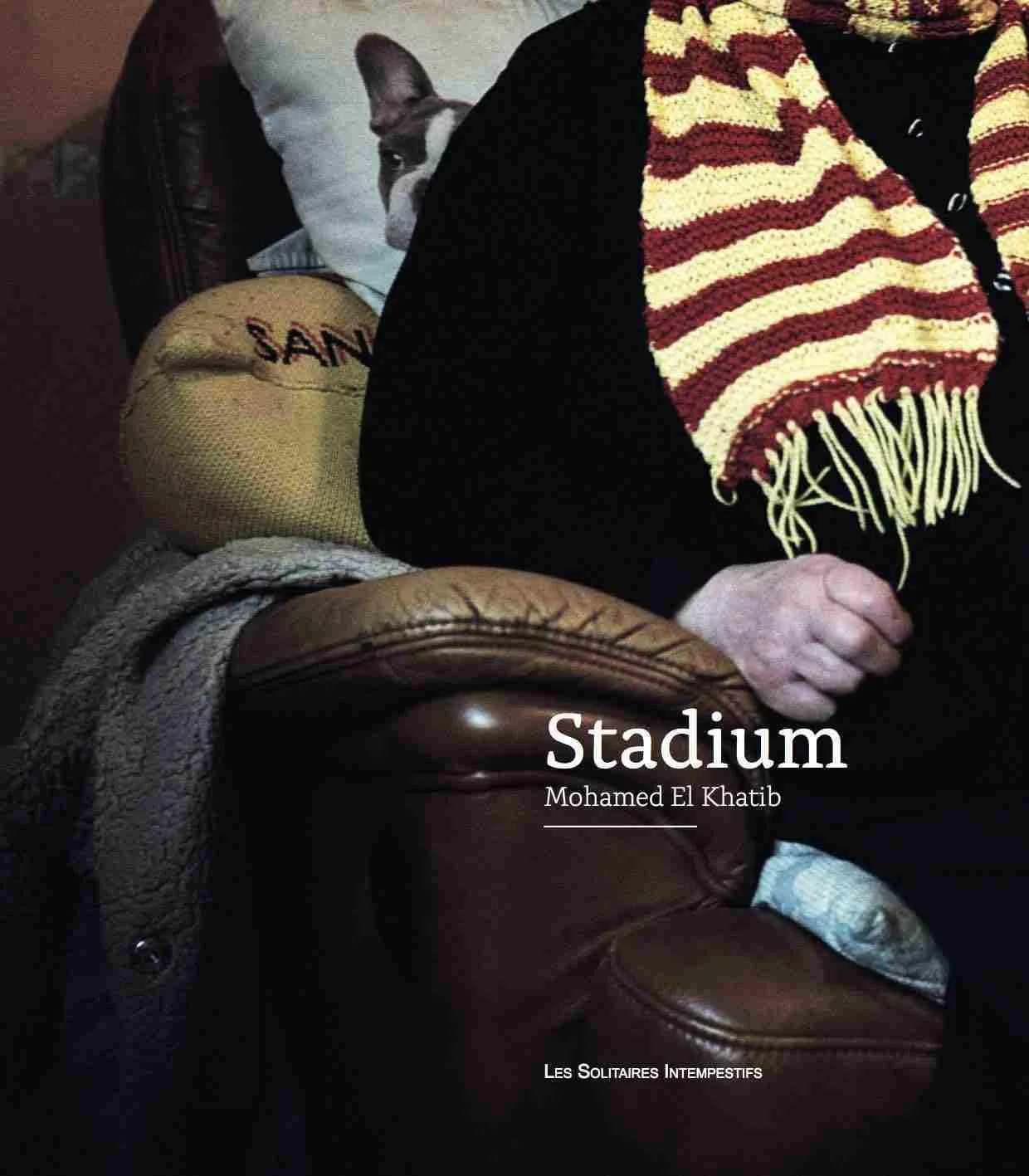
The supporters of RC Lens, a working-class football club in northern France, tell their story directly to the audience. El Khatib’s documentary-theatre piece transforms the stage into a stadium and fills it with the voices of fans, workers, unemployed people, priests, and ultraists whose lives revolve around their team. The play moves between personal anecdotes, community history, and songs that anchor the club to a specific place and people. Stadium refuses the neat narrative of sports drama. Instead, it accumulates moments: a father teaching his son the club’s song, a worker explaining how the team kept him sane during factory closures, an ultra describing what it means to belong to something larger than yourself. The play examines freedom of expression, working-class dignity, and the ways football functions as a living emblem of community identity when everything else has been stripped away. It is engaged documentary, tackling class, deprivation, and the politics of place through the lens of fandom.
Cast Requirements: Large flexible ensemble (20 to 50+ performers depending on production scale). Multiple generations and backgrounds represented. Original music and songs integral. Minimal set design. Audience in or near stadium configuration ideal. Street-level or community theatre suitable.
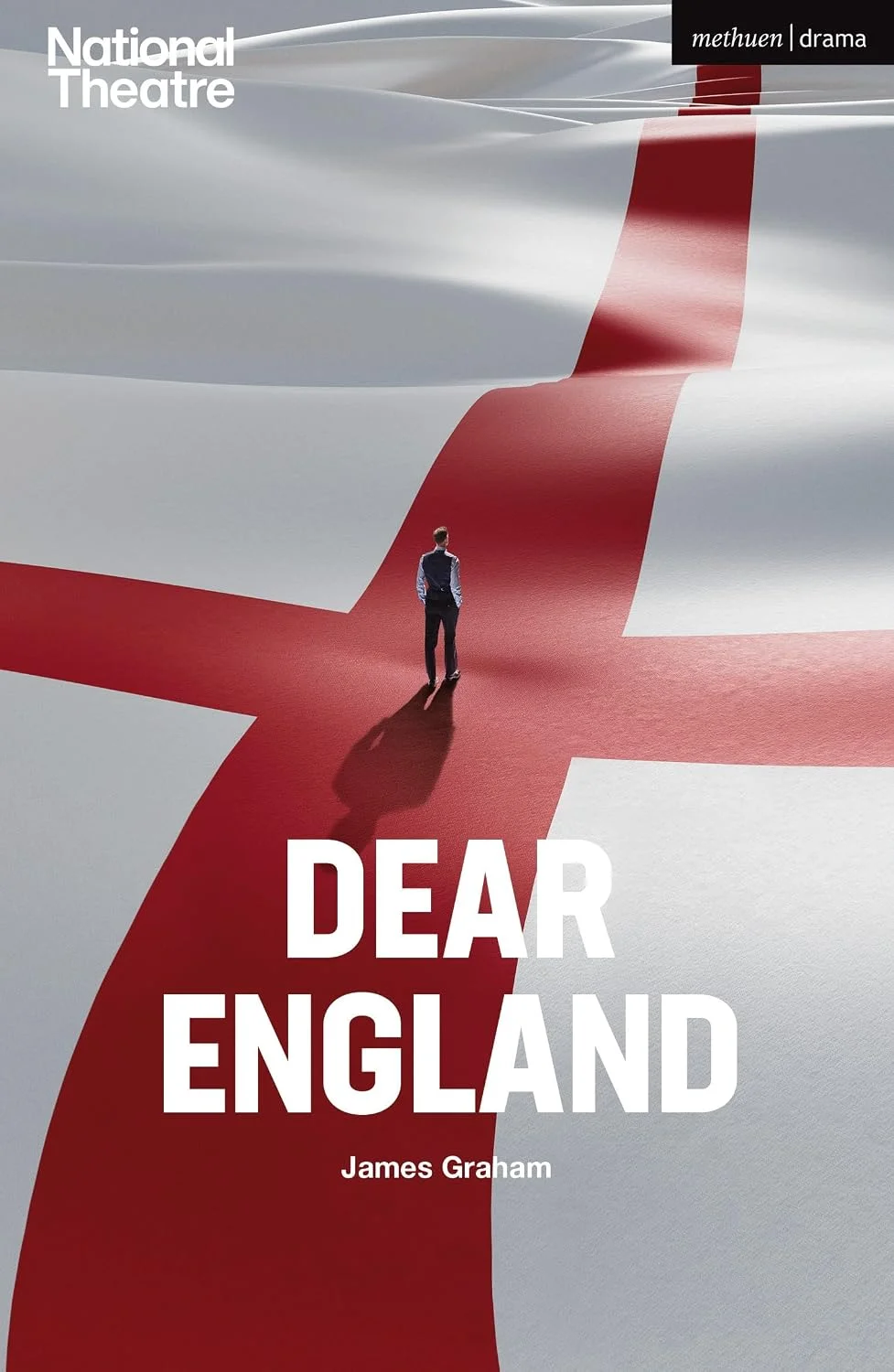
James Graham’s 2024 Olivier Award-winning play follows Gareth Southgate’s tenure as England football manager during a period of national reckoning. The play moves between Southgate’s private struggles, his conversations with players, and the broader cultural moment in which English football became a site for debates about masculinity, mental health, nationalism, and what it means to represent a nation. Graham examines Southgate’s attempt to change football culture from within: to create space for vulnerability, to challenge toxic masculinity, to build a team that reflects contemporary England. The play is not a match report. It’s a portrait of a man trying to lead through upheaval, to hold complexity, to change systems that resist change. It uses football as the stage on which larger questions about leadership, identity, and collective responsibility play out. The dialogue is sharp and intimate. The political stakes feel urgent and personal at once.
Cast Requirements: Flexible ensemble. Central role for Gareth Southgate (male, 50s-60s). Multiple player roles, journalists, advisors. Minimal set; movement and staging more important than scenery. Contemporary dress. Suitable for mid-size to large theatres. No specific musical requirements.
Football theatre works because the sport already contains everything drama needs: competition, loyalty, heartbreak, redemption, and the collision between personal dreams and collective identity. These four plays refuse to treat football as background noise. They position the game at the center of urgent conversations about politics, belonging, and what it means to perform identity under pressure. Whether the play is about a high school team navigating adolescence, supporters defending their community, a nation reckoning with itself through its team, or a society fractured by violence, football becomes the language through which larger truths emerge. These plays remind us that the beautiful game is never just a game. It is how we understand power, identity, and what we are willing to sacrifice to belong. Produce one of these plays. Your audience will recognize themselves in the struggle.
Support artists—share this
Off-Book is the Skene newsletter for artists and makers. Profiles, opportunities, and editorials, free. New subscribers also receive the 2026 Performing Arts Survival Guide.
We use cookies to optimize our website and our service functionalities.