





by @MahatmaOrdaz
Translated by @admin
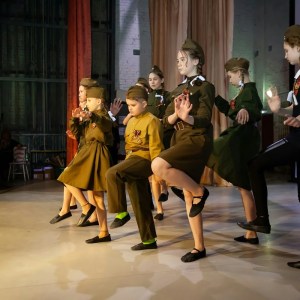
In 2020, I came across a small photograph in the digital archives of the Centro de Investigaciones Teatrales Rodolfo Usigli (CITRU), as part of the collection dedicated to Mexican scenographer Alejandro Luna. At first glance, I was struck by the small format and lack of sharpness in the image titled El viaje a la luna o viaje a la X (from the moon to the earth), dated 2002.
In the photograph, the chiaroscuro of the stage reveals six dancers with a biomechanical appearance. Each one, their body extended, immersed in chaos. The dynamism of this image made me forget that just twenty-three years ago, only a camera could capture a scene like this. Today, a cell phone records and stores personal or professional images in seconds. I imagine that in that context, this tiny photograph was born—a photograph that, unexpectedly, marked the beginning of an adventure: an investigative journey that led me to interview Maestro Luna and his daughter, the historian María Argudín, and to experience something unimaginable to me—gaining access to Luna’s personal archive.
En 2020, encontré una pequeña fotografía en los archivos digitales del Centro de Investigaciones Teatrales Rodolfo Usigli (CITRU), como parte del compendio dedicado al escenógrafo mexicano Alejandro Luna. A primera vista, me llamó la atención el pequeño formato y la falta de nitidez de la imagen que llevaba por título, El viaje a la luna o viaje a la X (de la luna a la tierra), fechada en 2002.
En la fotografía, se aprecia el claroscuro del escenario con seis bailarines de apariencia biomecanizada. Cada uno, con el cuerpo extendido e inmerso en un caos. El dinamismo de esta imagen me hizo olvidar que, hace apenas veintitrés años, sólo una cámara fotográfica era capaz de capturar una escena así. Hoy una cámara de celular registra y archiva imágenes personales o profesionales en segundos. Imagino que, en ese contexto, nació esa diminuta fotografía, que sin esperarlo marcó el inicio de una aventura: un viaje investigativo que me llevó a entrevistar al maestro Luna y su hija, la historiadora María Argudín, así como a vivir un suceso inimaginable para mí: acceder al acervo personal del maestro.
The first and only meeting with Luna was not fruitful, as his health was fragile and the pandemic made any in-person contact even more difficult. Thus, I began the research from what had never been seen on stage, or what had only partially come to light. I focused on the visual material from the creative process, on that which rarely has a place in theatre: the scenographer’s personal archive.
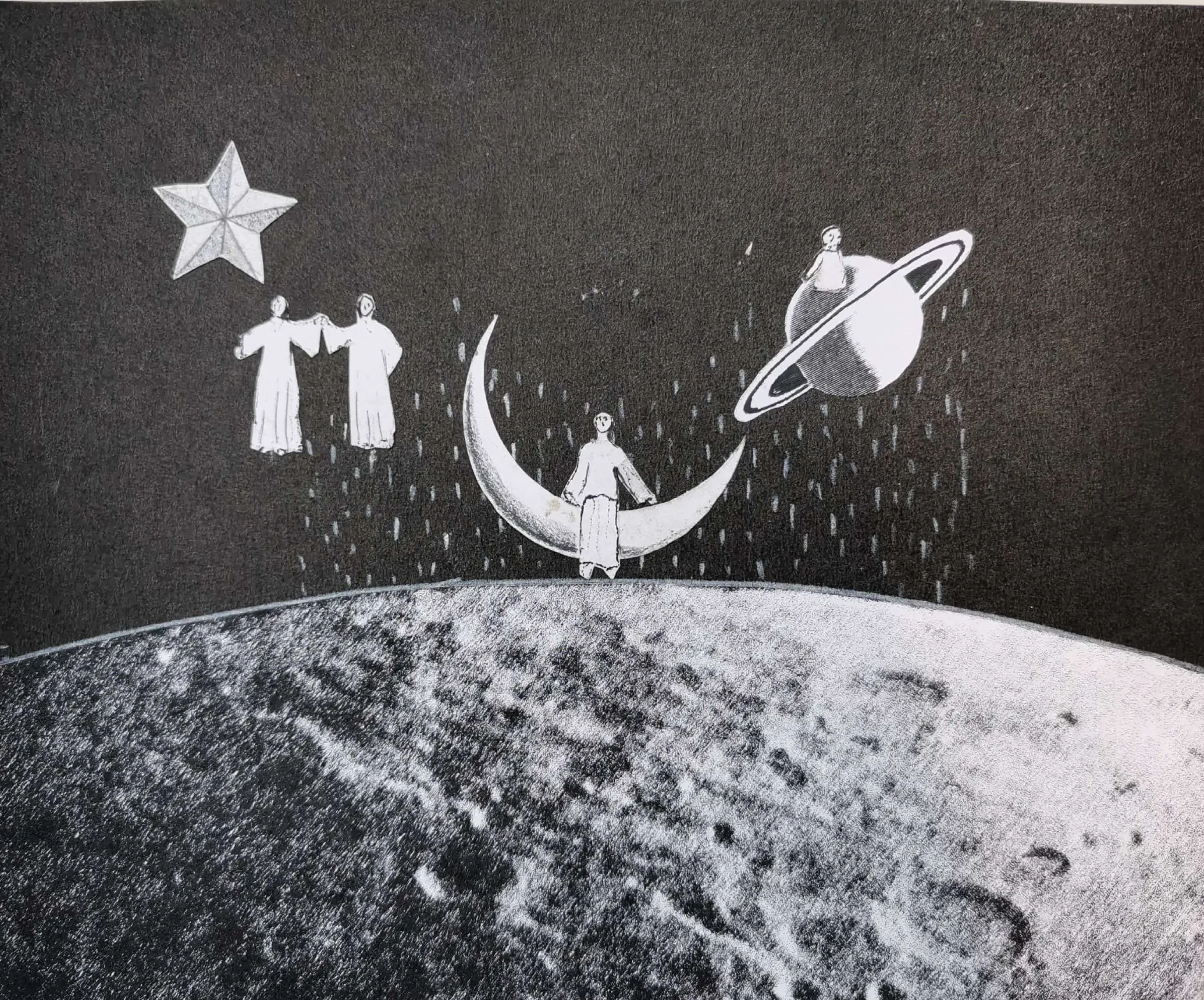
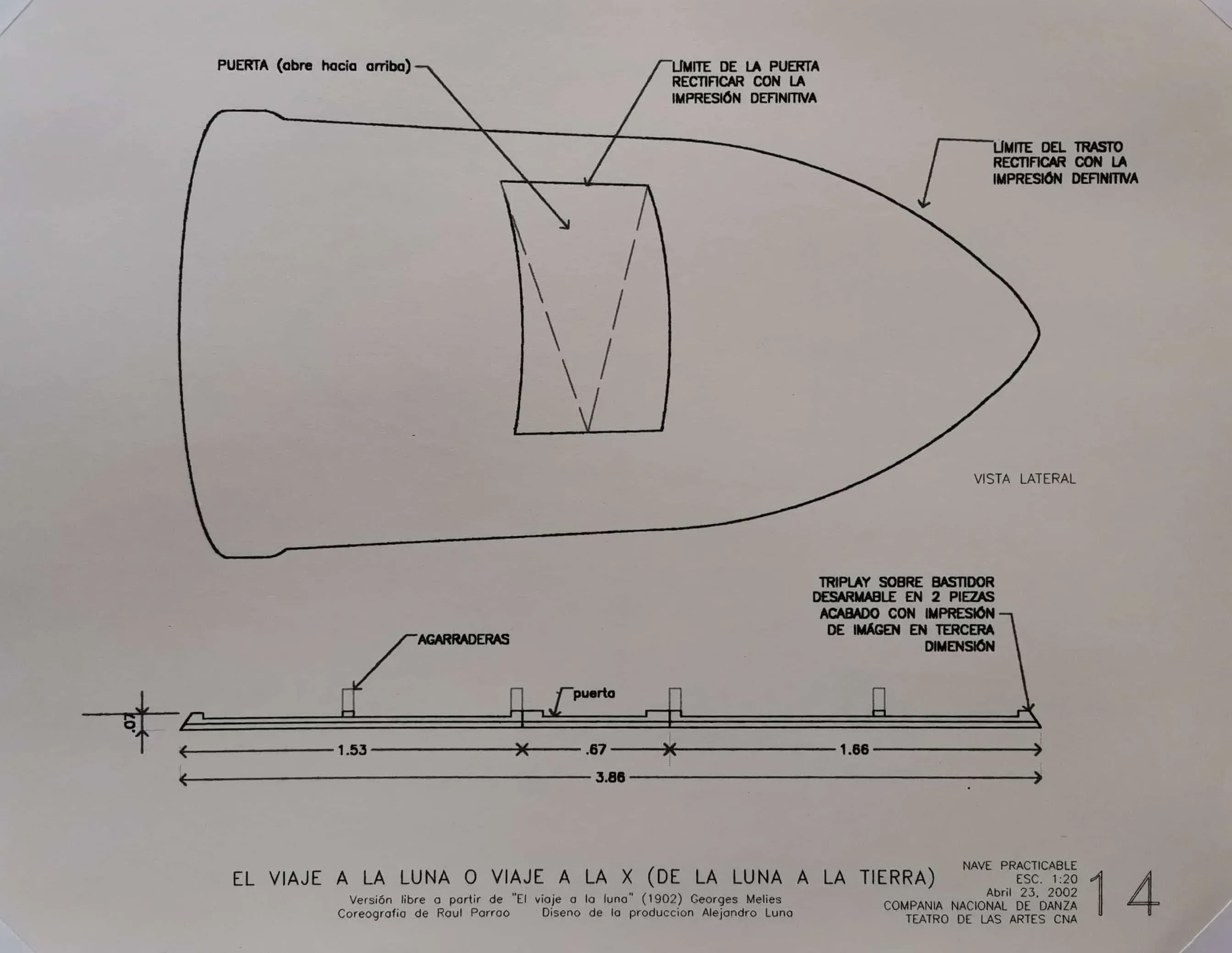
The material found in Luna’s studio was carefully organized in a work folder containing old photographs, negatives, postcards, scanned images, clippings, drawings, blueprints, personal and rehearsal notes, as well as letters exchanged between Luna and the organizers of the international tribute marking the centenary of Georges Méliès’s Le Voyage dans la Lune, held in Lyon, France, in 2003.
For ten months, I had the opportunity to study in detail the bond paper prints of the storyboard and the 35mm negatives. While reconstructing Luna’s creative process, I paid special attention not only to the order of the material but also to his selection: What did he choose to keep, and why? I wondered if it was possible to think of these documents as artistic manifestos, as archives, or simply as a selection of key moments that allow us to understand the design process. It was also essential to consider the creator himself and the context behind the archive.
El primer y único encuentro con Luna no fue fértil, pues su salud era delicada, y la pandemia complicaba aún más cualquier acercamiento presencial. Así inicié la investigación, desde lo que nunca se vio en escena o de lo que parcialmente vio la luz. Me concentré en el material visual del proceso creativo, en aquello que pocas veces tiene cabida en el teatro: el archivo personal de un escenógrafo.
El material encontrado en el estudio de Luna estaba cuidadosamente ordenado en una carpeta de trabajo que contenía fotografías antiguas, negativos, postales, imágenes escaneadas, recortes, dibujos, planos, notas personales y de ensayos, así como cartas intercambiadas entre Luna y los organizadores del homenaje internacional con motivo del centenario del filme Le Voyage dans La Lune,de Georges Méliès, celebrado en Lyon, Francia en el año 2003.
Durante diez meses, tuve la oportunidad de estudiar en detalle las impresiones en papel bond del storyboard y los negativos de 35mm. Al tratar de reconstruir el proceso creativo de Luna, puse especial interés en la carpeta, no sólo en el orden del material, sino también en su selección: ¿qué decidió conservar y por qué? Me pregunté si era posible pensar los documentos como manifiestos artísticos, como archivos, o simplemente como una selección de momentos importantes que permiten comprender el proceso creativo del diseño. Fue imprescindible, además, considerar al creador y el contexto detrás del archivo.
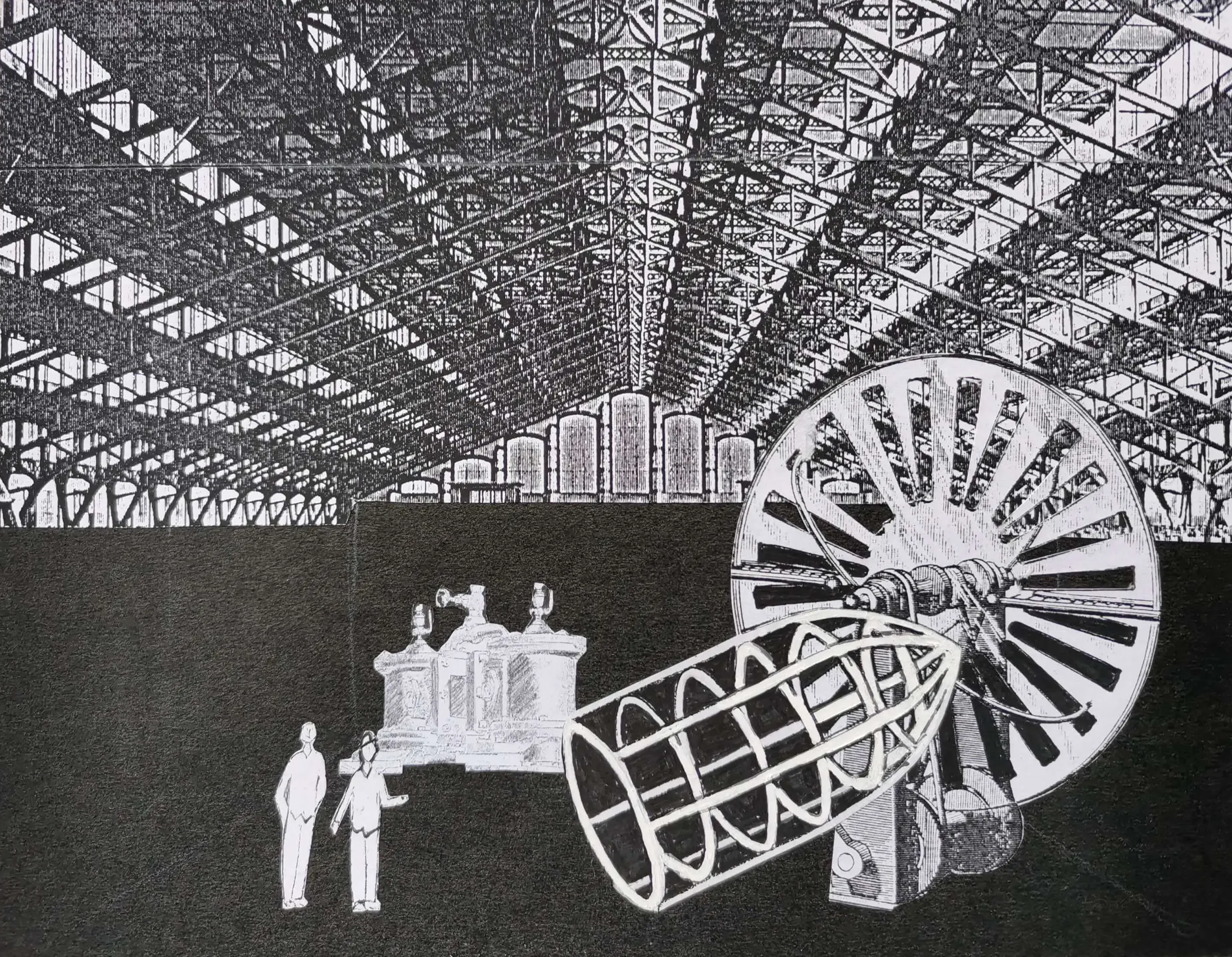
Thanks to the meticulous documentation of the creative process and the excellent preservation of the material, I discovered details of image treatment and the influence of cinematic montage on the multimedia script. Although the storyboard allowed for a partial reconstruction of the work’s universe, I do not know if the material is complete or if there were later modifications.
Despite the gaps, the documents reveal an innovative audiovisual proposal that integrated visual narrative, film technology, theatre, and dance—an experiment in the hybridization of media on stage. The multimedia component also functioned as a reference to truquismo (early cinematic trick effects) and the origins of special effects in film, which, by the end of the 20th century, had begun to influence the live arts. The production invited audiences to journey through the history of cinema via Méliès. The design transformed the cyclorama into a projection screen, incorporating optical illusions, lighting effects, and scenographic objects that stimulated the audience’s senses.
This collection illuminated two key contributions to 21st-century stagecraft. First, Luna transformed the scenic space into a site for new relationships between art and technology. Second, he made virtual reality possible within the theatrical building, expanding notions of space and body and assigning new roles to the spectator.
Gracias al minucioso registro del proceso creativo y a la excelente conservación del material, descubrí detalles del tratamiento de las imágenes y la influencia del montaje cinematográfico en el guión multimedia. Aunque el storyboard permitió reconstruir parcialmente el universo de la obra, desconozco si el material está completo y si hubo modificaciones.
A pesar de las faltantes, los documentos revelan una propuesta audiovisual innovadora que integró la narrativa visual, la tecnología cinematográfica, el teatro y la danza, y apostó por la hibridación de los medios en escena. La multimedia, además, funcionó como una referencia al truquismo y al origen de los efectos especiales en el cine que hacia finales del siglo XX, influenciaron las artes vivas. La puesta invitó al espectador a un recorrido por la historia del cine a través de Méliès. El diseño transformó el ciclorama en pantalla de proyección, incorporando juegos ópticos, efectos de luz y objetos escenográficos que estimulan los sentidos del espectador.
Esta colección trajo a la luz dos importantes contribuciones a la escena del siglo XXI. Primero, Luna transformó el espacio escénico en un lugar para nuevas relaciones entre arte y tecnología. Segunda, hizo posible la realidad virtual dentro del edificio teatral, ampliando las nociones de espacio y cuerpo, y agregando nuevos roles al espectador.
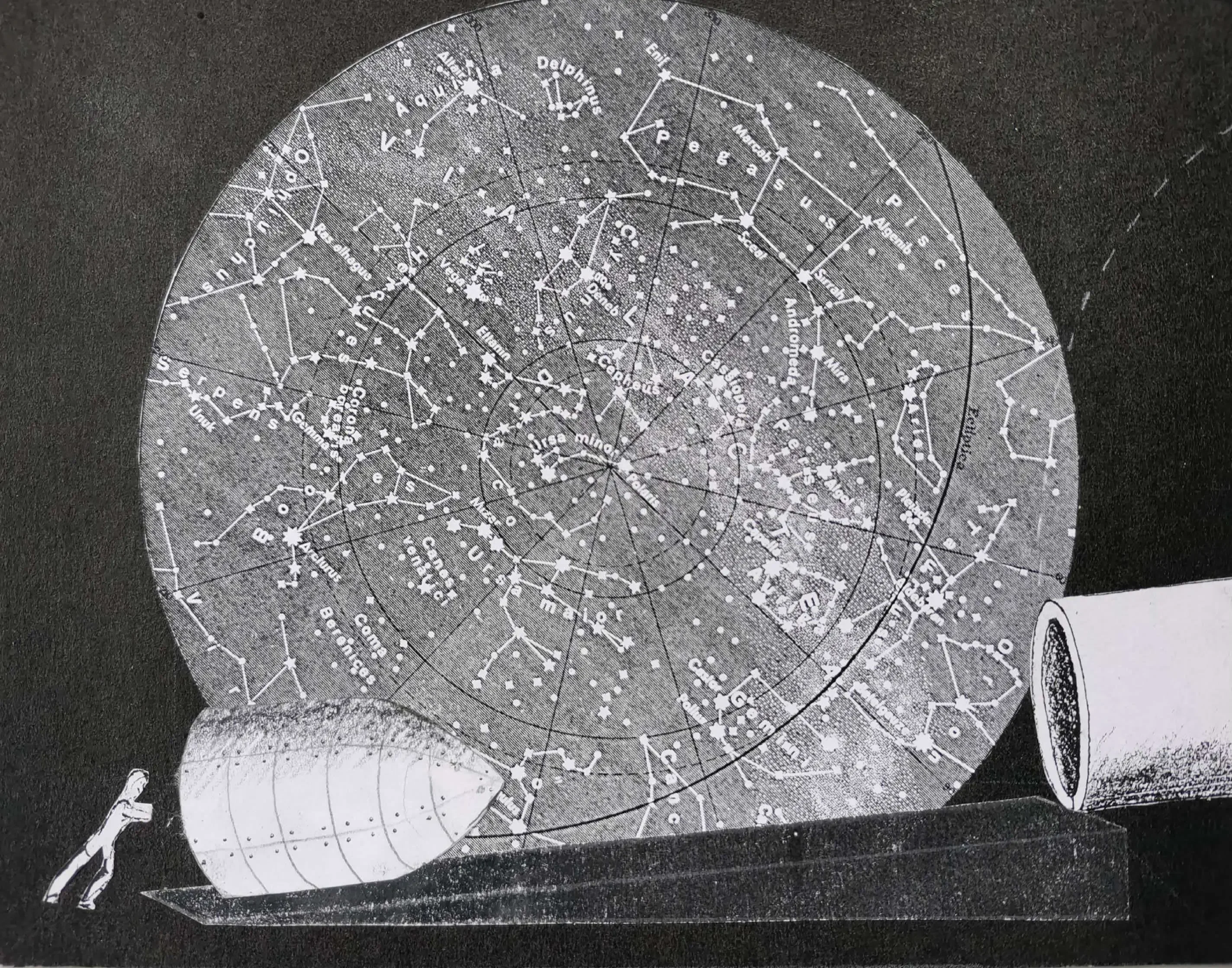
Over time, archives—like works themselves—become events of memory, linked to the space where they are preserved. The personal archive, in itself, is a living event that entails a process of deconstruction. Luna’s work, viewed as an archive, is a surviving object and a reflection of both past and present creativity. Faced with this, two questions arise: What is the most appropriate place for such archives? Analog spaces or digital ones?
In the last two decades, digitization has become a key strategy for preserving archives, especially those at risk of disappearance. Yet one must ask whether the digital archive is truly a sustainable long-term solution, and whether it can withstand the effects of climate change.
Digital preservation is defined as a set of activities aimed at ensuring ongoing access to digital materials over time. However, digital life cycles tend to be short, mainly due to obsolescence. The environmental impact of digital content accounts for an estimated 7% of global CO₂ emissions—a figure that continues to rise.
Con el paso del tiempo, los archivos –como las obras– se convierten en acontecimientos de la memoria, vinculados al espacio donde son conservados. El archivo personal, en sí mismo es un acontecimiento vivo que implica un proceso de deconstrucción. La obra de Luna vista como archivo es un objeto sobreviviente y un reflejo del pasado y el presente creativo que nos ocupa. Frente a esta situación, me surgen dos preguntas: ¿cuál es el lugar más adecuado para este tipo de archivos? ¿Espacios análogos o digitales?
En las últimas dos décadas, la digitalización ha sido una estrategia para preservar archivos, especialmente aquellos en riesgo de desaparecer. Sin embargo, cabe preguntarse si el archivo digital es realmente una solución sostenible a largo plazo, y si puede resistir los efectos del cambio climático.
La preservación digital se define como una serie de actividades direccionadas a asegurar el acceso continuo a los materiales digitales durante un tiempo determinado. No obstante, los ciclos de vida digital suelen ser cortos, principalmente por la obsolescencia. El impacto ambiental que genera el contenido digital representa en promedio el 7% de las emisiones globales de CO2, una cifra va en aumento.
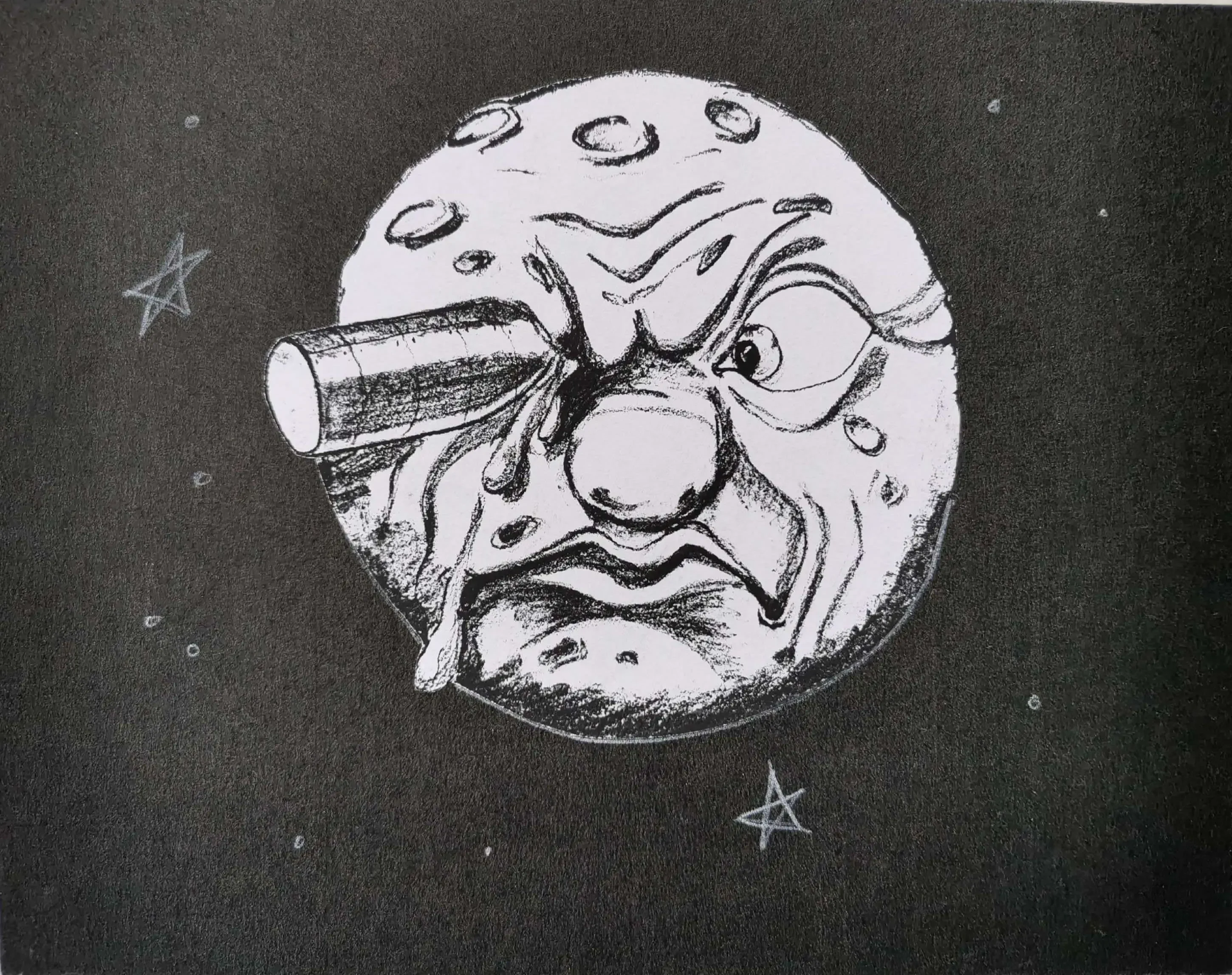
Rising temperatures affect the long-term storage and preservation of both digital and analog archives, and both contribute to greenhouse gas emissions due to the energy consumption of facilities. Digital archives, in particular, require specialized cooling systems for their servers.
Contrary to what one might think, digital preservation is one of humanity’s greatest challenges—especially regarding audiovisual and sound archives. Efforts to preserve them have generated negative environmental effects, such as increased electronic waste and the constant demand for energy. In 2022, research began exploring nanotechnology as a means to reduce the environmental impact of digitization, though the studies are still in early stages. A possible path forward is to design sustainable digital preservation initiatives, as well as multidisciplinary research focusing on how digital archives confront climate change.
Meanwhile, data storage media continue to evolve, meaning obsolescence is ongoing—further complicating the quest for a definitive preservation format.
Reflecting retrospectively on the history of art and the value of a scenographer’s personal archive such as Luna’s—one hundred and sixty years after Jules Verne’s From the Earth to the Moon and more than a century after Méliès’s Le Voyage dans la Lune inspired El viaje a la luna, a production that paved the way for virtual reality in Mexico—leads me to consider the urgent need to preserve the memory and creative processes of all agents involved in the performing arts.
Today, the task of conservation and preservation must be accompanied by sustainable, ethical, and critical reflection around three essential questions: What should we preserve? How? And where? From my perspective, institutions such as universities, the Prague Quadrennial (PQ), and World Stage Design (WSD) open pathways for collaborative thinking about safeguarding creative processes—especially as the climate crisis begins to affect nearly every aspect of our daily lives. It is possible that some of our professional practices may cease to be viable, and that paradigm shift, too, must be recorded in the history of art.
El incremento de la temperatura afecta el almacenamiento y conservación a largo plazo, tanto de archivos digitales como análogos, y ambos contribuyen a las emisiones de gases de efecto invernadero, debido al consumo energético de las instalaciones. Los digitales en particular, requieren sistemas de refrigeración especializados para sus servidores.
Contrario a lo que podría pensarse, la preservación digital es uno de los mayores retos que enfrenta la humanidad, especialmente en lo relativo a archivos audiovisuales y sonoros. Las acciones para preservarlos han generado efectos ambientales negativos, como el aumento de la basura tecnológica y la demanda constante de energía. En 2022 se comenzó a explorar la nanotecnología para reducir el impacto de la digitalización, aunque sus estudios son aún muy recientes. Una posible vía es diseñar iniciativas sustentables de preservación digital, así como investigaciones multidisciplinarias que se centren en cómo afrontan los archivos digitales el cambio climático.
Por otra parte, los soportes de almacenamiento de datos progresan constantemente, lo que significa que la obsolescencia es continua, y complejiza aún más contar con dispositivos definitivos para su preservación.
Pensar retrospectivamente en la historia del arte y el valor del archivo personal de un escenógrafo como Luna –a ciento sesenta años de que surgiera la famosa novela De la tierra a la luna de Julio Verne, y más de cien desde que Le Voyage dans La Lune inspirará el diseño de El viaje a la luna, montaje que le abriría el camino a la realidad virtual en México. Me lleva a reflexionar sobre la urgencia de preservar la memoria y los procesos creativos de todos los agentes involucrados en las artes escénicas.
Hoy en día, el reto de conservar y preservar debe ir acompañado de acciones y reflexiones sostenibles, éticas y críticas en torno a tres preguntas básicas: ¿qué conservar? ¿cómo? Y ¿dónde preservar?. Desde mi perspectiva, espacios como las universidades, la Prague Quadrennial (PQ) y el World Stage Design (WSD) abren rutas y vínculos para pensar de manera conjunta en el resguardo de los procesos creativos, especialmente ante un contexto en que la crisis climática ha comenzado afectar casi todos los aspectos de nuestra vida diaria. Es posible que algunas de nuestras prácticas profesionales dejen de ser viables, y ese cambio de paradigma también debe quedar registrado en la historia del arte.