




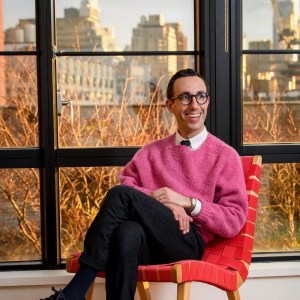


by Jay Duckworth.
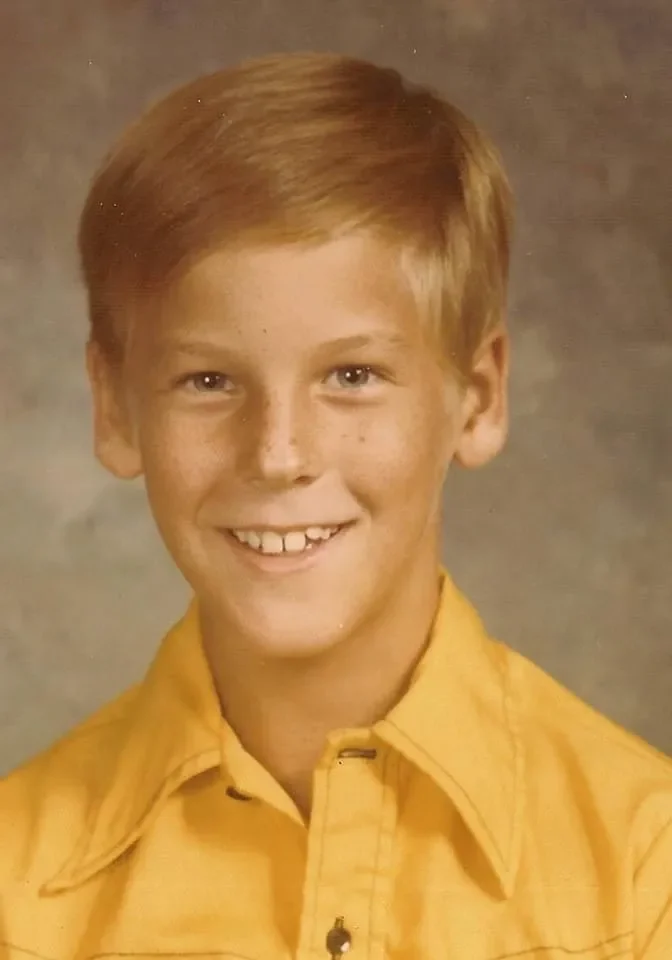
Growing up Queer in the 1980s at the beginning of the AIDS Crisis was pretty challenging. My mother found a note in my wallet from my first boyfriend and she threw me out of the house. Luckily I belonged to our local community theater and one of my friends took me in until things calmed down. My theater community always made me feel safe and protected. The heart and core of theater is made up of those who were relegated to the periphery of polite society. We couldn’t find a place that would welcome us so we created our own world.
Theater people see our uniqueness as a great strength and not as a shame.

When I was growing up queer people were the joke, the creepy gym teacher, or the character who was killed or committed self-harm. That’s not the situation anymore. We are not the B line of the story or the swishy comic relief. We as storytellers are sharing our lives with naked honesty. Michael R. Jackson, Robert O’Hara, Tanya Saracho, and Tarell Alvin McCraney are just a few writers who have made us the main characters. We are no longer begging for a place at the table; we are the honored guest. To a great many of this next generation, who we love is becoming a non-issue. Don’t get me wrong, there will always be people who hate us, but it is so much more honorable to be hated for who you are than to be loved for what you are not.

Quinton Crisp, queer icon and English raconteur, said: “In an expanding universe, time is on the side of the outcast. Those who once inhabited the suburbs of human contempt find that without changing their address they eventually live in the metropolis.” The changes I have seen in my lifetime give me huge nostalgia for the future.
This article is part of our ongoing collaboration with Jay Duckworth, “The Proptologist”. You can also read his companion piece, Professor Duckworth’s Guide to the Perfect Props List, exploring his favorite resources for props artisans in theatre.