LATEST POSTS.

Get featured
on Skene!

a dramaturg takes note on a notepad
source: Rethar Ferguson/ Pexels.

A dramaturg is a theatre professional who researches, analyzes, and contextualizes a production, helping directors, designers, performers, and audiences better understand the play, its history, and the ideas it explores.

The most common misunderstanding about the profession is worth clearing up immediately. A dramaturg does not direct the production or rewrite the script. Instead, they help everyone involved better understand the work being staged, asking questions, providing research, and helping connect artistic choices to the play’s themes and context.

Partner content

What a Dramaturg Is Responsible For

Dramaturgy is the practice of supporting a production through research, analysis, and artistic collaboration. The work begins with the script but extends to every conversation that helps clarify the story being told.

A dramaturg typically contributes:

  • Script analysis
  • Historical and cultural research
  • Background materials for the artistic team
  • Context for directors and designers
  • Audience resources such as program notes or study guides
  • Questions that help strengthen the production throughout rehearsals

According to the Literary Managers and Dramaturgs of the Americas (LMDA), dramaturgy encompasses research, advocacy for new work, audience engagement, and artistic collaboration. Exactly how those responsibilities are divided varies from one theatre to another, but the goal remains the same: helping a production communicate its ideas as clearly and thoughtfully as possible.

How Dramaturgical Work Develops

Every dramaturgical process begins with reading.

The dramaturg studies the script closely, identifying its structure, themes, historical setting, cultural references, and dramatic questions. Research often follows, exploring the period, politics, literature, language, or social context surrounding the work.

As rehearsals begin, the dramaturg becomes an active collaborator. Conversations with the director, actors, and design team often reveal new questions that require additional research or interpretation.

The process typically includes:

  • Reading and analyzing the script
  • Researching historical and cultural context
  • Meeting with the director and artistic team
  • Supporting rehearsals with additional research
  • Preparing audience materials when appropriate

One important distinction for newcomers: dramaturgy is not completed before rehearsals begin. As productions evolve, new discoveries often require the dramaturg to revisit research, clarify ideas, or help the creative team reconsider earlier assumptions.

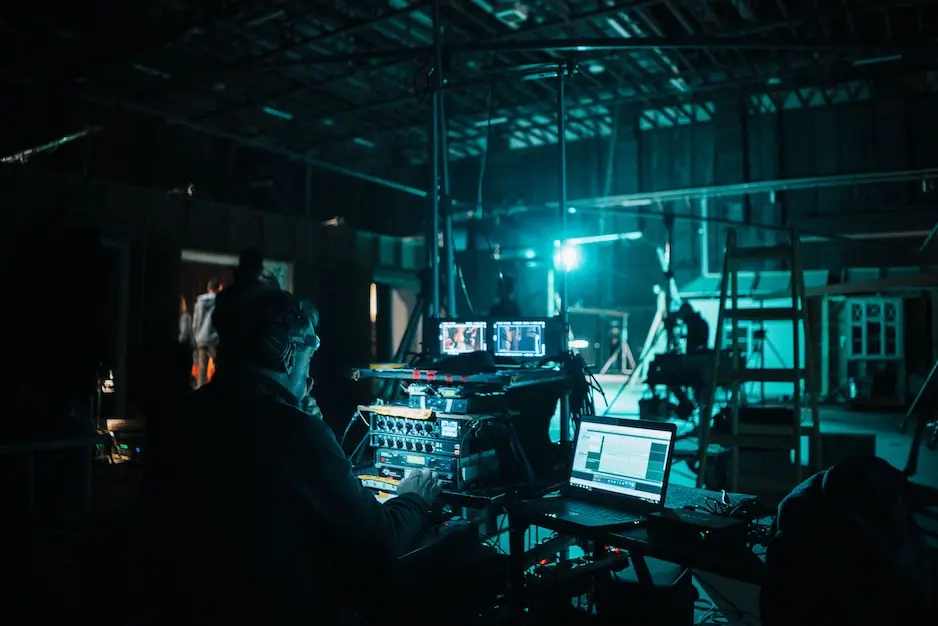
source: Ai25 Studio/ Pexels.

What a Dramaturg Delivers

Unlike designers, dramaturgs rarely produce drawings or technical paperwork. Their work is communicated primarily through research, writing, discussion, and documentation.

A dramaturg may prepare:

  • Research packets
  • Historical timelines
  • Script analysis
  • Character or pronunciation guides
  • Program essays
  • Lobby displays
  • Study guides
  • Audience discussion materials
  • Notes supporting the artistic team

These materials help everyone involved develop a deeper understanding of the play and its world.

A useful distinction for newcomers: scenic, lighting, and sound designers communicate many of their ideas through drawings, paperwork, or technical documentation. A dramaturg communicates through information, interpretation, and thoughtful questions that strengthen artistic decision making.

More like this, twice a month.

Get Off-Book, Skene’s free newsletter for artists and makers—plus the 2026 Performing Arts Survival Guide.

Who a Dramaturg Works With

The dramaturg collaborates with nearly every artistic department.

The relationship with the director begins early and often continues throughout rehearsals, helping shape the production’s interpretation of the script.

Dramaturgs also work closely with playwrights when developing new work, offering research, script analysis, and feedback during the writing process.

Designers frequently draw on dramaturgical research when developing their own concepts. Scenic, lighting, costume, and sound designers all benefit from a shared understanding of the play’s historical, cultural, or thematic context. Readers interested in those collaborative disciplines can also explore What Does a Scenic Designer Do? and What Does a Sound Designer Do?

Stage managers, actors, and educators may also rely on dramaturgical materials throughout rehearsals and performances, particularly when productions involve unfamiliar history, language, or cultural traditions.

Skills and Training

Dramaturgy combines research, communication, and artistic collaboration.

Successful dramaturgs typically develop skills in:

  • Close reading and script analysis
  • Historical and cultural research
  • Theatre history and dramatic literature
  • Writing and editing
  • Communication and collaboration
  • Critical thinking
  • Organization
  • Cultural awareness

Many professional dramaturgs study theatre, literature, history, or dramaturgy at the university level, although there is no single educational pathway into the profession. Others arrive through directing, playwriting, criticism, or arts education.

One of the profession’s greatest strengths is curiosity. A dramaturg is not expected to know every answer. More often, their value comes from recognizing the questions that help a production grow stronger.

a typewritter and a mic stand ona small table on stage.
source: Drago Rapovac/ Pexels.

Conclusion

A dramaturg helps artists understand the world of a play more deeply, bringing together research, analysis, and collaboration in service of the production.

Their work may be less visible than scenery, costumes, lighting, or sound, but it often shapes the conversations that allow every other department to make more informed creative choices.

FAQs

What is the difference between a dramaturg and a director?

A director develops the artistic interpretation and leads rehearsals. A dramaturg supports that process through research, script analysis, historical context, and ongoing collaboration, helping inform artistic decisions rather than making them.

Do all theatres have dramaturgs?

No. Dramaturgs are most common in universities, regional theatres, classical companies, festivals, and organizations that regularly develop new plays. Smaller theatres often share dramaturgical responsibilities among directors, literary managers, or other members of the artistic team.

Can a playwright also be a dramaturg?

Yes. Many playwrights work as dramaturgs on other writers’ projects, particularly during script development. While the two professions have different responsibilities, they share many skills related to storytelling, structure, and dramatic analysis.

CITE THIS ARTICLE

Skene Staff. “What Is a Dramaturg?” Skene, 29 Aug. 2026, https://skene.pub/what-is-a-dramaturg/.

Share this story

Leave a Reply

Your email address will not be published. Required fields are marked *

partner content
FREE FOR ARTISTS

Get the 2026 Performing Arts Survival Guide.

Practical career guidance for performing arts artists and makers. Take it with you.